

White Zinfandel is a sweet pink wine made from red Zinfandel grapes, pressed off the skins quickly so it picks up only a blush of color and then stopped before the yeast eats all the sugar. Sutter Home, which invented it, describes its own bottle as "deliciously sweet with the essence of strawberry and melon" (Sutter Home), and the company's nutrition table puts it at 8.30 grams of carbohydrate per 5 ounce glass, roughly double its own dry Rosé. So yes, it's sweet, and if you like it, the wines worth trying next are Rosé d'Anjou from the Loire, an off-dry Riesling, or Moscato d'Asti if you'd happily go sweeter.
Once you know where White Zinfandel sits on the sweetness scale, you can pick its neighbors on purpose instead of by the color of the bottle, which is what the rest of this page is for.
What is White Zinfandel?
White Zinfandel is a rosé, made from the same dark-skinned Zinfandel grape that produces big, peppery California reds, but handled like a white wine. The juice spends only a short time touching the skins, which is where all the color in a red wine comes from, so it comes out pale pink instead of purple. Then the fermentation is halted while there's still grape sugar left in the tank, and that leftover sugar is what makes it taste sweet.
The name confuses almost everyone, because it isn't a white wine and isn't made from white grapes. The "white" is a leftover from the wine's first vintage, which really was white.
What you get in the glass is a light, low-tannin, still pink wine with flavors of strawberry, watermelon and a little cherry, served cold and drunk young. It's built to be easy rather than to age or impress, which is exactly why VinePair calls it the most popular wine in the U.S. until the late '90s (VinePair).
If you've come here from the red side, our guide to what Zinfandel wine is and how the red version tastes covers the grape itself. This page stays with the pink one.
Why is it called White Zinfandel if it's pink?
White Zinfandel is called white because the first one was white. In 1972, Sutter Home winemaker Bob Trinchero drained off some of the free-run juice from his Amador County Zinfandel to make the red wine more concentrated, and fermented that runoff juice completely dry. According to the winery's own history, that first White Zinfandel "was dry and white in color" and production was just 220 cases (Sutter Home, Our Roots).
The sweet, pink version arrived by accident. In 1975, the 1974 vintage suffered what winemakers call a stuck fermentation, which is when the yeast stops working before it has converted all the sugar into alcohol. That batch came out light pink with about 2 percent residual sugar, the winery says, and its customers loved it so much that White Zinfandel became the first wine Sutter Home ran out of each year (Sutter Home, Our Roots). The name stayed even though the wine had changed color.
The growth after that was enormous. Sutter Home says its White Zinfandel grew from 25,000 cases in 1981 to over 4.5 million cases and became the best-selling premium wine in the United States in 1987 (Sutter Home, Our Roots). By 1998, the parent company says, Sutter Home was the number one table wine brand in the country and was producing more than 5 million cases of White Zinfandel a year, and Wine Spectator had given Bob Trinchero a Distinguished Service Award for "introducing more Americans to wine on the table than anyone in history" (Trinchero Family Wine and Spirits).
All that demand for Zinfandel grapes kept growers from ripping out old Zinfandel vineyards in favor of Cabernet and Chardonnay, and VinePair credits the White Zin boom with likely saving many of the old vines that now make California's most prized red Zinfandels (VinePair).
Is White Zinfandel sweet?
Yes, White Zinfandel is sweet, and a typical bottle like Sutter Home's sits clearly on the sweet side of pink wine rather than the off-dry middle, which its maker says openly on the label.
The most useful numbers come from Sutter Home itself, because it publishes nutrition figures for its whole range at the same 5 ounce serving (Sutter Home nutrition). That makes it the rare chance to compare sweetness across styles from one producer, with one method, instead of guessing between brands. Here's a selection, from driest to sweetest.
| Sutter Home wine | Carbohydrates per 5 oz glass |
|---|---|
| Sauvignon Blanc | 2.70 g |
| Chardonnay | 3.80 g |
| Rosé | 4.00 g |
| White Zinfandel Reserve | 6.00 g |
| Riesling | 7.64 g |
| Sweet Red | 8.26 g |
| White Zinfandel | 8.30 g |
| White Merlot | 10 g |
| Moscato | 11.4 g |
| Pink Moscato | 13.00 g |
Carbohydrate isn't a perfect stand-in for sugar, because even a bone-dry wine carries a few grams of other stuff. That's why the dry Sauvignon Blanc and Chardonnay on the same table still show around 3 to 4 grams. Treat that as the floor, and the gap above it as the sweetness you can taste.
Read that way, White Zinfandel sits right next to Sutter Home's Sweet Red and a little above its Riesling, so if you enjoy one of those you're in familiar territory with the others, while Moscato and Pink Moscato are a real step sweeter than your usual pink.
Most people never notice the White Zinfandel Reserve line at 6.00 grams, which is the same producer's idea of a less sweet White Zin and proof that the name describes a method rather than one fixed sugar level.
If you want the numbers behind dry, off-dry and sweet across every style, our explainer on dry vs sweet wine lays out the scale in grams per liter.
What does White Zinfandel taste like?
White Zinfandel tastes like strawberries and melon first, with watermelon, a little cherry and sometimes a citrus edge, all wrapped in gentle sweetness and very little grip. Sutter Home's own label copy says much the same thing, and for once the marketing is an accurate tasting note.
What you won't find is much tannin, which is the drying, slightly furry feeling red wine leaves on your gums. The skins came off the juice too early for that. The acidity is soft rather than sharp, so the wine feels round and easy instead of mouthwatering, and that's the main reason people who find most wine "too dry" or "too sour" tend to like it straight away.
Served properly cold, the fruit stays bright and the sweetness reads as juicy, but let it warm up on a picnic table and it can start to taste like melted candy.
How is White Zinfandel different from rosé?
White Zinfandel is a rosé, so the real difference is between White Zinfandel and the dry rosé most wine lists now carry, and it comes down to sugar and grape. A dry Provence-style rosé is pale, crisp and savory, usually blended from grapes like Grenache and Cinsault, and finishes with almost no sweetness. White Zinfandel is made from Zinfandel, tastes noticeably sweet and finishes soft.
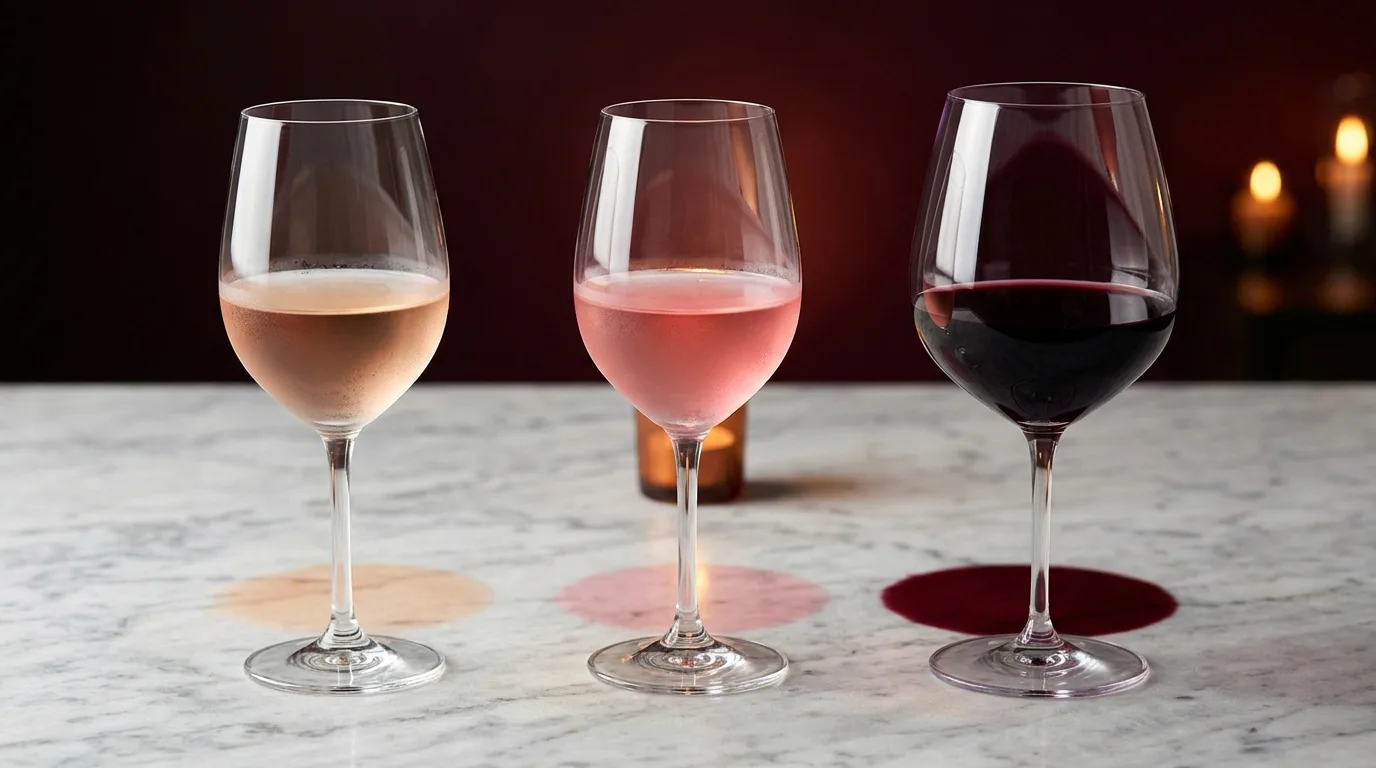
Color is a poor clue between them. Both can be the same pale shade of pink, and a deep pink rosé can be completely dry, so don't try to read sugar from across the room. The words on the label do a much better job: "White Zinfandel", "White Merlot", "blush" and "Pink Moscato" almost always mean sweet, while a French or Spanish place name, such as Provence, Côtes de Provence or Navarra, almost always means dry.
The Sutter Home table above puts a number on it inside one winery. Its dry Rosé shows 4.00 grams of carbohydrate per glass and its White Zinfandel shows 8.30, so the same producer, the same serving and the same color give you two very different wines. If rosé in general is what you're curious about, we've got a full guide on what rosé wine tastes like, and why fruity isn't the same as sweet, and another on how Grenache rosé and Provence blends differ.
How is White Zinfandel different from red Zinfandel?
White Zinfandel and red Zinfandel come from the same grape and have almost nothing else in common. Red Zinfandel ferments with the skins for days, which gives it deep color, real tannin and big flavors of blackberry, jam and black pepper, and it's dry and strong, with Wine Folly putting typical bottles at 14 percent alcohol or more (Wine Folly). White Zinfandel loses the skins early and keeps some sugar, so it ends up pale, light, sweet and noticeably lower in alcohol.
In a store, look for "White" in front of the grape name, because a bottle that just says "Zinfandel" or "Old Vine Zinfandel" is the heavy red and will come as quite a shock if you expected a strawberry sipper.
There's one more twist worth knowing. A handful of California producers now make a dry pink wine from Zinfandel and still call it White Zinfandel, or Zinfandel rosé. VinePair traces the movement to Turley Wine Cellars, which started making a dry one in 2011 to reclaim the name (VinePair). Those bottles are rare and taste nothing like Sutter Home, so check the back label before buying one for someone who loves the sweet style.
What wines are like White Zinfandel?
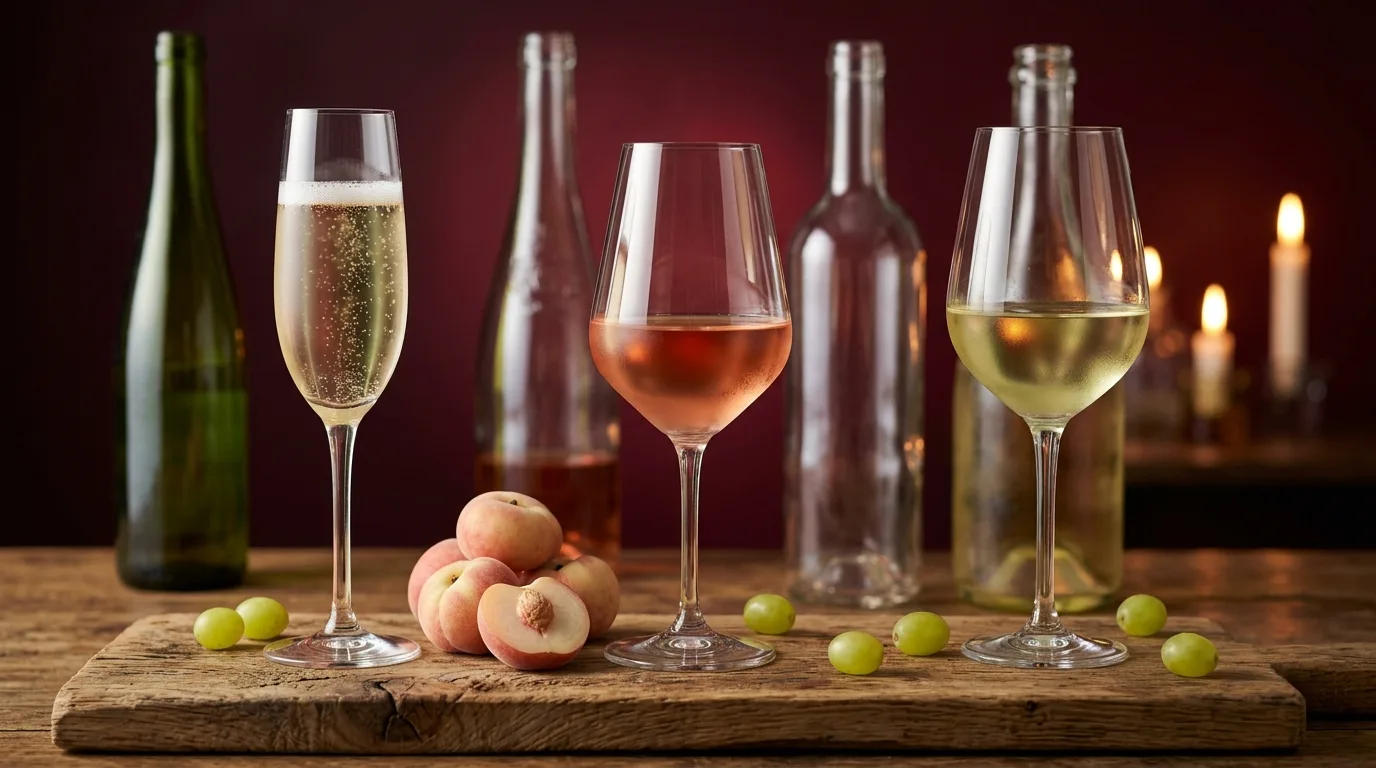
The wines most like White Zinfandel are Rosé d'Anjou, an off-dry Riesling, White Merlot and sweet Lambrusco if you want to stay at about the same sweetness, and Moscato d'Asti, Pink Moscato or Brachetto d'Acqui if you'd happily go sweeter. If you've started to want something drier, try Sutter Home's own White Zinfandel Reserve first, then a dry Zinfandel rosé or a Provence rosé. Here they are sorted by which direction you want to move in.
If you want the same sweetness
Rosé d'Anjou is the closest thing France makes to White Zinfandel, and it's the one we'd hand most White Zin fans first. It's a medium-sweet pink wine from the Loire Valley, made mostly from a grape called Grolleau, and it was so popular in the late 1980s that it made up nearly 55 percent of all the wine produced in the Anjou district (Wikipedia, Anjou wine). It tends to be a little fresher and less candied than White Zin, which is an easy upgrade for the same kind of evening.
An off-dry Riesling is the white wine answer. Sutter Home's own Riesling comes in at 7.64 grams per glass on the table above, just under its White Zinfandel, and good Riesling pairs that sweetness with brighter acidity, so it feels lively instead of syrupy. Look for a German Kabinett that doesn't say "trocken", which means dry, or for the words "off-dry" or "medium sweet" on the back label.
White Merlot is the closest relative by method, since it's made the same way from Merlot grapes, and it's a touch sweeter at 10 grams per glass in Sutter Home's lineup. Sweet Lambrusco, labeled "amabile" or "dolce", gives you the same berry fruit in a fizzy, deeper-pink or red form, and our guide to telling dry Lambrusco from sweet shows which words to look for.
If you'd go sweeter
Moscato d'Asti is the most natural step up in sweetness, and it's lighter than White Zin rather than heavier. It's a lightly sparkling white from Piedmont that must be between 4.5 and 6.5 percent alcohol under its appellation rules (Italian Wine Central), so the fermentation is stopped very early and plenty of grape sugar stays behind. It smells of peaches and orange blossom, which is a different kind of fruit from White Zin, so it's a good test of whether it's the sugar or the strawberry you love.
Pink Moscato sits at 13.00 grams in Sutter Home's table, the sweetest wine in that list, and Brachetto d'Acqui is the dessert-friendly red version of the same idea, a sweet, lightly fizzy red from Piedmont that can be as low as 5 percent alcohol under its rules (Italian Wine Central). If Moscato in particular is your direction, we've written a separate list of wines similar to Moscato, and if you also like bubbles, our page on wines like Stella Rosa covers the semi-sweet sparkling side.
If you're ready for drier
Going drier works best in small steps, because jumping from White Zin straight to a bone-dry rosé usually tastes sour by comparison. Sutter Home's White Zinfandel Reserve, at 6.00 grams against 8.30 for the regular bottle, is the gentlest possible first step, and it keeps the same grape and the same strawberry profile.
After that, a dry Zinfandel rosé from a small California producer keeps the grape and loses most of the sugar, and a Provence rosé keeps the pale pink color and the summer feeling while trading sweetness for crisp citrus and herbs. Try each with food rather than on its own, since dry wine shows best next to something salty.
Standing in an aisle trying to guess which of these will taste like the bottle you already know is the exact moment we built Find Similar for. You name the White Zinfandel you like, and Sommy surfaces bottles close to it by grape, region and character instead of handing you a generic pink-wine list.
What food goes with White Zinfandel?
White Zinfandel goes best with spicy food, salty food and casual summer cooking, because its sweetness calms chili heat and its low tannin never clashes with anything. Thai curries, spicy chicken wings, Sichuan dishes, Indian takeout and hot Cajun pasta are all better with a cold glass of it than with a big dry red, which can make spicy food feel hotter.

The sweet-against-heat trick is the most reliable pairing rule there is, and it's why Sutter Home's own recipe pages lean on spicy dishes like Cajun chicken pasta. We go through the whole idea, with other wines that do the same job, in our guide to the best wine for spicy food.
Salty and smoky foods are the second sweet spot. A glazed ham at Easter or Thanksgiving is a classic match, since the sweetness in the wine mirrors the glaze, and our page on the best wine with ham explains why off-dry pink wines work so well there. Barbecue chicken, pulled pork with a sweet sauce, a charcuterie board and salty fried snacks all fall into the same easy zone.
Skip it with steak, which needs the tannin White Zin hasn't got. Skip it with dessert too, because anything sweeter than the wine makes the wine taste thin and sour, and Moscato d'Asti or Brachetto will handle cake and chocolate much better.
Frequently asked questions
Is White Zinfandel sweet or dry?
White Zinfandel is sweet, and Sutter Home, the brand that invented it, sells its White Zinfandel as "refreshingly sweet" (Sutter Home) and lists 8.30 grams of carbohydrate per 5 ounce glass, about twice its dry Rosé. A few small producers make a dry Zinfandel rosé under the same name, but a supermarket bottle of White Zinfandel will be sweet.
How much does White Zinfandel cost?
White Zinfandel is one of the cheapest wines you can buy. Wine-Searcher lists the average price of Sutter Home White Zinfandel at about $7 per 750ml bottle before tax (Wine-Searcher) and Beringer White Zinfandel at about $5 (Wine-Searcher). The rare dry Zinfandel rosés from small wineries cost several times that.
Should White Zinfandel be chilled?
Yes, always serve White Zinfandel cold, straight from the fridge or after a spell in an ice bucket. The chill keeps the strawberry fruit fresh and stops the sweetness from tasting heavy. If it warms up on the table, put it back on ice between glasses.
Is White Zinfandel good for beginners?
White Zinfandel is one of the easiest wines for beginners, because it's sweet, low in tannin, light and inexpensive. If you're just starting out, it's a fine first bottle, and our guide to the best wine for beginners suggests where to go once you want to try something new.
Is White Zinfandel the same as blush wine?
White Zinfandel is the most famous blush wine, but not every blush is White Zinfandel. "Blush" is a loose American term for sweet, pale pink wine, and you'll also see it used for White Merlot, White Grenache and house-brand pink blends, which taste similar but come from different grapes.
So should you keep drinking White Zinfandel?
Keep drinking it if you love it, and don't let anyone make you feel bad about it. White Zinfandel is an honest wine that tells you on the label what it's going to be, it costs less than a sandwich, and it got millions of Americans to put wine on the dinner table in the first place.
If you're curious about what's next, though, take one step at a time. Try a Rosé d'Anjou or an off-dry Riesling if you want the same sweetness with a little more freshness, a Moscato d'Asti if you'd go sweeter and lighter, or Sutter Home's White Zinfandel Reserve if you're starting to wonder what a drier glass feels like. Taste them next to your usual bottle, notice which one you finish first, and that'll tell you more about your palate than any rule of thumb on this page.