
You don't need a crash course to win the rosé aisle. Here's the core answer: grenache rosé usually tastes riper and more berry-forward, while Provence blends usually taste drier, lighter, and more citrus-and-herb. If you want "poolside fruit," go Grenache. If you want "cold, clean snap," go Provence.
This is the kind of moment where wine feels confusing because you're afraid of choosing wrong. You're not alone. The goal of this wine guide is simple: calm, quick wine recommendations you can trust.
The 20-second choice (color, food, mood)
If you only remember one thing, remember this: rosé is like sunglasses. Some are rosy and warm, some are pale and sharp. Neither is "better," they just change the view.
Use this tiny framework as how to choose wine when you're tired, hungry, or under bright grocery store lights:
- Want fruit or want refreshment?
Berry and melon points to Grenache, citrus and herbs points to Provence. - What's on the plate?
Grilled foods and spice like a rosé with a little more fruit. Seafood and salads love crispness. - How cold will it be served?
If it'll stay ice-cold, Provence stays snappy. If it'll warm up a bit, Grenache stays friendly.
One quick cheat sheet for grocery store wine picks and menus:
| Your summer goal | Pick this | What it often feels like | Easy food match |
|---|---|---|---|
| Juicy, "strawberry in a bowl" | grenache rosé | rounder fruit, slightly fuller | burgers, tacos, grilled chicken |
| Pale, clean, "sea-breeze" | Provence blends | drier, crisper, citrus-herb | seafood, salads, salty snacks |
| One bottle for mixed tastes | Provence blends | safe, bright, not loud | picnic boards, roast veggies |
| Rosé that won't get bullied by spice | grenache rosé | fruit cushions heat | spicy shrimp, harissa chicken |
If the label or menu says "dry, crisp, refreshing," you're usually safe. That's wine explained simply, and it beats guessing.
These simple wine tips double as a modern wine guide because they focus on the decision, not the trivia. In other words, you're using simple wine explanations instead of memorizing regions.
Grenache rosé: the "sun-warmed berries" pick
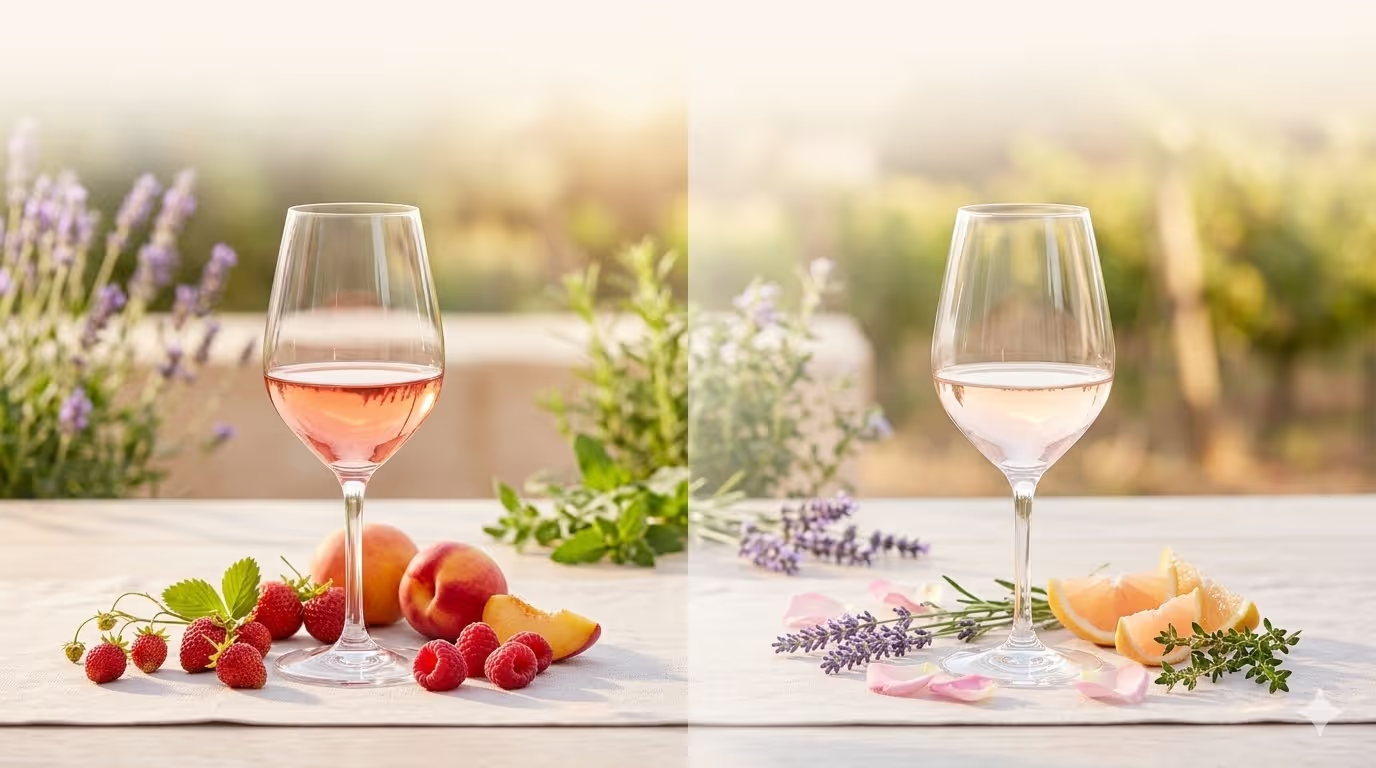
Grenache rosé tends to feel like summer fruit you can smell from across the kitchen. Think strawberry, watermelon, sometimes a hint of citrus peel. It's still meant to be refreshing, but it often lands a little rounder than very pale rosés.
That roundness matters in real life. It makes Grenache a great answer when food has char, smoke, or spice. Grilled chicken thighs, shrimp tacos, turkey burgers, even a salty bag of chips with lime all tend to click. If you're building a practical wine pairing guide, that's the headline: Grenache rosé plays well with "loud" flavors.
When you see tasting language and your brain blanks, here are wine tasting notes explained in plain terms:
- "Strawberry" usually means it'll feel friendly and not sharp.
- "Watermelon" often means it'll taste juicy but still dry.
- "Crisp" means it cleans your mouth like cold sparkling water.
If you're newer to wine, Grenache rosé is also a low-stress way to start because it tastes familiar. The beginner-friendly Grenache Rosé guide breaks down what to look for without turning it into homework.

Photo by Natalie Bond
One more helpful cue: if the rosé looks a bit deeper pink, it often tastes a bit more "berry." That's not a rule, but it's a useful nudge when labels all blur together.
Provence blends: the "pale, crisp, salty-snack" pick
Provence-style rosé (often a blend) is the glass you want when the weather's hot and the food is light. It's usually pale, dry, and brisk. The vibe is less fruit bowl, more chilled cucumber water with a squeeze of lemon.
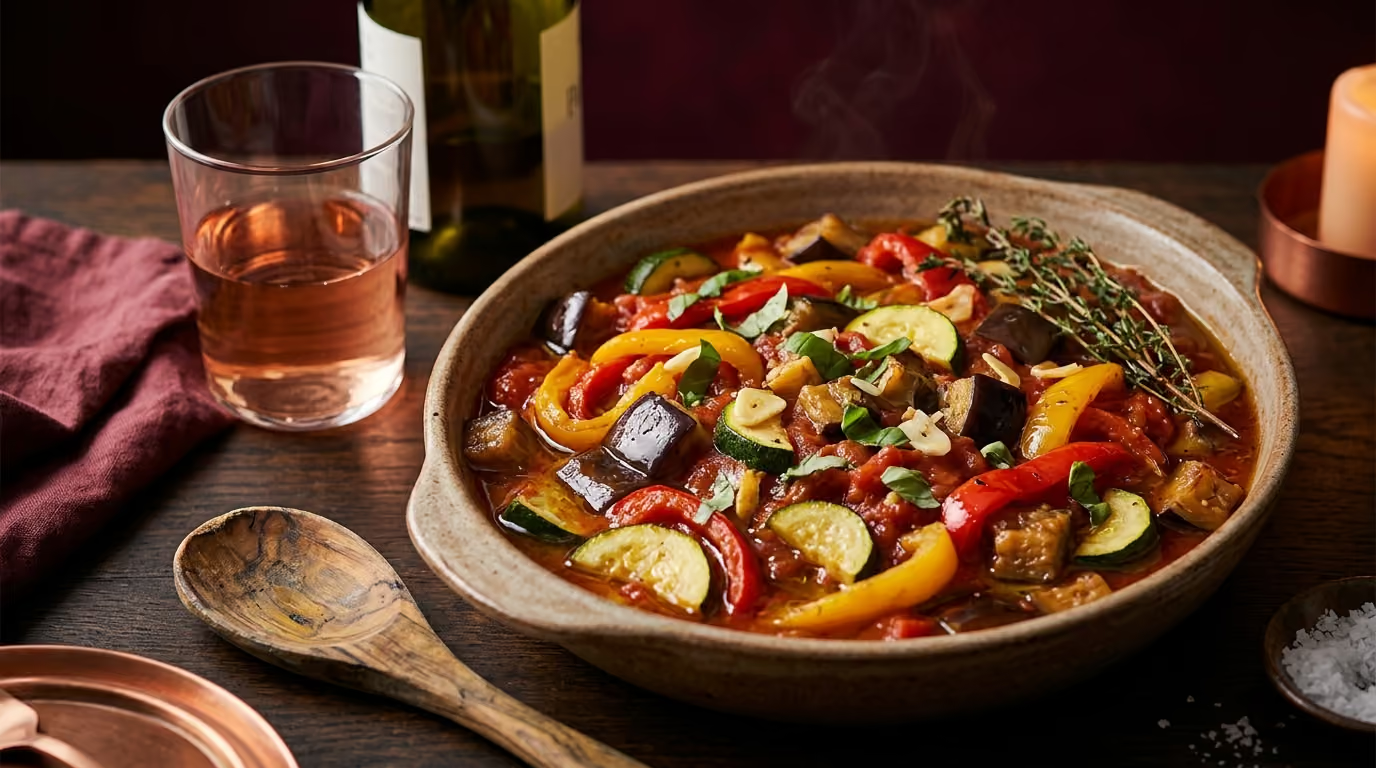
This style shines with seafood, sushi, goat cheese salads, and anything salty. It also works when you don't know what everyone likes, because it rarely feels sweet or heavy. If your group is a mix of "I like whites" and "I like reds," Provence blends often land right in the middle. The same bottle handles the region's own cooking, which is why a dry Provence rosé with ratatouille is the classic match.
For extra context on why Provence tastes like it does, see what sets Provence rosé apart. You don't need the details to buy a bottle, but it's reassuring when you want a quick gut-check.
Now the in-the-moment part: restaurant wine tips for Provence rosé are almost boring, and that's good. Ask for "a dry Provence rosé, crisp, not fruity." If you're staring at a long list, scan for words like "dry," "fresh," "citrus," and "mineral." Those are the only wine list tips you need when the server's waiting.
At home, Provence is also a quiet hero for weeknight food. If dinner is a mix of roasted vegetables plus whatever protein you found, a dry rosé usually behaves. This idea shows up clearly in dry rosé for sheet-pan dinners, which is basically permission to stop overthinking Tuesday night.
The face-off in real life (3 summer moments)
Summer choices aren't theoretical. They're sweaty hands, a melting bag of ice, and someone saying, "Just pick one."
Picnic with chips, fruit, and deli salads: Provence blends tend to win because they're crisp with salty snacks and still fine with fruit. They also taste great very cold, even from a cooler.
Grilling night with spice or smoky char: grenache rosé often wins because the fruit holds up to the grill. It's like adding a squeeze of lime to tacos, it doesn't steal the show, it makes the whole bite pop.
Ordering rosé on a patio when you're unsure: choose based on your mood. Want something that drinks like a bright white? Go Provence. Want something that feels a touch more "juicy"? Go Grenache.
If you want the decision made faster, this is exactly where an AI wine assistant helps. Instead of guessing, you can ask for smart wine recommendations based on what you're eating, what you usually like, and your budget. That's what personalized wine recommendations are for: less noise, more confidence. The best part is how it narrows to smart wine picks you'd actually enjoy, with personalized wine picks that fit the moment, plus quick wine app suggestions when you're standing in front of a shelf.
If you want help choosing wine in the moment, Sommy (https://www.sommy.ai) gives clear wine recommendations in plain language, like having friendly wine advice in your pocket, built for real dinners and real menus. It's practical everyday wine advice, not a lecture.
Conclusion
Grenache rosé and Provence blends both taste like summer, they just tell different stories. Pick Grenache when you want fruit that can stand up to spice and the grill. Pick Provence when you want pale, crisp refreshment that works with almost anything. Once you choose the vibe, the rest gets easier, and grenache rosé stops feeling like a high-stakes decision.