

Grand Cru is a French term for a region’s highest-quality vineyard sites, and in Alsace there are 51 designated Grand Cru appellations. When you see it on a menu, you’re looking at a top-tier bottle that will usually cost more, but it also gives you a strong quality signal when you need to choose fast.
You’re at dinner. The wine list lands. Someone slides it toward you like you’ve secretly trained for this moment.
Then you see Grand Cru.
Your brain does what many brains do. It starts asking the wrong questions. Is it a grape? A producer? A luxury word restaurants use to justify a painful markup? Are you supposed to know it already?
You don’t need to memorize wine theory to handle this well. You just need one calm idea to hold onto: Grand Cru usually means the wine comes from a place with top status. That doesn’t mean you must order it. It means you’ve found a useful clue.
If you want more help decoding a restaurant list under pressure, Sommy’s guide on how to read a wine list without panicking is a good companion. For now, let’s keep it simple and practical.
That Moment You See ‘Grand Cru’ on a Menu
A lot of wine stress comes from the fear of choosing something “wrong” in public. Not bad. Wrong. Too cheap, too flashy, too obscure, too safe.
“Grand Cru” tends to trigger that feeling because it looks important.
It is important. Just not in the scary way people think.
What the word is telling you
If a menu shows a bottle labeled Grand Cru, the restaurant is signaling that the wine comes from a top-tier classified site. That’s useful. It tells you the bottle probably wasn’t placed on the list as filler.
You can treat it like a shortcut.
Not a promise that you’ll love it. Not a command to spend more. Just a shortcut.
Practical rule: Read “Grand Cru” as “special site, serious bottle, pause before ordering.”
That pause matters because some nights call for a memorable bottle and some nights don’t. If it’s an anniversary, a business dinner, or the one bottle the whole table will talk about, a Grand Cru can be exactly the right move. If you just want something easy with burgers and fries, it may be unnecessary.
The mistake people make
It's often believed that wine confidence comes from knowing everything on the page. It doesn’t.
Wine confidence comes from spotting a few signals and using them well. “Grand Cru” is one of those signals. It tells you you’re not looking at random wine. You’re looking at a bottle with pedigree attached to place.
That’s enough to move from panic to a decision.
Here’s the friend-version advice: if you see Grand Cru and the price makes sense for the moment, keep it on your shortlist. If the price makes you tense, skip it without guilt. The label is a clue, not a test.
What Grand Cru Actually Means for Your Wine Choice
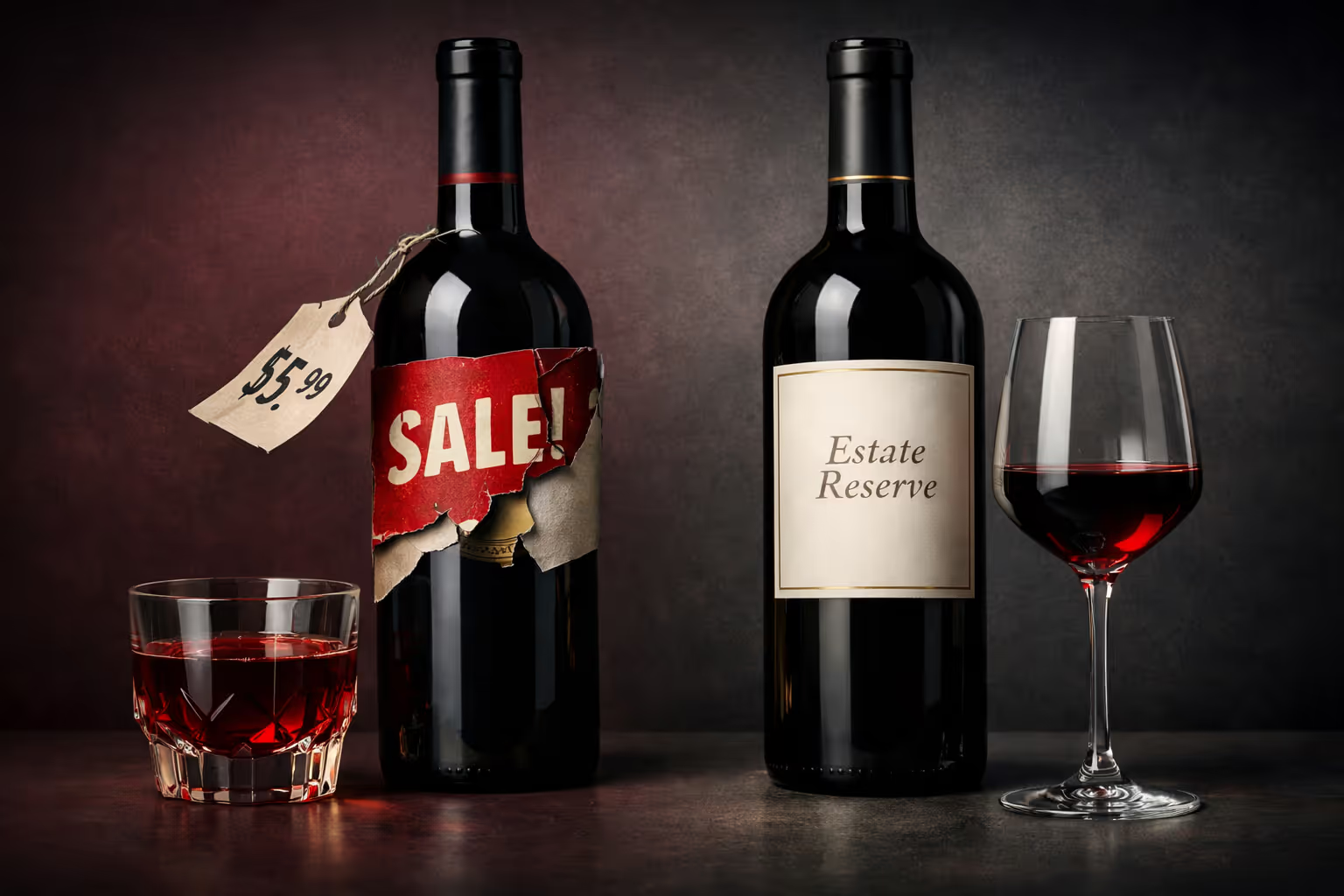
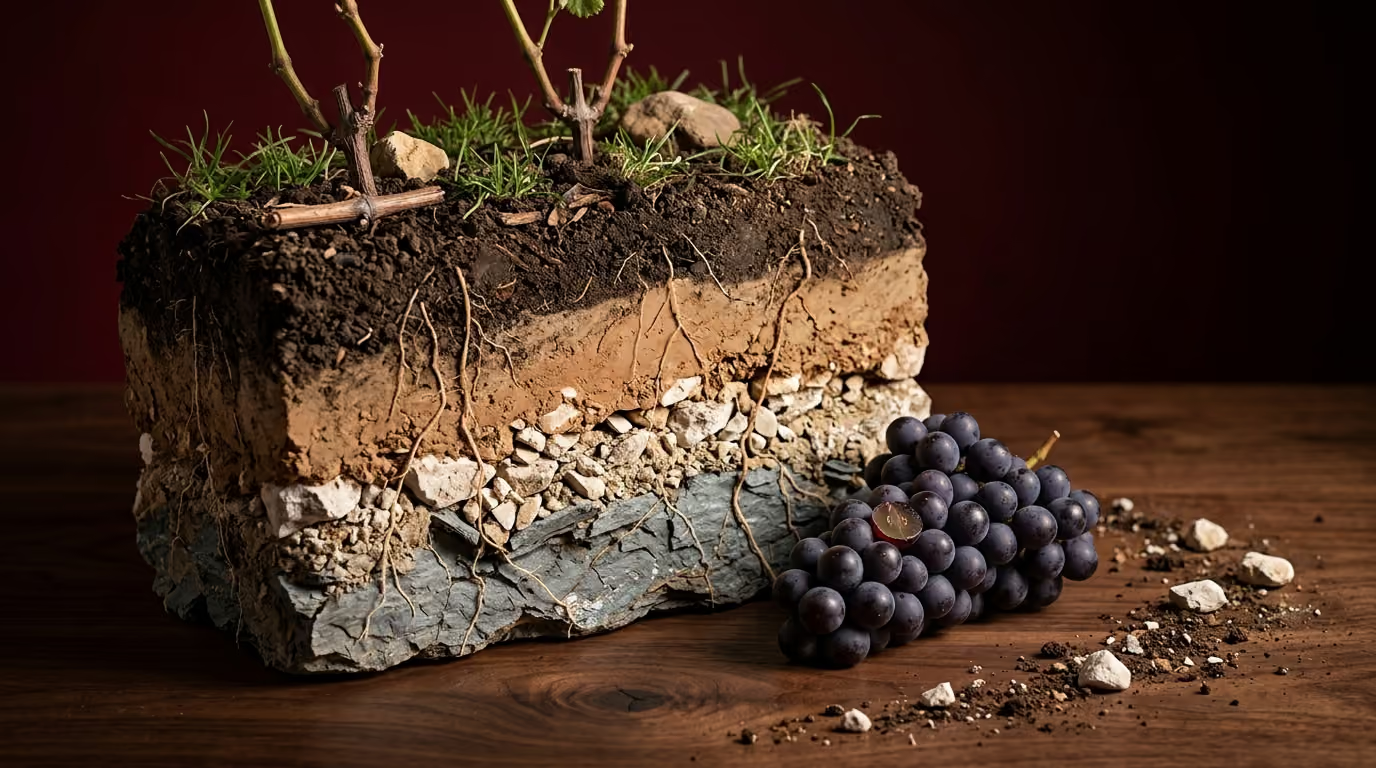
Think of Grand Cru like premium real estate for grapes. Same region, same broad style, but one patch of land has the best exposure, the best soil, and the strongest reputation for making memorable wine.
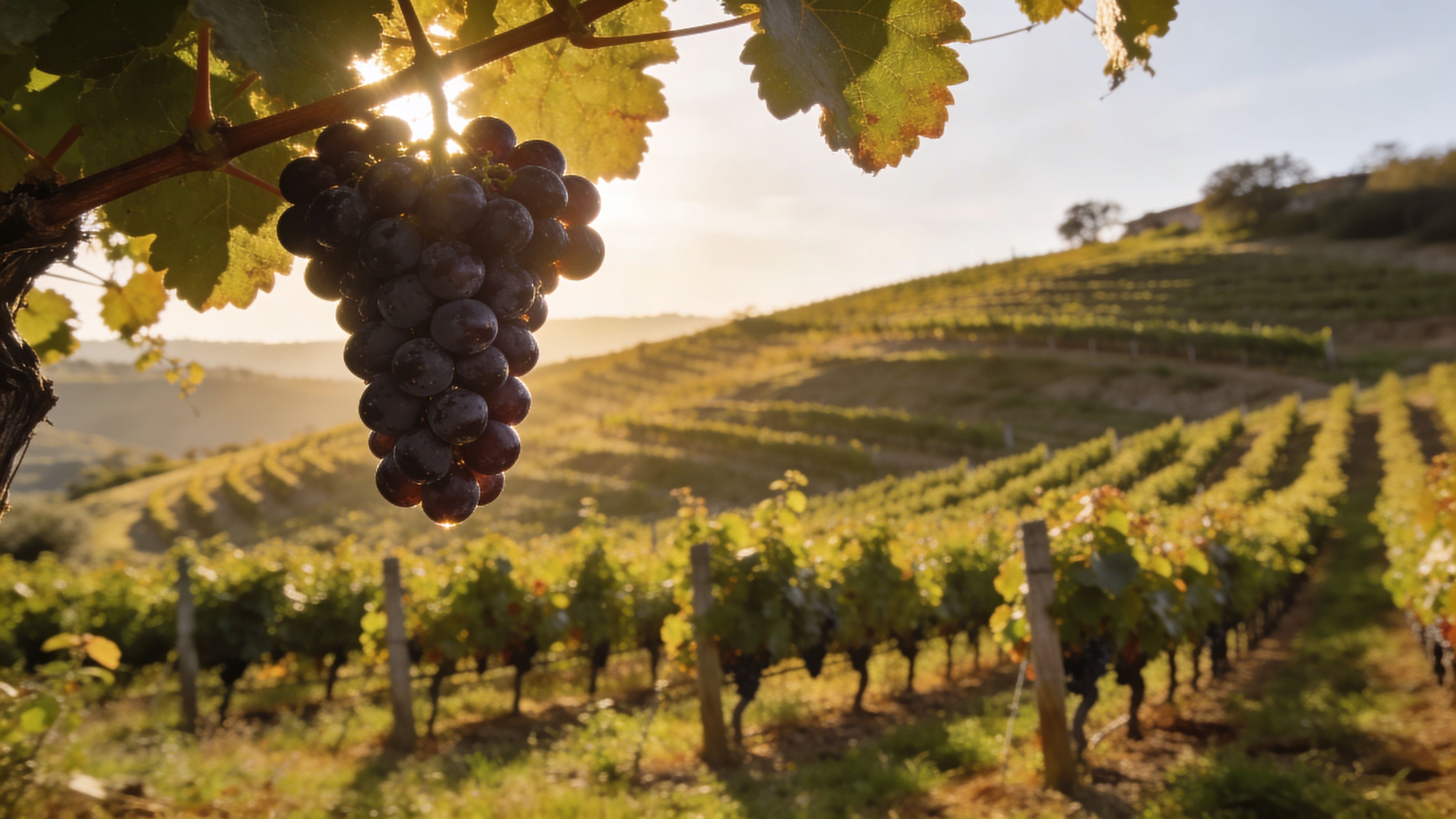
That’s the part worth knowing. Grand Cru is about place, not hype.
It’s not a brand name
A lot of people assume Grand Cru is a producer or a luxury label. It isn’t. It comes from French wine classification.
In Alsace, for example, there are 51 designated Grand Cru appellations, and those sites make up only about 5% of the region’s total vineyard area. Wines from those sites often retail for 20-50% more than standard Alsace wines, which tells you exactly why the term shows up with higher prices on lists and shelves (Alsace Grand Cru overview)).
That higher price isn’t random. You’re paying for a specific place with stricter expectations attached to it.
What you’re really paying for
You’re not paying for a fancier font.
You’re paying for the idea that one site has a stronger track record than the land around it. In practical terms, that means more care, more identity, and often a wine that feels more distinct when you drink it.
If you’ve ever looked at a label and felt lost, Sommy’s article on how to read wine labels without overthinking them helps turn that information into a quick choice.
A short visual can also help make the term feel less abstract:
A simple way to use the label
When you’re choosing under pressure, use Grand Cru like this:
- If you want a safer splurge: Keep the Grand Cru bottle in play.
- If you want everyday value: Look one tier below and move on.
- If you want something memorable: Grand Cru is often where lists hide their “talk about it later” bottles.
Grand Cru doesn’t mean “buy me.” It means “I’m probably important enough to consider.”
That’s the mindset shift. You don’t need to become impressed by the term. You just need to understand what signal it sends.
How Grand Cru Varies in Famous Wine Regions
The phrase stays the same, but the way regions use it isn’t identical. That’s where people get tripped up.
You don’t need to memorize laws. You just need to know how to read the label in context.
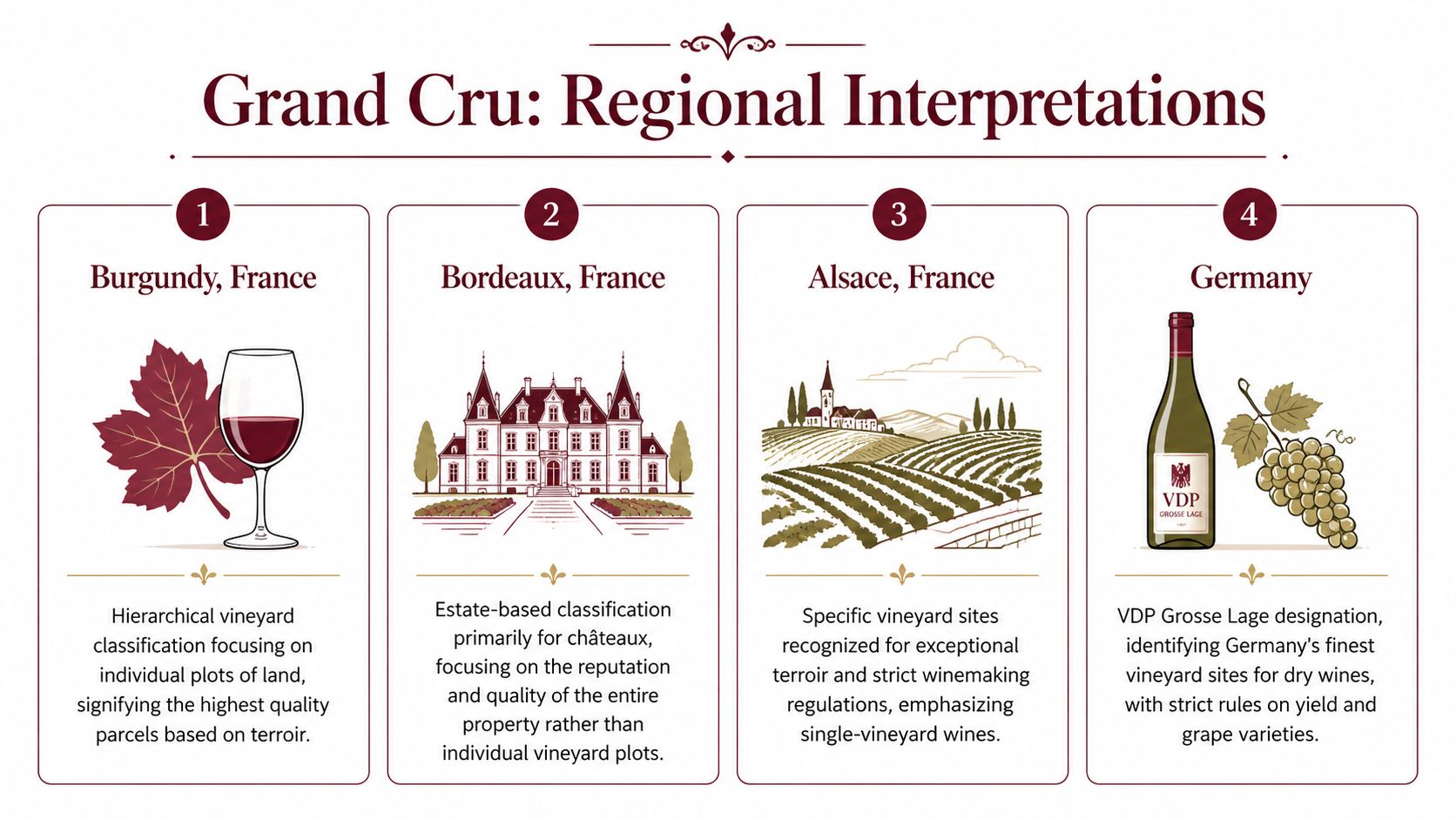
Burgundy feels the most exact
In Burgundy, Grand Cru usually points to a very specific vineyard. That’s why Burgundy bottles can look so intimidating. The site matters enormously.
According to Wine-Searcher’s overview of what makes Grand Cru great, Burgundy has 31 Grand Cru vineyards, and tiny sites such as La Romanée at 0.84 hectares show how narrow and precise the classification can be. The same source notes that Burgundy’s Grand Cru vineyards are their own AOCs, and maximum yields of 25-40 hl/ha help concentrate flavor.
What you need to know at dinner is much simpler than that legal detail.
If you see Grand Cru Burgundy, expect the bottle to be serious, site-driven, and often expensive. Order it when the occasion deserves focus and budget isn’t your main concern.
Champagne uses the idea differently
In Champagne, the term often connects more closely with village prestige than with one tiny vineyard on a label. For you, the takeaway is easy: Grand Cru Champagne usually signals a sharper, more focused, more age-worthy style.
That matters because people often assume all Champagne is interchangeable. It isn’t.
A Grand Cru Champagne can feel more precise and more structured. If you’re ordering oysters, shellfish, or a simple elegant starter, that extra tension can make the whole pairing feel cleaner and more intentional.
If you want one bottle for the table and don’t want to overexplain your choice, Grand Cru Champagne is a strong answer.
Alsace is easier to read than people think
Alsace is friendlier than it looks because the bottle usually tells you the grape as well as the site. So instead of decoding a mystery, you’re often seeing a grape name plus Grand Cru status.
That gives you a practical advantage.
If you already know you tend to like fresher whites, aromatic whites, or fuller white wines with dinner, Alsace can be less stressful than Burgundy. You’re getting the quality signal and a more readable label.
What to remember without studying
Here’s the version worth keeping in your head:
| Region | What Grand Cru usually signals | What you should do |
|---|---|---|
| Burgundy | A specific top vineyard | Choose it for a serious meal or special bottle moment |
| Champagne | Top-origin sparkling with more focus and aging potential | Great for elegant shared starts or celebratory dinners |
| Alsace | A top vineyard, often with the grape named clearly | Easier choice when you want a white but still want something special |
The details change by region. The useful meaning doesn’t. Grand Cru still means top-tier origin.
Clearing Up a Common Point of Confusion
Here’s where searches for grand cru selections can get messy.
Grand Cru is a wine classification term. Grand Cru Selections is also the name of a wine importer in the United States. Same words. Different thing entirely.
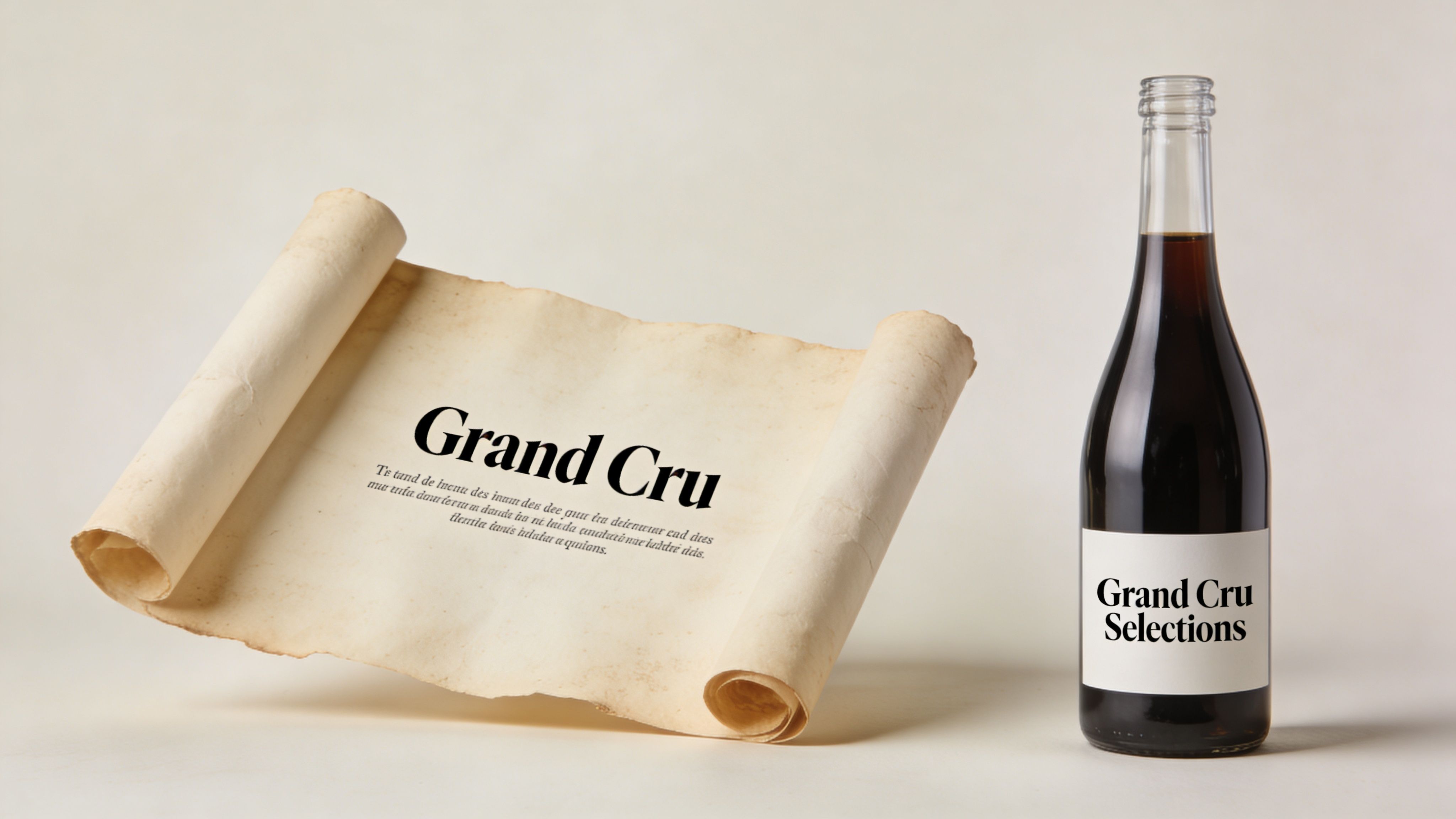
The company is not the classification
Grand Cru Selections is a New York City-based importer and distributor founded in 2010. It has a team of 25-33 employees and works with winemakers from 10 countries while distributing niche wines in markets such as New York, New Jersey, and California, according to its company profile.
That means the company brings wines into the market. It does not mean every bottle it handles is legally classified as Grand Cru.
That’s the key distinction.
Why that matters when you’re choosing
If you’re browsing a shop, restaurant list, or search results, don’t assume “Grand Cru Selections” on a website or supplier page means every wine in front of you is Grand Cru.
Some may be. Some won’t be.
The company name can make things look more complicated than they are, especially if you’re already trying to choose quickly. Keep the categories separate:
- Grand Cru means a top classified vineyard or origin in certain wine systems.
- Grand Cru Selections means a specific importer.
- A bottle in their portfolio might be Grand Cru, or it might be a different high-quality wine.
If you’re tired of wine decisions being shaped by prestige cues instead of what you’ll enjoy, Sommy’s article on how to choose wine without ratings is worth reading.
The easiest fix is simple. Read “Grand Cru” on the label as a classification term. Read “Grand Cru Selections” as a company name.
Once you separate those two ideas, a lot of confusion disappears.
Is a Grand Cru Wine Worth the Price for You
Usually, yes. But only when the moment fits.
That’s my opinion, and I think it’s the most useful one. A Grand Cru is not automatically a smart buy. It’s a smart buy when you want the bottle to do more than just be competent.
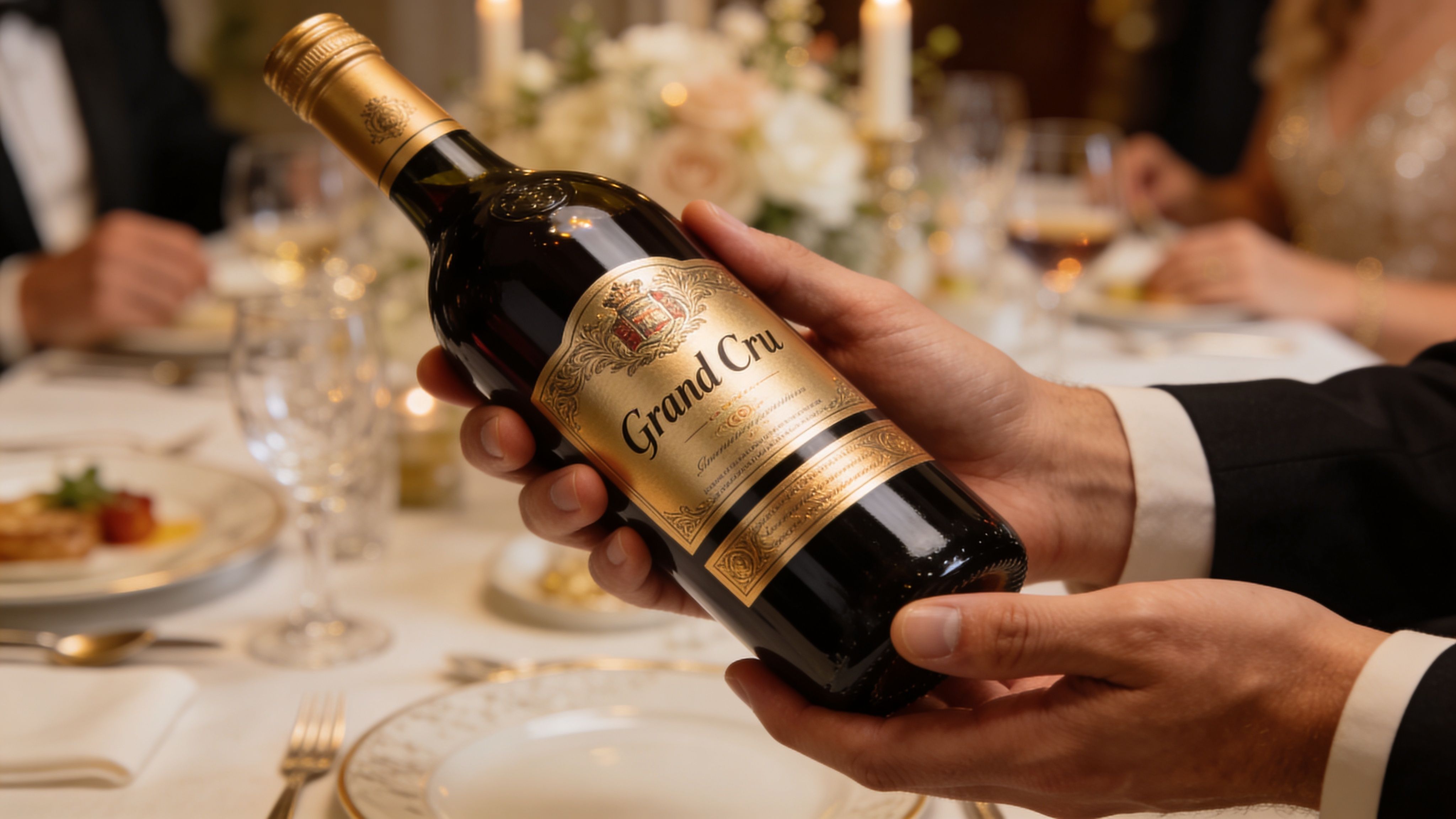
Why the price climbs
A lot of the cost comes from the work and the site.
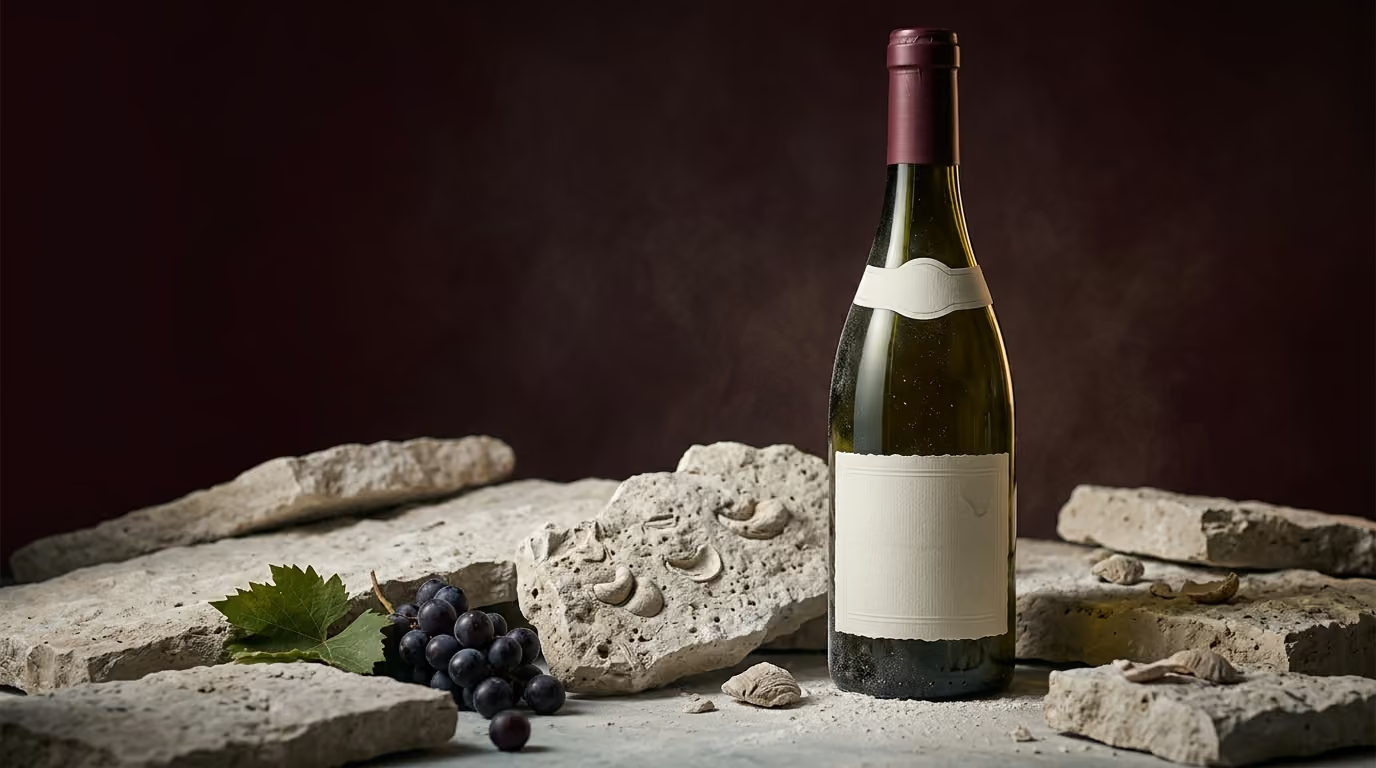
For Champagne Grand Cru wines from villages such as Le Mesnil-sur-Oger, pure chalk soils help create tension and longevity, and producers may use techniques such as extensive lees aging for 60 months and blocking certain fermentations to preserve freshness and structure, as described in Grand Cru Selections’ producer page on Michel Gonet.
You don’t need to remember the technical parts. The practical point is enough: more site prestige plus more careful production often means a higher price tag.
A quick decision filter
Ask yourself three questions.
1. What kind of night is this
If it’s a birthday dinner, milestone meal, gift, or a bottle you want people to remember, a Grand Cru can be worth the spend. It gives the night a center of gravity.
If it’s takeout and a movie, save the money.
2. Do you want certainty or adventure
A Grand Cru often buys you confidence. Not certainty of taste, but confidence that the bottle has a serious quality story behind it.
That can be worth paying for when you don’t want to gamble.
3. Will the table care
Some bottles are wasted on the wrong setting. That sounds harsh, but it’s true.
If everyone at the table just wants “red” or “something dry,” don’t force a luxury wine moment. Pick something easier and relax. If the group is leaning in, paying attention, and sharing dishes, a Grand Cru can feel very worth it.
My take: Spend up on Grand Cru for meaning, not for status.
When I’d say yes and when I’d say no
| Situation | My advice |
|---|---|
| Anniversary dinner | Yes, keep Grand Cru on the shortlist |
| Client dinner where you want one confident bottle | Yes, if the budget allows |
| Casual weeknight meal | No, probably unnecessary |
| Big group with mixed tastes | Usually no, unless one person is hosting and wants to anchor the meal with a special bottle |
If you’re shopping and trying to balance quality with budget, Sommy’s post on finding best value wine and liquor choices can help you think more clearly.
The right question isn’t “Is Grand Cru worth it?” The right question is “Is Grand Cru worth it for this moment?”
Simple Tips for Pairing and Serving a Grand Cru
Once you’ve chosen the bottle, don’t create a second round of stress by trying to “perform” wine service.
You don’t need a ritual. You need a few calm choices.
Pair simply, not cleverly
Special wines usually show better with simpler food. Don’t try to outsmart the bottle.
If it’s a fresher white Grand Cru, think seafood, roast chicken, or dishes that aren’t covered in heavy sauce. If it’s a red, think roasted meats, mushrooms, or something savory and straightforward.
One practical example helps here. Consumer-facing pairing advice is often sparse around importer portfolios, even though questions like how Monteraponi Chianti Classico works with lamb come up naturally for diners, as noted on the Grand Cru Selections national portfolio page. My answer is simple: lamb is a strong match because the wine has enough presence for it.
Serve it a little less cold than you think
Cold hides flavor.
If it’s a white, don’t pour it straight from an icy fridge and expect it to charm anyone. If it’s a red, don’t let it get warm and flat on the table. Aim for the middle. Cool, not cold. Fresh, not icy.
Don’t overthink the glass
Use a decent wine glass with enough room to swirl. That’s enough.
- Skip perfectionism: You don’t need special stemware.
- Let the wine open: Give it a few minutes in the glass before judging it.
- Taste before ordering food around it: A sip first will tell you whether the wine wants lighter or richer dishes.
Good pairing is not about rules. It’s about not fighting the bottle.
That mindset keeps the whole thing enjoyable.
Find Your Perfect Grand Cru with Sommy
Knowing what Grand Cru means is helpful. Knowing whether it fits your taste, budget, and dinner is what solves the problem.
That’s where most wine advice falls short. It explains terms but leaves you alone at the exact moment you need a decision.
Use it in the moment, not later
At a restaurant, the hard part isn’t defining Grand Cru. The hard part is deciding between two expensive bottles while people wait.
A quiet decision assistant is more useful than a stack of wine facts. Sommy is built for that moment. You can scan a wine list, shelf, or menu, then ask plain questions like what fits lamb, what matches your budget, or what feels similar to a bottle you liked before.
That keeps the decision grounded in your taste, not in somebody else’s performance.
It gets more useful as it learns you
The aim isn't to become a wine expert. It's to stop repeating bad guesses.
Sommy works better over time because it learns what you enjoy. If you tend to like fresher whites, softer reds, or bottles that feel worth the price without feeling flashy, it can use that memory to narrow the field.
If you want to understand that part better, read Sommy’s guide on how to train an AI wine palate to match your taste.
Why it matters for grand cru selections
Grand cru selections can create pressure because they look important and often cost more. That’s exactly when personalized help matters most.
Instead of asking “What does this term mean?” you can ask better questions:
- Will I probably like this?
- Is it worth the extra money tonight?
- What on this list gives me a similar feeling for less?
- Which bottle works for the food on our table, not just my plate?
Those are the questions that reduce stress.
And that’s really the point. Wine gets confusing when people feel they’re being judged. The fastest path back to confidence is a tool that helps you decide without putting on a show.
If you want help choosing wine in the moment, that’s exactly what Sommy.ai is for. It can scan a list, match bottles to your taste and meal, and help you decide whether a Grand Cru is the right move or just an expensive distraction.