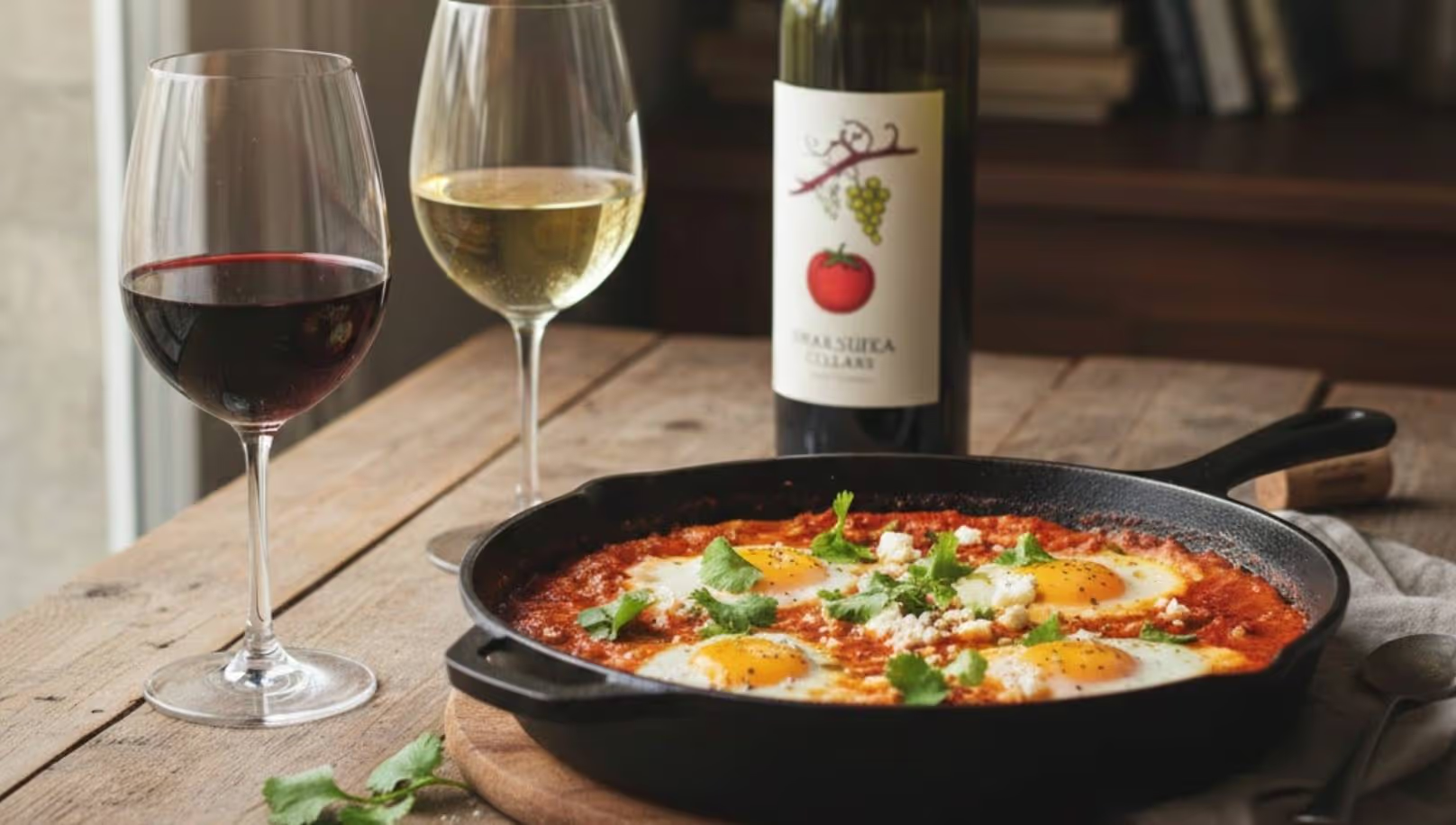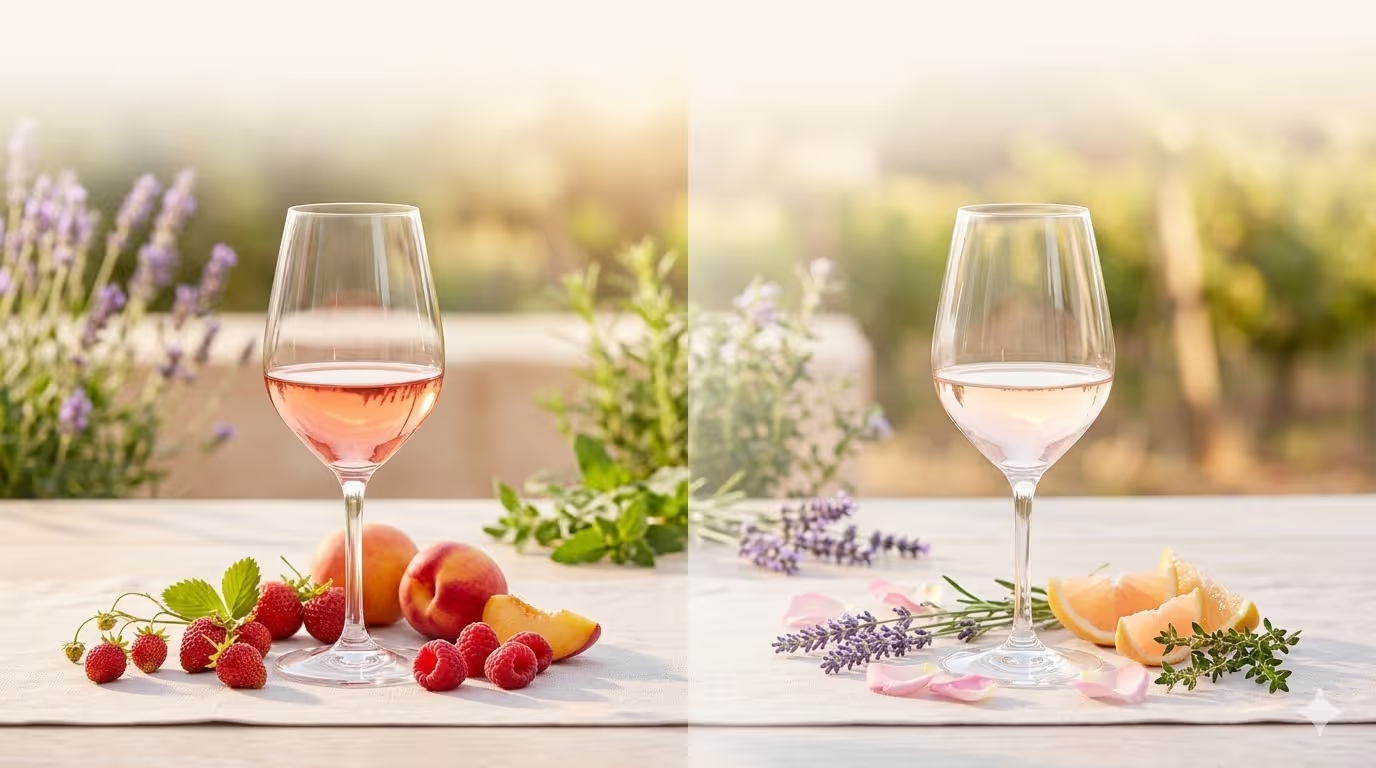
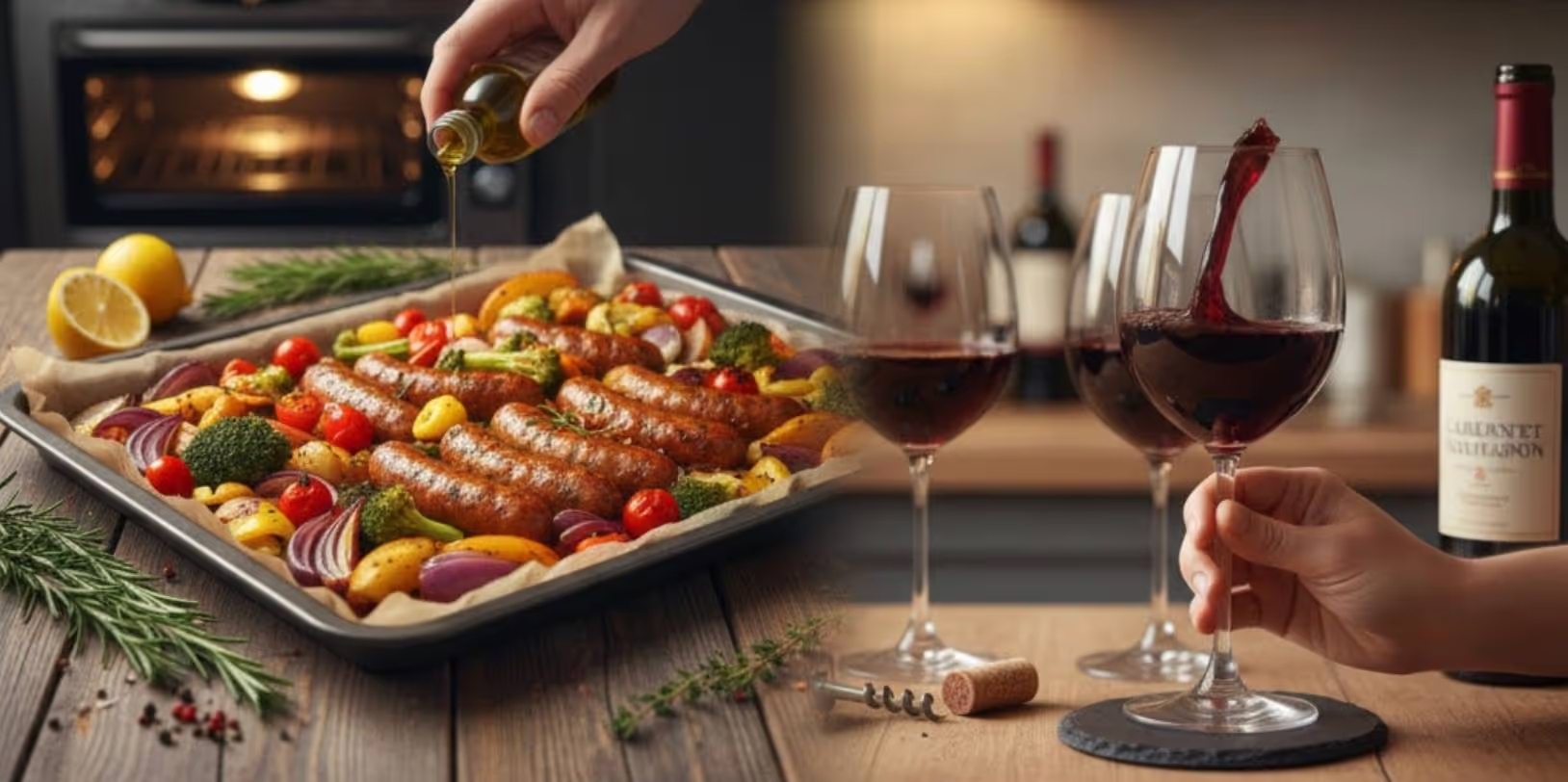

If you want one bottle that won’t fight your sheet pan, choose a dry rosé. Chill it, pour it, and it’ll handle roasted chicken and veggies, sausage and peppers, and crispy tofu without drama.
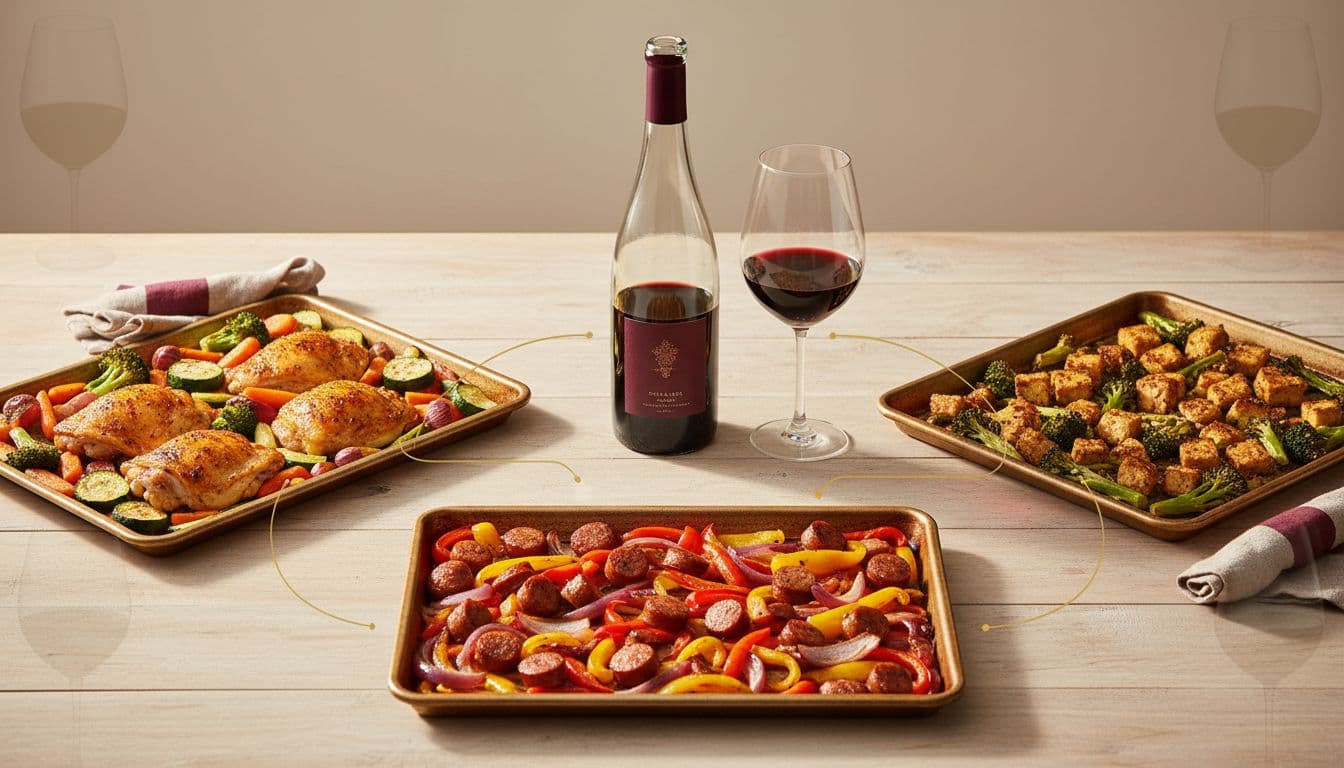
That’s the whole sheet pan wine pairing idea in one move: pick a wine that’s fresh, not too heavy, and friendly with both meat and vegetables. The rest is just small tweaks that keep you confident, even when dinner changes midweek.
The one-bottle answer: dry rosé (served cold)
A good dry rosé is the weeknight “yes” wine. It has enough fruit to feel cozy, enough crispness to feel clean, and it doesn’t have the mouth-drying grip that can clash with roasted vegetables or tofu.
Here’s wine explained simply: sheet-pan dinners have two big forces, caramelized edges (browned, sweet-savory) and seasoning (herbs, pepper, spice). Dry rosé meets both because it’s bright and juicy, but not sugary.
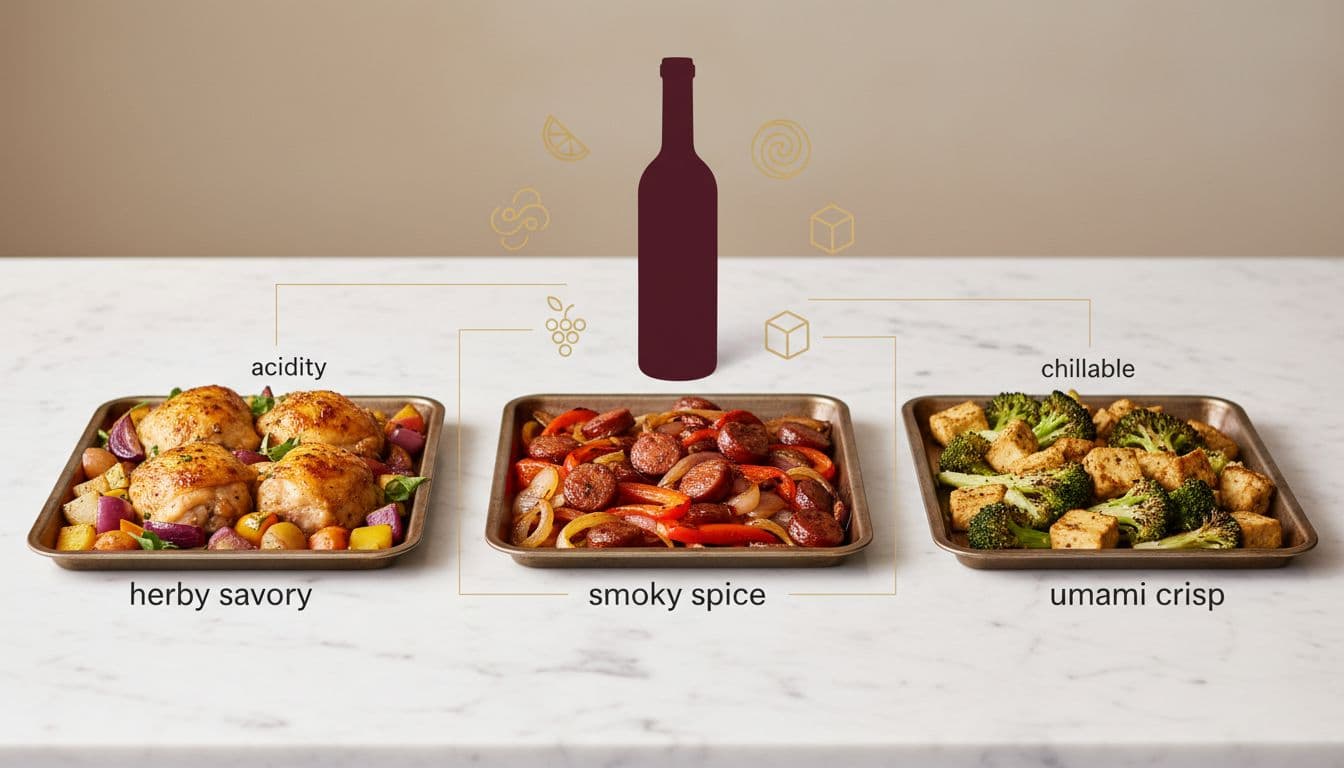
Think of this as your quick wine pairing guide for the three trays you named:
| Sheet-pan dinner | What it tastes like | Why dry rosé works |
|---|---|---|
| Chicken + roasted veggies | herby, savory, browned edges | rosé refreshes the roast flavors without feeling heavy |
| Sausage + peppers + onions | salty, smoky, sometimes spicy | rosé cools the heat and plays well with pepper sweetness |
| Crispy tofu + veg | crisp, savory, sauce-driven | rosé stays lively next to soy, citrus, garlic, or chili |
This is also where wine tasting notes explained can stop sounding like homework. If a label or menu says “fresh,” “crisp,” or “bright,” that usually means it won’t feel flat next to roasted food. If it says “dry,” that means it won’t turn peppers sweet or make tofu sauce taste sticky.
A few simple wine tips that keep this bottle working across all three meals:
- Keep it cold, like fridge-cold, then let it warm a few minutes in the glass.
- If the sausage is spicy, colder is better.
- If the chicken is very lemony or herb-heavy, rosé still fits, it just tastes extra clean.
These are the kinds of clear wine recommendations that save you from overthinking.
How to choose wine fast (store aisle or wine list)
Most people don’t need more options, they need a calmer decision. This is the simplest way to answer how to choose wine for sheet-pan night.
Grocery store wine picks that don’t require homework
Use this as beginner-friendly wine advice when you’re standing under bright lights with 400 bottles staring back.
- Look for the word “dry” on the shelf tag or label when possible.
- Aim for a mid-priced bottle you’d be fine opening on a Tuesday.
- Avoid anything marketed as “sweet” or “dessert-like.” It can make peppers taste candied.
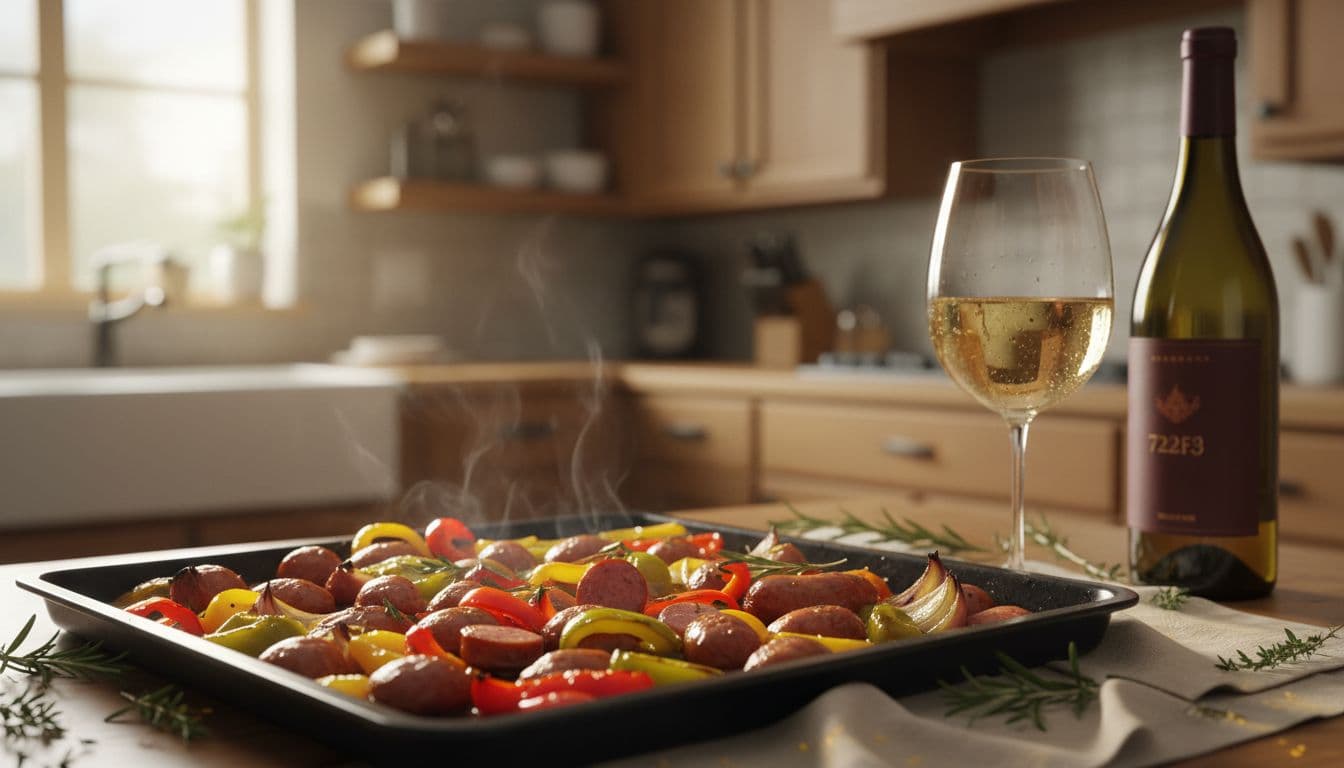
If you want a recipe reference while you shop, picture your tray like this sausage and peppers sheet-pan version or a tofu tray like this sheet-pan tofu dinner. If those sound good, dry rosé is a safe match.
Restaurant wine tips (and wine list tips) for the same “one bottle” goal
If you’re out, you can still use the same sheet pan wine pairing logic, even if the food isn’t literally on a tray.
Try these restaurant wine tips that work on almost any list:
- Ask for “a dry rosé that’s crisp, not sweet.”
- If they offer it by the glass, ask for a taste. You’re checking for dry and refreshing.
- If rosé isn’t available, your back-up is a light, not-too-tannic red served a bit cool.
That last line is part of a beginner wine guide that many people learn the hard way. Big, heavy reds can make peppers taste bitter and can push tofu into “muddy” flavors.
For extra confidence, use a credible pairing reference when you’re curious, like Wine Spectator’s poultry recipe pairing ideas. Not to memorize, just to see you’re not alone choosing lighter, fresher styles for chicken.
Make it personal: tiny tweaks based on what you like
The best wine recommendations don’t come from rules, they come from your taste. This is your modern wine guide for making rosé feel like it was chosen on purpose.
Start with two quick preferences:
If you like brighter drinks (think lemonade, crunchy apples, spicy food): choose a rosé that tastes extra crisp and clean. This is where simple wine explanations help, crisp means it makes your mouth water.
If you like softer drinks (think ripe berries, sweeter cocktails, less bite): choose a rosé that feels rounder, more “strawberry” than “citrus.”
That’s it. You’ve now got everyday wine advice that actually matches you.
This is also where “smart” help earns its keep. A calm AI wine assistant can turn your preferences into smart wine recommendations without making you learn regions or grapes. When you’re juggling a wine aisle or a menu, that can mean personalized wine picks in seconds, not another 20 minutes of guessing.
If you want that kind of help in the moment, this is exactly what Sommy is for: personalized wine recommendations, smart wine picks, and practical wine app suggestions that don’t talk down to you. If you’re curious how scanning a label can cut decision stress, see a top-rated wine scanner app guide. It’s also a solid wine app for beginners, especially if you hate feeling stuck in front of the shelf. (Yes, it’s still a wine app for beginners even if you already drink wine.)
Conclusion
One bottle can cover your whole week of trays, dry rosé is the easiest answer. Keep it cold, keep it dry, and it’ll stay friendly with chicken, peppers, and tofu. When you want the decision to feel even easier, let an AI wine assistant turn your taste into calm, quick choices. What would weeknight dinner feel like if picking wine didn’t take any extra energy?