
Rosé wine tastes like fresh red fruit with a citrus edge and a clean, tart finish, so strawberry, raspberry, watermelon and pink grapefruit are the flavors people name most often. The great majority of rosé sold in the United States finishes dry rather than sweet, and the reason so many drinkers insist otherwise is that fruit reads as sugar even when there's almost none left in the glass. The Provence wine council's own tasting profile says exactly that, describing "a fruity sensation reminiscent of sugar although the wine is dry". Color won't tell you which kind you're holding, but the front label will, and that's the part nobody explains.
What does rosé wine taste like in the glass?
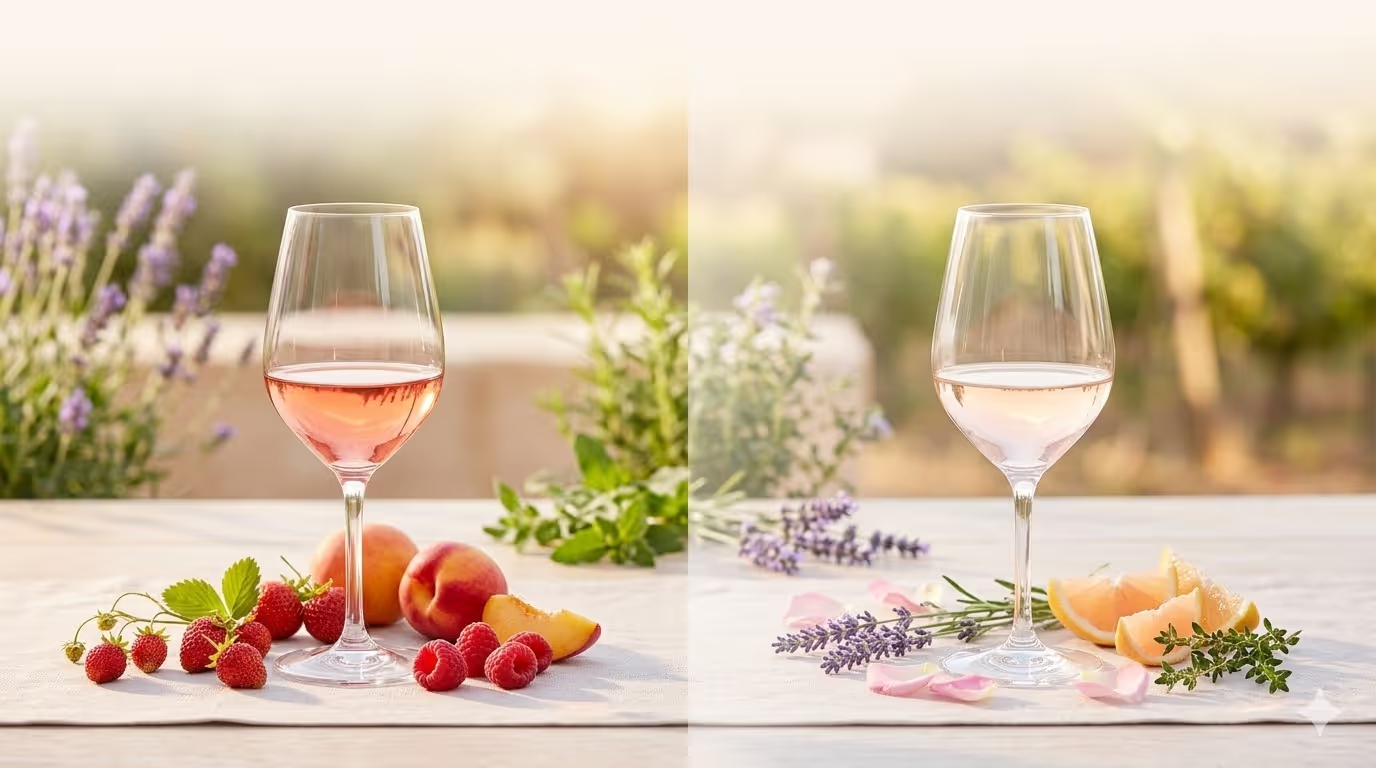
Rosé wine tastes of red berries and citrus over a light, refreshing body, with more acidity than sweetness and very little of the grip you get from a red. Strawberry and raspberry sit at the front on most bottles, watermelon and peach turn up on riper examples, and there's usually a grapefruit or blood-orange bitterness on the finish that keeps it from feeling like juice.
The Provence wine council describes the classic pale style through its research director, Gilles Masson of the Centre de Recherche et d'Expérimentation sur le Vin Rosé, as having "intense, fresh and generous fruit-forward flavours", a soft texture, and an "acidulous, refreshing taste" (Vins de Provence). That combination of loud fruit and sharp finish is the whole character of the category, and it's why rosé works as a hot-afternoon wine in a way that most whites don't quite manage.
Darker rosé is a different drink and tastes noticeably heavier. The producers' body for Tavel, the Rhône appellation that makes nothing but rosé, describes its wines as leading with "crisp raspberries, plump tasty strawberries", then moving into crushed strawberry, black cherry, violet and white flowers, and finishing on flint and spice (Syndicat AOC Tavel). Inter Rhône, the regional trade body, calls the same wines "complex, full-bodied, dense and aromatic" (Inter Rhône). If you've only ever had pale pink rosé, a glass of that will surprise you.
Body varies more than most people expect, and it varies more than flavor does. A Provence bottle feels light and almost weightless, a Spanish rosado sits somewhere in the middle, and a Tavel has enough weight to hold up against roast chicken. Alongside those, we have a fuller comparison of Grenache rosé and Provence blends if you want to go deeper on the two styles you'll meet most often.
Is rosé wine sweet or dry?
Most rosé is dry, and the sweet ones are a small, identifiable group rather than a random risk. The Provence wine council is blunt about the range that exists worldwide, saying that "there are dry rosés but also sweet, medium-sweet and sparkling rosés" (Vins de Provence), so both kinds are genuinely out there and the shelf mixes them together without warning you.
Dry rosé really is dry, and by a wider margin than the fruit suggests. A Provence AOP rosé carries less than 4 grams of residual sugar per liter, which is why Masson's description pairs that "sensation reminiscent of sugar" with the phrase "although the wine is dry" in the same sentence (Vins de Provence). Your tongue is reading ripe fruit aroma and interpreting it as sweetness, which is a normal thing for a palate to do and not a sign that you can't taste properly. We've written separately about what dry actually means on a wine label if you want the numbers across every wine style.
The genuinely sweet pink wines announce themselves by name. White Zinfandel, White Merlot, Pink Moscato and most bottles labeled blush are sweet on purpose, and their makers say so. Sutter Home leads its own White Zinfandel page with the words "Refreshingly Sweet" and describes the wine as "deliciously sweet with the essence of strawberry and melon" (Sutter Home). Nobody is hiding anything here, because the information sits on the front of the bottle in the style name, and it's simply not the part shoppers have been taught to read.
How can you tell if a rosé is sweet before you open it?
You can predict sweet from dry with the front label alone, and the style name is the single most reliable signal on the bottle. If it says White Zinfandel, White Merlot, Pink Moscato or blush, expect sweet. If it names a European region instead of a marketing style, expect dry.

The numbers back this up inside a single producer's range, which is the cleanest comparison available because everything else is held constant. Sutter Home publishes nutrition figures for its whole lineup at the same 5 ounce serving size, and its dry Rosé carries 4.00 grams of carbohydrates per glass while its White Zinfandel carries 8.30 grams, its White Merlot 10 grams and its Pink Moscato 13.00 grams (Sutter Home nutrition). In a finished wine those carbohydrates are overwhelmingly leftover grape sugar. Same winery, same color family, same shelf, and the sugar more than triples across four bottles that all look pink in the glass. The only thing that moved was the style name on the label.
Region is the second tell, and it's almost as dependable. A bottle from Côtes de Provence, Coteaux d'Aix-en-Provence, Coteaux Varois en Provence or Tavel is dry, because those appellations are built around dry wine. Spanish rosado from Rioja or Navarra and Italian rosato are made dry as a matter of course too. American bottles that simply say "Rosé" with a grape name, such as Rosé of Pinot Noir or Rosé of Grenache, are made in the dry European style almost without exception, since naming the grape that way is a deliberate signal about which tradition the winemaker is working in.
The back label settles anything the front leaves open. The words off-dry, semi-sweet and demi-sec all mean there's noticeable sugar, and a bottle that describes itself as crisp, dry or mineral is telling you the opposite. Reading those signals is a general skill worth having, and we've covered how to read a wine label end to end.
Does a paler rosé mean a drier wine?
No, and this is the most expensive myth in the category, because color and sweetness are set by two unrelated decisions in the winery. The Provence wine council explains the color half plainly: only the skins of black grapes hold pigment, the pulp that becomes the juice is colorless, so the color of a rosé depends on how long the skins and the juice stay in contact and at what temperature (Vins de Provence). Press the grapes immediately and you get a pale wine. Let the juice sit on the skins and you get a deeper one.

Sweetness is decided somewhere else entirely, by whether the fermentation is allowed to run until the yeast has eaten all the sugar or is stopped while some remains. A winemaker can pair either color choice with either sugar choice, and plenty do. Tavel gets its deep, luminous pink from cold maceration lasting between 12 and 24 hours (Syndicat AOC Tavel), which is a color decision and says nothing at all about sugar. Sutter Home's White Zinfandel is a pale pink wine that its maker sells on the promise of sweetness. One is dark and built like a light red, the other is pale and sweet, and between them they break the rule in both directions.
There's a related habit worth dropping, which is judging an older bottle by its color. Provence winemakers point out that as a rosé ages the color drifts from bright pink toward salmon, and the aromas broaden into spice, florals and riper fruit rather than fading (Vins de Provence). A slightly salmon-toned bottle from last year's vintage isn't a bottle going off.
What are the main types of rosé wine?
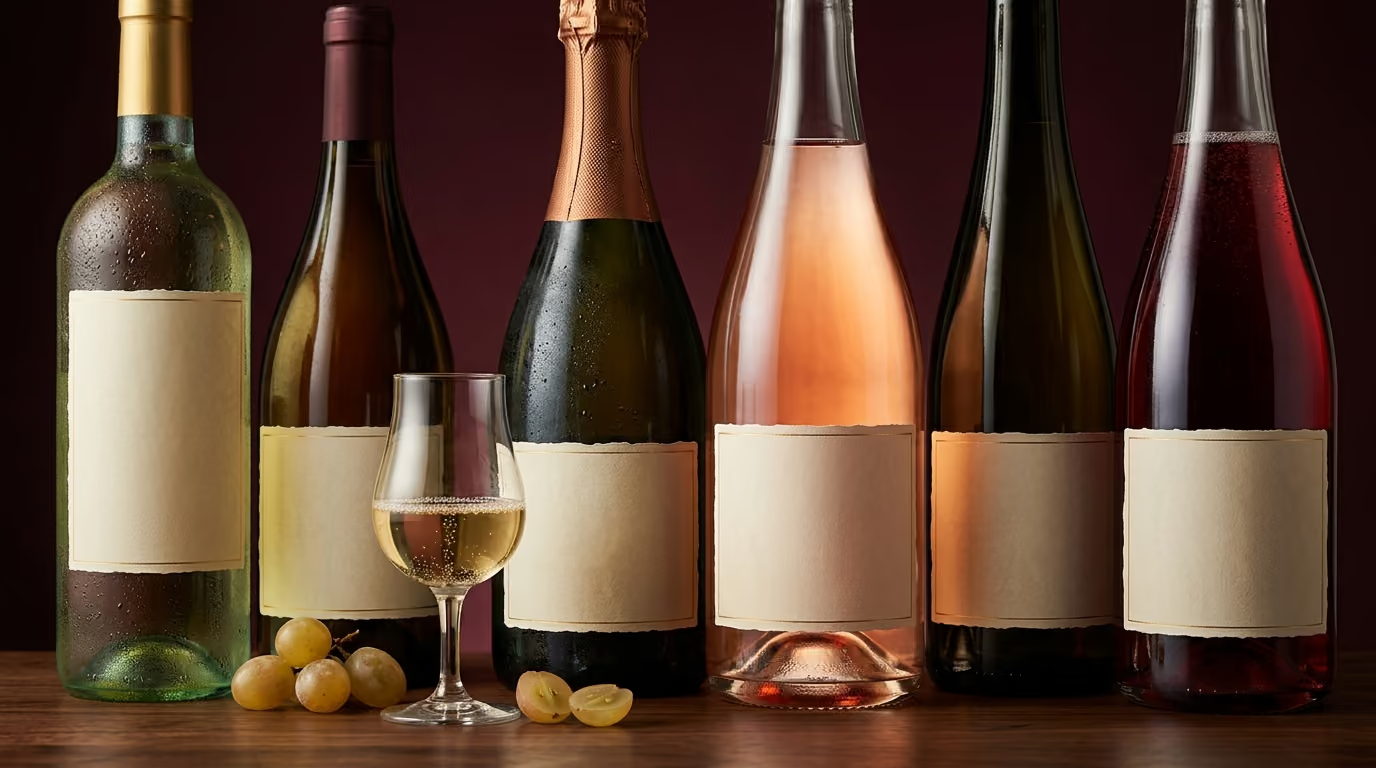
Rosé splits into roughly six styles that you'll actually meet in an American store, and they differ in color, weight and sweetness rather than in quality. Sorting yourself into one of these rows is faster than reading a hundred tasting notes.
| Style | Where it's from | Color | How it tastes | Sweet or dry |
|---|---|---|---|---|
| Provence rosé | Southern France | Very pale peach to pink | Strawberry, citrus, light and crisp | Dry |
| Tavel | Southern Rhône, France | Deep luminous pink | Raspberry, black cherry, flint, full-bodied | Dry |
| Spanish rosado | Rioja, Navarra | Medium pink to cherry | Riper red fruit, rounder, a little more weight | Dry |
| Italian rosato | Across Italy | Pale to medium | Tart red fruit, savory edge, brisk finish | Dry |
| White Zinfandel and blush | California | Pale to medium pink | Candied strawberry and melon, soft | Sweet |
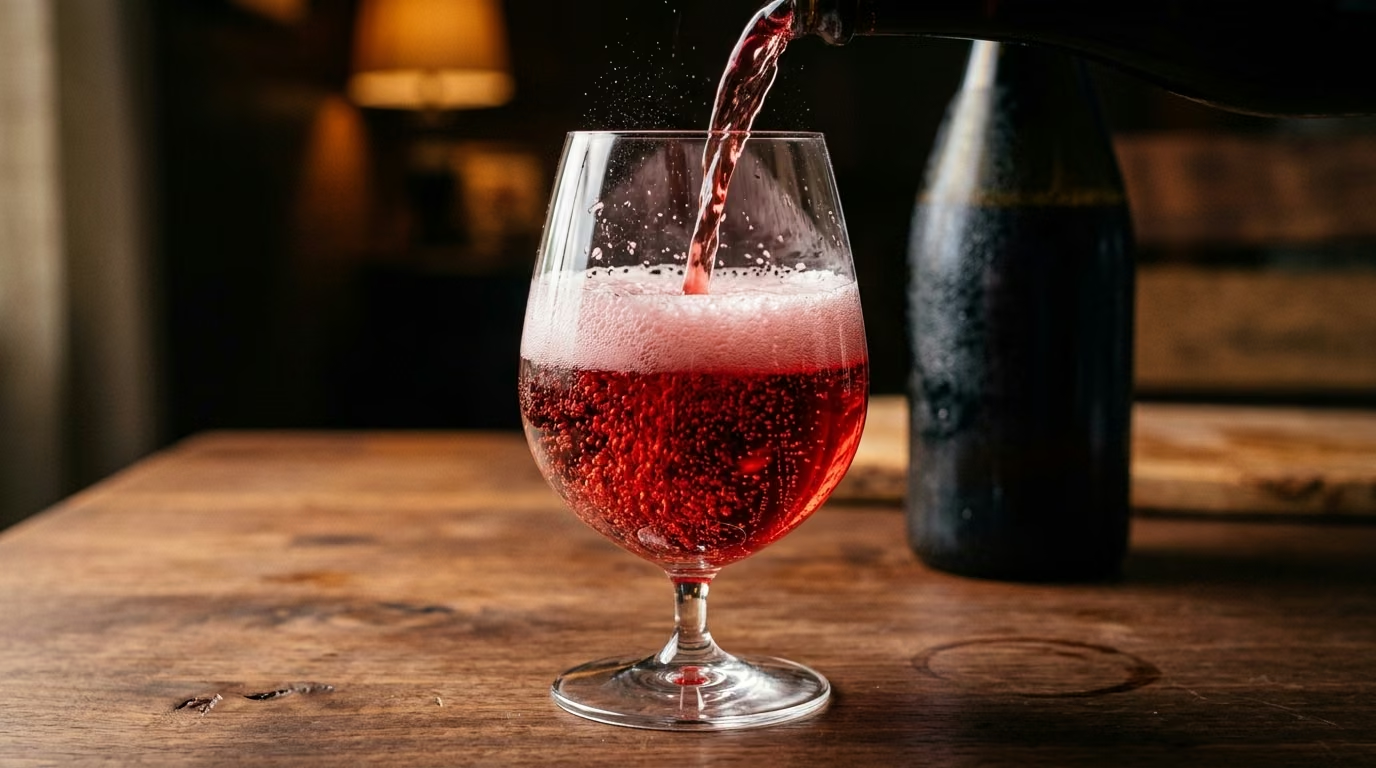
| Sparkling rosé | France, Italy, Spain, US | Pale pink to salmon | Red apple, berry, bready on traditional-method bottles | Both, so check the label |
Provence dominates the pale end for a reason that's structural rather than fashionable. It's the only wine region on earth where rosé makes up more than 90 percent of production, and roughly 40 percent of all French AOP rosé comes from there (Vins de Provence). Tavel sits at the opposite end and has been an appellation since 1936, working 781 hectares as of 2025, and it's an appellation that makes rosé and nothing else (Inter Rhône).
The sparkling row is the one to watch, because it genuinely goes both ways and the label word does the work. A brut sparkling rosé is dry, an extra dry one is slightly sweeter despite how that sounds, and anything labeled demi-sec is sweet.
How is rosé wine made, and why does that change the taste?
Rosé is made from black grapes pressed or macerated for a short time, and it's not a blend of red wine and white wine. The Provence wine council states that directly, calling rosé the most demanding of the three colors to produce because every decision about skin contact changes the color, the aromas and the taste at once (Vins de Provence).
Two methods cover most of what you'll drink. Direct press sends the grapes straight to the press on arrival, separating juice from skins quickly, and the result is a pale wine with crisp fruit, which is the Provence house style. Skin maceration holds the juice on the skins for hours before pressing, which pulls out more color and more flavor, and it gives you the deeper, weightier wines from Tavel and much of Spain. Neither method is better, and the choice tells you what the wine will feel like in your mouth more reliably than the grape does.
That's also why rosé from the same grape can taste so different across two bottles. Grenache pressed immediately in Provence and Grenache macerated overnight in Tavel are the same fruit treated as two separate wines, and if you liked one and disliked the other, the winemaking is what you were responding to.
What food goes with rosé, and how cold should it be?
Rosé pairs with far more than the aperitif hour it's stereotyped for, handling seafood, vegetarian dishes, fish, poultry and cheese comfortably, and it holds up against Mediterranean and spiced cooking that defeats a lot of white wine (Vins de Provence). Its acidity behaves like a white wine and its red-fruit weight behaves a little like a red, which is exactly why it survives a table where people ordered different things.

Temperature matters more than the pairing does, and getting it wrong is the most common way a good bottle disappoints. Provence producers recommend serving their rosé between 8 and 10 degrees Celsius, which is about 46 to 50 degrees Fahrenheit (Vins de Provence). Tavel asks for 12 to 14 degrees Celsius, roughly 54 to 57 degrees Fahrenheit, because a fuller wine served too cold loses its aroma (Syndicat AOC Tavel). Fridge-cold straight from the door is usually a few degrees too cold for either, and ten minutes on the counter fixes it. Our guide to wine serving temperatures covers the rest of the cellar.
For a dry pale rosé we'd reach for grilled prawns, a salad with feta and olives, roast vegetables, or anything involving tomatoes and herbs. For a Tavel or a Spanish rosado, go heavier toward roast chicken, charcuterie, paella or a lamb dish, since those wines have the body to meet them. If you want the general method rather than a list of dishes, our guide to pairing wine with food explains how to reason it out yourself.
Will you actually like rosé wine?
You'll probably like dry rosé if you enjoy crisp white wine and want a little more fruit, and you'll probably dislike it if you were hoping for something sweet and soft. That second group is large, and its members usually decided they hate rosé after opening a bottle that was never going to give them what they wanted.
Rosé also disappoints for reasons that have nothing to do with the wine. A bottle served warm tastes flabby and sugary, a delicate pale style opened three years late tastes tired next to this year's release, and a very cheap bottle bought purely on the color is a coin flip. None of that is a verdict on the category, and the fix each time is a different bottle rather than a different drink.
If you'd rather not memorize label rules while standing in an aisle, that moment is the one Fit Check is built for. You type the bottle name, say it out loud or scan the label, and Sommy tells you whether that specific wine fits the taste it has learned from what you've rated. It answers the question the shelf can't, which is not whether the wine is good but whether it's good for you.
Frequently asked questions
Is a rosé wine sweet or dry?
Most rosé is dry, including nearly everything from Provence, the Rhône, Spain and Italy, where a Provence AOP bottle carries less than 4 grams of residual sugar per liter. The sweet ones are a defined group you can spot by name, mainly White Zinfandel, White Merlot, Pink Moscato and bottles labeled blush. If the front label names a European region, it's dry, and if it names a pink American style, it's sweet.
Is rosé a good wine for beginners?
Rosé is one of the best beginner wines, because it has the freshness of a white and the fruit of a red without the tannin that puts new drinkers off reds. Start with a dry Provence-style bottle if you already like crisp whites, or with a Spanish rosado if you want a little more body and flavor. The only thing to get right is temperature, since serving it too warm is what turns people against it.
Is rosé wine a strong alcohol?
Rosé is an ordinary table wine rather than a fortified one, so it sits in the same alcohol range as the whites and reds beside it on the shelf, and being pink changes nothing about that. Sweeter pink wines often come in a little lower, because fermentation was stopped before all the grape sugar turned into alcohol. Check the percentage printed on the label if it matters to you, since it varies more between producers than between colors.
Is rosé wine sweeter than Moscato?
Dry rosé is far less sweet than Moscato, which is made as a sweet wine on purpose. Sutter Home's own figures put its Pink Moscato at 13.00 grams of carbohydrates per 5 ounce glass against 4.00 grams for its dry Rosé (Sutter Home nutrition). A Pink Moscato is pink and sweet, so it's the one case where the color really can mislead you, and we've compared Riesling and Moscato if sweet wine is what you're after.
What does rosé wine taste like compared to red wine?
Rosé tastes like the fruit of a red wine without the structure, so you get strawberry and cherry notes with none of the drying tannin that makes red wine feel grippy. It's lighter in body, higher in refreshing acidity, and served cold rather than at room temperature. Tavel and other dark rosés close some of that gap and can stand in for a light red at the table.
What does rosé wine taste like after a few days open?
An opened bottle of rosé keeps about three to five days in the fridge with the cork pushed back in, which is the same as most dry white wine. The fruit fades first and the acidity holds longest, so a three-day-old glass tastes flatter and sharper rather than spoiled. Unopened, a pale delicate rosé is best in its first year or two, while a Tavel will take considerably longer.
Picking your next bottle of rosé
If you're buying one bottle and want the safest version of what people mean by rosé, take a dry Provence or Provence-style bottle, get it properly cold, and drink it with something salty. That's the flavor the whole category is famous for, and it's the reference point everything else moves away from.
If that reference point turns out to be too light for you, the next step is a Spanish rosado or a Tavel rather than giving up on rosé, because the problem was body rather than color. And if it was too sharp, you're probably someone who wants an off-dry wine, which means the answer is a bottle that says so on the label instead of a pink one you hoped would be sweet.
The one habit worth keeping from all of this is reading the style name before the color. Pink tells you almost nothing, the words next to it tell you nearly everything, and the price of learning that on your own is a run of bottles that weren't what you thought you were buying.