
A glass of wine can taste "off" for one boring reason: it's too warm or too cold. The fix is simple, and you don't need a thermometer or a wine degree. You just need a wine serving temperature rule you can hold in your head.
Here's the easy memory hook: Cold → Cool → Cellar → Room-ish. Four zones. Most wines fit somewhere in that line, so you can stop guessing and start enjoying.
The 4-zone temperature map (cold to room-ish)
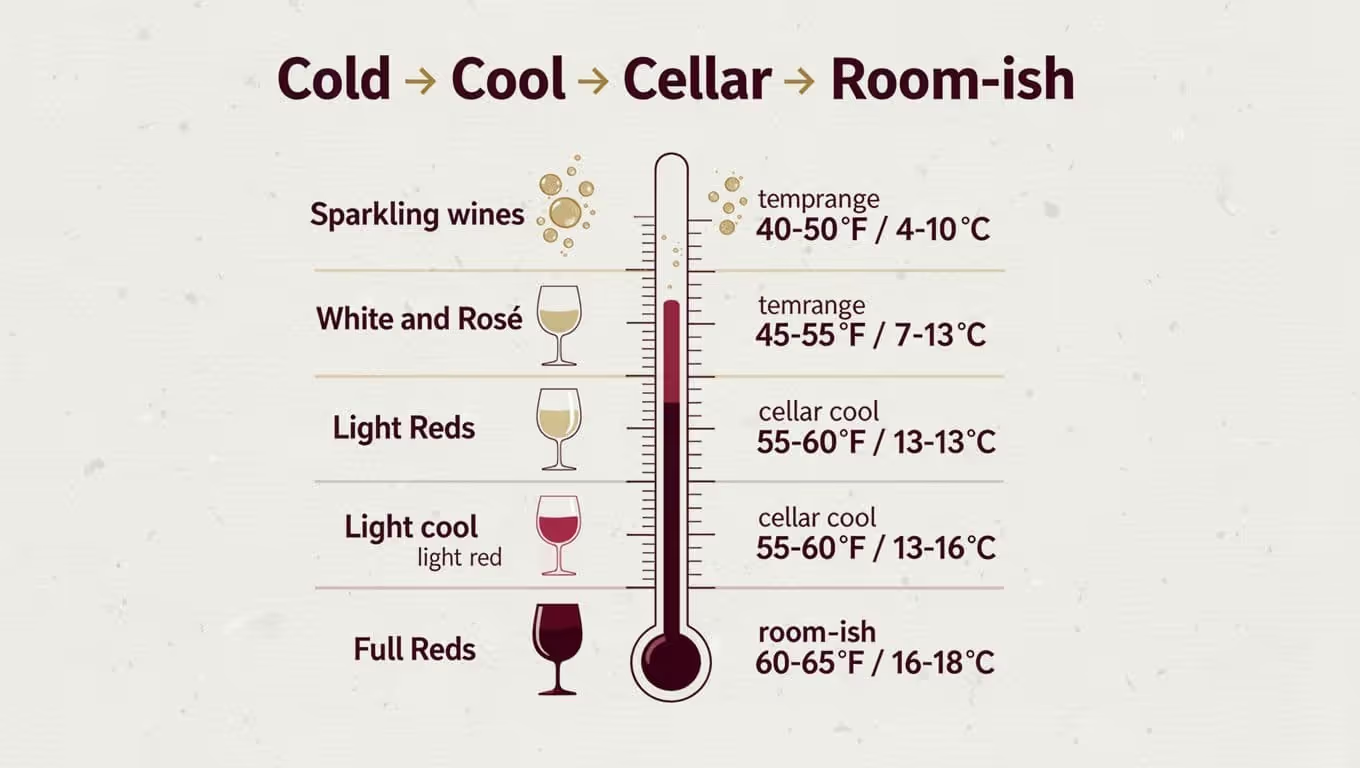
Think of temperature like a dimmer switch. Too cold, and the wine goes quiet. Too warm, and it can feel loud, flat, or boozy. The sweet spot wakes up the parts you actually like.
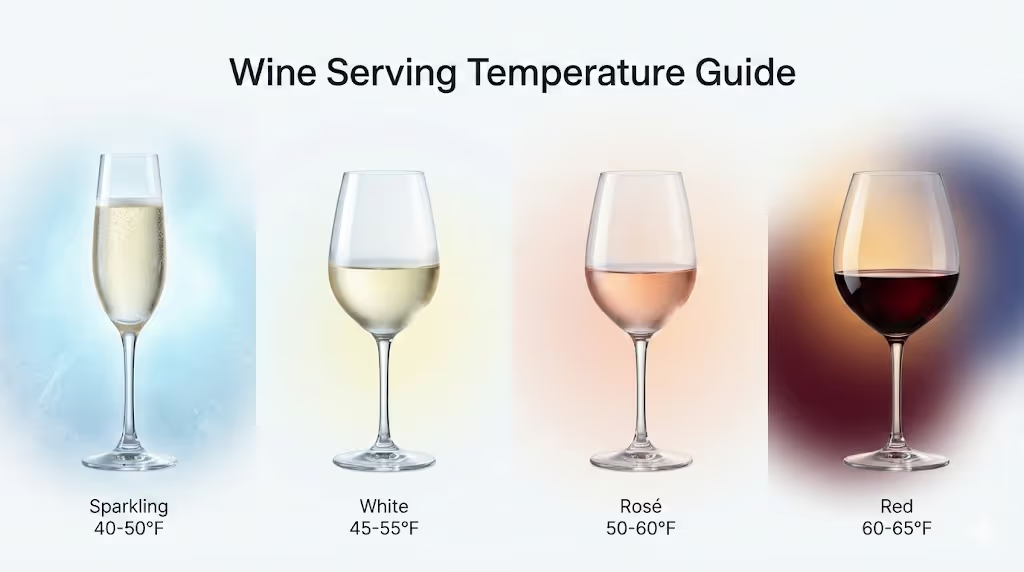
Use this cheat sheet as your modern wine guide for everyday moments:
The biggest surprise: "room temperature" for red wine isn't your heated living room. It's closer to 60 to 65°F.
If you want a second reference point, keep a simple chart bookmarked, like Vinotemp's serving temperature chart. You don't need to memorize every line, just notice how often the best range lands below typical indoor temps.
This is also the fastest way to get "wine tasting notes explained" without jargon. When a red is too warm, you may taste more alcohol heat and less fruit. When a white is too cold, it can taste sharp and muted. Temperature doesn't change the wine, it changes what you notice.
Quick fixes when the bottle's wrong (no stress)
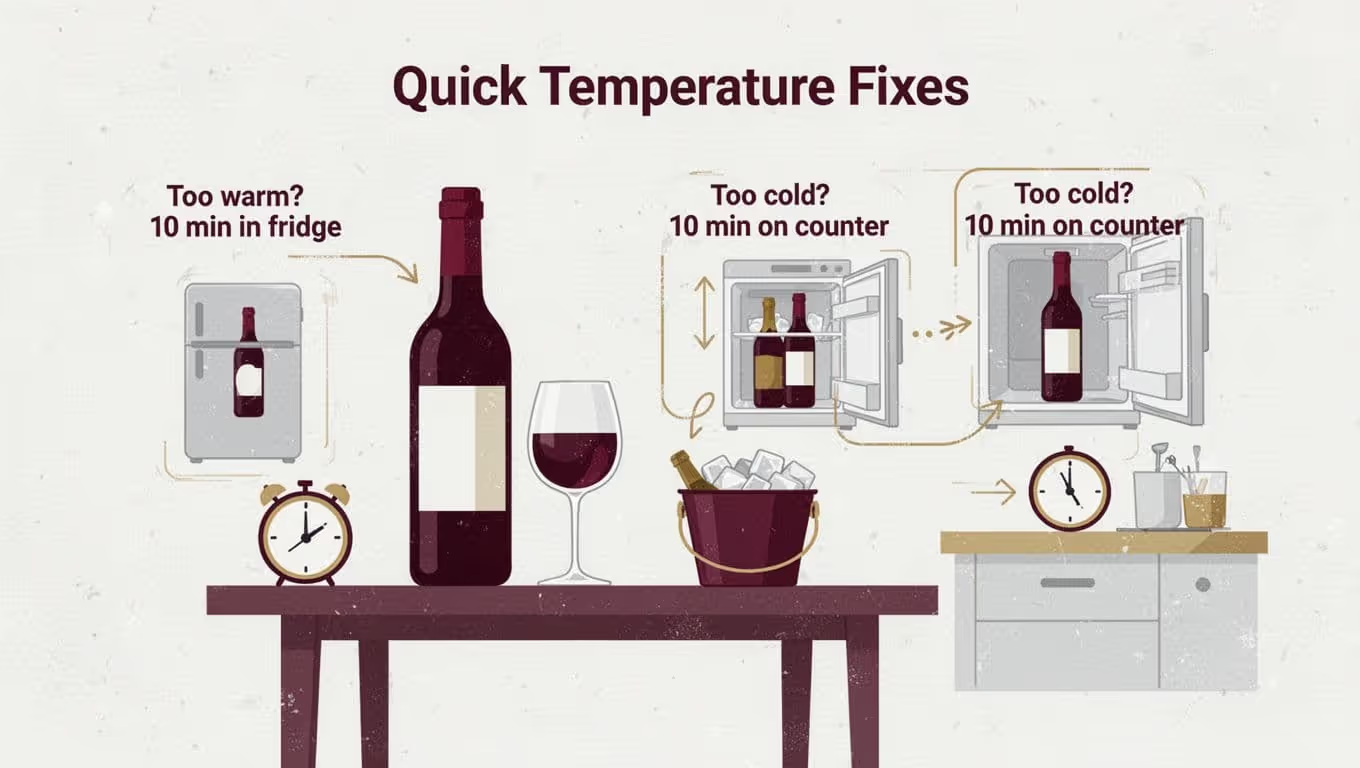
Most wine "problems" are really timing problems. You opened the bottle when guests arrived, not when it needed to chill. That's normal. These simple wine tips fix it fast:
If it's too warm, put the bottle in the fridge for about 10 minutes. For an even faster drop, use an ice bucket with water (water chills faster than ice alone). Keep a timer, because forgetting is how slush happens.
If it's too cold, set the bottle on the counter for about 10 minutes. Swirl a small pour in the glass to help it warm faster. The first sip might feel tight, then it opens up.
A few "don't make it weird" rules help, too:
- Don't use the freezer unless you set a loud timer.
- Don't wait for perfect. Aim for "closer," then adjust.
- Don't over-chill reds. A slight chill often makes them taste cleaner.
For another quick chart and the same basic ranges in both units, see this wine temperature serving guide. The main takeaway stays the same: cold for bubbles, cool for whites, cellar-cool for lighter reds, and room-ish for fuller reds.
This is friendly wine advice you can use even when you're busy. You don't need special gear. You need one habit: check the bottle, then give it a short "temperature pit stop."
Real-life shortcuts: restaurant and store choices
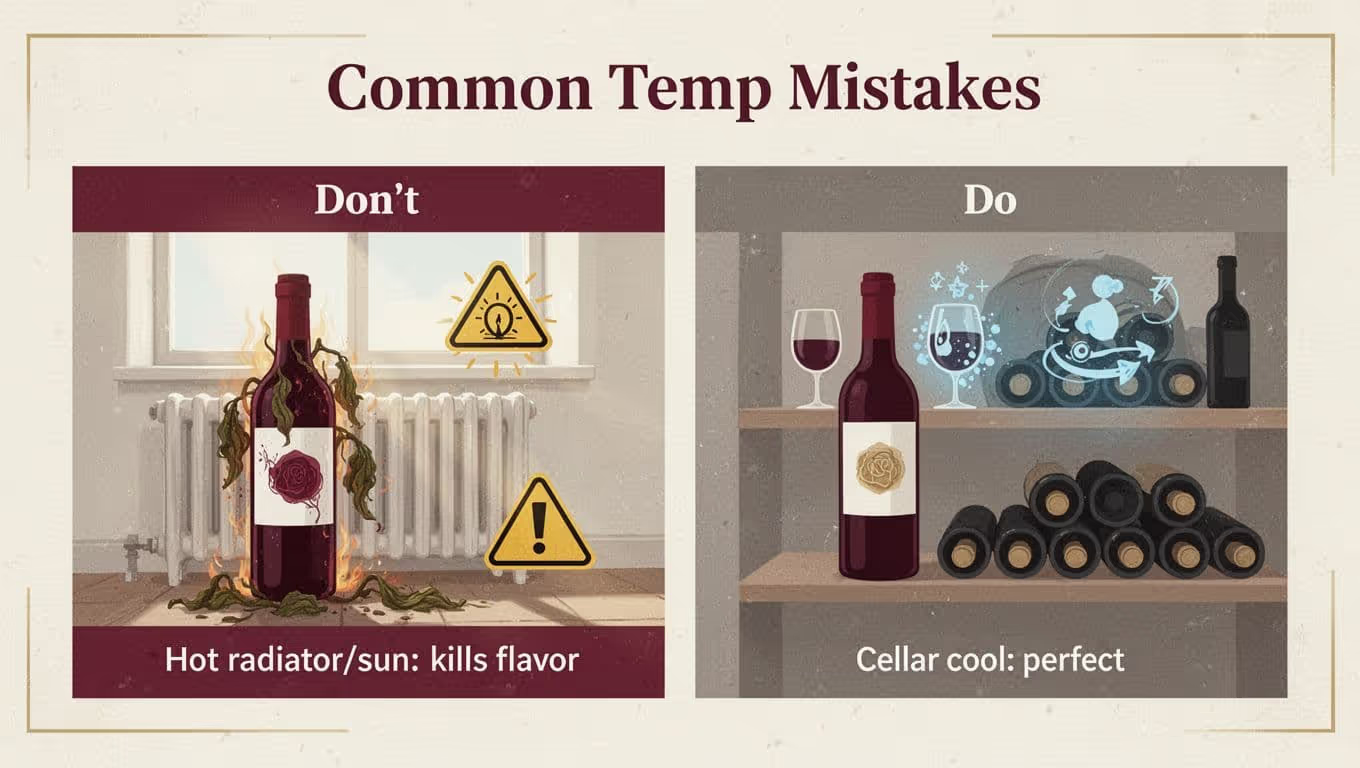
Temperature isn't just a home issue. It shows up on wine lists and in grocery aisles, too, which is why it belongs in any wine guide that promises less stress.
For restaurant wine tips, remember this: reds served "room temp" often arrive too warm. If you like smoother, fresher reds, ask for a quick chill. You can say, "Could you chill this for a few minutes?" That one sentence is one of the best wine list tips because it saves the whole bottle.
Whites can swing the other way. Some places serve them ice-cold. If your first sip tastes like nothing, let it sit a few minutes, then taste again. You'll often get more flavor without changing the wine at all.
For grocery store wine picks, think about heat exposure. Bottles near sunny windows or hot displays can suffer. Grab wine from a cooler, darker shelf when you can. Also, don't leave wine in a hot car "for later." A short errand is fine, but hours of heat can flatten flavor.
Now connect temperature to decision-making. If you're learning how to choose wine, start with two questions: "Do I want this crisp and bright, or soft and cozy?" and "Will it be served cold, cool, or room-ish?" That's basically a wine pairing guide for your mood and meal, without the lecture.
This is where an AI wine assistant can help when you're standing in front of a wall of labels. Instead of memorizing rules, you can ask for smart wine recommendations based on what you like. The goal isn't perfection, it's clear wine recommendations you can act on. Good tools focus on personalized wine picks, not trivia, and they keep your personalized wine recommendations consistent over time. In other words, you get smart wine picks and wine app suggestions that match your taste and budget, plus everyday wine advice for serving and pairing.
For a deeper take on serving ranges across styles, this wine serving temperature guide is a useful reference. Still, the four zones above will cover most real-life bottles.
Conclusion: one rule, calmer choices
Remember the line: Cold → Cool → Cellar → Room-ish. That single map solves most wine serving temperature mistakes in restaurants, at home, and at the store. Once you feel the difference, wine explained simply becomes your new normal.
If you want help choosing wine in the moment, especially when a label or menu makes your brain freeze, this is exactly what Sommy is built for: smart wine recommendations that match your taste, with simple wine explanations that keep you confident.