Discover
Find Similar
More like the one you loved
You finally found a bottle you loved. Then the shop stopped stocking it, or the vintage sold out, or you're standing somewhere that has never heard of it. The question isn't what's good. It's what's like the one I already know I like.
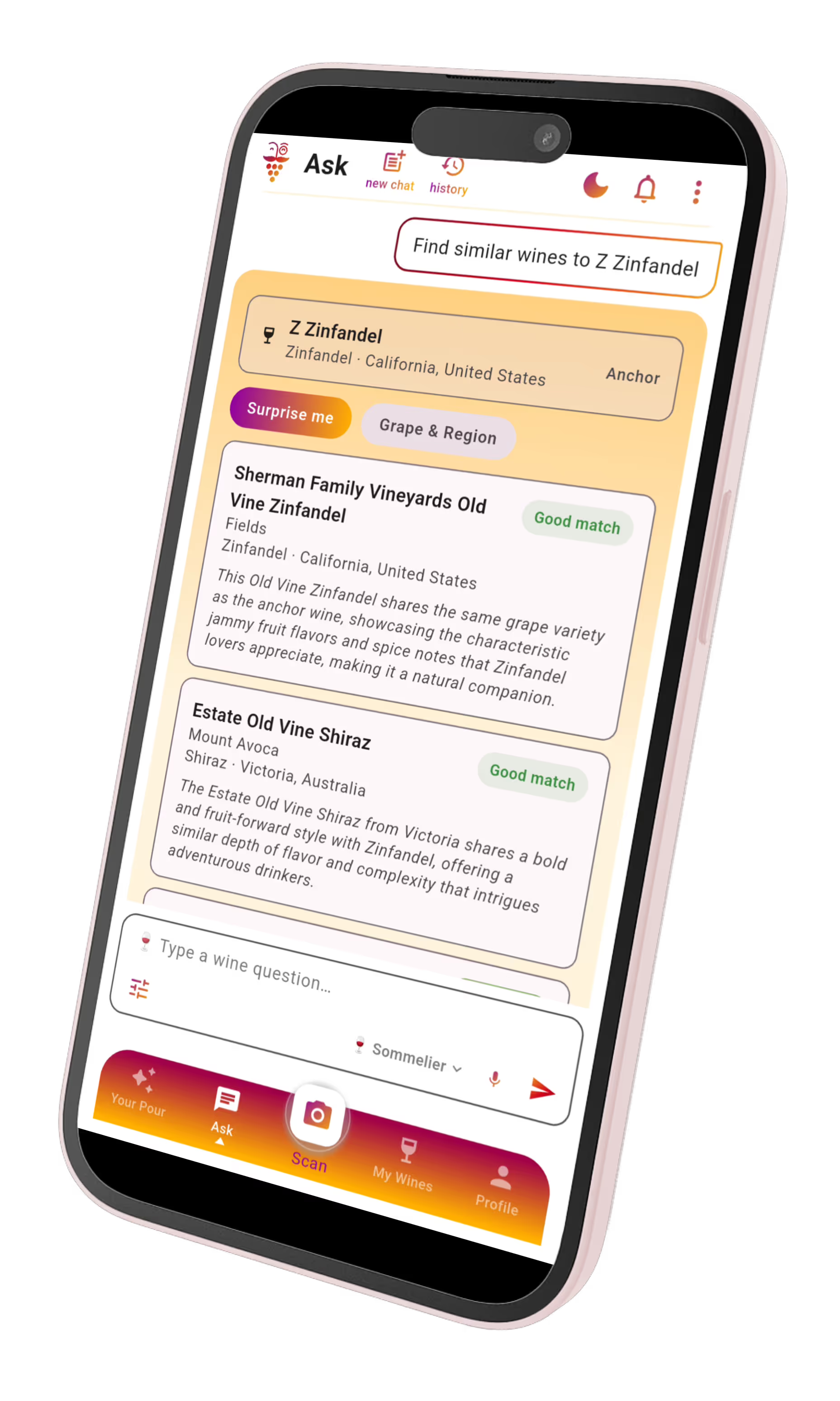
Name that wine and Find Similar goes looking. Type it, pick it out of your history, scan the label, or point at it in a conversation with Sommy.
Similar doesn't only mean the same grape
The obvious move is to hand you another Malbec. Sometimes that's right, and often it isn't, because what you liked about the bottle may have had little to do with the grape on the label.
Find Similar matches on character rather than category. It compares wines by how they actually behave, which means it will happily cross a grape or a region boundary when the wine on the other side is closer to what you enjoyed. An Argentinian Malbec you loved for its plush, dark, low-acid weight has more in common with certain Southern Rhône blends than with a lean Malbec from Cahors.
It tells you how close each match is
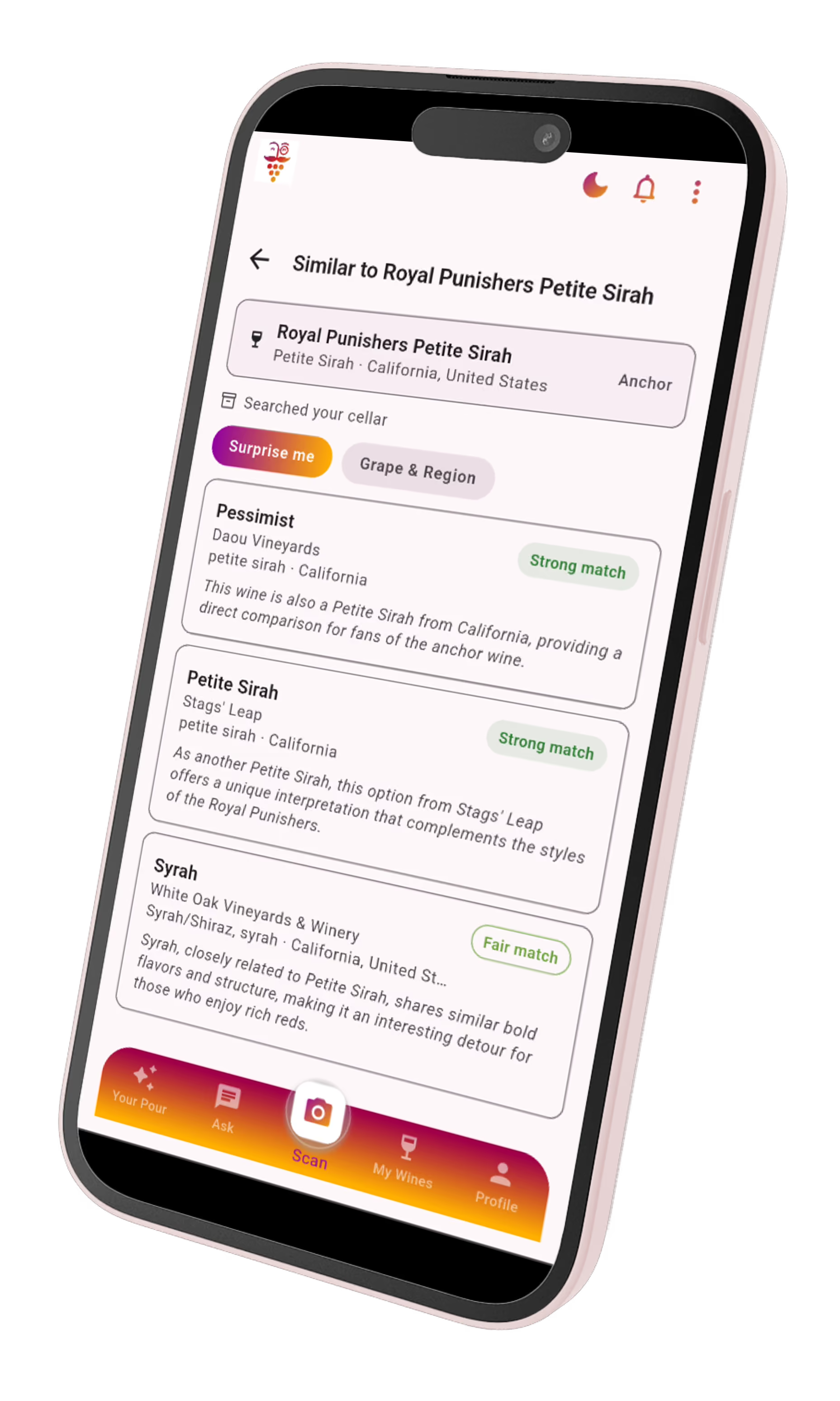
Every result carries a tier: strong, good, fair, loose, or stretch. That label is the honest part. A strong match is a near neighbour you can buy with confidence. A stretch is Sommy telling you outright that this one is a reach, offered because you asked for options rather than because it's a twin.
Knowing which is which matters. Plenty of recommendation tools present the fifth-best option with the same confidence as the first.
Follow the trail
The most useful thing here isn't the first set of results. It's that you can keep going.
Tap any wine that looks interesting and Sommy finds wines similar to that one, then again from there. A breadcrumb across the top shows the path you've taken, so you always know which bottle you're currently exploring from. Tap back to any earlier point to abandon a direction and try a different branch instead.
Two things keep this from going in circles. Sommy never shows you a wine you've already been offered in the same session, so each hop brings genuinely new bottles rather than recycling the last screen. And the trail stops after five hops, because by then you've drifted a long way from where you started and the matches stop being meaningfully related to the wine you actually loved. That's a quality guard, not a paywall.
Where the anchor comes from
Anything Sommy can identify can be a starting point. A bottle in your Cellar, something you rated two years ago, a label you just scanned with Label Scan, or a wine that came up while you were talking to Sommy Chat.
Your own taste is applied to the results as well, so two people starting from the same bottle won't get quite the same list. We wrote about this from the other direction in our guide to finding wines like Apothic Red.
When it helps, and when it doesn't
It's at its best when you have one clear reference point and want to move outward from it: replacing a discontinued favourite, buying for someone whose taste you only know through one bottle, or widening out of a grape you've been stuck on.
It's the wrong tool when you don't have an anchor. If you can't name a wine you liked, Find Your Taste is the better starting point. And a very obscure bottle with little data behind it gives the match less to work from, so results will be looser.
Does it only find wines from the same region?
No. Region is one signal among several. If a wine from somewhere else is closer in character, that's what you'll be shown.
Why did the Find Similar button disappear?
You've reached the end of a trail, five hops from your starting bottle. Tap back along the breadcrumb to explore a different branch, or start again from a new anchor.
Can I find something similar but cheaper?
Results show prices where they're known, so trading down within a set of close matches is usually the fastest way to find the cheaper version of a wine you like.