Discover
Label Scan
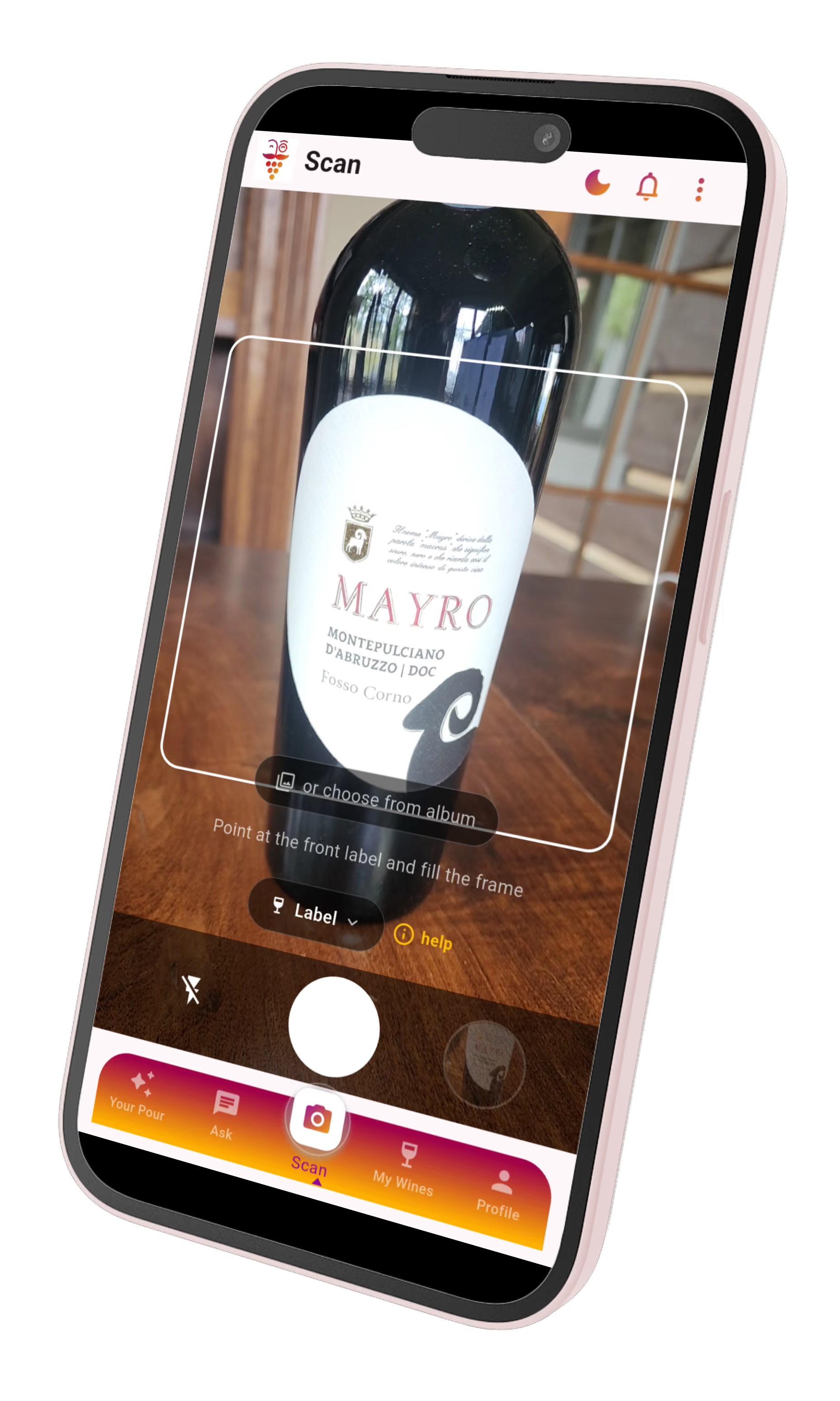
Point the camera at a wine label
The label says Château something, 2019, and a village you've never heard of. There's no grape anywhere on the front, no clue what's actually in the bottle, and someone waiting behind you.
Point your camera at it. Label Scan reads the bottle in your hand and tells you what it is, what it tastes like, and whether it suits you.
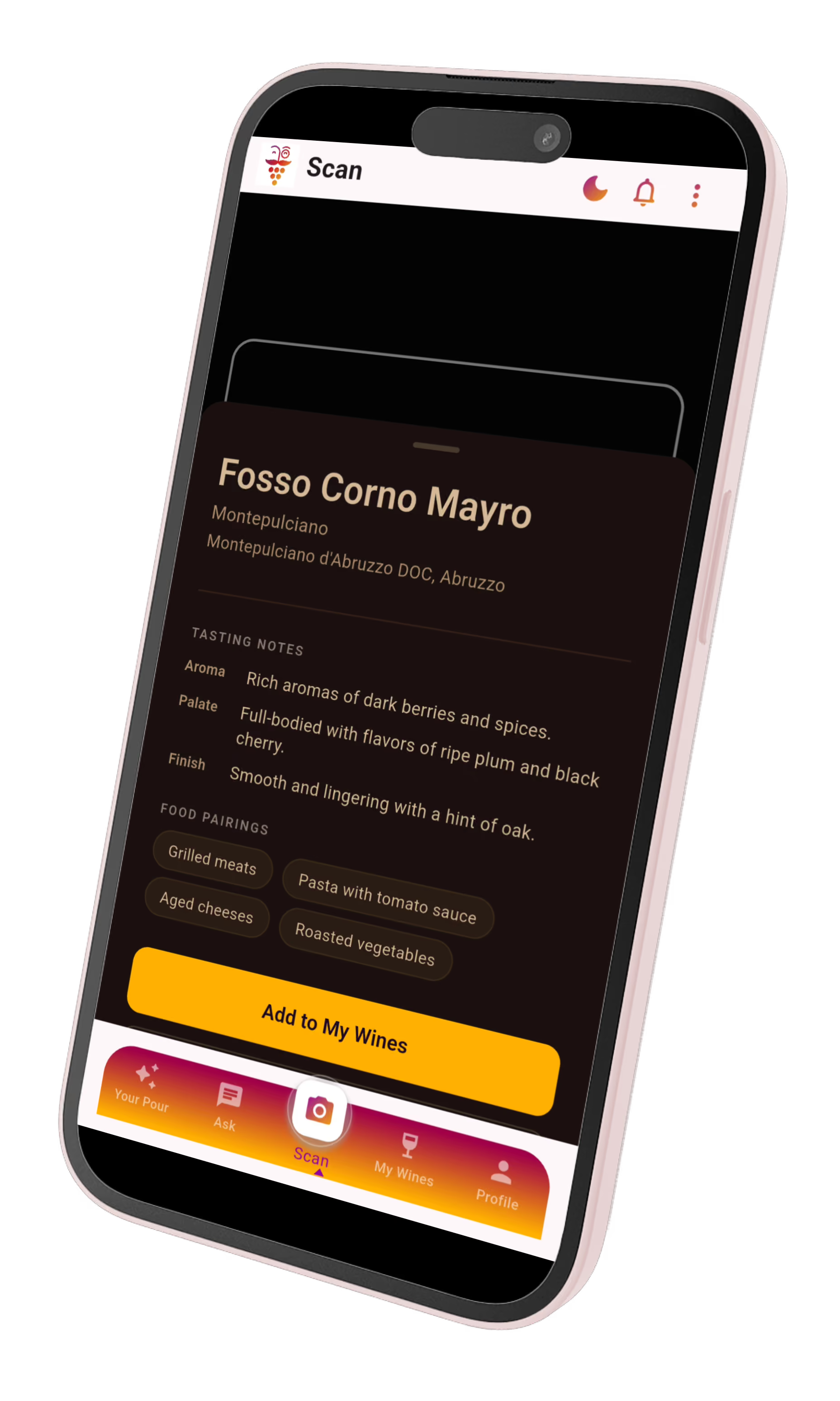
What comes back
A scan returns the wine's identity first: producer, name, vintage, grape, region and appellation, as much as the label gives up. Then the part that matters more, which is what the wine is actually like. Tasting notes, the food it works with, and how it sits against your taste profile.
That last piece is the difference between Label Scan and a barcode lookup. Plenty of apps will tell you the name of the bottle you are already holding. The useful question is whether you'll enjoy it, and Fit Check answers that on the same screen.
When the front label won't cooperate
European labels in particular often leave the grape off altogether. A Chablis label won't say Chardonnay, a Rioja won't say Tempranillo, and a village Burgundy names the place and expects you to know the rest. Front labels can also be deliberately minimal, all crest and no information.
When Sommy can't identify a bottle confidently from the front, turn it around and scan the back. The second read is merged with the first rather than replacing it, so the two together usually settle what neither could alone. Back labels tend to carry the importer text, the alcohol, and often the grape.
If you want to understand what you're looking at rather than just scan it, our guide to reading a wine label covers what each part actually means.
When it helps, and when it doesn't
Label Scan is built for one bottle at a time: the one you're holding in a shop, the one a friend has just poured, the one that arrived at the table. It's fastest when you want a straight answer about a specific wine.
For anything wider than a single bottle, Vision covers the rest. A whole shelf, a restaurant wine list, tonight's dinner, a recipe.
Conditions do matter. A flat, well-lit photo of a clean label reads better than a dark one taken at an angle through curved glass. Torn, faded, or handwritten labels are genuinely hard, and a very obscure bottle may not exist in any catalog to match against.
Does Label Scan work on any wine label?
It handles the great majority of commercially bottled wine, including labels with no grape listed. Damaged, handwritten, and very obscure bottles are the exceptions.
What if it can't read the label?
Scan the back of the bottle. Sommy combines what it read from both sides, which usually resolves a wine the front alone couldn't identify.
Does Label Scan tell me whether the wine is good?
It tells you something more useful than that, which is whether the wine suits you. There's no numeric score. You get tasting notes, food matches, and how the bottle relates to your taste profile.
Can I scan bottles into my collection?
Yes. Scanned wines can go straight into your Cellar, so the bottles you own build up without typing anything in.