Discover
Vision
Point your camera at anything
Wine decisions almost never happen at a keyboard. They happen in front of something: a bottle you're holding, a shelf you're standing at, a list someone just handed you, a plate about to arrive.
Vision is the way in for all of it. Point your camera, and Sommy reads the scene and acts on it with your taste profile already applied. One gesture instead of typing a producer name you can't spell.
The bottle in your hand
Aim at a single label and Sommy identifies the wine, then tells you what it tastes like and whether it suits you. This is the one you'll use most, and it has its own page: Label Scan.
A shelf, or a whole wall
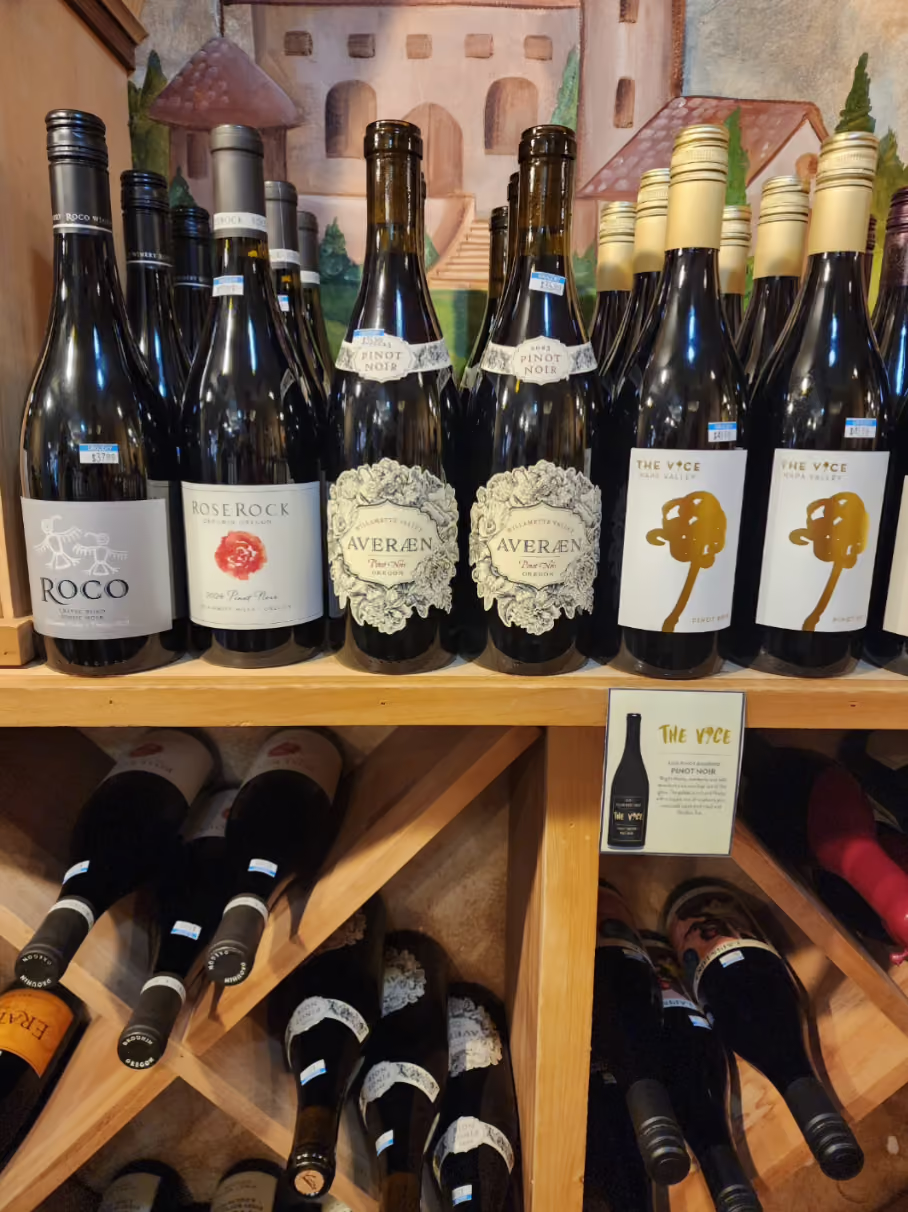
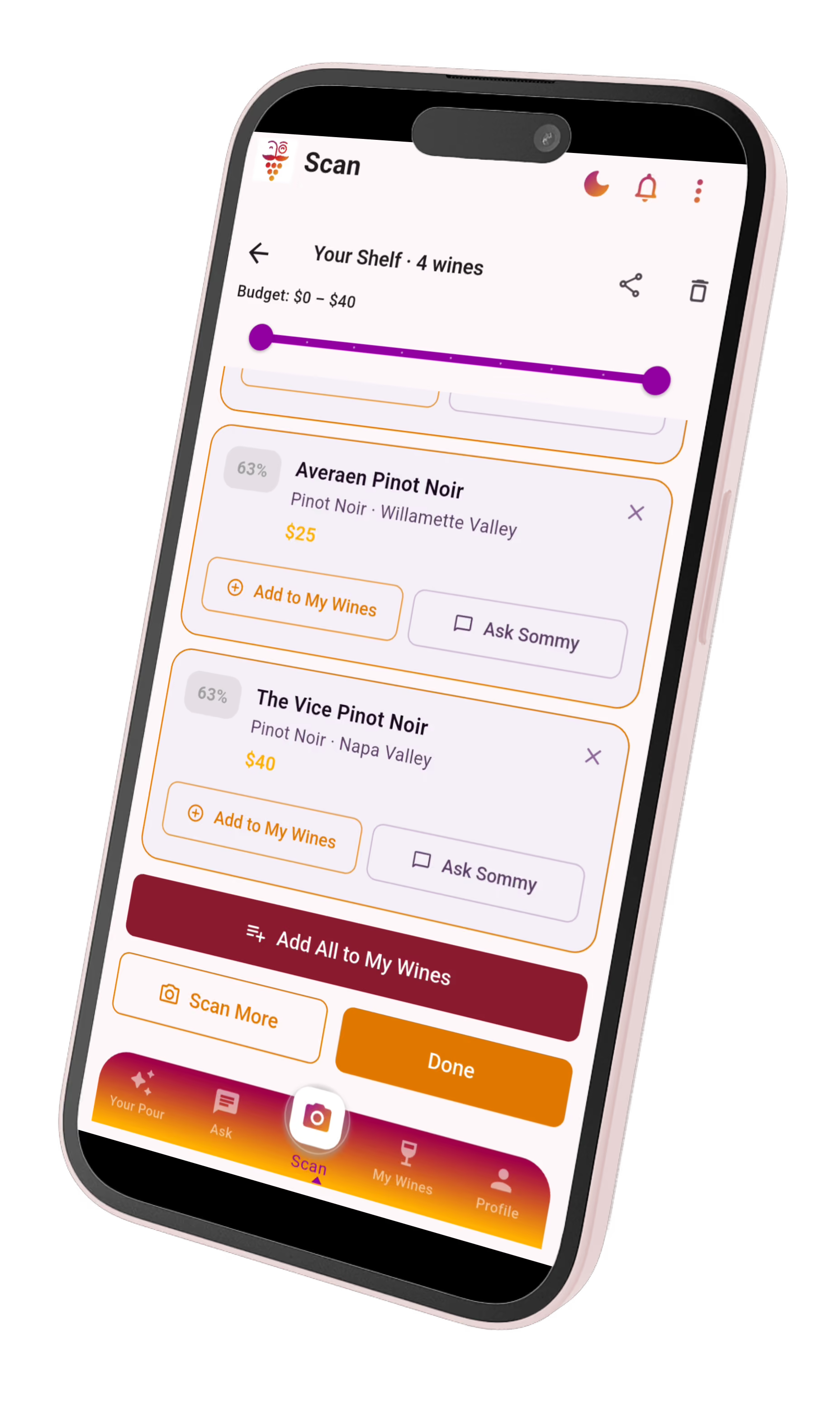
Point at a row of bottles and Sommy picks out each one individually, reads the shelf price tag next to it, and scores every bottle against your palate. A wall of two hundred labels becomes a short list of the few worth your attention, with prices attached.
Anything you like goes straight into your wines, so a shop trip can fill your Cellar without typing a single entry.
For example, you'd point the Sommy Shelf Scanner at this:
This is how Sommy responds:
A restaurant wine list
Photograph the list and Sommy parses it the way it's actually laid out, section by section, keeping the by-the-glass pours separate from the bottles. Every entry gets a match score against your taste and a short reason why, so you can scan a page of unfamiliar producers and see where to look.
If you'd rather not photograph anything at the table, Current Venue and Planned Visit do the same job from the restaurant's name, before or after you sit down.
Dinner, or the recipe for it
Point at a plate and Sommy works out what the dish is, what's in it, and how it behaves on the four things that decide a pairing: richness, acidity, spice, and umami. Then it recommends wine that suits both the food and you.
It reads recipes too, from a cookbook page or a website, pulling out the dish and its ingredients. When a recipe could plausibly be more than one dish, Sommy says so and offers the alternatives rather than guessing. Either way the result feeds Pairing.
One engine behind all of it
Every mode runs against the same taste profile. A bottle you rate after a shelf scan sharpens the wine list you photograph next month. Nothing has to be taught twice, and no mode knows less about you than any other.
When it helps, and when it doesn't
Vision is at its best when the alternative is guessing: an unfamiliar shop, a list with no descriptions, a dish you didn't cook. It saves the most time when there's a lot in front of you at once.
Photographs still have to be readable. A steady, well-lit shot beats a hurried one, printed text reads more reliably than handwriting or chalkboards, and a wine list photographed at a sharp angle in a dark room is the hardest case there is. When Sommy isn't confident about an entry it flags it rather than inventing a result.
Do I have to type anything?
No. Identifying the wine, reading the price, and matching it to your taste all happen from the photo.
What happens if the photo isn't clear enough?
Sommy marks the entries it couldn't read confidently instead of filling in a guess. Retaking the shot usually fixes it, and for a single bottle the back label is a reliable second try.
Does it work on a wine list in a dark restaurant?
Often, though it's the hardest lighting there is. If the photo won't cooperate, Current Venue reads the same list from the restaurant's name instead.
Scan Modes


