
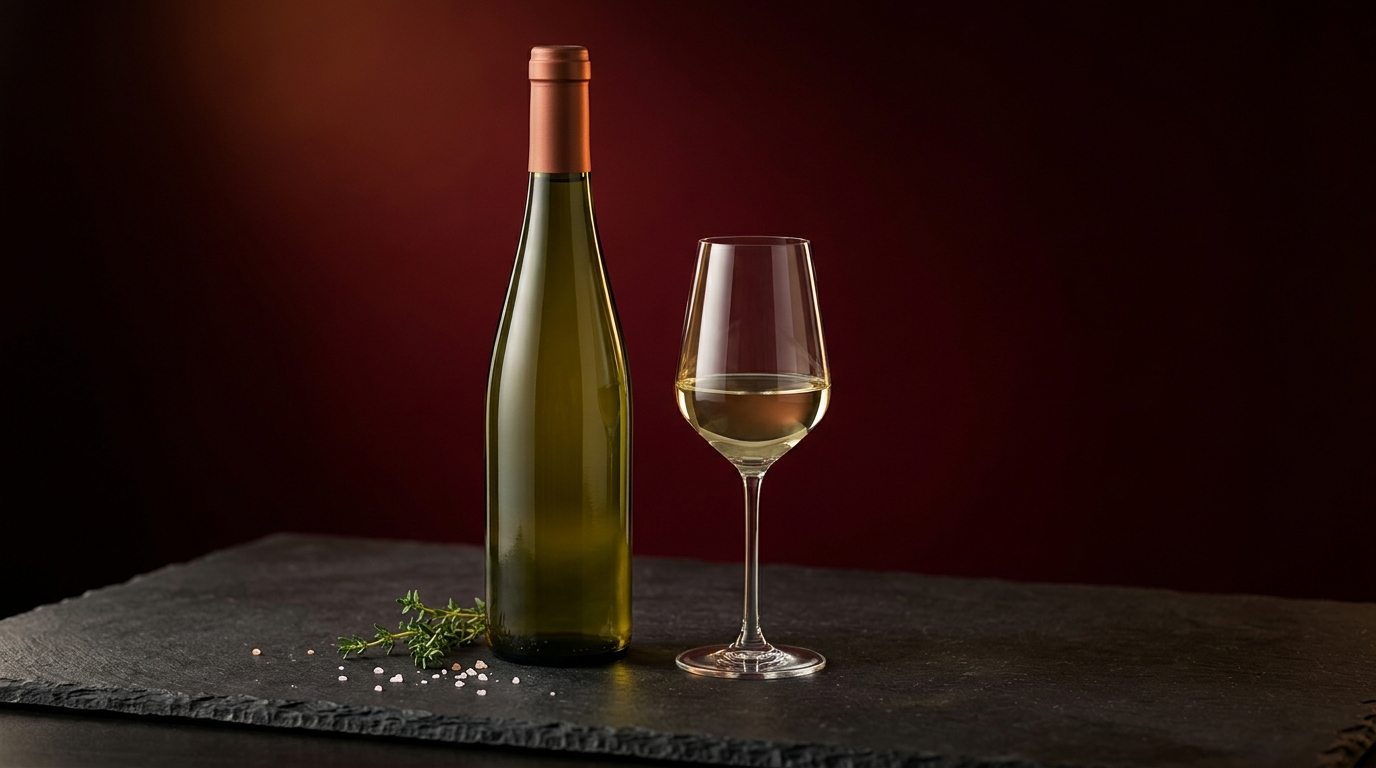

A to Z Riesling is an Oregon white wine that the winery itself files as medium sweet, and it sells for around $15 on most shelves. Expect lime and green apple first, then peach, lychee and honeydew melon, carried by enough acidity that the sugar never sits heavy. It's a good buy if you want a white with real fruit sweetness that still tastes fresh alongside salty, fried or spicy food. If you only drink bone-dry whites, this one will read as sweet to you, and no amount of chilling changes that.
Is A to Z Riesling sweet or dry?
It's medium sweet, and that verdict comes from A to Z rather than from a shop's product blurb. The winery's own 2022 Oregon Riesling tasting sheet prints a four-stop sweetness scale across the bottom of the page, reading Dry, Medium Dry, Medium Sweet, then Sweet, and the marker on that scale sits squarely on Medium Sweet.

That's a notch or two sweeter than almost every retail listing for this bottle suggests. Shop pages and shelf copy tend to settle on "off-dry", which most drinkers hear as barely sweet at all, and that gap is where the disappointment happens. Someone who buys an off-dry white and opens something closer to a lightly sweet one feels misled, even though nobody technically lied to them.
Both descriptions can feel true in the glass, and the reason is acidity. A to Z describes the wine as having firm acidity, and acidity is the thing that stops sugar from tasting syrupy. A wine can carry noticeable residual sugar and still finish clean, so your tongue registers "fresh" while your brain registers "fruity", and the two readings argue with each other. If you want the longer version of how those two measurements interact, our piece on dry versus sweet wine walks through what actually decides where a bottle lands.
The practical version of all this is simpler. Treat A to Z Riesling as a wine with real sweetness that happens to taste refreshing, rather than as a dry wine with a fruity nose, and your expectations will be in the right place before you pour.
What does A to Z Riesling taste like?
Lime leads the wine, and it leads hard. The winery's tasting notes for the 2022 open with honeysuckle, rose and elderflower on the nose, followed by lime, green tea, juniper, thyme and marjoram, which is a more herbal set of aromas than most people expect from a Riesling under $20.
The palate goes somewhere else entirely. A to Z describes fresh lime juiciness joined by lemon, papaya, lychee, pineapple, honeydew melon and peach, with a light sweetness the winery compares to ginger and lemon meringue pie. There's also a note of crushed stone and blood orange pith, which is their way of saying the wine has some grip and doesn't simply slide away sweetly.
Put those together and you get a wine that smells like a flower shop and tastes like a fruit bowl, with a faintly bitter citrus edge holding the whole thing in shape. Alcohol sits in moderate territory by the winery's own description, which is normal for the style and part of why the wine feels light rather than warming.
If you generally drink Sauvignon Blanc or a crisp Pinot Grigio, you'll recognize the acidity immediately and find the fruit more generous than you're used to. If Moscato is your usual pour, this will taste drier and more savory than that, though not by a huge margin. Our Riesling versus Moscato comparison covers where those two styles genuinely separate.
Why does the bottle say Oregon instead of a named valley?
Because the fruit comes from four different places, and no single appellation could legally cover all of it. A to Z's winemaking notes for the 2022 name the Rogue and Applegate Valley sub-appellations of Southern Oregon, the Northern Willamette Valley, and the Columbia Gorge as the sources for this wine.
That blending is a deliberate choice rather than a cost-cutting shortcut. The winery picks from both young and old vines at several different levels of ripeness, presses the fruit gently, and then ferments separate lots with different yeasts to build complexity back in. Fermentation runs cool and controlled to hold on to the fruit aromas, and malolactic fermentation gets suppressed, which is the step that would otherwise soften the acidity and swap in a creamier texture.
What that buys you as a shopper is consistency. A single-vineyard wine swings hard with the weather, so a hot year and a cool year can taste like two different wines wearing the same label. A blend drawn across four growing areas smooths those swings out, which is why a bottle of this bought two years apart tends to taste recognizably the same. For an everyday white you're buying without tasting it first, that predictability is worth more than vineyard prestige.
Does it matter that A to Z is a B Corp?
Only if that's something you buy on, but it's a real part of this bottle's story and no shop listing mentions it. A to Z says on its own site that it has been a Certified B Corporation since 2014, and that it was the only B Corp in the wine industry at the time. That certification covers how a company treats its workers, its community and the environment, and it says nothing at all about how the wine tastes.
The winery lists wind-powered operations, higher wages and women-managed status among the practices behind the certification, and the 2022 tasting sheet carries both the B Corp mark and a LIVE Certified sustainable badge. Those are the winery's own claims about itself rather than the findings of an outside audit, so weigh them accordingly.
None of this changes your opinion of what's in the glass, and it shouldn't. The reason to mention it is that a $15 everyday bottle rarely arrives with that paperwork behind it, so if you're standing in front of two similar Rieslings at the same price, it's a reasonable tiebreaker.

What food actually works with it?
Salt, fat and chili heat, in roughly that order. The combination of noticeable sweetness and firm acidity makes this one of the more forgiving whites at a dinner table, because the sugar takes the sting out of spice while the acidity cuts through anything fried or rich.
Fried chicken is the easiest win available here. The wine's acidity resets your palate between bites and the fruit stands up to a salty, peppery crust in a way that a lean dry white simply can't. We've written more on matching wine to fried chicken across the classic, spicy and sandwich versions, and A to Z sits comfortably inside that range.
Thai and Vietnamese dishes work for the same reason, with the sweetness doing most of the work against chili heat. Pork with apples or a glazed ham leans into the fruit rather than fighting it, and a salty cheese board built on aged cheddar or a hard sheep's milk cheese is close to foolproof. Sushi is fine too, though the wine is sweet enough that it will dominate very delicate white fish.
Two kinds of dish are worth avoiding. Heavy cream sauces flatten the wine and make it taste thin by comparison, and smoky barbecue tends to bury the fruit under char. Neither pairing is a disaster, but you'll get more out of the bottle elsewhere.
How cold should you serve A to Z Riesling?
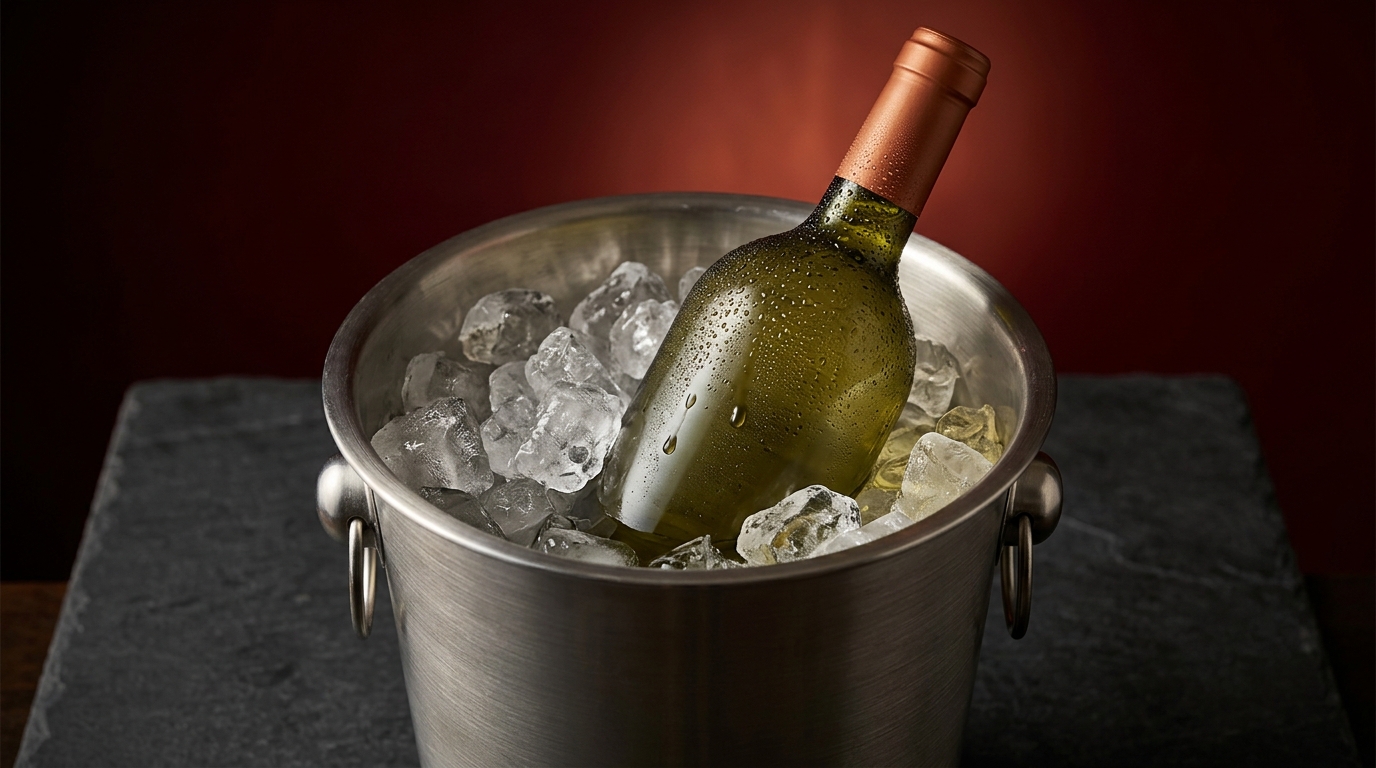
Serve it straight from the fridge, colder than you probably think. Temperature changes how much sweetness you perceive, and a warm glass of this will taste considerably sweeter than the same wine served properly chilled. If sweetness is the thing that worries you about this bottle, serving temperature is the single biggest lever you have.
Pour it as soon as it comes out of the fridge rather than letting it stand on the counter while dinner finishes cooking. If the first sip feels closed off, give it a few minutes in the glass instead, which warms it gently without pushing the wine into soft, candied territory. Our guide to wine serving temperatures has the numbers for other styles if you're pouring more than one bottle tonight.
Leftovers keep better than you would expect from a white this fruity. Recork the bottle, put it back in the fridge, and the acidity will hold the wine together for another day or two.
What should you buy if the shop is out?
Match the taste shape rather than the word on the label. Riesling spans everything from razor-dry to dessert-sweet, so grabbing a different bottle purely because it also says Riesling is how people end up with something nothing like what they wanted.
The profile to look for is a white with noticeable sweetness, high acidity, a light body, and citrus or stone fruit rather than tropical or oaky flavors. A German Riesling labelled Kabinett lands in similar territory, and a Washington State Riesling from a large producer usually does too. Alsatian Pinot Gris runs richer and drier, so treat that as a swap for texture rather than for sweetness.
Reading the label is harder than it ought to be, because German and American bottles signal sweetness in completely different ways. Our guide to spotting a dry Riesling covers the terms that genuinely predict sweetness and the ones that don't, and wines similar to Riesling widens the search beyond the grape entirely.
If you'd rather not do that work standing in an aisle with a basket on your arm, Find Similar in Sommy takes a bottle you already like and surfaces the ones built the same way, by grape, region and character. That's a faster route to a near-match than reading shelf talkers one at a time.
Is a $15 Oregon Riesling worth buying?
At that money, yes, with one condition attached. Wine-Searcher puts the average price for this wine at $17, and shelf prices at several shops run around $14.99, which puts it squarely in everyday-bottle territory rather than anything you'd save for an occasion.
The condition is that you have to actually want some sweetness. This is a well-made wine doing exactly what the winery set out to do, and the people who end up disappointed by it are almost always people who wanted a dry white and read "off-dry" as a promise of one. Go in expecting medium sweet, pair it with something salty or spicy, serve it properly cold, and it earns its shelf space without any trouble.
If you already know you only enjoy dry whites, spend the same $15 on an Oregon Pinot Gris or a Sauvignon Blanc instead. There's no version of this bottle that tastes dry, and chasing one will only cost you a cork.
Frequently asked questions
Is A to Z Riesling sweet?
Yes, it carries real sweetness without being a dessert wine. A to Z's own tasting sheet places it at medium sweet on a four-stop scale running from dry to sweet, which is sweeter than the "off-dry" description most retailers use. Its firm acidity keeps that sweetness from tasting syrupy, so the wine still reads as fresh in the glass.
What does A to Z Riesling taste like?
Lime and green apple arrive first, followed by peach, lychee, pineapple and honeydew melon, with floral honeysuckle and rose aromas on the nose. The winery compares its light sweetness to ginger and lemon meringue pie, and a crushed stone and blood orange pith note gives the finish some grip.
What food goes with A to Z Riesling?
Fried chicken, Thai and Vietnamese dishes, pork with apples, glazed ham, and salty aged cheese all work well with it. The sweetness softens chili heat while the acidity cuts through fat. Heavy cream sauces and smoky barbecue are the two matches worth avoiding, because both flatten the fruit.
Where is A to Z Riesling from?
It comes from Oregon, drawing on four growing areas rather than one. The winery blends fruit from the Rogue and Applegate Valley sub-appellations of Southern Oregon, the Northern Willamette Valley, and the Columbia Gorge, which is why the label carries the broad Oregon appellation instead of a single valley.
How much does A to Z Riesling cost?
Wine-Searcher lists an average price of $17 a bottle, and several shops carry it at around $14.99. That prices it as an everyday white rather than a special-occasion one, which is roughly where the wine performs best.
Should A to Z Riesling be aged?
No, this is a wine to drink young. The appeal is the fresh fruit and the brisk acidity, and both of those fade with cellar time rather than improving. Buy the most recent vintage on the shelf unless the shop has a specific reason for stocking an older one.
