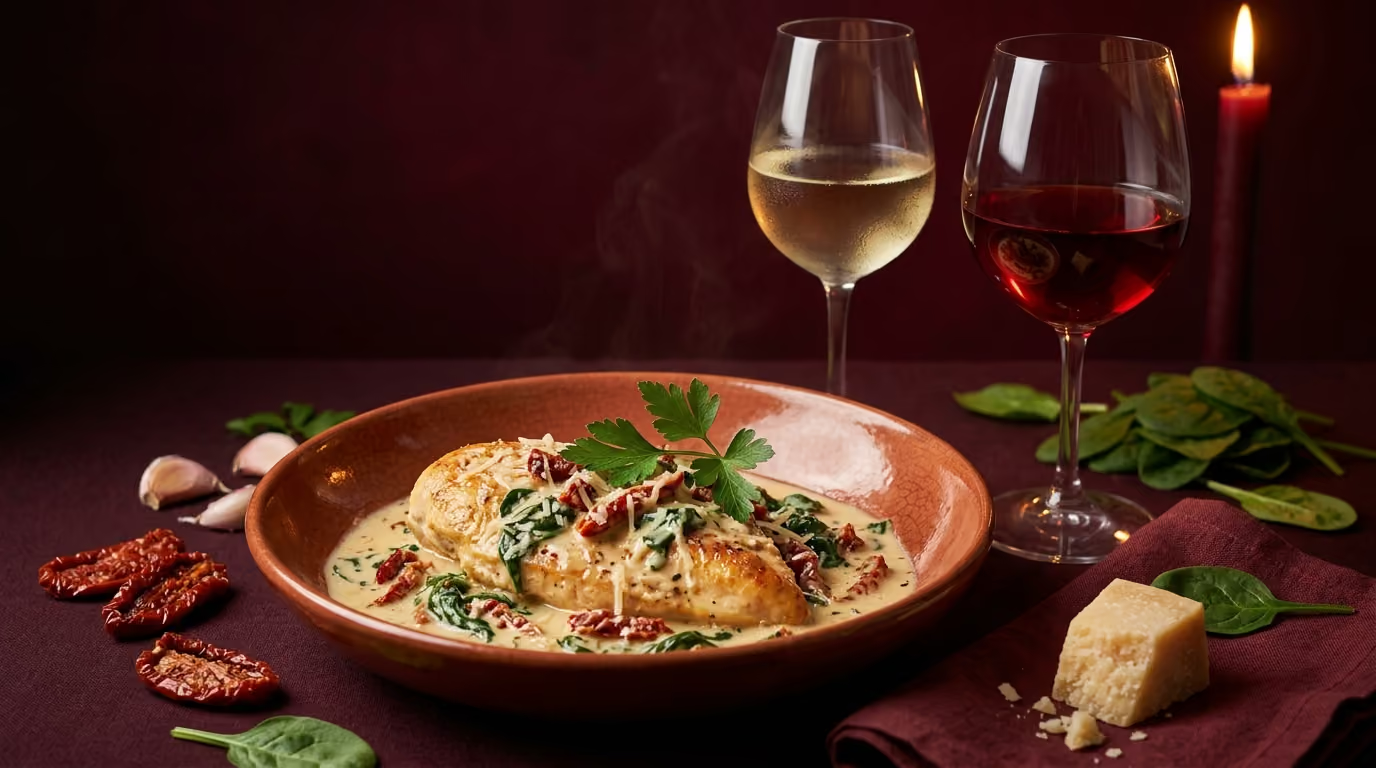
Creamy Tuscan chicken smells like garlic, parmesan, and sun-dried tomatoes melting into a silky cream sauce, and that sauce is exactly what your wine needs to answer. The easiest, most reliable pick is a dry Pinot Grigio or Sauvignon Blanc, because a fresh white keeps every creamy bite bright instead of heavy. If you'd rather drink red with dinner, a lively Chianti Classico has enough acidity to cut through the cream while its tart cherry flavors flatter the tomatoes.
You really can't make a wrong turn here, so pour whichever style suits the mood at your table tonight. The rest of this guide walks through why the sauce runs the show, which bottle to cook with, what to serve alongside, and how to grab the right wine at a restaurant or a shop without feeling put on the spot.
What's the best wine for creamy Tuscan chicken?
The best wine for creamy Tuscan chicken is a dry, fresh white like Pinot Grigio or Sauvignon Blanc, with Chianti Classico as the standout red option. A crisp white is the safe, crowd-pleasing favorite, while Chianti Classico brings a more savory, dinner-party feel to the same plate.
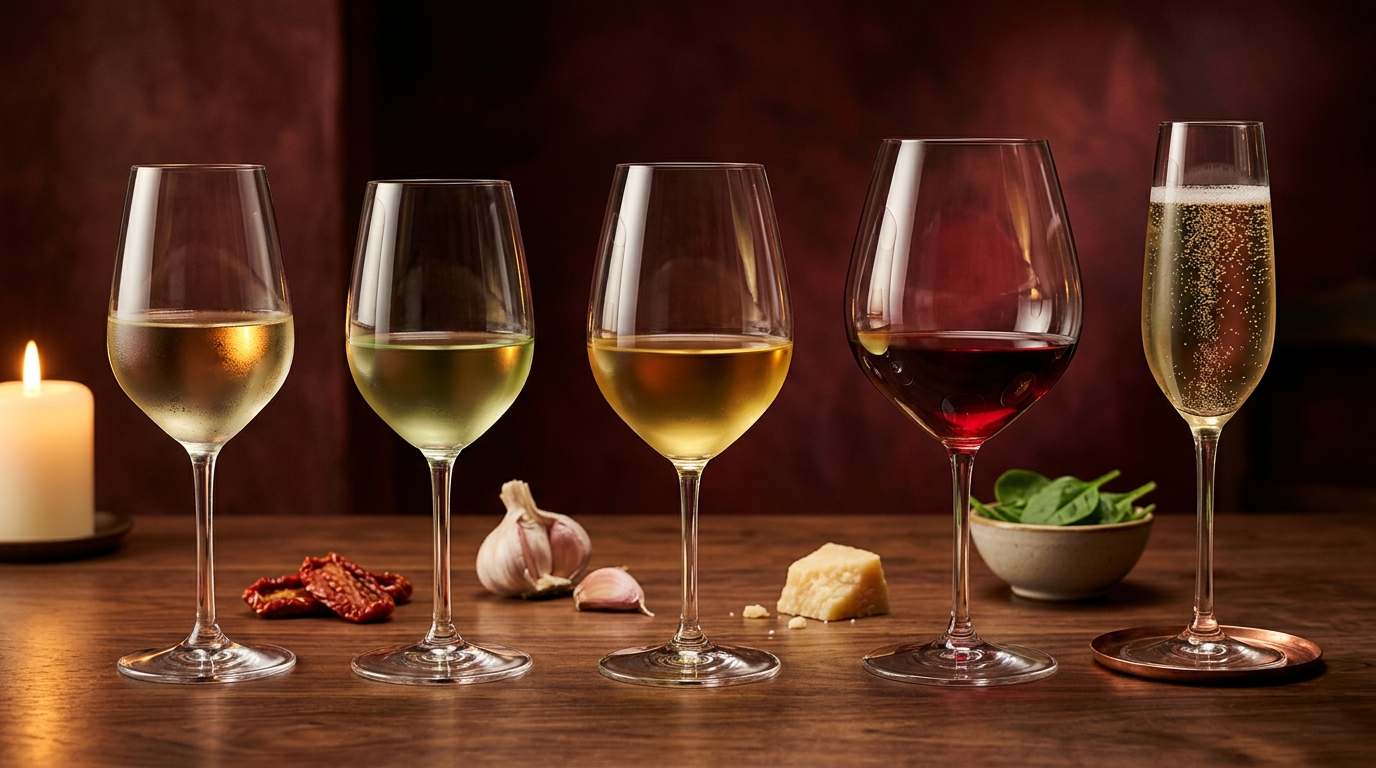
Your choice really comes down to what you're in the mood to drink. Here's a quick map from the feeling you want to the bottle that delivers it.
| If you want... | Choose... | Why it works |
|---|---|---|
| A light, fresh sip | Dry Pinot Grigio | It refreshes your palate between creamy bites. |
| A brighter herbal edge | Sauvignon Blanc | Its citrusy style suits garlic, spinach, and herbs. |
| A richer white | Unoaked Chardonnay | It matches the sauce without piling on sweetness. |
| A red with dinner | Chianti Classico | Tart cherry flavors suit tomatoes and savory sauces. |
| A festive glass | Brut sparkling wine | The bubbles scrub away the richness of the cream. |
Pinot Grigio is the easiest answer for a weeknight, since it's dry, clean, and unlikely to overpower delicate chicken breasts or fresh greens. Sauvignon Blanc feels a little sharper and more herb-friendly, which pays off when the pan carries plenty of garlic cloves and wilted spinach. If you want a fuller white without any sweetness, reach for an unoaked Chardonnay and skip the buttery, heavily oaked versions that would only thicken the sauce further. For a deeper look at how these two crisp whites compare, our guide to Sauvignon Blanc food pairings breaks down where each one shines.
Why does the creamy sauce decide the wine, not the chicken?
The sauce decides the wine because the chicken itself is mild and the sauce carries almost all of the flavor. Heavy cream, salty parmesan, chicken broth, olive oil, garlic, spinach, and sun-dried tomatoes are doing the heavy lifting, and each one nudges what tastes good in your glass.
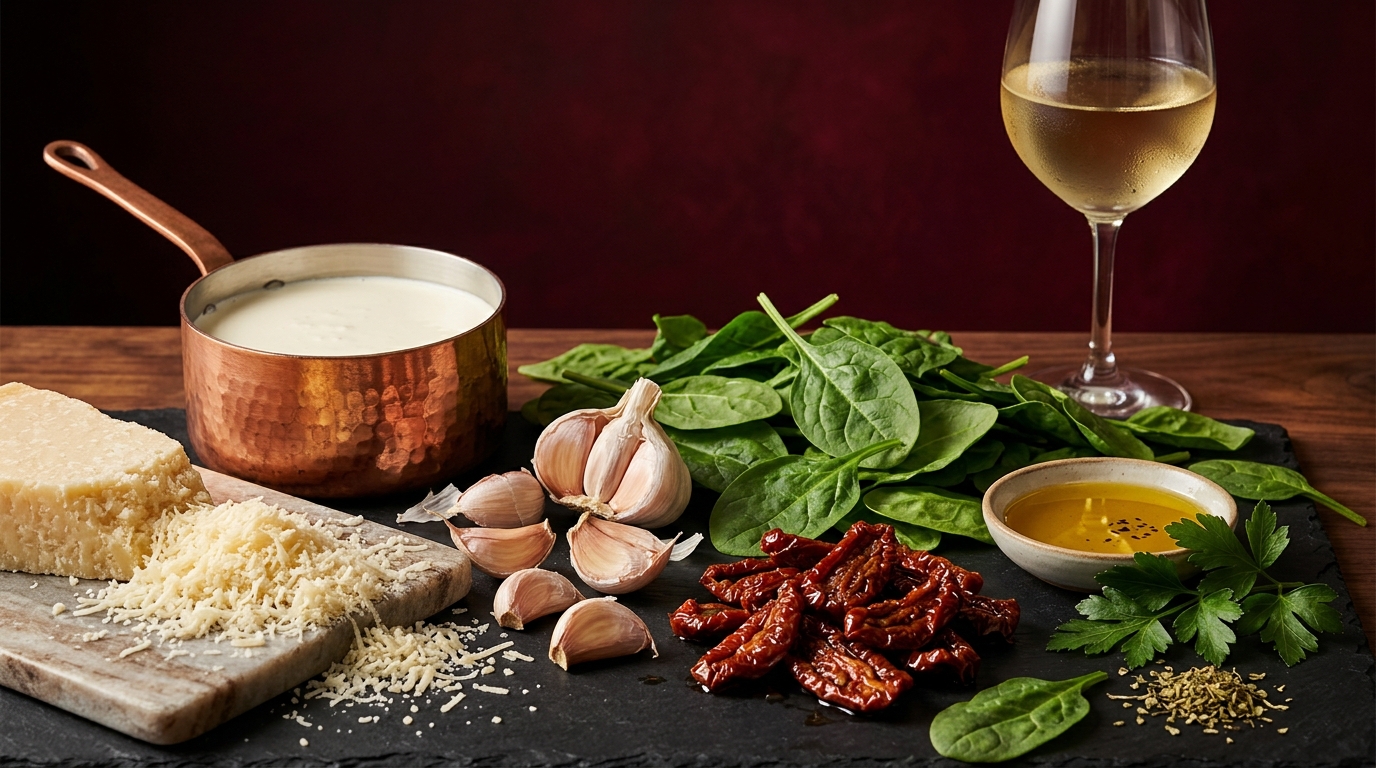
Cream always wants a partner with some contrast, which is why dry whites with a fresh edge are such dependable matches for this dish. The sun-dried tomatoes bring sweetness and concentrated acidity, so a bright red built on Sangiovese, like Chianti Classico, can feel balanced rather than clumsy alongside them. Salt from the parmesan and the broth rounds out the fruit in either color of wine, making both the white and the red taste a touch fuller and more generous.
A lighter-bodied red forgives this sauce far more readily than a dense, jammy one. Big, high-alcohol reds tend to fight the cream and leave the garlic tasting harsh, while a fresh red slips in and refreshes the plate. If you're curious about the grape behind that red option, our Sangiovese wine guide explains why its natural acidity and cherry character make it such a friendly food wine. The short version is simple: match the weight of the wine to the weight of the sauce, and let freshness do the rest.
Which white wine works best, and which should you cook with?
A dry white wine works best both in the glass and in the pan, and the good news is that the same bottle can do both jobs. Pinot Grigio, Sauvignon Blanc, and unoaked Chardonnay are the three whites to reach for, whether you're deglazing the skillet or pouring a glass to sip while the sauce simmers.
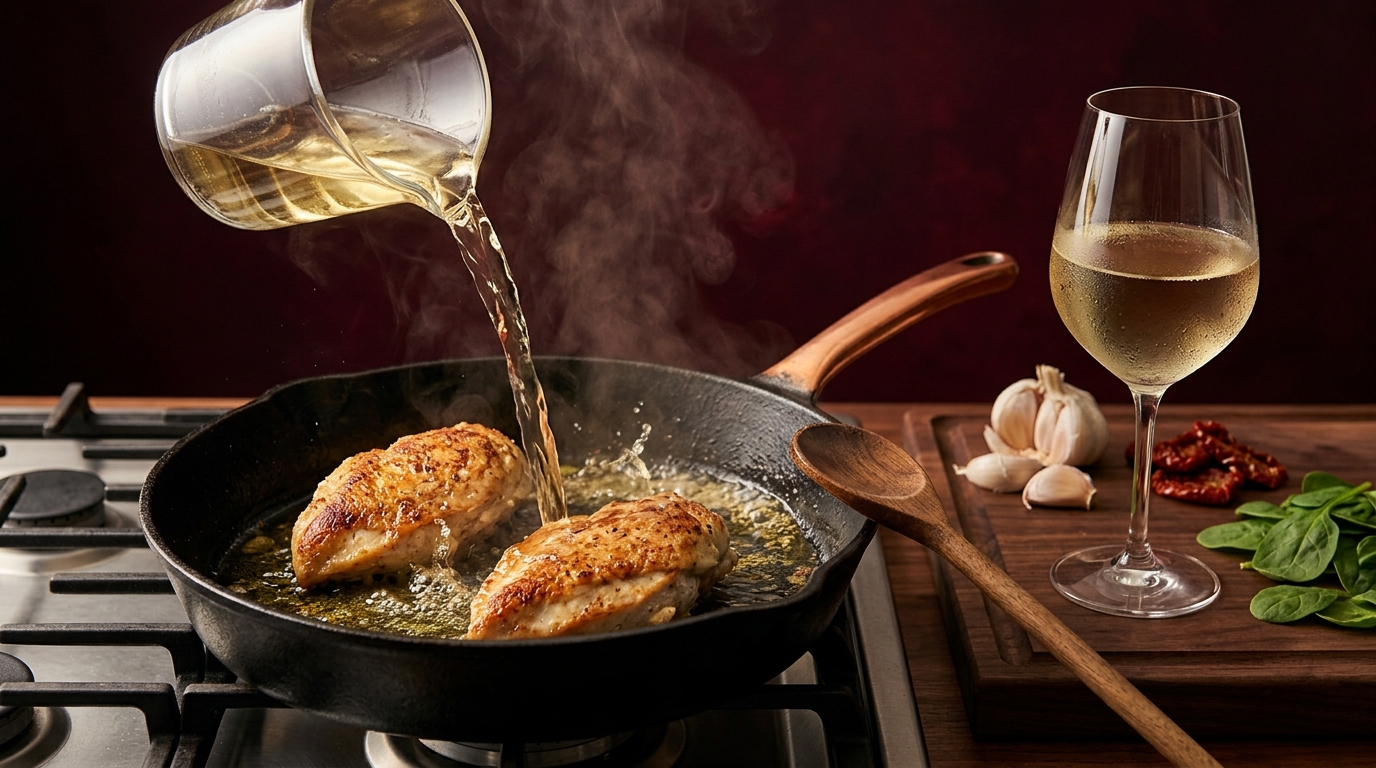
For cooking, wait until the chicken breasts turn golden brown, then pour in about a third of a cup of dry white wine. Scrape up the browned bits stuck to the pan and let the wine bubble down for a minute before you add the broth and cream. That small splash gives the finished sauce a clean, savory lift without ever tasting boozy, and it ties the food and the wine together with the same flavors.
Skip anything labeled "cooking wine," which usually hides added salt, and skip sweet bottles that would throw the sauce off balance. Choose a modest, honest bottle you'd genuinely enjoy drinking, often somewhere in the $12 to $20 range, because a wine that tastes good in the glass will taste good in the food too. Pour a little for yourself while you cook, since tasting the white right beside the finished sauce is the fastest way to decide whether it earns a regular spot on your dinner table. If your usual habit is a fuller white, our notes on how to spot an unoaked Chardonnay will keep you clear of the buttery styles that muddy this particular dish.
When is Chianti Classico the right red for the table?
Chianti Classico is the right red when you want a wine with dinner and the meal leans savory rather than delicate. Its bright acidity cuts straight through the heavy cream, while the tart cherry and herb notes echo the sun-dried tomatoes and parmesan already in the pan.
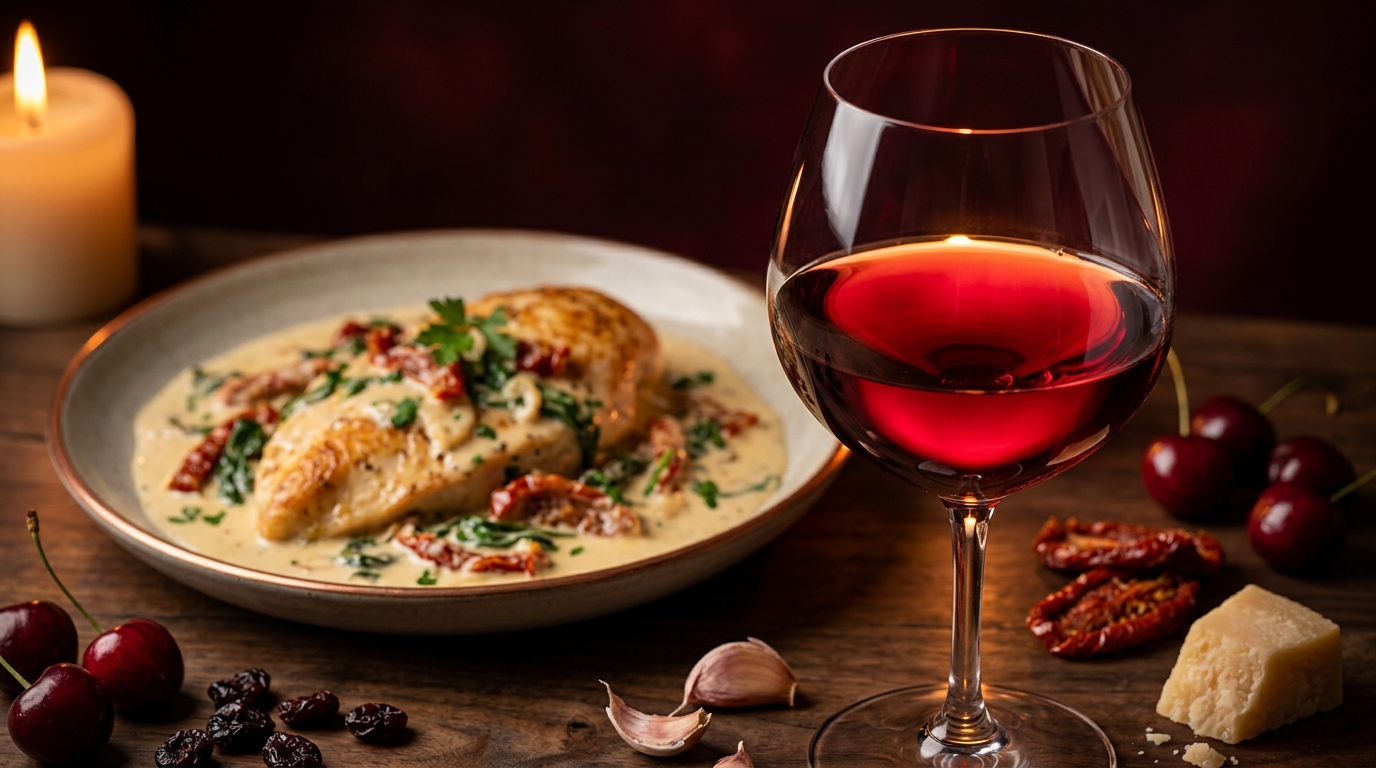
Reach for a red on the nights you're serving the chicken over something hearty, or when the table wants that classic Italian, dinner-party mood. Ask for a Chianti Classico that's dry and fresh instead of smoky or heavily oaked, and you'll get a glass that stays lively even after the first rich forkful. A dry rosé, especially a Sangiovese-based one, plays a similar role with a lighter touch, so keep it in mind when red and white both feel a little obvious.
The trap with reds is reaching for something too big. A dense, oaky, high-alcohol bottle can steamroll the sauce and make the whole plate feel heavy, which is the opposite of what a cream sauce needs. Because this dish is Italian at heart, it also slots neatly into the broader picture in our guide to the best wine for Italian food, where the same acidity-forward logic carries across pasta, pizza, and more. Keep the red fresh and medium-bodied, and it'll flatter the chicken instead of burying it.
How do you make a smooth one-pan creamy Tuscan chicken?
You make a smooth one-pan creamy Tuscan chicken by searing the chicken first, building the sauce in the same skillet, and keeping everything at a gentle simmer so the cream never breaks. The whole thing comes together with a short list of ingredients and a little patience with the heat.
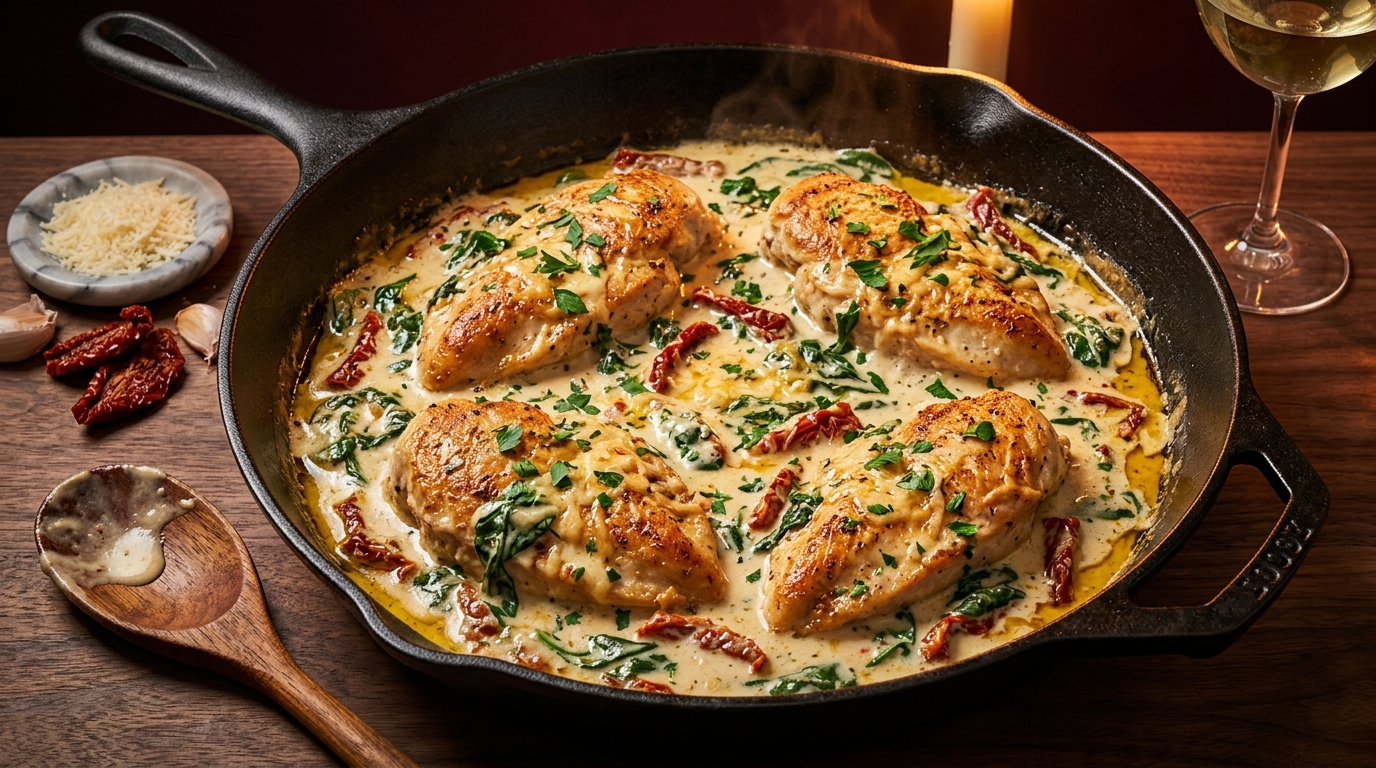
For four servings you'll want about a pound and a half of chicken breasts, one cup of heavy cream, half a cup of grated parmesan, and three cups of fresh spinach, plus olive oil, paprika, garlic, dry white wine, chicken broth, sun-dried tomatoes, and a handful of dried oregano, dried basil, and fresh parsley. Oil-packed sun-dried tomatoes give the best flavor because they stay tender and their oil carries extra tomato depth, so drain them well before they go into the pan.
- Season the chicken breasts with salt, pepper, and paprika, which helps them take on color as they cook. Sear them in olive oil over medium-high heat until they're golden on both sides, then move them to a plate to rest.
- Lower the heat and cook the minced garlic for about thirty seconds, then deglaze with the dry white wine. Add the broth, the cream, the grated parmesan, the dried herbs, and the sun-dried tomatoes, stirring until the sauce comes together.
- Simmer gently until the sauce thickens, then fold in the spinach and return the chicken to the skillet. Cook until the chicken reaches an internal temperature of 165°F, and finish the whole pan with fresh parsley before serving.
Keep the sauce at a low simmer and never a hard boil, because too much heat can turn the parmesan grainy or make the cream separate. Freshly grated cheese melts far more smoothly than the pre-shredded kind, so grate it yourself if you can. Milk can stand in for the cream in a pinch, though the sauce will run thinner and split more easily, and half-and-half is the better lighter swap. Store any leftovers in an airtight container within two hours, eat them within three to four days, and reheat them gently until they're hot all the way through.
What sides and serving choices keep the pairing balanced?
The best sides keep the pairing balanced by giving the wine room to stay fresh rather than piling richness on richness. Serve the chicken over pasta, creamy polenta, mashed potatoes, or crusty bread for pure comfort, and lean toward the crisp whites or a Brut sparkling wine when the plate is already this hearty.
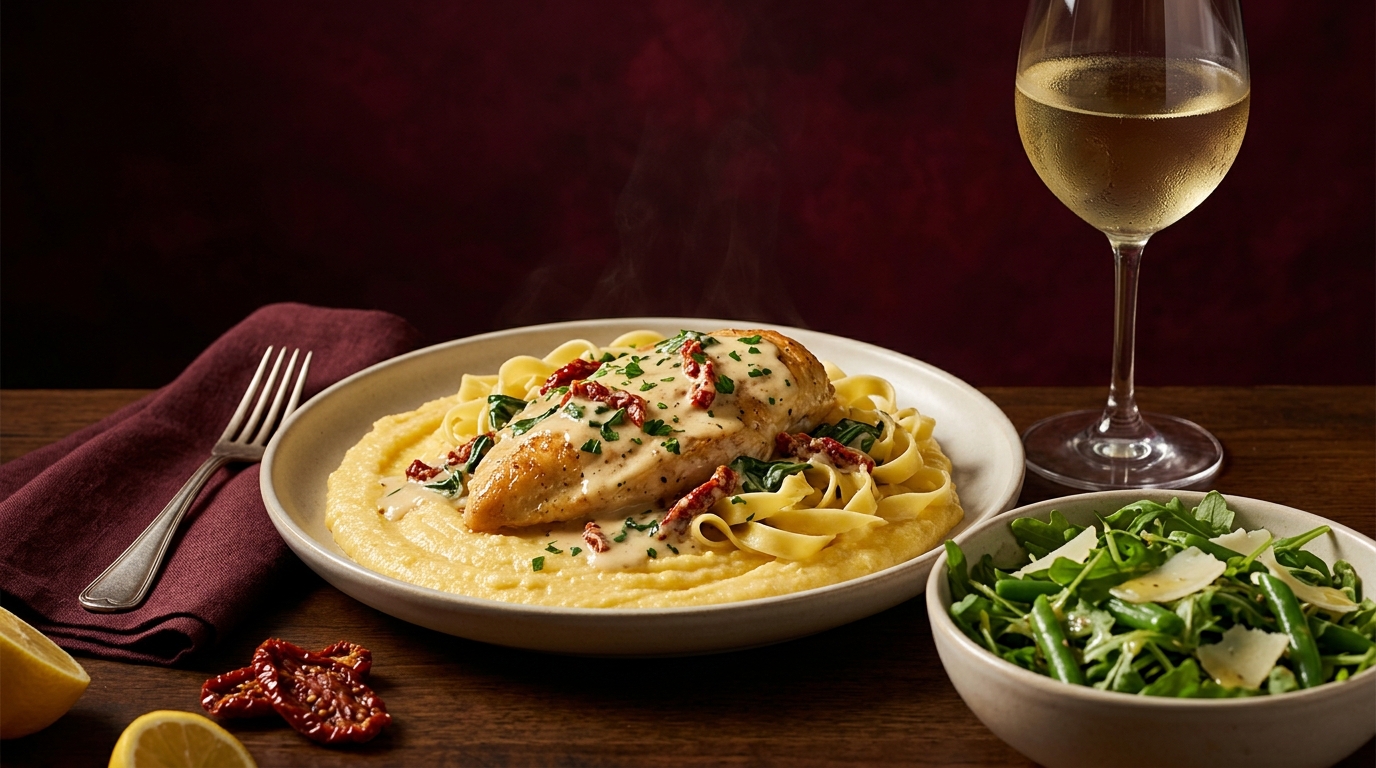
Heavy starches can make even a fresh red feel weighty, so Pinot Grigio, Sauvignon Blanc, and sparkling wine are especially welcome next to a big bowl of pasta or polenta. If you want a lighter plate, a lemony arugula salad or a pile of green beans brightens everything and makes the whole meal feel less indulgent. Chianti Classico actually fits best beside earthier sides like mushroom polenta or roasted vegetables, where those savory flavors give the red a little more space to stretch out. This is the same weight-matching idea we use in our picks for the best wine for creamy pasta night, where the sauce, not the noodle, sets the direction.
There's a simple sentence that carries you through both a restaurant and a grocery run: "I need something dry and fresh for creamy chicken." For a red, tack on "a dry Chianti Classico" and you've said everything a server or a shop clerk needs to point you somewhere good. That one request does more work than any amount of wine vocabulary, and it keeps dinner focused on eating well rather than proving anything.
How do you pick the right wine at a restaurant or store?
You pick the right wine by scanning for a handful of familiar names instead of trying to decode the whole list. If a restaurant or a shop stocks Pinot Grigio, Sauvignon Blanc, unoaked Chardonnay, Chianti Classico, a dry rosé, or a Brut sparkling wine, you already have several good matches in front of you.
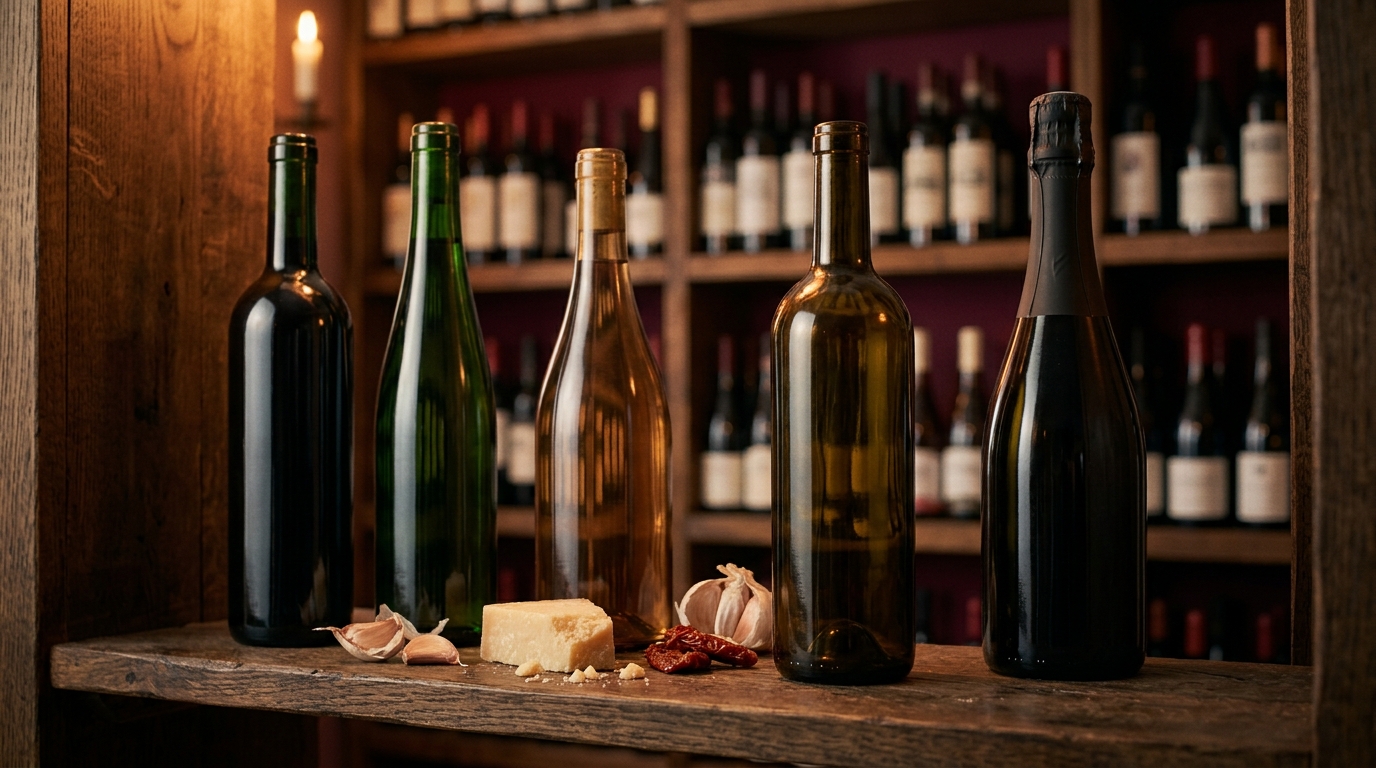
At the store, look for one of those names and don't let unfamiliar terms rattle you. Choose a Chianti Classico if you want a fresh red, or grab a Pinot Grigio when you're after a clean, crisp finish, and either way you're covered. A good wine recommendation should give you a clear direction, not a pile of obscure tasting words, and dinner is about your own taste rather than passing some invisible test.
This is also the moment a little help pays off. If you've got the dish on the stove and you're staring at the shelf, Sommy's Pairing feature lets you snap a photo of the meal or paste in the recipe, then suggests a bottle that fits both the food and your own Taste Profile. It's like texting a wine-savvy friend from the aisle, and it keeps the decision calm and quick. For the bigger picture beyond this one dish, our modern wine pairing guide uses the same plain-language approach across every kind of meal.
Frequently asked questions about wine for creamy Tuscan chicken
What is the best wine for creamy Tuscan chicken?
A dry Pinot Grigio is the easiest choice, because its clean, fresh style keeps the creamy sauce from feeling heavy on your palate. Sauvignon Blanc and unoaked Chardonnay work well too, and Chianti Classico is the standout option if you'd rather drink red.
Can you serve red wine with creamy Tuscan chicken?
Yes, and Chianti Classico is a genuinely strong red pairing for this dish. Its bright acidity cuts through the richness of the cream, while the tart cherry flavors complement the sun-dried tomatoes and the parmesan in the sauce.
What white wine should you use in the sauce?
Use a dry white wine such as Pinot Grigio, Sauvignon Blanc, or unoaked Chardonnay when you deglaze the pan. Avoid sweet wines and anything labeled "cooking wine," since those often carry added salt that can throw the sauce off balance.
How do you keep the creamy sauce smooth?
Keep the sauce at a low simmer rather than a hard boil, and it will stay silky instead of breaking. Freshly grated parmesan melts more smoothly than pre-shredded cheese, and gentle heat stops the cream from separating into an oily mess.
Does sparkling wine really work with this dish?
A Brut sparkling wine works surprisingly well, because the bubbles and its dry acidity scrub the richness off your palate between bites. It's a festive choice when both red and white feel too predictable for the evening.
How long do the leftovers keep?
Store leftover creamy Tuscan chicken in an airtight container within two hours of cooking. Eat it within three to four days, and reheat it gently until it's hot throughout so the sauce stays smooth.
A relaxed choice makes dinner better
The best wine for creamy Tuscan chicken is almost always a dry, fresh white or a lively Chianti Classico, so let the sauce guide you and then pour whatever style you actually enjoy drinking. A bottle doesn't need a complicated backstory to earn its place at your table, and freshness beside richness is a pairing that rarely lets you down.
If you'd like a second opinion that already knows your taste, Sommy learns what you like as you go and turns that into recommendations built for you, whether you're cooking this dish tonight or deciding what to open next week. Keep it simple, keep it fresh, and enjoy the meal.