

The best food pairings with Sauvignon Blanc are dishes built around fresh herbs, green vegetables, tangy acidity, or ocean-fresh seafood. Goat cheese, asparagus, oysters, and salads with vinaigrette are the classics. New Zealand styles with tropical fruit notes also handle spicy Asian dishes surprisingly well.
Sauvignon Blanc is one of the most food-friendly white wines, but it is not a one-size-fits-all bottle. Where it comes from changes what it wants to eat. This guide covers the best matches by food category, explains why each pairing works, and shows you how to match the style of the wine to the dish.
TL;DR
• Goat cheese is the most reliable match: the wine's acidity and herbal notes are made for it
• Oysters and shellfish are classic pairings, especially with Loire Valley styles like Sancerre
• Asparagus is the famously difficult vegetable that Sauvignon Blanc actually solves
• New Zealand Marlborough styles work well with Thai, Vietnamese, and Japanese food
• Avoid very rich fatty meat dishes or anything heavily oaked: the wine will taste thin
What Foods Pair Best with Sauvignon Blanc? A Quick Reference
Sauvignon Blanc's high acidity, citrus fruit profile, and distinctive grassy or herbal notes point it toward fresh, lighter foods and dishes with some tartness of their own. It clashes with heavy, fatty, or very sweet flavors. The table below covers the essentials before going deeper.
| Food | Wine style | Why it works |
|---|---|---|
| Goat cheese | Loire Valley (Sancerre, Pouilly-Fumé) | Acidity cuts the fat; herbal notes match the tang |
| Oysters | Loire Valley, Chablis | Minerality mirrors ocean brine |
| Asparagus | Any herbaceous style | Pyrazines in both create natural flavor harmony |
| Thai green curry | New Zealand (Marlborough) | Tropical fruit and acidity balance lemongrass and heat |
| Sushi and sashimi | Loire Valley or light NZ | Crisp acidity cleanses between bites |
| White fish | Unoaked, mineral-driven | Acts like a lemon squeeze over the plate |
| Salad with vinaigrette | Any dry style | Matching acidity keeps both from tasting flat |
| Mussels in white wine sauce | New Zealand or Loire | Wine echoes the cooking liquid |
| Mushroom and herb dishes | New Zealand | Acidity cuts umami richness |
| Loire Valley (Sancerre, Pouilly-Fumé) | Flint, chalk, citrus peel, subtle herbs | Oysters, goat cheese, raw shellfish, delicate fish |
| New Zealand (Marlborough) | Grapefruit, passionfruit, lime, fresh-cut grass | Thai, Vietnamese, grilled fish, herb-forward dishes |
| Bordeaux / Graves | Fuller body, sometimes oak-aged, tropical fruit | Grilled chicken, richer fish preparations, white meat |
| Chile | Bright citrus, green apple, clean finish | Seafood, salads, lighter vegetarian dishes |
| California Fumé Blanc | Rounder, sometimes oaked, stone fruit | Grilled seafood, chicken with herb sauce |
Does Sauvignon Blanc Go with Goat Cheese?
Yes, and it is one of the most reliable pairings in wine. The wine's bright acidity cuts through goat cheese's creamy, fatty texture while its herbal and grassy notes echo the tangy, slightly earthy flavor of the cheese. It rarely fails, whether the cheese is spread on toast, tossed in a salad, or baked.
For the most classic version, reach for a Loire Valley Sauvignon Blanc. Sancerre or Pouilly-Fumé with a classic French chèvre is a regional match with centuries of track record behind it. Spread goat cheese on baguette slices with olive oil and herbs, bake for five minutes, and pour the wine cold. That is the whole recipe.
New Zealand styles work too, though the tropical fruit notes shift the pairing toward slightly sweeter, fruit-forward preparations like honey-drizzled goat cheese or a fig and chèvre flatbread.
Why Does Sauvignon Blanc Work So Well with Asparagus?
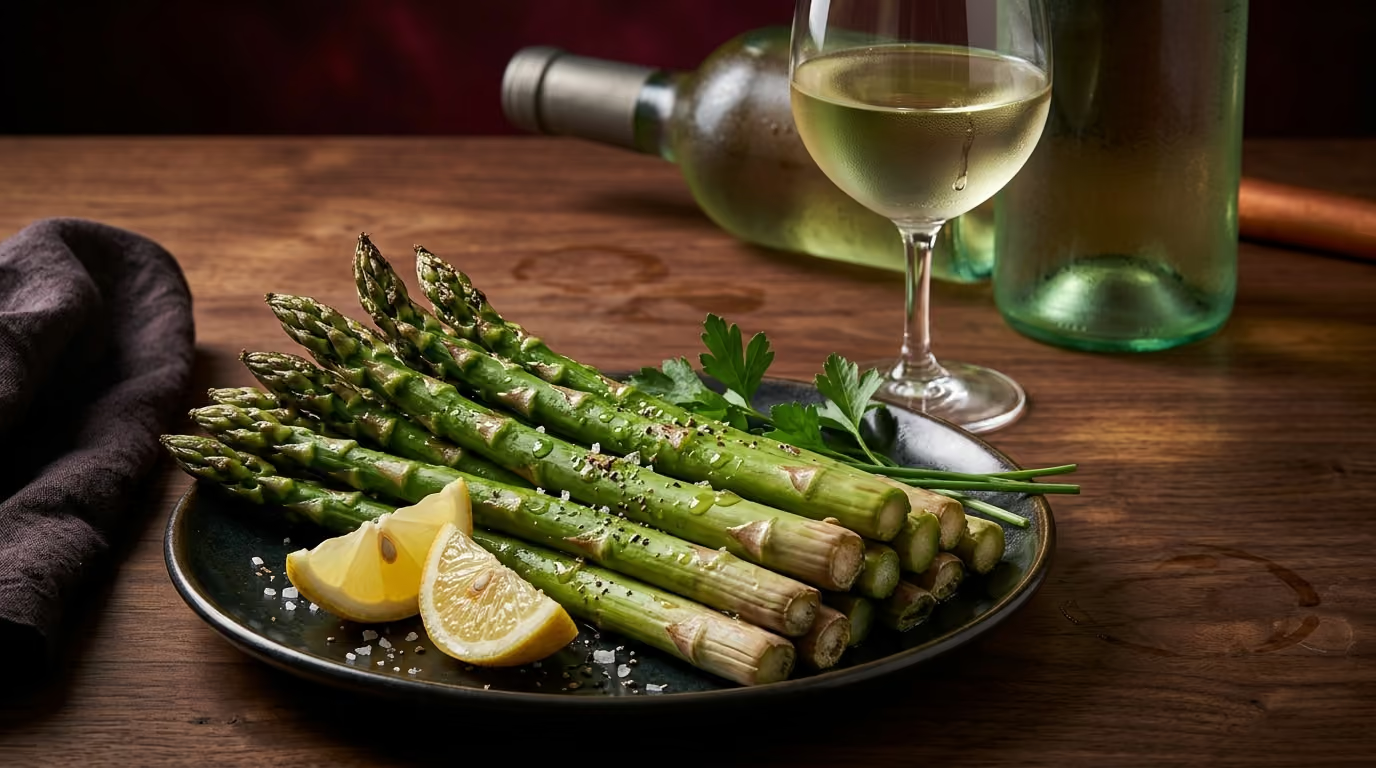
Asparagus is famously difficult to pair with wine. Sauvignon Blanc is the exception, because many Sauvignon Blancs contain pyrazines (chemical compounds that create grassy aromas and flavors of fresh-cut grass, bell pepper, and herbs). Those same pyrazine compounds exist in asparagus. The result is a wine and vegetable that genuinely speak the same flavor language.
Cooking method matters. Roasting or grilling asparagus mellows its intensity and brings out sweetness, which broadens which styles of Sauvignon Blanc work. Steamed or barely blanched asparagus, with its sharper vegetal edge, pairs better with a crisp, mineral-driven Loire Valley style. White asparagus, which is milder and nuttier, is a natural match for Alsatian or Loire Valley bottles.
New Zealand Marlborough Sauvignon Blanc also works well with roasted asparagus in a warm salad with goat cheese and lemon vinaigrette.
Is Sauvignon Blanc Good with Oysters and Shellfish?
Exceptional, especially with Loire Valley styles. The wine's crisp acidity mirrors the briny liquid of a raw oyster, and its mineral character echoes the oceanic, slightly metallic quality of fresh shellfish. Sancerre and Pouilly-Fumé are the traditional choices at oyster bars in the Loire for exactly this reason: the wine and the food share the same terroir logic.
Beyond raw oysters, Sauvignon Blanc handles clams, mussels, scallops, shrimp, and crab well. The pairing principle shifts slightly depending on the preparation:
• Raw oysters or clams on the half shell: Loire Valley mineral styles (Sancerre, Muscadet) are the match. Serve ice cold, no sauce beyond lemon.
• Mussels in white wine or herb sauce: New Zealand or crisp Loire styles. The wine echoes the cooking liquid, and there is more on choosing a bottle for mussels in white wine sauce when the broth is the part you are pairing to.
• Grilled shrimp or scallops: A slightly fuller New Zealand Marlborough handles the char and sweetness.
• Shrimp cocktail: Almost any dry Sauvignon Blanc works here.
The one preparation to avoid is anything in a heavy cream sauce. The richness overpowers the wine's acidity and makes it taste thin.
What Fish Works with Sauvignon Blanc?
Delicate white fish is a foundational pairing. Sauvignon Blanc's crispness and acidity work the way a squeeze of lemon does over the plate, brightening, freshening, cutting through fat from butter or oil. Halibut, sea bass, cod, sole, and flounder all work well.
For very delicate fish like sole or flounder, choose a lean, unoaked style: Chablis or a mineral-driven Loire Valley bottle. For heartier preparations like grilled sea bass or roasted halibut with herbs, a fuller New Zealand Marlborough has enough body to stand alongside the dish.
Salmon is borderline. Lighter preparations, like cold poached salmon with dill and capers, work well. A rich, butter-sauced salmon fillet pushes the wine too far and it will taste acidic and thin by comparison.
For sushi specifically, the pairing logic runs a little differently. White wine for sushi explains why the clean acidity of Loire Valley Sauvignon Blanc outperforms most other whites alongside raw fish and rice vinegar.
What Asian Dishes Pair Best with Sauvignon Blanc?
New Zealand Marlborough Sauvignon Blanc is one of the better white wines for Asian cuisine, particularly Thai and Vietnamese food. Its notes of lime, passionfruit, and lemongrass have direct counterparts in these cuisines, and its high acidity balances spice and rich coconut-based sauces without fighting them.
Thai green curry, Vietnamese spring rolls, lemongrass chicken, and mango-based dishes all work well with a fruit-forward New Zealand style. The key is matching spice level to body: lighter, fresher Thai dishes suit a crisper, more restrained bottle; heavier green or red curry needs something with a bit more body and fruit.
Japanese food is a different match. The delicate umami of sashimi, miso, and clean noodle dishes suits a leaner, mineral-driven Loire Valley style rather than a tropical New Zealand bottle. Wine pairing for Indian food covers similar principles if the occasion is spicier: off-dry Riesling often outperforms Sauvignon Blanc once heat builds past medium.
Chinese cuisine is the trickiest. Dim sum and lighter steamed dishes work. Heavily spiced Sichuan preparations, or dishes with dark, sweet soy-based sauces, push the wine in an uncomfortable direction.
What Salads and Herb-Driven Dishes Pair with Sauvignon Blanc?
Any salad with a vinaigrette or lemon-based dressing is a natural match. The pairing principle is acidity meeting acidity: a sharp, citrusy dressing alongside an equally high-acid wine ensures both stay vibrant and bright rather than flattening each other out.
Fresh herb-forward dishes follow the same logic. Sauvignon Blanc contains the same pyrazine compounds found in basil, parsley, cilantro, and chives. Pesto with linguine, herb-crusted fish, tabbouleh, and chimichurri-dressed dishes all work well. The more assertive the herb, the more assertive the wine can be: a very herbal New Zealand style handles bold pesto; a subtle Loire Valley suits a delicate fines herbes vinaigrette.
Citrus-forward dishes, from ceviche to lemon risotto to chicken piccata, follow the same "like with like" logic and are reliably good matches.
Can Sauvignon Blanc Pair with Vegetarian Food?
Yes, and it is underused here. Plant-based dishes built around mushrooms, miso, roasted vegetables, or anything with umami depth benefit from the wine's acidity as a counterpoint. The brightness cuts through savory, mouth-coating umami and keeps each bite tasting fresh.
Simple sautéed mushrooms with garlic, thyme, and olive oil alongside a New Zealand Sauvignon Blanc is a better pairing than most people expect. Miso-glazed eggplant, roasted cauliflower with tahini, and warm grain bowls with herbs all work.
What does not work: very sweet roasted root vegetables like caramelized carrots or butternut squash soup, or dishes with heavy cream or cheese sauces. Those push the wine toward acidic and sharp rather than fresh and bright.
Which Sauvignon Blanc Style Should You Choose?
The region changes the character significantly, and matching style to food matters almost as much as matching the grape.
When in doubt and the menu is unknown, a New Zealand Marlborough is the most versatile. Its fruit-forward, high-acid profile handles a wider range of foods than the more mineral Loire styles.
Frequently Asked Questions
What is the best food to pair with Sauvignon Blanc?
Goat cheese is the single most reliable pairing. The wine's acidity cuts through the creamy texture while its herbal notes echo the cheese's tang. Oysters and asparagus are close seconds. All three work with any dry, quality Sauvignon Blanc regardless of region.
Does Sauvignon Blanc go with spicy food?
New Zealand Marlborough Sauvignon Blanc handles mild to medium spice well, particularly Thai and Vietnamese dishes. Its fruit-forward acidity balances lemongrass, lime, and chili without amplifying heat. For dishes with heavy spice, off-dry Riesling is a more reliable choice than any Sauvignon Blanc.
Can you pair Sauvignon Blanc with meat?
Not usually with red meat, but it works with lighter proteins. Grilled chicken with herb sauce, pork tenderloin with citrus, and chicken piccata are good matches. Avoid pairing with lamb, steak, or anything with rich dark sauces: the wine will taste thin and sharp by comparison.
What does Sauvignon Blanc taste like?
Dry Sauvignon Blanc typically has citrus notes (lime, lemon, grapefruit), green and herbal aromas (grass, bell pepper, fresh herbs), and high acidity. New Zealand styles add tropical fruit like passionfruit and mango. Loire Valley styles lean toward flint, chalk, and subtle herbs. Neither style is sweet.
Is Sauvignon Blanc good with pasta?
Yes, with the right sauce. Pesto, light herb-cream sauces, clam sauce, and lemon-butter preparations all work well. Avoid heavy red meat ragù, Bolognese, or anything with a rich tomato-and-meat base: those dishes suit red wine, and Sauvignon Blanc will feel out of place.
What cheese goes best with Sauvignon Blanc?
Goat cheese is the top match. Fresh chèvre pairs with Loire Valley Sauvignon Blanc in a way that feels almost purpose-built. Feta, ricotta, and lighter fresh cheeses also work. Aged hard cheeses and anything very rich or intensely flavored like brie, gorgonzola, or aged cheddar are better with other wines.
Conclusion
Sauvignon Blanc's most consistent partners are goat cheese, oysters, asparagus, fresh herb sauces, and most seafood preparations. When the menu is unknown, a New Zealand Marlborough is the white wine default that covers the widest range of situations.
Match the style to the occasion: Loire Valley for raw seafood and classic French food, New Zealand for Asian-influenced dishes and anything herb-forward, Bordeaux-style for richer white meat preparations.
If you are building a short list of reliable bottles, this wine belongs on it. It is one of the few whites that earns a spot at a dinner party regardless of what is being served.