
Confused between Chardonnay and Pinot Grigio? Use this simple guide to pick the right bottle for dinner, menus, and store shelves.
Standing in front of a wine list, Chardonnay and Pinot Grigio can feel like two safe choices and one small panic. The fast answer is simple: choose Chardonnay when you want a fuller, rounder white, and choose Pinot Grigio when you want something lighter, crisper, and cleaner.
That one distinction solves most everyday wine moments. You don't need wine school. You need wine explained simply, with a modern wine guide that works at dinner, in a store aisle, or while ordering by the glass.
Use the feel of the wine as your shortcut, then match it to the food and the mood.
The core differences at a glance
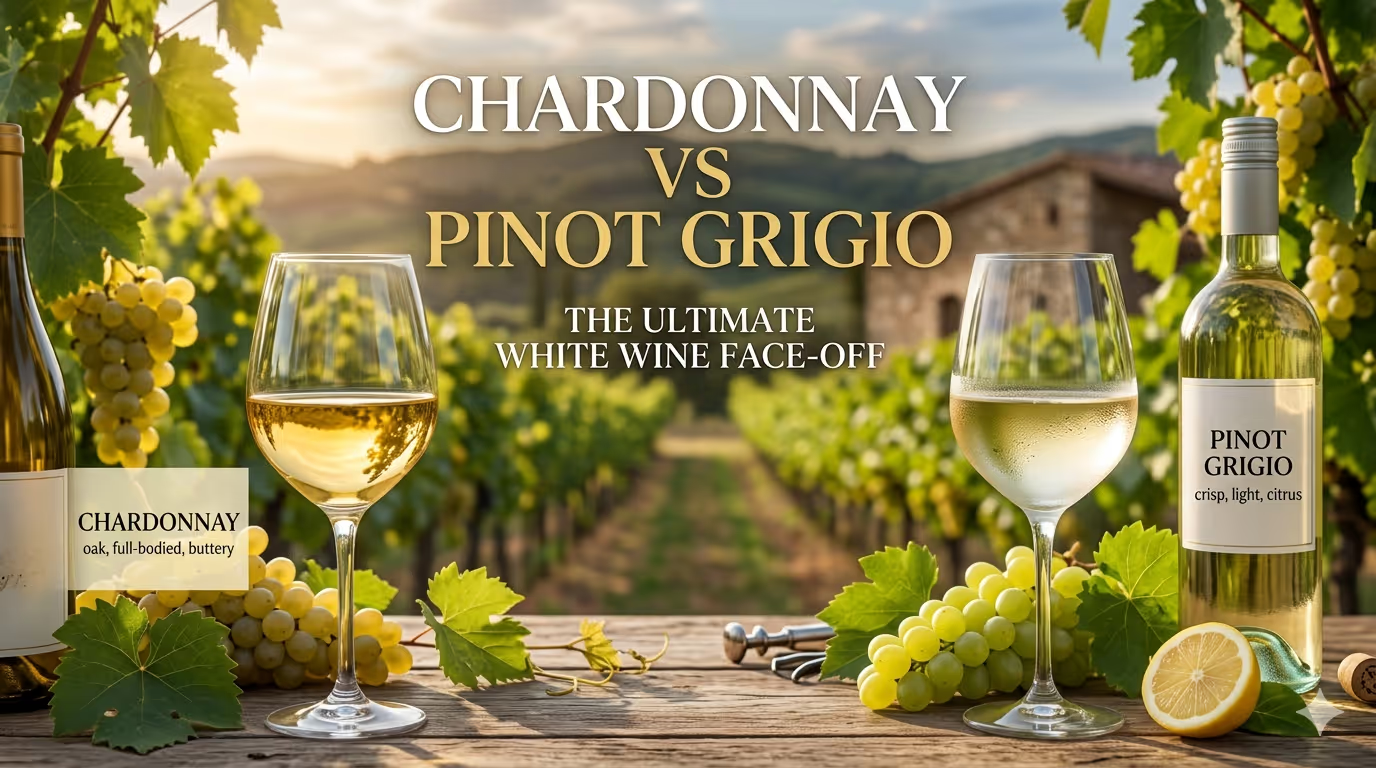
When people compare Chardonnay and Pinot Grigio, the biggest difference is weight. Chardonnay usually feels broader and softer in your mouth. Pinot Grigio usually feels leaner and brighter.
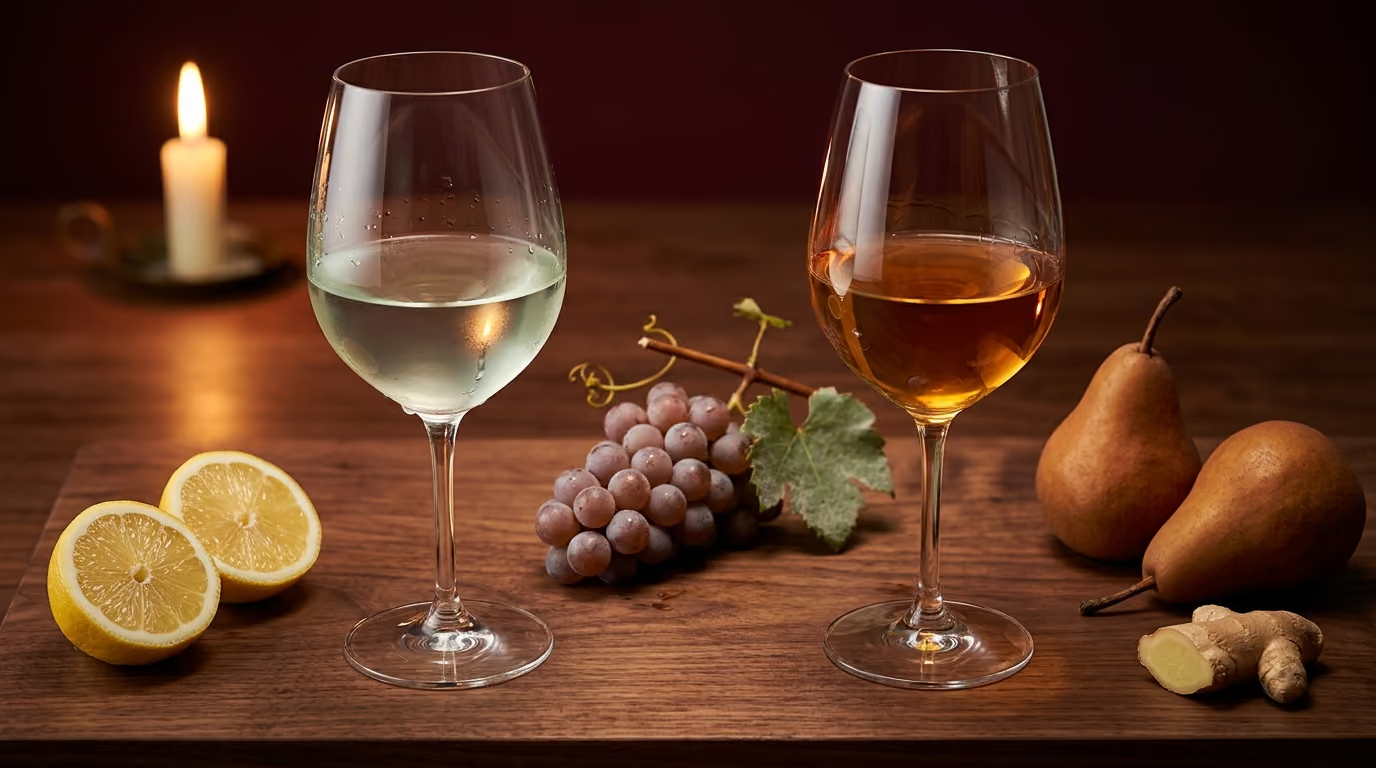
Flavor follows that same split. Chardonnay often brings apple, pear, lemon, and sometimes vanilla or butter, especially if it tastes richer. Pinot Grigio usually leans toward lemon, lime, green apple, pear, and a fresh, crisp finish.
Sweetness confuses a lot of people, so here's the part that matters: both are usually dry. Chardonnay can seem sweeter because it feels richer. Pinot Grigio can seem sharper because it feels lighter. Texture, not sugar, is often what you're noticing.
Chardonnay is richer and rounder. Pinot Grigio is lighter and crisper. For most people, that makes the choice easy.
A quick side-by-side view helps:
| What you want | Chardonnay | Pinot Grigio |
|---|---|---|
| Overall feel | Rounder, fuller | Lighter, brisker |
| Usual flavors | Apple, pear, lemon, vanilla | Lemon, lime, green apple |
| Best with | Creamy or richer dishes | Lighter meals and seafood |
| Mood | Cozy, dinner-table white | Fresh, easy, refreshing |
| Safe pick for | Roast chicken, pasta | Fish, salads, patio sipping |
Most bottles follow that pattern, even though styles vary. Some Chardonnay is fresh and citrusy. Some Pinot Grigio has a bit more softness. Still, the table above works as a solid first move.
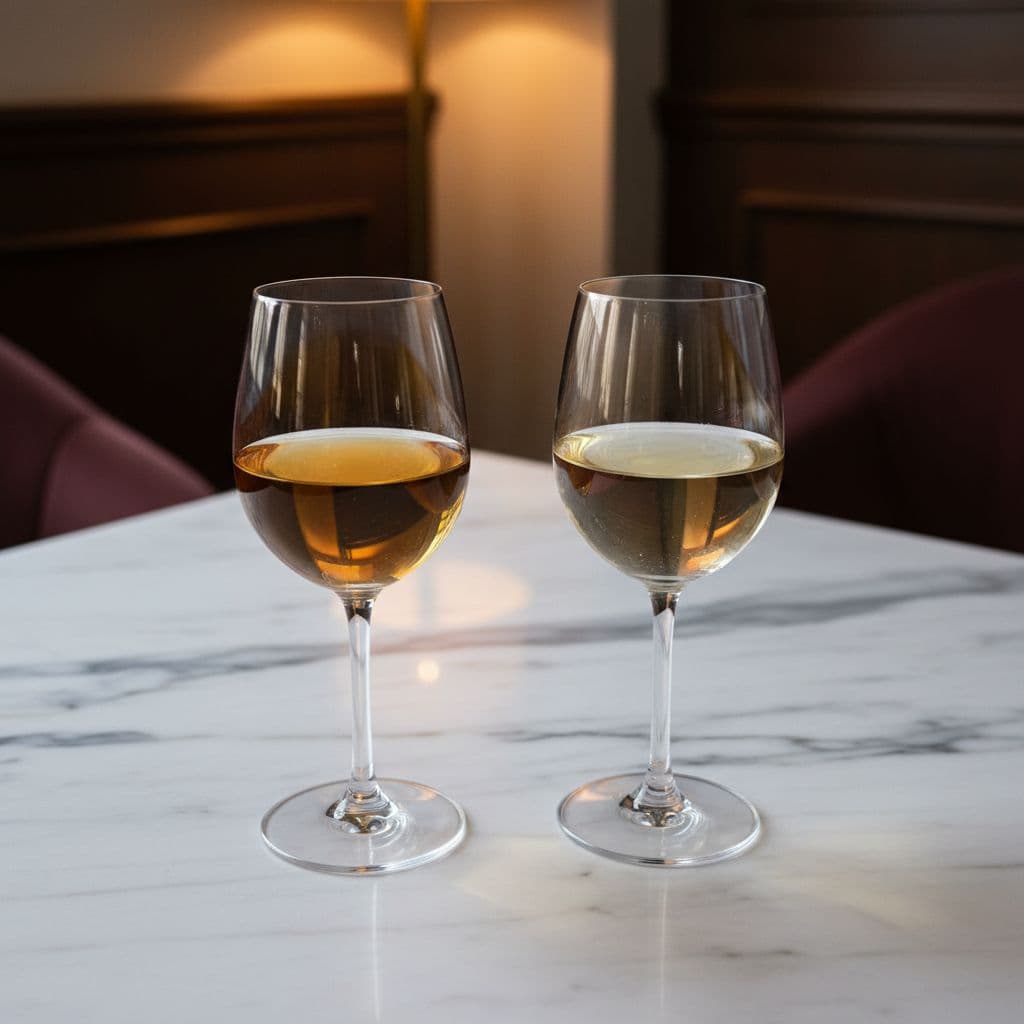
If you want wine tasting notes explained without the poetry, keep it plain. Chardonnay can taste like ripe apple with a soft edge. Pinot Grigio can taste like cold lemon water with a squeeze of pear. Those simple wine explanations are enough to help you choose.
For a broader beginner map of wine styles, TIME's beginner wine guide gives helpful context. Still, for the Chardonnay vs Pinot Grigio decision, weight and freshness matter more than theory.
Choose Chardonnay when you want something softer and fuller
Chardonnay is the better call when dinner has a little richness. Cream sauce, roast chicken, salmon, risotto, and buttery pasta all make more sense with a wine that has some cushion to it.
A good wine pairing guide starts with one plain rule: match richer food with a richer-feeling wine. Because Chardonnay has more roundness, it doesn't disappear next to creamy food. Pinot Grigio often can.
Restaurant menus give clues. If you see words like "butter," "cream," "roasted," or "parmesan," Chardonnay is usually the easier pick. Among the best restaurant wine tips, that one saves time fast.
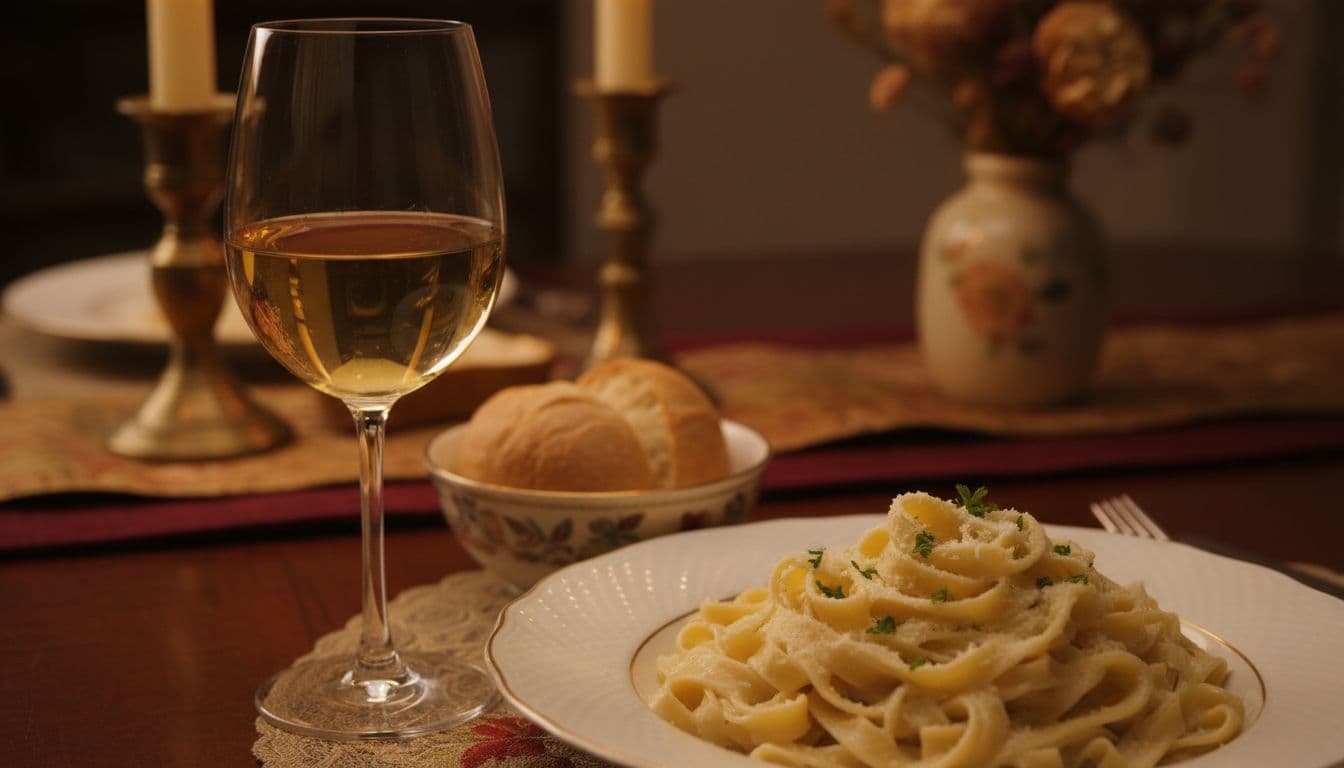
Mood matters too. Chardonnay fits colder nights, slower dinners, and meals that feel a little more comforting. If you want a white wine that feels less sharp and more relaxed, Chardonnay often lands better.
Style can shift inside the category, so one quick question helps at a restaurant: "Is your Chardonnay crisp or more round?" That question gets you better answers than trying to decode a producer or region.
For nervous buyers, Chardonnay is also a steady choice for hosting. Serve it with roast chicken, baked fish, mac and cheese, or a cheese board, and most people will find it easy to enjoy. That's the kind of friendly wine advice that works in real life.
Choose Pinot Grigio when you want crisp, light, and easy
Pinot Grigio shines when the meal feels fresh. Grilled fish, shrimp, salads, sushi, lemony chicken, and simple pasta all love a wine that stays out of the way and keeps things bright.
Lunch works well with Pinot Grigio. Warm weather works well too. So do those nights when you want a glass of wine that feels clean rather than rich. Chardonnay can feel too heavy in those moments. Pinot Grigio usually feels right.
If you're staring at a by-the-glass list and want the safest easy white, Pinot Grigio is often the answer. Few wines are as dependable when you need quick wine recommendations without extra thought.
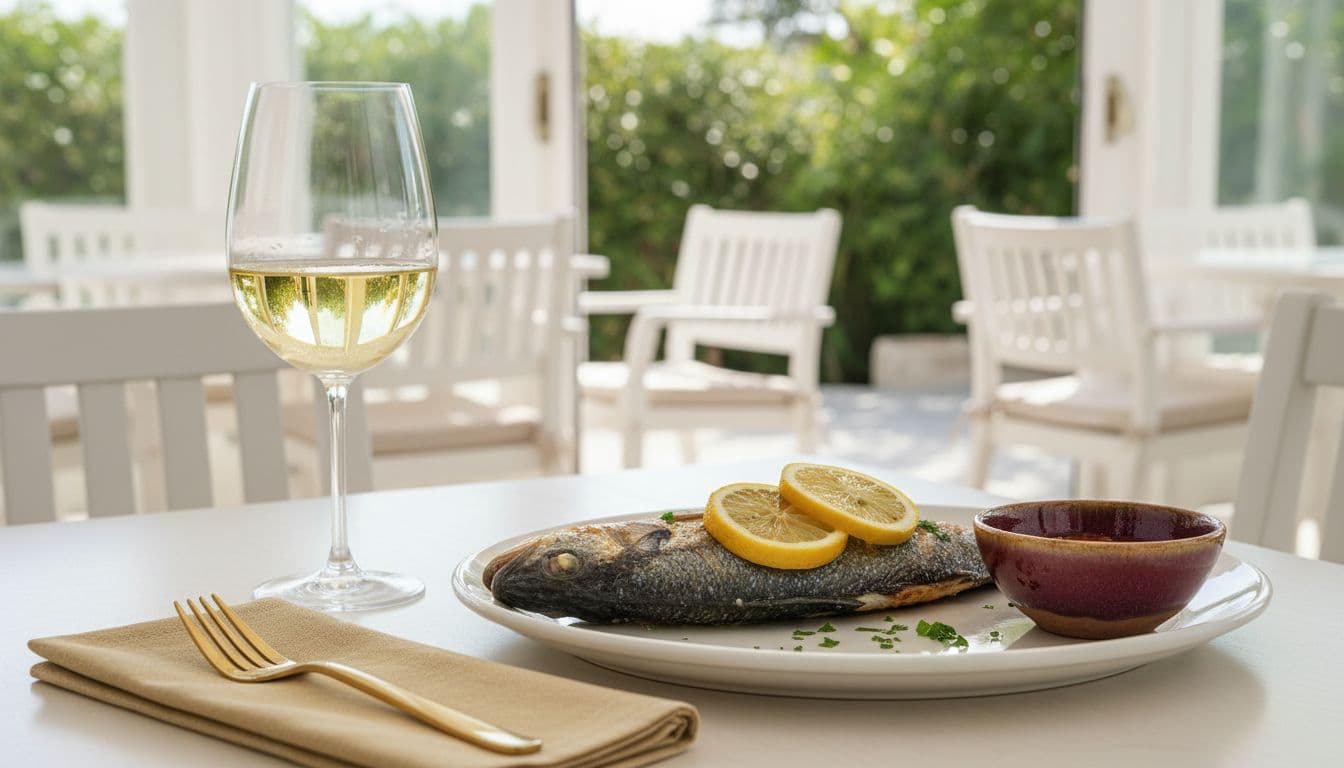
For grocery store wine picks, Pinot Grigio is especially useful when dinner is undecided. Maybe you're grabbing salad, shrimp, takeout sushi, or a veggie pasta. A chilled bottle covers a lot of ground.
Pinot Grigio also helps when you don't want wine to dominate the meal. Some people want wine to be part of dinner, not the center of it. That preference matters, and it should guide the choice.
M&S shares a practical take on how to choose wine that also keeps the process approachable. That same mindset applies here: if you want crisp and easy, Pinot Grigio is usually the calmest call.
How to choose fast on a menu or in the aisle
Most people don't need a lecture on grapes. They need how to choose wine in under 30 seconds. Use this simple filter:
- Pick Chardonnay if you want fuller, softer, or creamier.
- Pick Pinot Grigio if you want lighter, crisper, or fresher.
- Match the wine's weight to the food's weight.
- Stay in the middle of your budget unless you already know a label you love.
Those are the simple wine tips that matter most. Among the best wine list tips, start with the food, then ask for the style in plain English. "Which white is more crisp?" works. "Which one feels fuller?" works too.
For store shelves, skip label panic. A decent mid-price bottle from either style often beats a random expensive pick. WineCountry's guide to picking wine makes the same broader point: confidence usually comes from a clear plan, not from knowing every term on the bottle.
Personal taste still wins. If you already know you like richer whites, lean Chardonnay. If you like refreshing, sharp, easy-drinking whites, lean Pinot Grigio. Sommy's article on tips for choosing wine with confidence builds that habit without turning wine into homework.
A lot of people also want wine explained simply, not dressed up in fancy language. Good everyday wine advice should lower stress, not raise it. A helpful wine guide tells you what to do next.
That is where an AI wine assistant can help. Sommy is built for the exact moment when labels blur together or a menu feels too long. Instead of throwing facts at you, it can give clear wine recommendations based on your taste, budget, and meal.
Many wine app suggestions feel like giant databases. Better tools act more like a calm friend. Because Sommy learns what you like, it can offer personalized wine recommendations, smart wine recommendations, and personalized wine picks that fit the moment. In a loud restaurant or busy aisle, those smart wine picks are often all you need.
If you're still building confidence, Sommy also has practical advice on how to find a bottle you enjoy. Good decisions get easier when you stop trying to impress the room and start picking for your own taste.
Final thoughts
Chardonnay and Pinot Grigio don't need to feel like a trick question. Chardonnay fits richer food and a softer mood. Pinot Grigio fits lighter meals and a crisper mood.
That one distinction can carry you through most menus, parties, and store runs. Simple choices beat nervous guessing.
If you want help choosing wine in the moment, use an AI wine assistant like Sommy for fast, taste-based help. Wine gets easier when the goal is simple: pick a bottle you'll enjoy, then move on with your night.