

Seeing dry creek valley cabernet sauvignon on a menu can trigger a familiar little panic. You know Cabernet. You may even like it. But you still wonder if this bottle will feel too heavy, too pricey, or just wrong for dinner.
Good news. Dry Creek Valley Cabernet is usually a smart pick if you want a red with real flavor, steady structure, and enough freshness to stay enjoyable through a meal. You don't need to study Sonoma or memorize producers to choose well. You just need a few clear clues.
That Moment You See Dry Creek Valley on a Menu
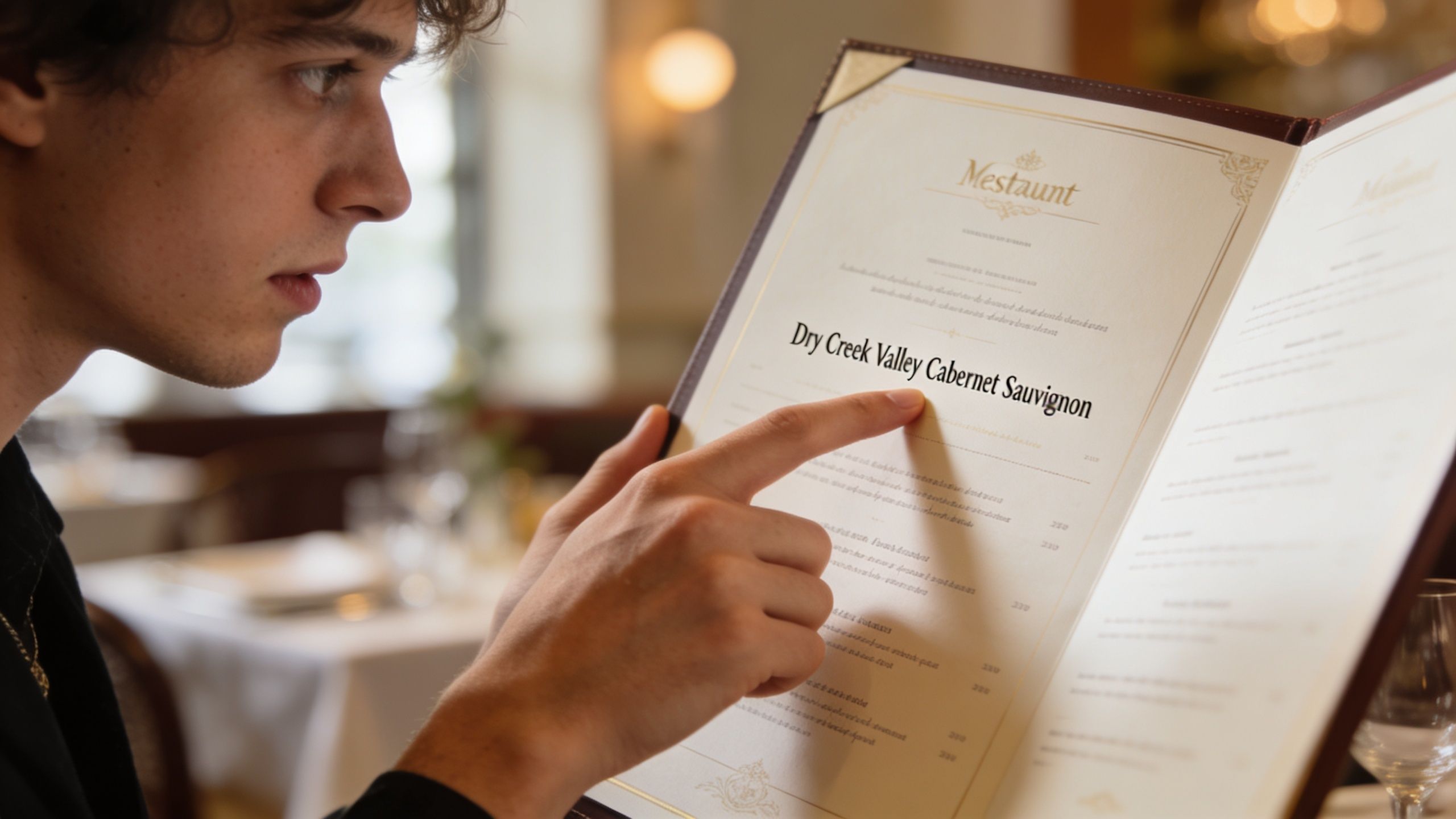
The list hits the table, you spot dry creek valley cabernet sauvignon, and the decision stalls for a second. You know Cabernet in broad strokes. What you want to know is whether this one will drink like a polished dinner wine or a dense, expensive glass that takes over the meal.
That is the useful question.
The fast answer
Dry Creek Valley Cabernet is often a good call when you want Cabernet character without the sheer weight some drinkers expect from bigger-name regions. In practice, that usually means enough fruit and structure to stand up to food, but with a fresher feel that keeps the bottle easy to finish at the table.
That matters more than region trivia. If you are choosing from a short restaurant list, the name gives you a practical clue.
- With grilled meat: Usually a safe bet because the wine has grip and savory tones without feeling harsh.
- At a shop: Often a smart middle ground if you want a serious bottle that does not read as showy.
- For a group: Easier to please mixed palates than very ripe, very oaky Cabernet, since it tends to stay more composed.
Practical rule: If you want Cabernet that supports dinner instead of dominating it, Dry Creek Valley is a strong place to start.
Why the name can still throw people
Dry Creek Valley gets mentioned more often for Zinfandel, so Cabernet can feel easy to overlook. That is exactly why the AVA name helps. It can signal a style choice.
A bottle from here often appeals to drinkers who like Cabernet with definition rather than pure mass. If a menu also lists Napa options and you are wary of the biggest, ripest style, Dry Creek Valley can be the more comfortable pick. If you love dense oak, plush texture, and maximum power, it may not be the first bottle to order.
Those are the kinds of clues worth using on a wine list. Region names are not just facts to memorize. They are shortcuts that help predict whether the glass in front of you will match what you enjoy.
If restaurant wine lists make you freeze, this guide to reading a wine list can make the next decision feel much easier.
What to Expect from the Flavor
The easiest way to think about dry creek valley cabernet sauvignon is simple. It often tastes like Cabernet with lift.
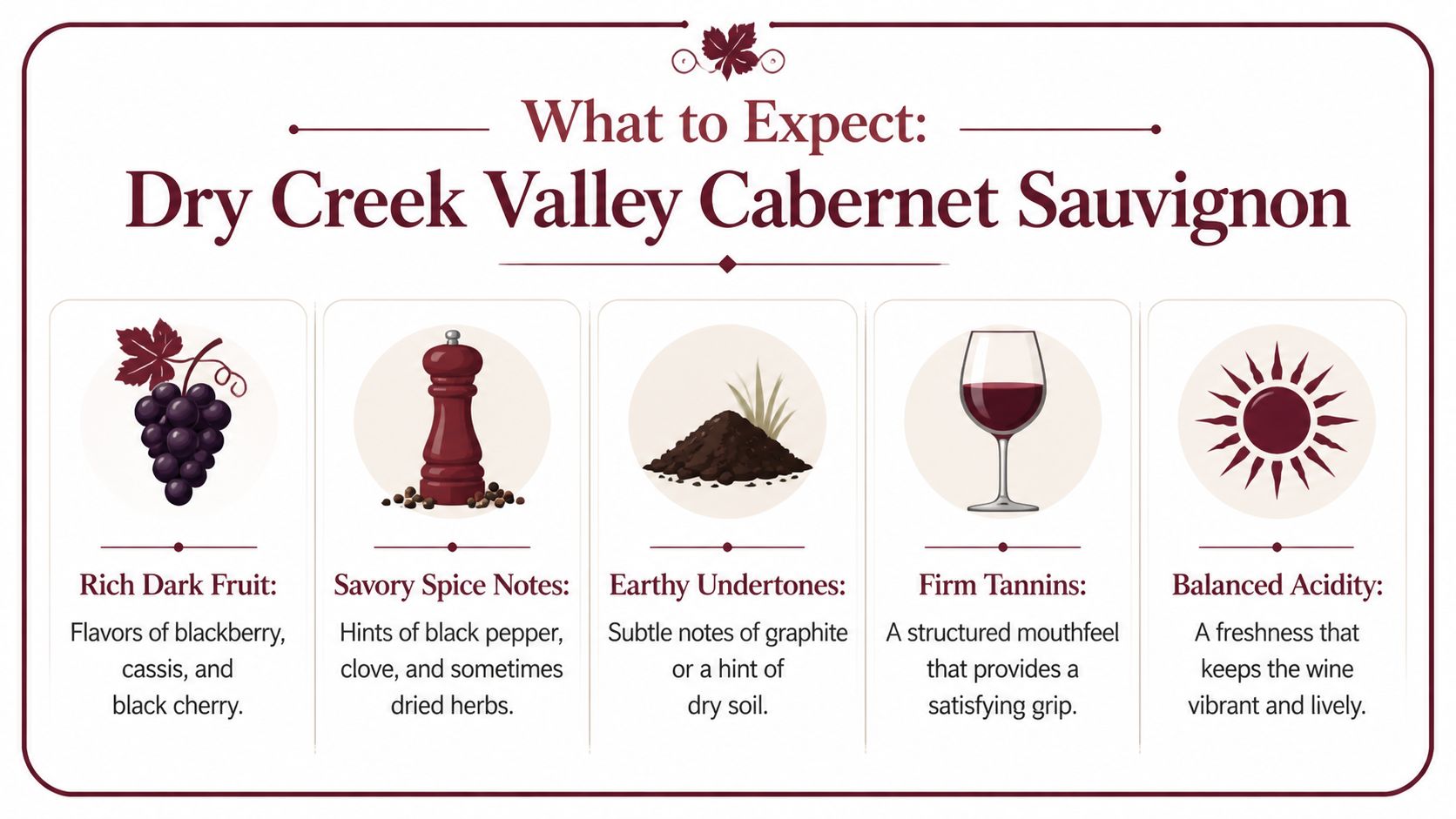
You still get the dark fruit and the firm feel people expect from Cabernet. But many bottles also show brighter fruit and a fresher edge that keeps the wine from feeling too thick or sleepy.
What you'll likely notice first
A useful flavor snapshot comes from Dry Creek Vineyard's Cabernet profile on Vivino. It often includes bright red cherry, raspberry, and cassis, with hints of dried thyme and espresso, then moves into a full-bodied palate with black currant and mocha plus firm tannins that support both early drinking and aging, as noted on the Dry Creek Vineyard Cabernet listing on Vivino.
In plain language, that usually means:
- Fruit first: Think cherry, darker berries, and cassis rather than jam.
- A savory edge: Herbs, espresso, or a lightly earthy note can show up and make the wine feel more dinner-friendly.
- A dry finish: You may feel some grip on your gums or tongue. That's normal for Cabernet.
Who usually likes it
Dry Creek Valley Cabernet tends to work for a few kinds of drinkers.
| Taste preference | What Dry Creek Valley Cabernet may feel like |
|---|---|
| You like Cabernet but hate overly heavy reds | Structured, but often fresher and easier at the table |
| You want fruit without sweetness | Ripe fruit flavor, but still dry |
| You want a red for food, not just sipping | Savory enough for dinner, not just couch wine |
What it does well and what it doesn't
A lot of people want a red that feels impressive and easy at the same time. Dry Creek Valley Cabernet can do that.
What works:
- Meals with char or salt: The fruit softens the edges of grilled food.
- People who want a clear Cabernet identity: It still feels like Cabernet.
- Mixed groups: It often lands in a middle ground that many people enjoy.
What doesn't always work:
- If you want a very soft, silky red: Cabernet grip is still part of the package.
- If you want something light and juicy: Go elsewhere.
- If you only like huge, plush, very ripe Cabernet: Some Dry Creek Valley bottles may feel more restrained than you expect.
A good mental shortcut is "dark fruit, herb, espresso, grip, and enough freshness to keep pouring another glass."
If tasting words usually feel vague, this plain-English guide to describing wine taste helps turn "I don't know how to say it" into something useful.
Why This Wine Tastes the Way It Does
A bottle can say Dry Creek Valley and still drink in a few different ways. The useful clue is not memorizing appellation trivia. It is knowing what usually pushes the wine toward ripe and generous, or toward firmer and more savory.
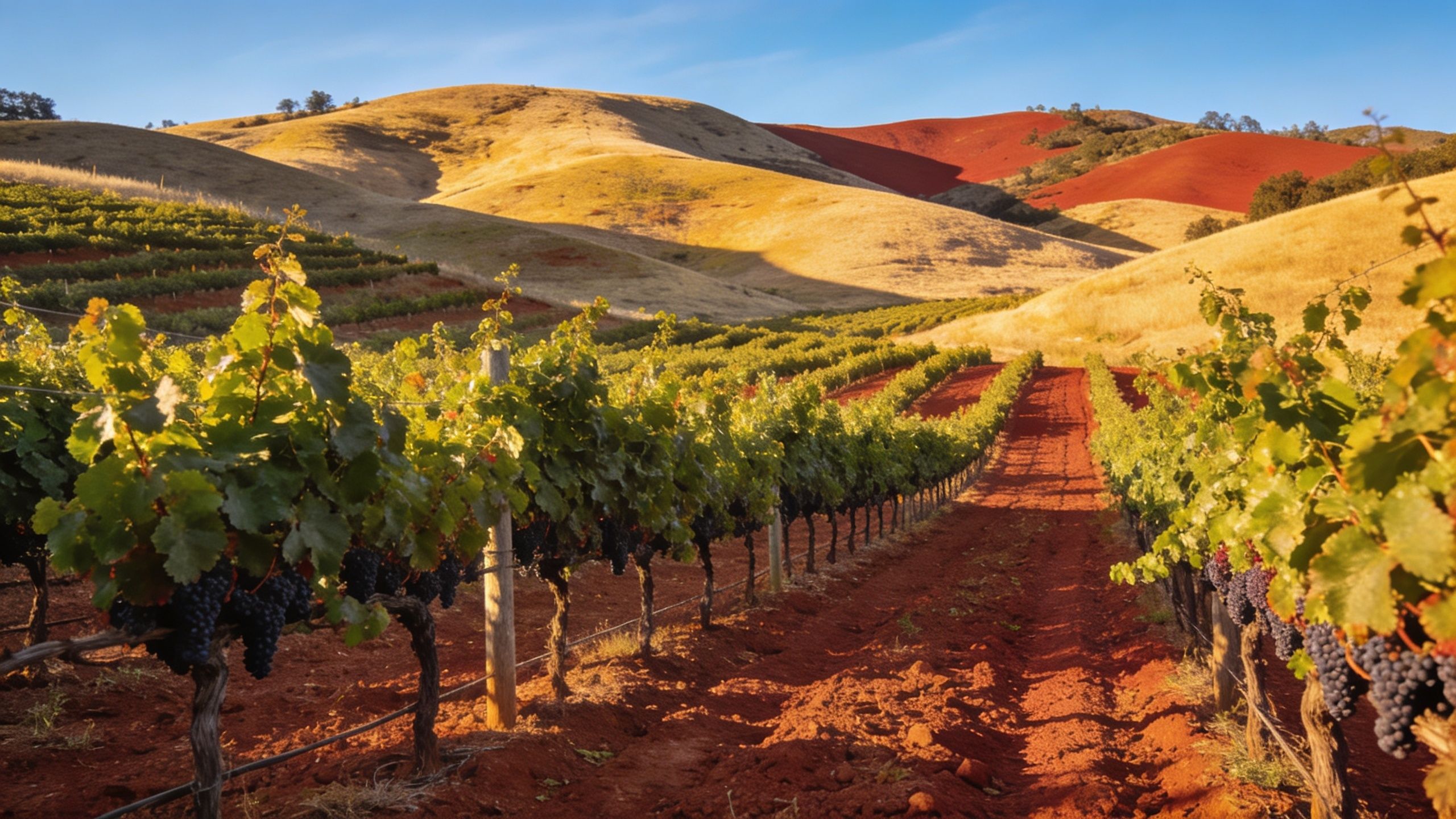
The broad pattern is simple. Dry Creek Valley Cabernet often gets enough warmth to build dark fruit flavor, but it usually keeps more lift than many drinkers expect from warm-climate Cabernet. In the glass, that often shows up as blackberry or cassis with a line of herb, cocoa, espresso, or dusty earth instead of a heavy, jammy finish.
That balance matters because it changes the kind of pleasure the wine gives. Some Cabernets impress for one glass, then feel tiring. Dry Creek Valley often does better at the table. You still get Cabernet depth and grip, but the wine can stay alert enough to keep drinking with food.
Site and producer choices shape that baseline. Fruit from warmer, more exposed spots often tastes darker, fuller, and a little broader. Bottles from cooler pockets or more restrained producers can show more savory edges, firmer structure, and less obvious sweetness of fruit. Oak use matters too, but from a drinker's point of view the question is straightforward. Do you want more mocha and polish, or more fruit clarity and herb notes?
That is the practical read on terroir. It is less about geology for its own sake and more about prediction.
Use these taste clues:
- Riper fruit, softer first impression: often comes from warmer sites or a richer house style
- More herbal lift and firmer grip: often comes from cooler spots, earlier-picked fruit, or a more restrained producer
- More cocoa, vanilla, or espresso: often signals a more oak-shaped style
- More freshness with dinner: often points to a bottle that keeps acidity and savory detail in view
If you already know the kind of Cabernet you enjoy, this helps narrow the field fast. A good guide to different Cabernet styles and what they taste like can also make those label clues easier to use when you're choosing between bottles.
How to Choose a Bottle You Will Actually Enjoy
When you're standing in a store or scrolling a wine list, don't try to identify the "best" dry creek valley cabernet sauvignon. That's not a useful goal in the moment.
Try to find the bottle that matches how you like Cabernet to feel.
Start with your preference, not the label
Ask yourself one quick question.
Do you want a Cabernet that feels:
- More approachable tonight
- More serious and structured
- More polished for a special meal
That answer is more useful than trying to decode every producer name.
Clues that usually help
Some labels give small hints that matter.
If you see mention of benchlands or a vineyard-designate Cabernet, that can be a practical signpost. Dry Creek Valley's best Cabernet often comes from benchland sites with gravelly clay loam soils that drain well, concentrate flavor, and create structure that ages well, according to Dry Creek Valley's overview of other reds.
That matters because structure changes the drinking experience.
- Benchland or vineyard-designate mentions: Often worth considering if you want more shape, more grip, and a more special-occasion feel.
- Straight regional bottlings: Often a good fit if you want a flexible dinner bottle and don't want to overthink it.
- Blends with other Bordeaux grapes: Can make the wine feel a little rounder or more layered.
A simple shelf and list framework
Use the bottle description or server notes to place the wine into one of these lanes.
| If you want | Look for clues | Skip if |
|---|---|---|
| Easy dinner Cabernet | Dry Creek Valley Cabernet with general regional labeling | You want something very age-worthy or more intense |
| More structure | Benchland or vineyard-designate wording | You prefer softer reds |
| A polished middle ground | Cabernet blended with grapes like Merlot or Malbec | You only want very pure, stern Cabernet character |
What works in practice
A few real-world habits help more than memorizing producers.
First, read for style words, not prestige words. If the list says cherry, cassis, herbs, mocha, or firm tannins, you're getting a much better clue than if it says celebrated, acclaimed, or limited.
Second, match the bottle to the meal, not the occasion hype. A simpler bottle with a burger or roast chicken is often the better pick than a more structured bottle chosen just because it sounds important.
Third, don't treat every Cabernet like a trophy wine. Dry Creek Valley Cabernet can be a very good choice precisely because it often stays practical. It can feel special without demanding that the whole evening revolve around it.
If you know you like Cabernet but don't want to gamble on something overly heavy, Dry Creek Valley is often a low-stress choice.
For a broader sense of where Cabernet fits your taste, this guide to Cabernet wines can help you narrow your style before you buy.
Simple Pairing and Serving Tips
Dry Creek Valley Cabernet is at its best with food that has some salt, char, herbs, or fat. You don't need a fancy menu. You just need something with enough flavor to meet the wine halfway.
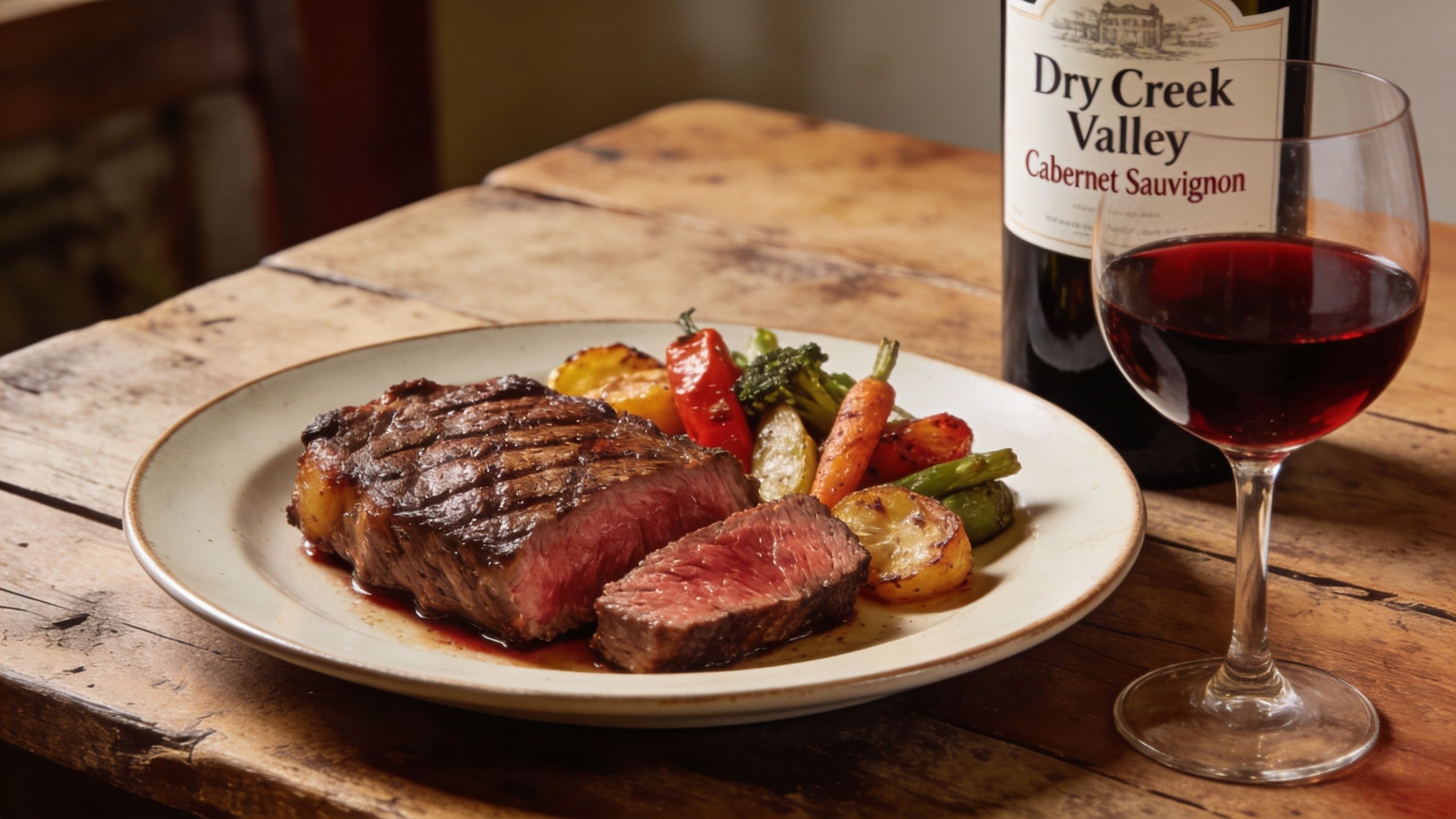
Easy pairings that usually work
Winemakers in the region often use extended fermentations and blending with grapes like Merlot and Malbec, which helps create balanced acidity and firm tannins that pair especially well with rich foods like grilled lamb or herb-crusted beef roasts, according to Mill Creek Winery's product sheet.
Use that as permission to keep pairings simple.
- Steak: A classic for a reason. Salt and char help the wine show better.
- Lamb: Especially good if herbs are involved.
- Beef roast: Great for a bottle that has a bit more grip.
- Mushrooms: A smart choice if you want a meat-free pairing with enough depth.
- Burger night: Very often a better match than people expect.
A few serving moves help
Serve it slightly cool rather than overly warm. If a bottle has been sitting in a warm room, a short chill can make it taste more balanced and less heavy.
If the wine tastes tight when first opened, give it a little air in the glass or in a decanter. You don't need a ceremony. Even a short stretch of time can help the fruit and savory notes show up more clearly.
A quick visual guide can help if you're choosing for steak night.
What usually doesn't help
A few mistakes make Cabernet feel harder than it needs to.
- Serving it too warm: That can push the alcohol and flatten the freshness.
- Pairing with delicate fish: The wine usually overwhelms it.
- Opening and pouring immediately when the wine seems tight: A little patience often improves the experience.
If dinner is built around beef, this steak dinner wine guide can help you narrow the choice fast.
Let an AI Assistant Handle the Details
By the time wine is being selected, a lesson isn't desired. Relief is sought.
They want to know if dry creek valley cabernet sauvignon is likely to fit dinner, whether it will feel too heavy, and whether it's a safe bet for the table. That's why simple clues matter more than deep theory. Cherry and cassis with some herbs. Enough grip for steak or lamb. Better odds if the bottle mentions benchlands or a vineyard site. That's plenty.
You also don't need to remember all of it.
When a quick decision matters more than wine knowledge
Restaurant lists, retail shelves, and dinner parties all create the same kind of pressure. You have limited time, too many options, and a real fear of choosing wrong.
That’s exactly where a practical tool earns its place. Not as a wine encyclopedia. As a quiet helper.
The best wine advice often isn't more information. It's a clear answer at the moment you need one.
Why taste-matching beats guessing
A bottle can be good and still be wrong for you. That's the part many wine articles skip.
What helps more is matching the bottle to your own pattern:
- Do you like Cabernet with more freshness?
- Do you want something for steak, lamb, or a burger?
- Are you buying for yourself or trying to please a group?
If restaurant wine choices stress you out, this article on AI wine assistants for restaurant lists shows how that kind of decision can get much easier.
You don't need perfect wine vocabulary. You need a faster path to "yes, order that one" or "no, skip it."
If you want help choosing wine in the moment, Sommy.ai is built for exactly that. It acts like a personal wine decision assistant, helping you scan a list or bottle, match it to your taste, and choose with a lot less second-guessing.