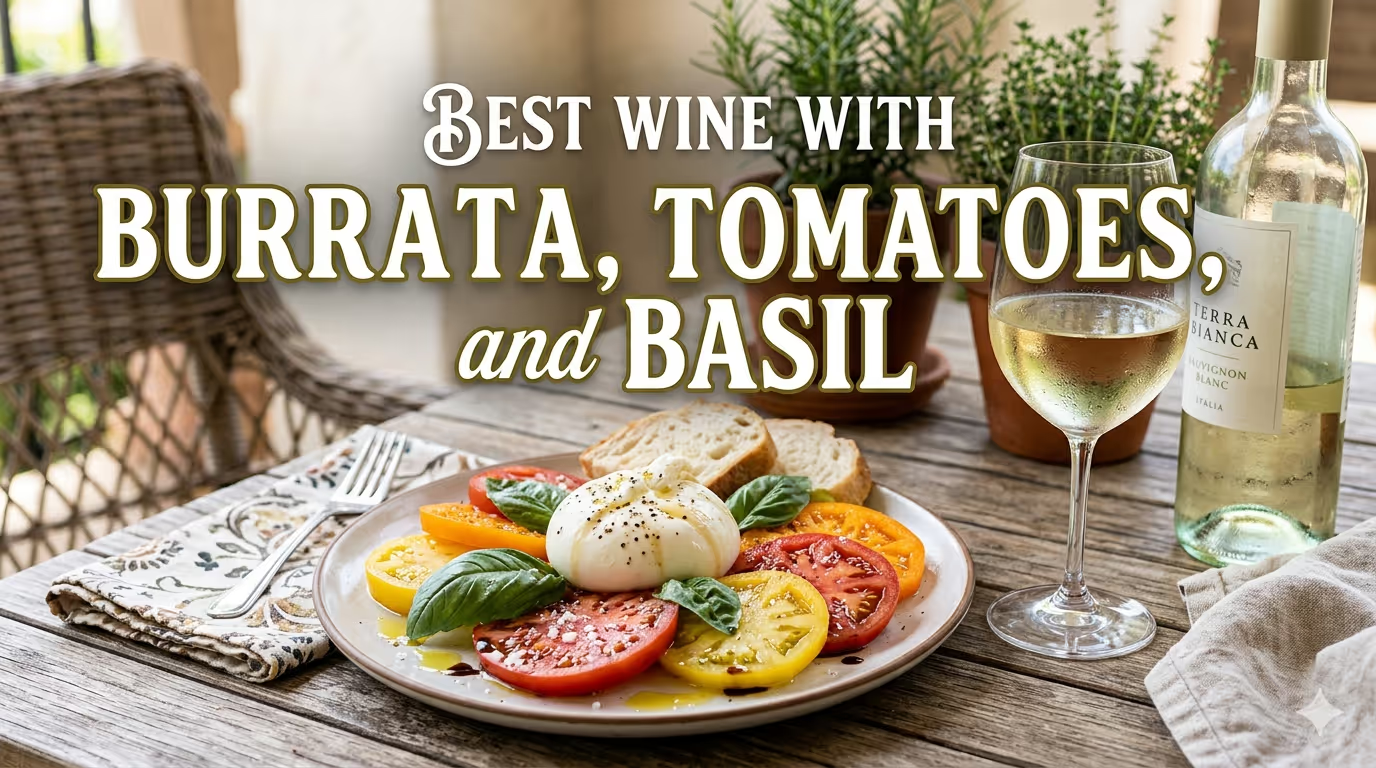

The plate lands on the table, cool burrata in the center, tomatoes shining, basil smelling like summer. Then the wine question hits. For a strong burrata wine pairing, start with a crisp dry white, usually Sauvignon Blanc, Pinot Grigio, or Vermentino. A dry rose is the next safest pick, and a light chilled red only works in a few versions of the dish.
Plenty of people freeze in that moment because they don't want to choose wrong. Good news, this pairing is easier than it looks. Keep the wine fresh, light, and dry, and the meal usually falls into place.
What makes this pairing work so well
Burrata is rich, but it isn't heavy in the way steak or creamy pasta is heavy. The cheese feels lush and milky. Tomatoes bring acid, sweetness, and juice. Basil adds a green, peppery lift. Olive oil can make the plate rounder, while balsamic adds tang and a touch of sweetness.
Because of that mix, the wine has one clear job. It needs enough freshness to cut through the creaminess, but it can't stomp on the food. Big reds flatten the tomatoes. Heavily oaked whites can make the whole plate feel thick. Fresh, dry wine keeps every bite lively.
A simple wine pairing guide for this dish comes down to balance. Match the light feel of the plate, then protect the tomato's brightness. If you want broader tips for matching wine with food, the same rule keeps showing up, light food wants light wine.
The safest move is simple: bright wine for bright food, soft wine for soft cheese.
That one line does more than most long wine theory lessons. Good wine recommendations here don't need fancy language. You want lift, clean acidity, and a finish that feels refreshing instead of rich.
The best wines to pour with burrata, tomatoes, and basil
A few styles work again and again because they wake the dish up instead of weighing it down.
| Wine style | Why it works | Best moment |
|---|---|---|
| Sauvignon Blanc | High acidity cuts the cheese and sharpens tomato flavor | Safest restaurant order |
| Pinot Grigio or Pinot Gris | Clean, light, citrusy profile keeps the plate airy | Easy weeknight bottle |
| Vermentino | Herbal, salty edge suits basil and olive oil | Outdoor lunch or aperitivo |
| Dry rose | Fresh fruit plus crisp finish handles tomato and balsamic | Best crowd-pleaser |
| Light Lambrusco | Gentle bubbles and red fruit suit creamy cheese | Good if you want red |
Sauvignon Blanc is the easiest call. It tastes brisk and clean, so your palate resets after each bite. Pinot Grigio and Pinot Gris do a similar job, but they feel a little softer. A real-world example like this Pinot Gris and burrata pairing shows how natural that match can feel with ripe tomatoes and basil.

Fresh, light wines keep the plate bright rather than heavy.
Dry rose deserves more attention. It has the lift of white wine, but it also carries enough fruit to sit comfortably beside sweet tomatoes. If your plate has balsamic glaze, toasted bread, or a generous pour of olive oil, rose can be the best bottle on the table.
Light red is the wildcard. Lambrusco works because the bubbles scrub the palate clean and the fruit doesn't overpower the food. If wine tasting notes explained on a menu feel like a chore, ignore the poetry and order by style.
Small changes on the plate can shift the wine
Not every burrata plate looks the same, and those little changes matter. A plain plate with tomatoes, basil, olive oil, and flaky salt wants the freshest wine possible. Sauvignon Blanc, Pinot Grigio, or Vermentino stay in first place there.
Add balsamic glaze, and the pairing moves slightly. That sweet-tart note makes dry rose more attractive because it can handle the extra sweetness without tasting sharp. Lambrusco also moves up, especially if the dish comes with grilled bread or charred tomatoes.
Pesto pushes the wine in a green, herbal direction. Crisp whites still win, but the best choice now often has a salty or savory edge. That's why examples like Steen with burrata and basil pesto make sense. The acidity lifts the cheese, while the herbal tone sits comfortably beside basil.
Prosciutto or other cured meat changes the feel again. The plate gets saltier and a little meatier, so dry rose starts to shine. Sparkling Brut also works well because bubbles slice through both cheese and fat.
Meanwhile, chili flakes or hot honey ask for caution. A super sharp white can make heat feel hotter. Dry rose or a softer white becomes the safer move. Sweet wine rarely helps with this dish unless the whole plate is built around sweetness, which is unusual.
Extra balsamic, pesto, or grilled bread can shift the best choice from white to rose or light red.
How to choose wine at a restaurant or in the store
Most people don't need a wine lecture. They need to know how to choose wine while a server waits or while they stand in the aisle after work.
Restaurant wine tips that save time
At a restaurant, start with the by-the-glass section. Look for Sauvignon Blanc, Pinot Grigio, Vermentino, dry rose, or sparkling Brut. Those are the most useful restaurant wine tips for a burrata starter. If the menu mentions balsamic, roasted tomatoes, or toasted bread, move rose a little higher.
Skip heavy Cabernet, dense Syrah, and buttery Chardonnay. Their weight lands like a wool coat on a summer plate. If the red list is full of dark, serious bottles, order sparkling or rose instead.
Short wine list tips work best under pressure. Ask for the freshest dry white on the list, then mention the dish. You don't need insider language. Calm, direct words get you there faster.
Grocery store wine picks that travel well
For grocery store wine picks, ignore medals and long back-label stories. Search for dry white or dry rose in the $12 to $25 range. Words like "crisp," "fresh," "dry," "bright," and "citrus" help. Descriptors like "vanilla," "toast," "mocha," or "jam" usually point in the wrong direction.
A short wine guide in your head beats shelf clutter. Fresh white, fresh rose, light bubbles. That's enough. If you want a wider framework for home meals, Sommy's how to pair wine with food uses the same light-dish, light-wine rule.
People often want wine explained simply, not wrapped in jargon. You don't need wine tasting notes explained line by line. Most shoppers only need simple wine explanations that answer three questions: Is it dry, is it fresh, and will it feel light next to the dish?
A modern wine guide should lower stress
A good wine guide should help you decide fast. A modern wine guide should feel calm, useful, and human. Most drinkers want friendly wine advice, simple wine tips, and everyday wine advice they can use in ten seconds. They want wine explained simply, with clear wine recommendations that fit the plate in front of them.
That need matters because choosing wine often feels harder than it should. Labels blur together. Menus pile on unfamiliar names. Generic wine app suggestions can add more noise if they focus on trivia instead of taste. Better tools give smart wine recommendations based on what you like and what you are eating.
Sommy fits that job well because it is a personal wine decision assistant, not a wine encyclopedia. It works like an AI wine assistant that learns your taste over time. Then it turns that knowledge into personalized wine recommendations, personalized wine picks, and smart wine picks when you're staring at a shelf or menu. That kind of help feels practical because you get a decision, not a lecture.
The best pairing help should feel clear, quick, and low-pressure.
For burrata with tomatoes and basil, the short list is enough. Choose Sauvignon Blanc, Pinot Grigio, Vermentino, dry rose, or light Lambrusco. Skip heavy oak and heavy tannin, and your odds of a great match go way up.
Final Thoughts
The safest answer is also the best answer most nights. For burrata, tomatoes, and basil, a crisp dry white wins because it keeps the plate lively from first bite to last. Dry rose follows close behind, while light chilled red works when the dish leans richer.
Confidence matters more than wine jargon. If you want help choosing wine in the moment, use a short personal rule or an AI tool that gives clear wine recommendations fast. Sommy is one good option when you want the right bottle without turning dinner into homework.