
The best wine for Italian food follows one simple rule: match the wine to the sauce, not the pasta or the protein. For tomato dishes like marinara or pizza, reach for a high-acid red such as Chianti. For creamy or seafood dishes, a crisp dry white like Pinot Grigio or Vermentino cuts the richness. Get the sauce right and the rest falls into place.

Italian wine can feel like a puzzle. There are thousands of native grapes and fiercely distinct regional cuisines, so it is fair to wonder where to even start. The good news is that the core ideas are simpler and more rewarding than the label jargon suggests. A handful of principles will let you pick a great bottle for any Italian meal, at home or off a restaurant list, without memorizing a single wine list.
The one rule: match the wine to the sauce
If you take away only one idea, make it this: match the wine to the sauce, not the noodle or the meat. A rich, meaty bolognese and a light, herb-driven pesto call for completely different wines, even though both might sit on top of the same spaghetti. The sauce sets the flavor of the dish, so it should set your wine too, which is why the best wine for bolognese is a different question from the best wine for pesto.
This one shift makes every choice easier. Instead of getting lost in options, you zero in on the dominant flavor in front of you. It is the same logic we use in our full guide on how to match wine with food, applied to the Italian table.
There is a second idea worth holding onto: what grows together, goes together. Italian wines evolved next to Italian food over centuries, which is why they share two traits that make them ideal dinner partners. They carry bright, mouthwatering acidity that cuts through fat and cleanses the palate, and they lean savory and earthy, with notes of tomato leaf, herbs, and dusty soil that complete a dish rather than fight it. Italian wines are built to serve the meal, not to be the star.
Pair by sauce family (the four that cover almost everything)

Nearly every Italian dish falls into one of four sauce families. Learn these and choosing a bottle becomes quick. Each family has a personality that points you straight to its best partner, and each has a trap to avoid.
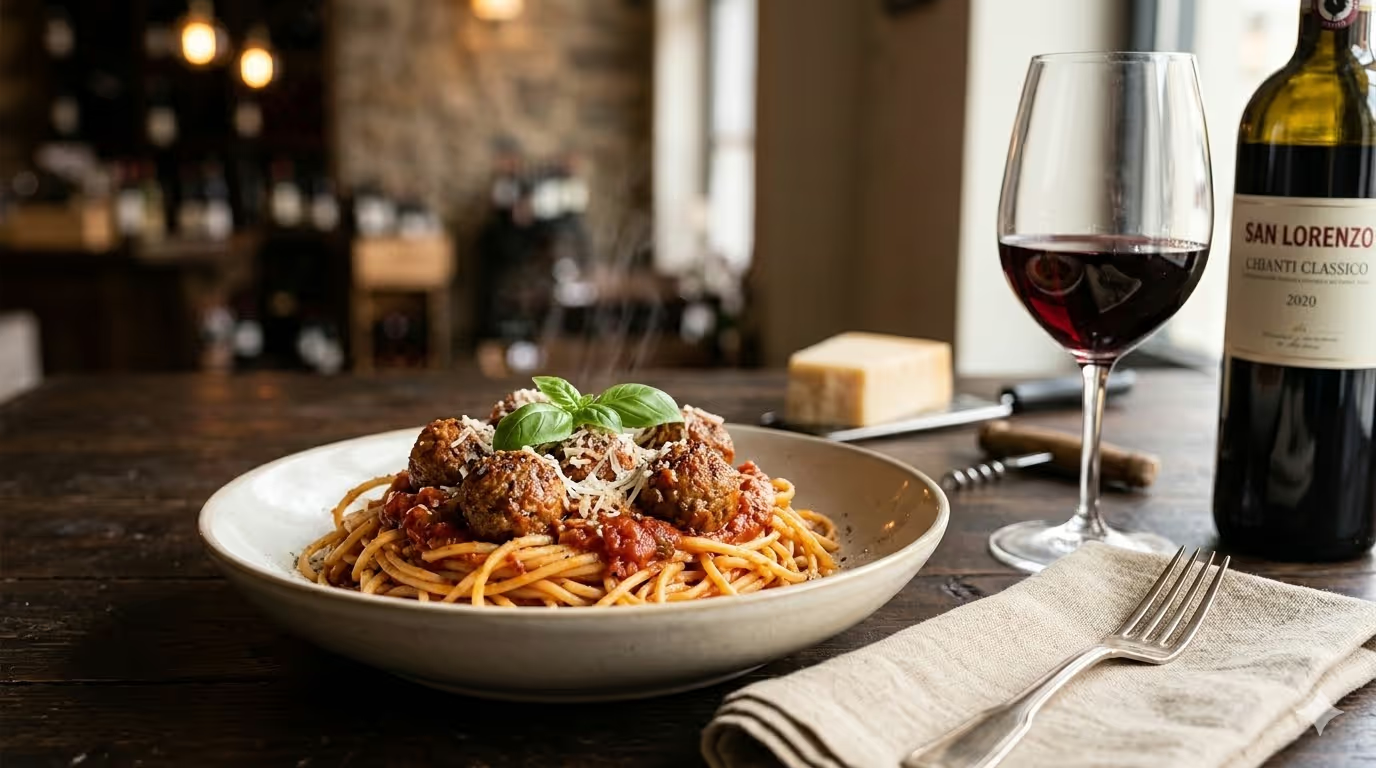
- Tomato-based (marinara, arrabbiata, amatriciana): bright and tangy, so you need a wine with equal or higher acidity or it tastes flat. This is where high-acid Italian reds shine. A tomato-and-cheese plate like wine for chicken Parmesan is really a tomato-sauce question, and the same bright reds carry across the family.
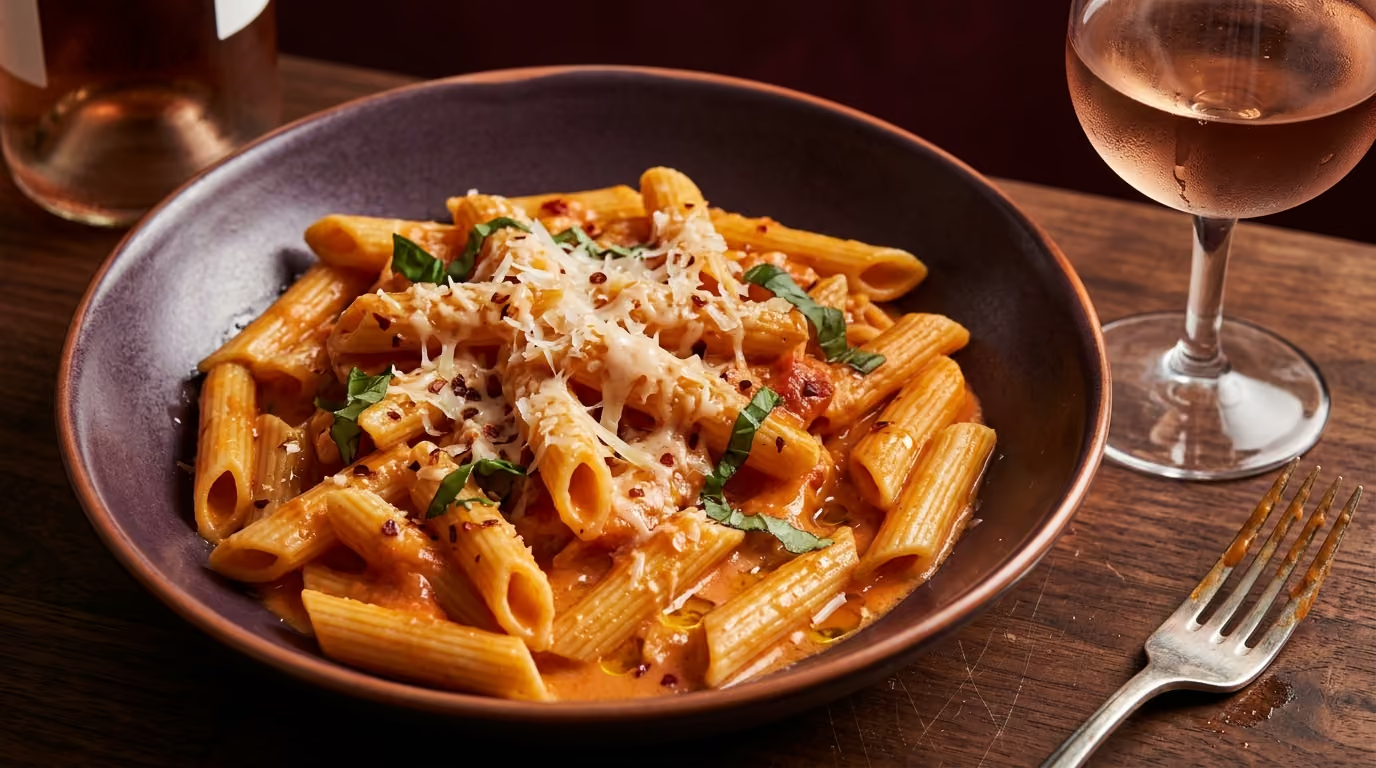
- Cream or cheese-based (Alfredo, carbonara, cacio e pepe): rich and fatty, so you want acidity to slice through and reset the palate.
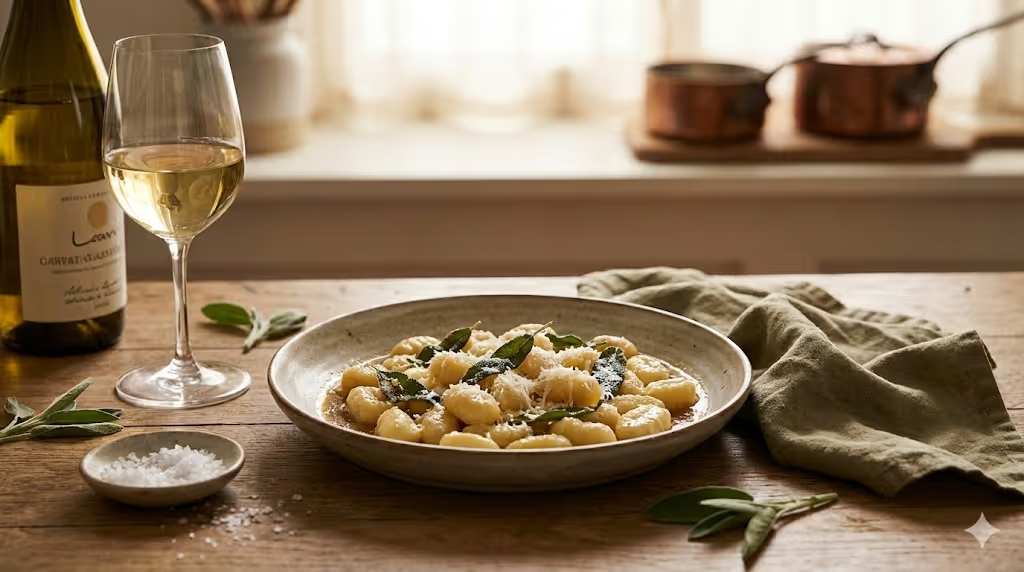
- Pesto or herb-based (basil, garlic, olive oil): green and fresh, which usually clashes with red wine, so lean white.
- Seafood-based (vongole, frutti di mare): delicate and briny, so choose a wine that complements rather than crushes.
Here is the quick-reference version, including the bottle to skip for each family and a rough price band in USD.
| Sauce family | Best red | Best white | Avoid |
|---|---|---|---|
| Tomato | Sangiovese / Chianti, Barbera ($15 to $25) | Vermentino ($14 to $20) | Low-acid, oaky reds that taste flat next to tomato |
| Cream / cheese | Light Pinot Noir ($18 to $28) | Pinot Grigio, unoaked Chardonnay ($12 to $20) | Big tannic reds that clash with fat |
| Pesto / herb | Skip red here | Vermentino, Sauvignon Blanc ($14 to $20) | Tannic reds that fight the green herbs |
| Seafood | Chilled Frappato for tomato-seafood stews ($16 to $24) | Pinot Grigio, Verdicchio ($12 to $20) | Heavy oak or high tannin that buries the fish |
At the table this plays out cleanly. A classic tomato ragù loves a Chianti from Tuscany, whose cherry fruit and firm backbone cut fatty meat and balance the tomato. Match the wine's body to the sauce: a simple marinara wants a lighter Chianti, while a dense bolognese can take a structured Chianti Classico Riserva. For a creamy fettuccine Alfredo, a crisp Pinot Grigio or Vermentino works like a squeeze of lemon, keeping the dish from feeling heavy. For more pasta-by-pasta detail, see our guide on what wine goes with pasta.
Wine for antipasti and starters
An Italian meal usually opens with antipasti, a spread of small, salty, varied bites. The wine here should be light, crisp, and refreshing, setting up the richer courses to come rather than filling you up. A few reliable matches cover the whole board.
- Cured meats (prosciutto, salami): salty and fatty, so you want fruit and cleansing acidity. A dry Prosecco or a light Pinot Grigio ($12 to $18) is perfect, and a slightly off-dry Lambrusco is the classic red option.
- Cheese (burrata, pecorino, fresh mozzarella): match soft, creamy cheeses with a crisp white or bubbles, and firmer aged cheeses with a fruitier red like Barbera.
- Bruschetta: tomato and garlic on toast is a tomato-sauce question in miniature, so a young Sangiovese or a zesty Vermentino keeps up with the acidity.
- Fried snacks (calamari fritti, arancini): nothing beats bubbles here. The fizz and acidity cut the oil and keep each bite crisp.
The theme across starters is the same: bright, light wines that refresh the palate. Save the bigger reds for the main course, where they have something rich to lean on.
The best wine for pizza
Pizza deserves its own note, because it is one of the most-asked Italian pairings and the sauce rule still leads the way. A tomato base wants acidity, cheese wants something to cut the fat, and cured toppings want fruit.
- Margherita or marinara: a medium-bodied Sangiovese or a young Chianti ($15 to $22). The acidity mirrors the tomato and the herbs echo the basil.
- Quattro formaggi (four cheese): a crisp white or a dry Prosecco ($12 to $18). Bubbles and acidity scrub the fat between bites.
- Diavola or pepperoni: a juicy, lower-tannin red like Barbera or a chilled Lambrusco ($12 to $18) to handle the spice and grease.
- Prosciutto and arugula: a dry sparkling wine or a light rosé, whose fruit flatters the salty ham.
The one move to skip with pizza is a big, oaky, high-tannin red. It steamrolls the crust and turns bitter against tomato.
Italian wines worth knowing beyond Chianti
Chianti is a Tuscan icon, but sticking only to Chianti is like visiting Italy and only seeing Rome. Italy has more than twenty distinct wine regions, each with native grapes that happen to pair perfectly with the local plate. A short tour widens your options fast.
- Piedmont (northwest): home of Barolo and Barbaresco from the Nebbiolo grape, powerful and age-worthy reds ($35 to $60) with rose, tar, and cherry. Save them for truffle risotto or braised beef. For weeknights, Piedmont's Barbera ($14 to $22) is a juicy, high-acid everyday red.
- Veneto (northeast): famous for Prosecco, but do not overlook Amarone, a rich red made from dried grapes with black cherry and fig, superb with aged cheese and game.
- Alto Adige (north): crisp Alpine whites like Pinot Grigio and Gewurztraminer for speck, Alpine cheese, and lighter fish.
- Sardinia and Sicily (the islands): Vermentino is a zesty white made for grilled seafood, while Sicily's Nero d'Avola is a dark, generous red for grilled meats and hearty pasta.
Branch out and the pattern becomes clear: for almost any Italian dish, there is a local wine waiting that was practically designed for it. If label terms trip you up, our guide on how to read wine labels helps you spot a wine's origin at a glance.
Why sparkling wine works so well with Italian food
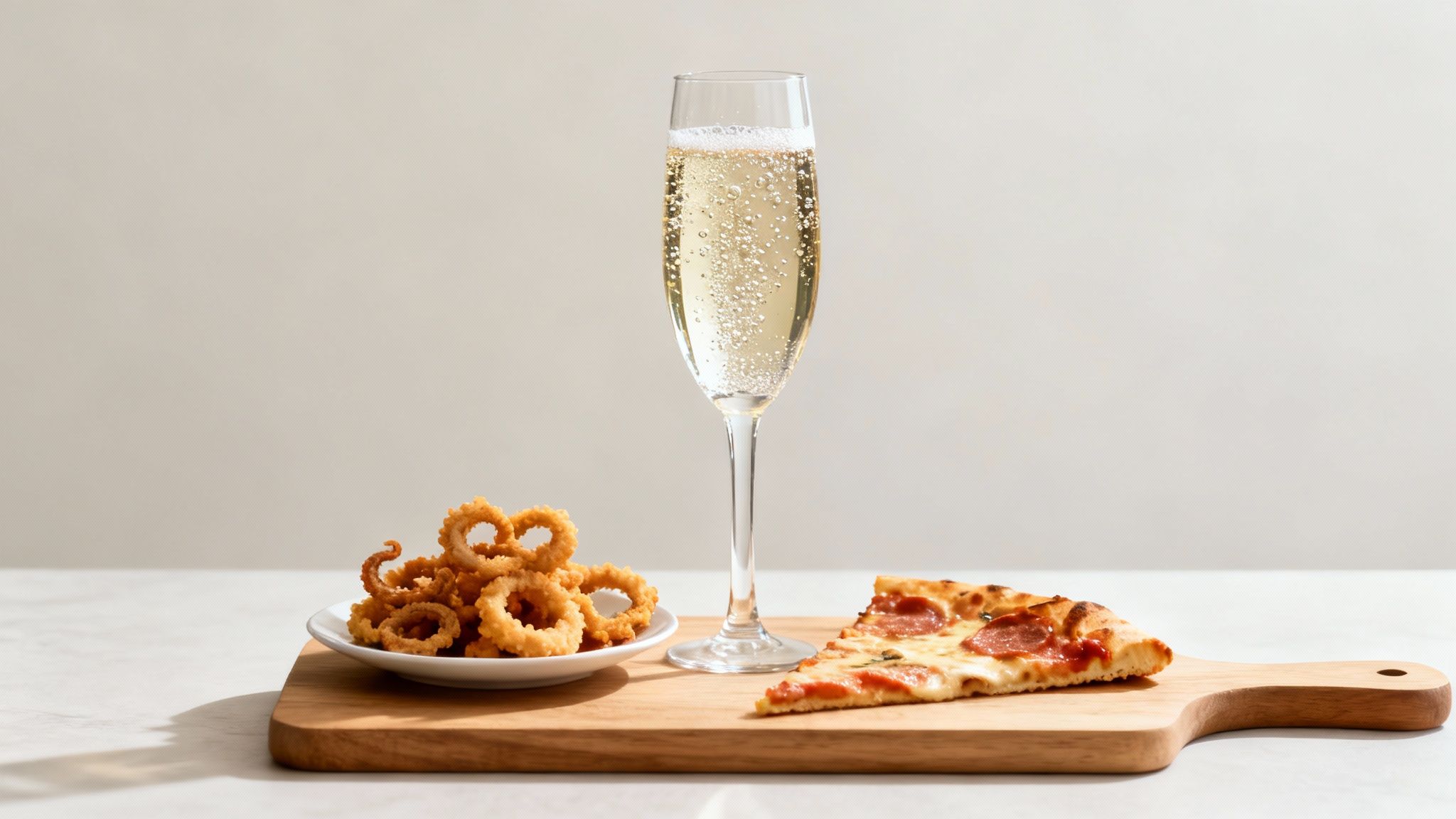
In Italy, bubbles are not saved for toasts. Prosecco and Lambrusco are among the most food-friendly wines at the table, and the reason is simple: acidity plus carbonation. The bubbles scrub your palate clean while the acidity cuts through fat and oil, resetting your taste buds before the next bite.
- Fried foods like fritto misto or arancini: the fizz cuts the oil so nothing feels greasy.
- Cured meats: a slightly off-dry Lambrusco ($12 to $18) is the classic match for a salumi board, its juicy fruit balancing the salt and fat.
- Pizza: a dry Prosecco is one of the best partners going, clean and zesty against rich cheese and tangy sauce.
A dry Franciacorta or Trento DOC has even more backbone and can stand up to a creamy carbonara. If you tend to reach only for still wine, a bottle of bubbles is the easiest upgrade to an Italian meal.
What to pour with Italian dessert
Dessert has its own logic, and the rule is to match sweetness with sweetness so the wine never tastes thin. Tiramisu and almond biscotti love a traditional Vin Santo, the Tuscan dessert wine made for dunking. Panna cotta and fruit crostata do well with a lightly sparkling, gently sweet Moscato d'Asti, whose low alcohol keeps things fresh. Save these bottles for the end of the meal rather than the main course, where their sugar would clash with savory food.
One bottle to cover a whole Italian dinner
Cooking a spread with a few different dishes and want a single bottle that flatters all of it? Reach for a wine with high acidity and moderate body, because acidity is the thread that ties tomato, cheese, and grilled flavors together. For a red, a Chianti Classico or a Barbera d'Alba ($15 to $25) moves easily from bruschetta to tomato pasta to a simple roast. For a white, a Vermentino or a Soave Classico ($14 to $20) covers antipasti, seafood, and pesto without missing a beat. For a mixed table where people want different things, a dry Prosecco is the great equalizer, since bubbles refresh the palate no matter what is on the plate. The one bottle to leave on the shelf for a varied menu is a big, oaky, high-tannin red, which pairs with only the heaviest dish and fights everything else.
How to choose the right bottle at a restaurant or shop
Standing in front of a long list or a wall of bottles, a few habits get you to a good choice fast. Tell the server or shop staff three things: your budget, what you are eating, and the style you like. Something as plain as "I am having the cacio e pepe and I want a crisp dry white under $30" gives them everything they need.
When there is no expert around, this is the moment Sommy earns its place. Scan the menu or wine list with the app and it reads the bottles, then suggests the ones that fit your dish and your taste in a few seconds, so you are choosing on purpose instead of guessing. When you are truly unsure, a medium-bodied Italian red with fresh acidity, a Chianti Classico for reds or a Vermentino for whites, is the safe, versatile default that flatters most of the menu.
Frequently asked questions
What is the best all-around wine for Italian food?
A medium-bodied Italian red with bright acidity, and Chianti Classico is the most reliable pick. Its cherry fruit and savory, earthy notes match everything from tomato pasta to roasted chicken and pork. If you prefer white, a crisp Soave Classico or Vermentino covers seafood, pesto, and lighter chicken dishes.
Can I drink white wine with red sauce?
Yes. A high-acid red is the classic move, but a full, savory white with real texture can hold its own against tomato. Look for a Vermentino from Sardinia or a Fiano from Campania, both of which have the structure to stand up to the sauce instead of getting lost in it.
Should I pair a sweet wine with my main course?
Generally no. Sugar clashes with savory mains, so save sweet wine for dessert. The one exception is a slightly sweet Lambrusco with salty, fatty cured meats, where the gentle sweetness and bubbles are a lovely contrast.
What is the safest wine for a big group?
A dry Prosecco. It is easy to find, budget-friendly at $12 to $18, and works from antipasti through pizza and lighter pasta. Bubbles are the closest thing to a wine that pleases everyone at an Italian table.
How much do I need to spend on good Italian wine?
Not much. Most of the workhorse bottles here live between $12 and $25, including Chianti, Barbera, Vermentino, Pinot Grigio, Prosecco, and Lambrusco. Italian wine is famous for value because so much of it is made to go with food rather than to impress on its own. Spend up only when a special-occasion Barolo or Brunello is the point of the evening.
Conclusion
Great Italian pairings are not about memorizing regions. Match the wine to the sauce, keep the acidity high, and lean on local grapes, and you will pick well almost every time. Tomato wants Chianti or Barbera, cream wants a crisp white, pizza loves Prosecco or a juicy red, and dessert calls for Vin Santo or Moscato.
Next time a long wine list has you stuck, you can ask Sommy for a recommendation tailored to your dish, your taste, and your budget, and take the guesswork out of your next Italian dinner.