
The secret to an unforgettable Italian meal isn't just the pasta. It's the wine you pair with it. The core principle is simple: match the wine to the sauce, not the pasta shape. A high-acid tomato sauce needs a high-acid red, while a creamy Alfredo calls for a full-bodied white.
TL;DR
• Match the wine to the sauce, not the pasta shape
• Tomato sauces need high-acid reds: Chianti, Barbera, or Primitivo
• Cream sauces pair with full-bodied whites like Chardonnay, or crisp options like Pinot Grigio
• Pesto and green sauces work best with herbal whites like Sauvignon Blanc or Vermentino
• For an all-purpose bottle, Barbera (red) or Pinot Grigio (white) work with nearly anything

What's the Science Behind a Great Wine and Pasta Pairing?
Great pasta and wine pairings come down to four elements: weight, acidity, tannin, and flavor. Match a wine's body to the weight of the sauce, balance its acidity against the dish's richness or tanginess, and make sure tannins don't clash with delicate proteins. Get those three right and flavor harmony takes care of itself.
Forget memorizing complicated rules or feeling intimidated by wine jargon. Once you learn to think in terms of balance rather than rules, you can figure out what wine goes with any pasta, no matter what's on the menu.
Which Wines Work With Which Pasta Sauces?
| Pasta sauce | Wine | Why it works |
|---|---|---|
| Tomato-Based (e.g., Marinara) | Medium-bodied reds (Chianti, Sangiovese) | The wine's acidity matches the tomato's acidity, preventing a flat taste. |
| Cream/Cheese-Based (e.g., Alfredo) | Full-bodied whites (oaked Chardonnay) | The wine's creamy texture complements the sauce's richness. |
| Pesto/Herb-Based (e.g., Basil Pesto) | Crisp, herbal whites (Sauvignon Blanc) | The wine's green, herbal notes echo the flavors in the pesto. |
| Seafood-Based (e.g., Linguine alle Vongole) | Light, dry whites (Pinot Grigio, Vermentino) | A crisp, mineral-driven wine won't overpower the delicate seafood. |
What Are the Core Principles of Pasta and Wine Pairing?
Four elements drive every great pairing: weight, acidity, tannin, and flavor. A light pasta with clams gets overwhelmed by a heavy, tannic red. A hearty bolognese needs a full-bodied counterpart to match its intensity. The goal is a wine that keeps step with your sauce rather than steamrolling it or disappearing behind it.

How Do You Match Wine Weight to Your Pasta Dish?
Matching the weight of the food to the body of the wine is the single most important call you'll make. A light dish needs a light-bodied wine; a heavy dish needs a full-bodied one.
• Light-bodied wines feel more like water in your mouth. Crisp Pinot Grigio or Sauvignon Blanc are the go-to options for delicate dishes like seafood linguine or pasta primavera.
• Full-bodied wines have a richer, heavier feel. Cabernet Sauvignon or oaked Chardonnay stand up beautifully to rich sauces like ragu or carbonara.
Getting this one principle right will improve your pairings dramatically. It's the foundation everything else is built on. Getting the weight match right is worth 80% of the battle.
How Do Acidity and Tannins Affect a Pasta Pairing?
Acidity in wine acts like a squeeze of lemon over a rich dish. It cuts through fat, cleanses your palate, and makes each bite taste as fresh as the first. High-acid wines like Chianti or Barbera are classic matches for tangy tomato sauces because the wine's acidity meets the sauce's acidity and creates balance instead of a clash.
Tannins are the compounds that create a drying sensation in your mouth, similar to drinking strong black tea. They bind with protein and fat. A tannic Cabernet Sauvignon pairs well with fatty, meaty sauces because the protein in the meat softens the wine's tannins while the wine cuts through the richness of the dish.
Feeling unsure about which wine has the right acidity or tannin level? Sommy can give you quick, in-the-moment advice based on exactly what you're cooking.
What Wine Goes With Tomato-Based Pasta Sauces?
The golden rule for tomato sauce is to match acid with acid. Tomato's bright, tangy flavor comes from high natural acidity, and a wine with less acidity will taste flat next to it. Reach for a medium-bodied Italian red with enough backbone to go toe-to-toe with the tomato's zing: Chianti, Barbera, and Primitivo are all strong choices.

Which Italian Reds Work Best With Tomato Sauce?
Medium-bodied Italian reds are built for tomato dishes. Their bright cherry notes, savory herbs, and high acidity make them natural partners.
• Sangiovese (Chianti Classico): The quintessential pairing. Sangiovese's high acidity, earthy undertones, and rustic cherry flavors slice through the richness of tomato while complementing its natural sweetness.
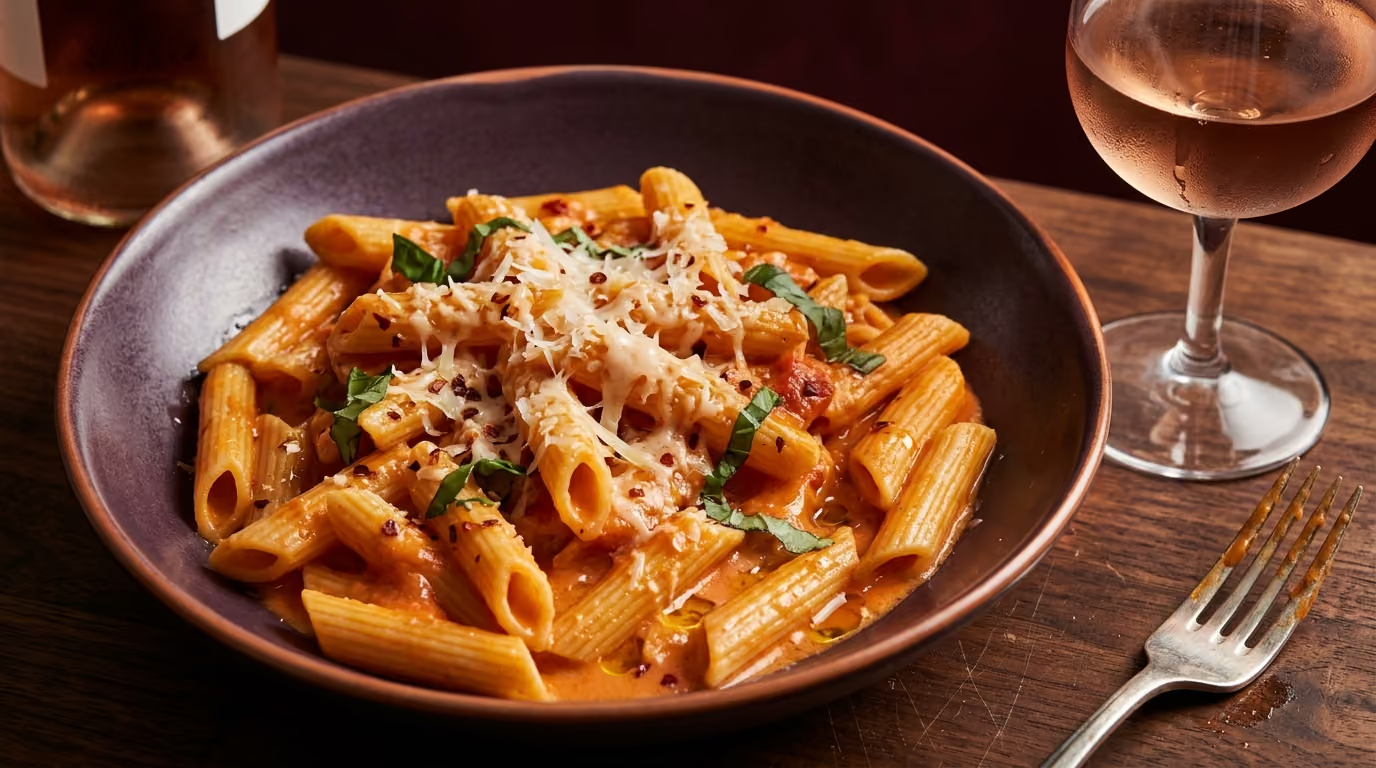
• Barbera: Famous for being food-friendly, Barbera brings sharp acidity with softer tannins. A great choice for spaghetti pomodoro or spicy arrabbiata, where its fruit-forward character helps balance the heat.
• Primitivo (Zinfandel): For heartier sauces like bolognese or amatriciana, Primitivo offers a bolder profile with jammy fruit that stands up to the dish's intensity.
The synergy between Italian food and wine is no accident. The global wine market was valued at around USD 508 billion in 2024, with European wines commanding over 51% of the market. Wines like Chianti have been paired with local tomato pastas for generations because, simply, they work.
What Are the Best Budget Wines for Pasta With Tomato Sauce?
You don't need to spend a lot to find a fantastic match. When pairing with tomato sauce, look for Montepulciano d'Abruzzo. It delivers juicy dark fruit, mild tannins, and just the right acidity to pair with almost any red sauce you can throw at it. Widely available and consistently good value.
Stuck wondering if that Sangiovese on the shelf is acidic enough for your arrabbiata? Sommy can analyze the pairing and tell you whether it will hit the balance you're looking for.
What Wine Goes With Creamy Pasta Like Alfredo or Carbonara?
Cream-based dishes call for a different approach. Fettuccine Alfredo, Carbonara, and Cacio e Pepe are all about savory, fatty richness. The right wine either slices through that richness with high acidity or wraps around it by matching the sauce's body and texture. Both approaches work; the choice depends on the experience you want.
Which Wines Cut Through Rich, Creamy Pasta Sauces?
High-acid white wines are the most reliable choice for creamy pasta. They work like a squeeze of lemon, brightening each bite and keeping the meal from feeling heavy.
• Sauvignon Blanc: Punchy citrus and herbal notes make it an ideal palate-cleanser between bites of a rich Alfredo.
• Pinot Grigio: Bright green apple and lime notes offer a clean, refreshing contrast to cheesy sauces.
• Vermentino: An Italian gem with crispness and a subtle bitter finish, particularly good for balancing the salty Pecorino Romano in Cacio e Pepe.
Which Wines Complement Creamy Pasta by Matching Its Richness?
For a more indulgent experience, match the sauce's weight and texture with a fuller-bodied wine. A lightly oaked Chardonnay is the star here. Its buttery notes and round body echo a cream sauce beautifully. Steer clear of heavily oaked versions, which can overpower the dish.
With creamy pasta, your wine shapes the whole dining experience. A crisp white creates something lively and refreshing. A full-bodied white creates something comforting and luxurious. Neither is wrong.
A light-bodied, low-tannin red like Pinot Noir can also work, especially when the cream sauce includes earthy mushrooms or savory pancetta. Its bright acidity and red fruit notes cut through the richness without clashing.
If you're ever unsure which direction to take, Sommy can suggest both options and explain why each one works for your specific dish.
What Wine Goes With Pesto or Vegetable Pasta?
Fresh, green, and herbaceous sauces like basil pesto or pasta primavera call for wines that echo those flavors rather than compete with them. Think of the wine as another fresh ingredient on the plate: zesty acidity and herbal character that lifts the dish rather than weighing it down.
Which White Wines Work Best With Pesto and Herb Sauces?
For intensely green and herbaceous sauces, zesty whites are the natural fit. Their crispness cuts through the richness of olive oil and nuts in pesto while harmonizing with the fresh herbs.
• Sauvignon Blanc: The classic choice. Grassy, citrus, and green bell pepper notes make it a natural partner for anything pesto.
• Vermentino: Crisp acidity with notes of green apple, lime, and a subtle bitter almond finish that complements green vegetables beautifully.
• Grüner Veltliner: An Austrian wine prized for its zesty acidity and unique notes of white pepper and green bean. A distinctive choice that tends to start a conversation.
Italian agri-food exports to the U.S. grew by 13.1% in the first eight months of 2022 alone, with pasta and wine leading the charge. Italian whites like Pinot Bianco are prized for their fresh acidity and delicate notes that pair naturally with the herbs found in so many classic pasta dishes.
Can Red Wine Work With Vegetable Pasta?
Yes, for heartier vegetable dishes featuring mushrooms, roasted squash, or eggplant. A light-bodied Pinot Noir works well here: its earthy, mushroom-like undertones and cherry fruit notes stand up to roasted vegetables without overpowering them. A dry rosé from Provence also works, offering the crispness of a white wine with gentle red fruit character.
If you're debating whether to go with a Sauvignon Blanc for pesto or a Pinot Noir for mushroom pasta, Sommy can give you an instant suggestion. Describe your dish and it will recommend a specific wine style and explain why it works.
How Can an AI Sommelier Help You Pick the Right Wine for Pasta?
Understanding the theory is one thing. Applying it while staring at a wall of bottles in a wine shop is another. Sommy acts as a personal sommelier in your pocket, giving you a specific recommendation for the exact meal you're making, with a plain-language explanation of why it works.

How Does Sommy Recommend Wines for Pasta?
Say you've decided to make spaghetti with clams for dinner. Instead of running through pairing rules in your head, you ask Sommy. It won't just name a wine category. It'll suggest a crisp Vermentino and explain how the wine's salinity and citrus notes will cut through the richness and elevate the delicate seafood flavors.
Instant, personalized, and specific. Whether you're at the grocery store, browsing a restaurant list, or planning a dinner party, you can get a reliable recommendation in seconds. Learn more and try it yourself at sommy.ai.
Frequently Asked Questions About Pasta and Wine
What Is the Most Versatile Wine for Pasta?
For a single all-purpose bottle, Barbera (red) or Pinot Grigio (white) are the two most reliable picks. Barbera has the bright acidity to handle tomato sauces, but soft enough tannins that it won't clash with lighter vegetable dishes or even some creamy ones. Pinot Grigio's clean, zesty profile works for everything from seafood linguine to simple pesto without ever stealing the show.
Can Red Wine Go With Seafood Pasta?
Yes. The old rule of never pairing red wine with fish is too rigid. A massive, tannic Cabernet Sauvignon would crush delicate seafood, but a light, low-tannin red can be a great match, especially when tomatoes are involved. Try a Sicilian Frappato: light-bodied, bursting with fresh strawberry notes, barely any tannin. Perfect for a tomato-based seafood pasta like Fra Diavolo without producing any metallic flavors.
What Wine Pairs With Spicy Arrabbiata?
When a dish brings the heat, high alcohol and high tannins make things worse by amplifying the spice. Go in the opposite direction: low alcohol, a touch of fruitiness, maybe a hint of sweetness. An off-dry Riesling is a classic choice; its hint of residual sugar provides immediate relief from chili heat. For red, a fruity American Zinfandel works well, with jammy fruit that creates a pleasant contrast to the spice rather than feeding it.
For more pairing answers, visit the Sommy FAQ.