Chenin Blanc and Sauvignon Blanc are both high-acid white grapes with roots in France's Loire Valley, but they solve different problems at dinner. Sauvignon Blanc is dependably dry and sharply herbal, with grapefruit, gooseberry and cut-grass flavors that stay recognizable almost anywhere you buy it. Chenin Blanc is the shape-shifter of the two, arriving bone-dry, gently off-dry, sparkling, or properly sweet depending on who made it and where. If you want a safe dry white for tonight with no reading required, buy Sauvignon Blanc. If you're willing to spend thirty seconds decoding a label, Chenin Blanc hands you more character and more depth for the same money.
That last sentence is why this comparison confuses people. Most articles call Chenin Blanc "versatile" and leave you in the shop holding a bottle you can't read, so this one shows you which words on the label decide whether your glass tastes like a squeeze of lime or like poached pear in honey.
What's the actual difference between Chenin Blanc and Sauvignon Blanc?
The short version is that Sauvignon Blanc gives you one clear flavor idea executed well, while Chenin Blanc gives you a range of styles built on the same bright acidity. Both are naturally high in acid, which is what makes them refreshing, and both can taste of citrus and orchard fruit. Where they part company is on consistency from bottle to bottle. A Sauvignon Blanc from a shelf in Denver and one from a shelf in Dublin will share a family resemblance. Two Chenin Blancs sitting side by side might have almost nothing in common beyond the grape name.
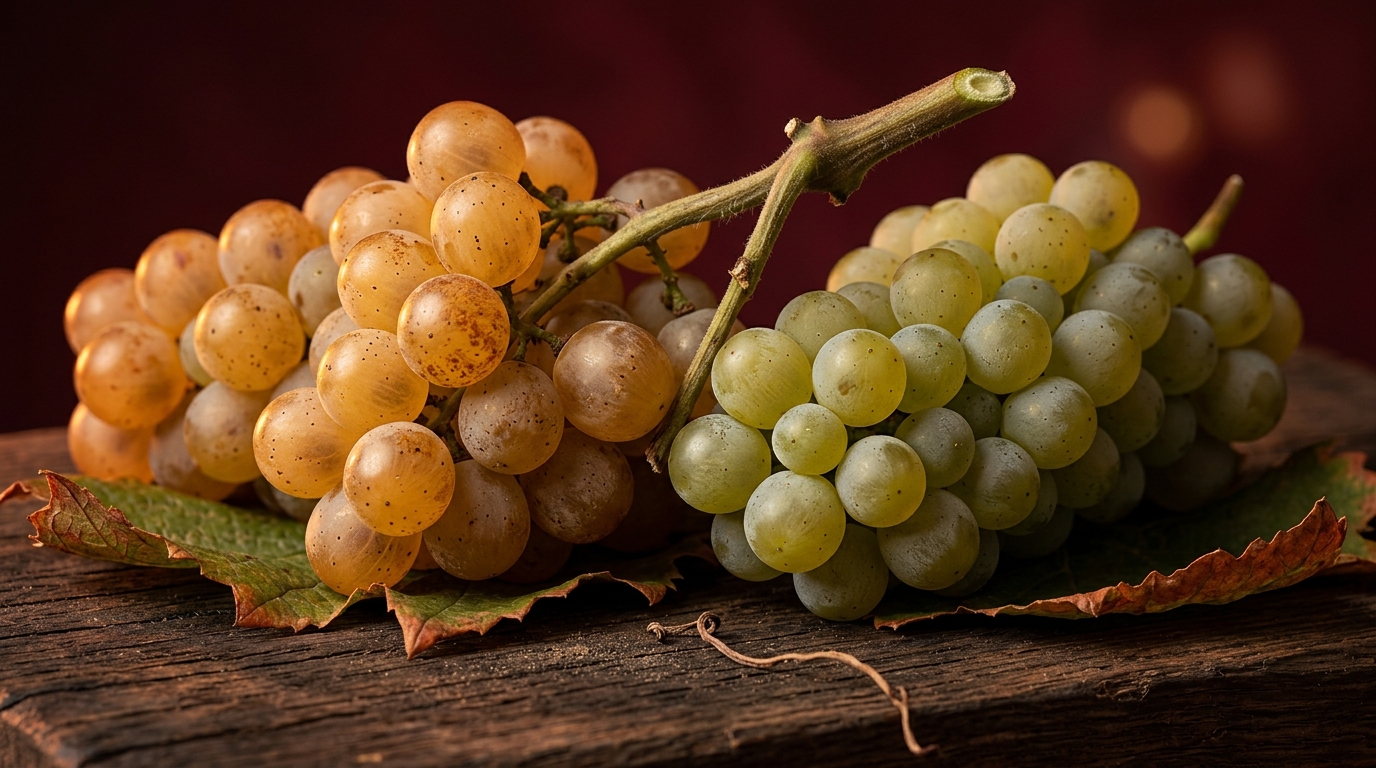
There's a genuinely odd piece of family history behind that. These two aren't rivals from different worlds, they're half-siblings. DNA analysis in 1999 established that Chenin Blanc has a parent-offspring relationship with Savagnin, the Jura grape behind vin jaune, and that Chenin Blanc shares a sibling relationship with both Trousseau and Sauvignon Blanc, which are themselves likely offspring of Savagnin (the 1999 DNA work on Chenin Blanc's parentage). The shared high acidity is the inheritance, passed down from the same parent rather than from one of them to the other. The same family line runs further than most people realize: through that half-sibling link to Sauvignon Blanc, Chenin Blanc is an aunt or uncle variety to Cabernet Sauvignon, which is the offspring of Sauvignon Blanc and Cabernet Franc. Ampelographers place Chenin Blanc's origin in the Loire Valley around the 9th century, and the Loire is still the French region most associated with it. Sauvignon Blanc most likely started in the Loire too, which is why the classic examples of both come from the same stretch of river.
Geography is where they diverge now. As of 2008, France had 9,828 hectares (24,290 acres) of Chenin Blanc planted, concentrated in Indre-et-Loire, Loir-et-Cher and Maine-et-Loire. South Africa had 18,852 hectares (46,580 acres) in the same year, nearly double the French total, and Chenin Blanc remains the country's most widely planted variety at around 18.6 percent of all vineyard plantings in the early 21st century. Sauvignon Blanc, meanwhile, spread outward rather than concentrating, and it now anchors whole wine industries in New Zealand, Chile, South Africa, California and Bordeaux.
| Sauvignon Blanc | Chenin Blanc | |
|---|---|---|
| Sweetness | Almost always dry | Bone-dry through to dessert-sweet |
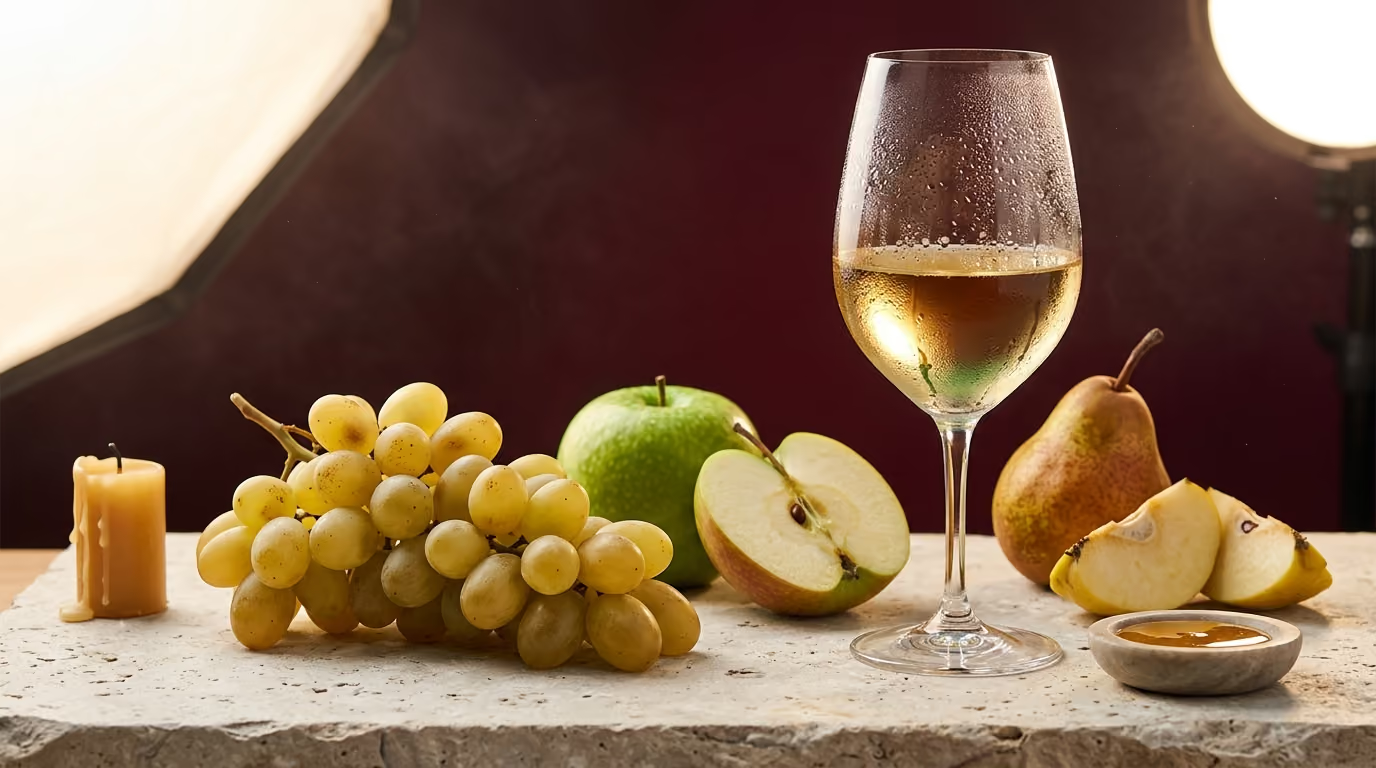
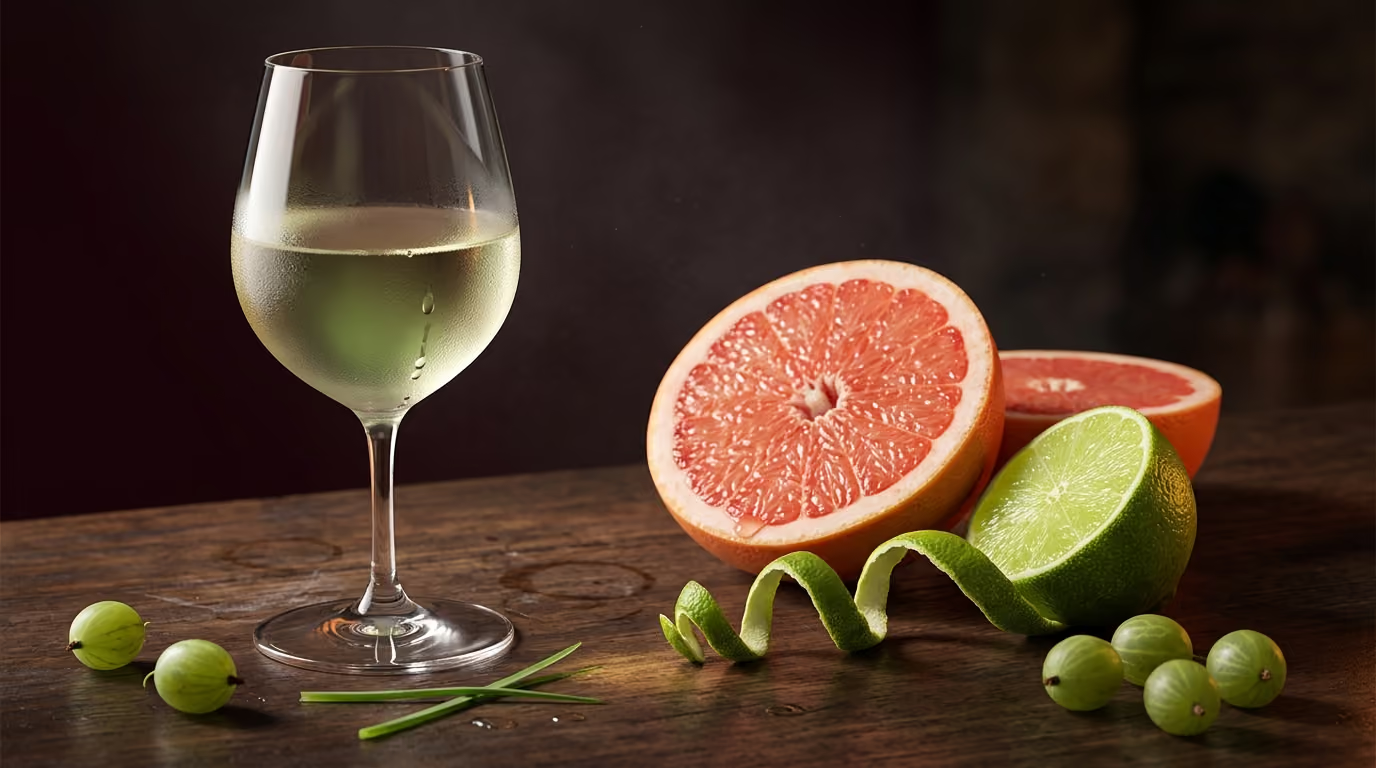
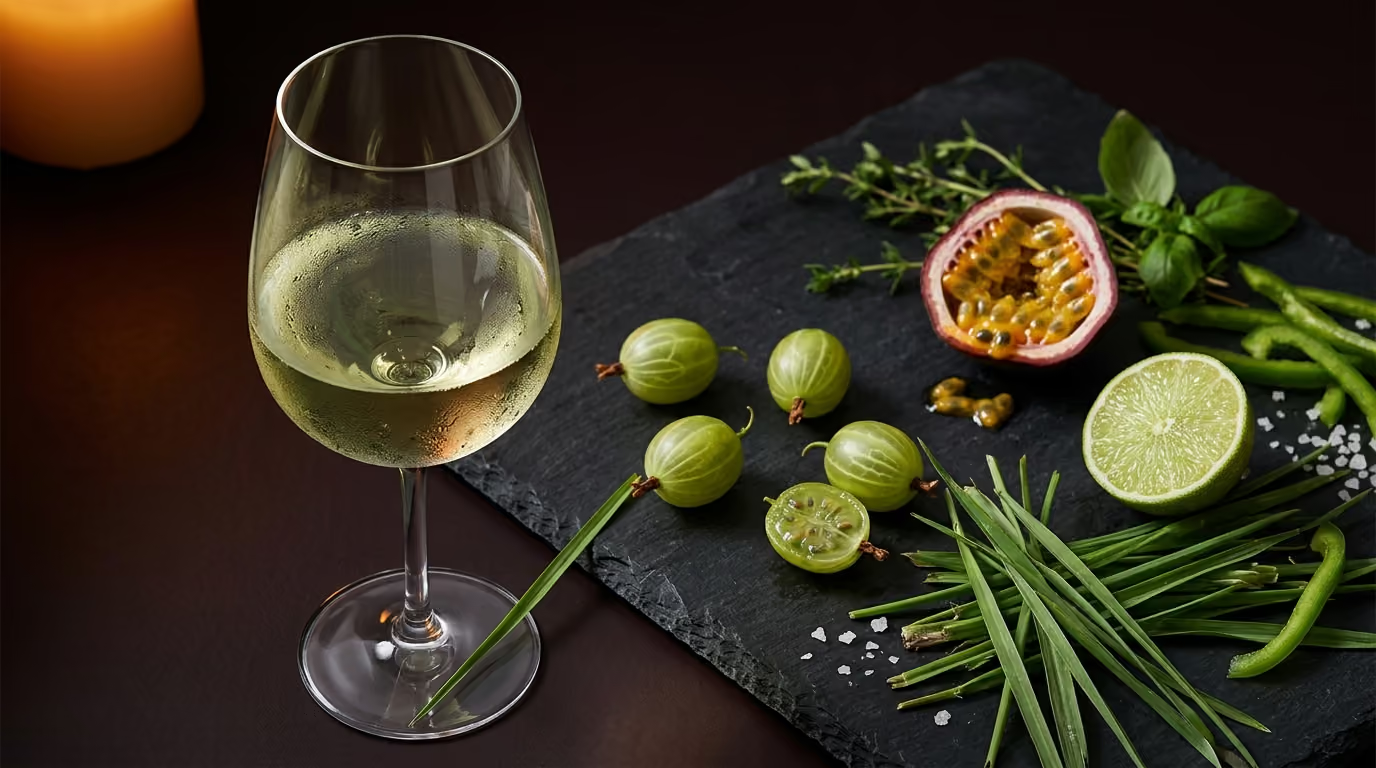
| Signature flavors | Grapefruit, gooseberry, cut grass, capsicum | Quince, pear, apple, honey, a waxy lanolin note |
| Do you need to read the label? | No, the style is predictable | Yes, four label words decide it |
| Home regions | Marlborough, Sancerre, Bordeaux, California | Loire Valley, South Africa's Swartland |
| Best with | Goat cheese, asparagus, ceviche, anything lemony | Roast chicken, cream sauces, Thai and Sichuan food |
| Ageing | Drink young, top Sancerre keeps a few years | Ages for decades, the finest for a century |
| Best value | Touraine, around $13 to $15 | Swartland or Vouvray Sec, around $20 |
Is Chenin Blanc sweet or dry?
It can be either, and the winemaker rather than the grape makes that decision, by choosing when to stop fermentation and how much natural grape sugar to leave behind, which is the same mechanism behind dry versus sweet wine in every other grape you've tried. Chenin Blanc's high acidity is what makes this possible, because that acidity holds a sweet wine together instead of letting it turn cloying. The same acidity is why the bone-dry versions taste taut rather than thin.
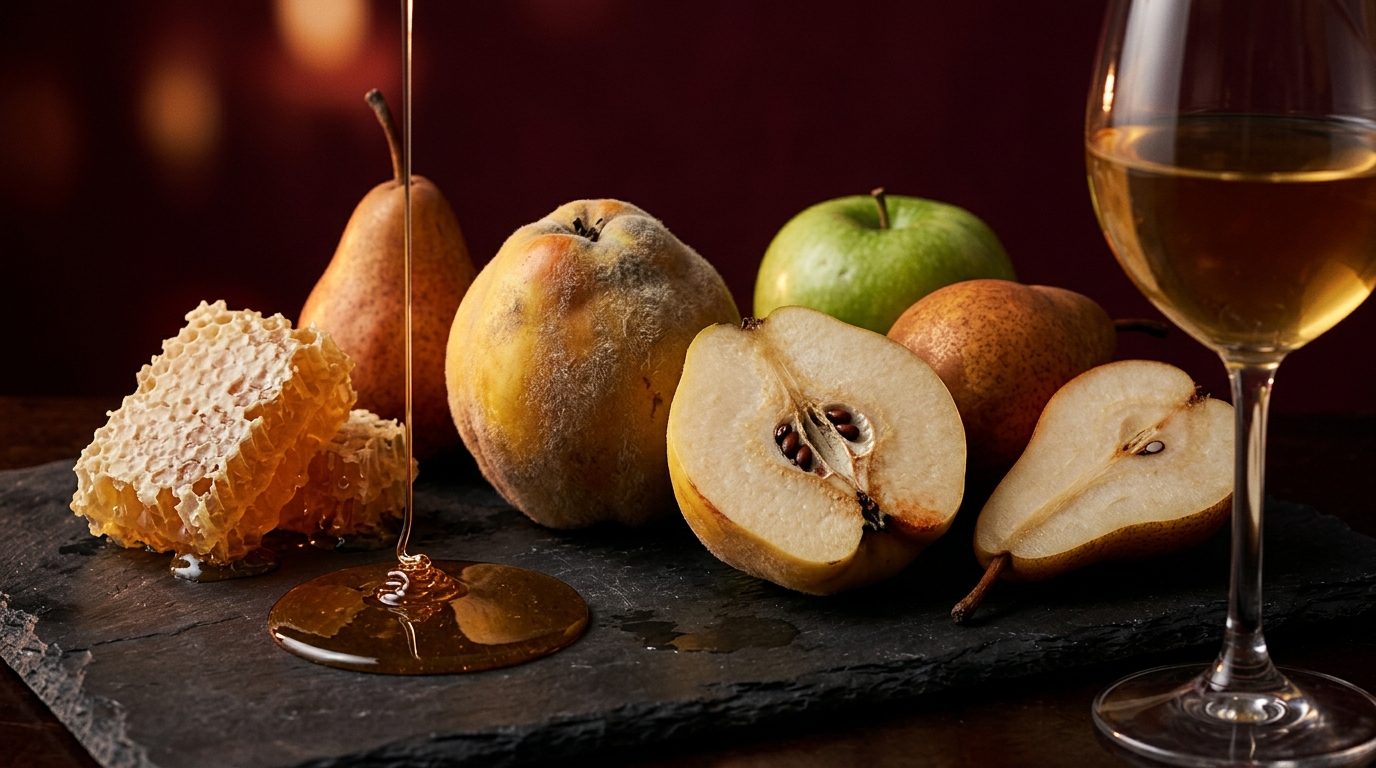
Vintage conditions push producers one way or the other. Cooler Loire years favor dry and sparkling Chenin Blanc, because the grapes hold their acid and never reach the ripeness sweeter styles need, while warmer years encourage sweet wines made with noble rot, as Sauternes is further south. That means two bottles from the same village, from the same producer, in two different years, can genuinely land in different categories.
South Africa took a different path. The grape arrived in a shipment of cuttings sent to Jan van Riebeeck by the Dutch East India Company, and for roughly two hundred years South Africans called it Steen without knowing it was Chenin Blanc, a connection ampelographers only confirmed in 1965. The white wine boom of the late 1960s favored clean, mostly off-dry, fairly neutral wine, until specialist producers isolated old vines on good sites near the end of the century. South African Chenin Blanc today leans dry and tropical, with more mango and yellow peach than its Loire cousins.
Sauvignon Blanc rarely puts you in this position. Outside a handful of sweet Bordeaux wines, where it blends with Sémillon, a bottle labelled Sauvignon Blanc is going to be dry. That predictability is a real advantage on a weeknight, and it's a fair reason to pick it when you don't feel like thinking.
How do you read a Chenin Blanc label without guessing?
Look for one of four French words, because they're a legal statement about sweetness rather than marketing language. On a bottle of Vouvray or Montlouis, the word tells you exactly what you're buying:
- Sec means dry, with the acidity right at the front.
- Demi-sec means off-dry, with a soft sweetness balanced against sharp acid.
- Moelleux means genuinely sweet, in dessert territory.
- Liquoreux means richly sweet, usually made with noble rot.
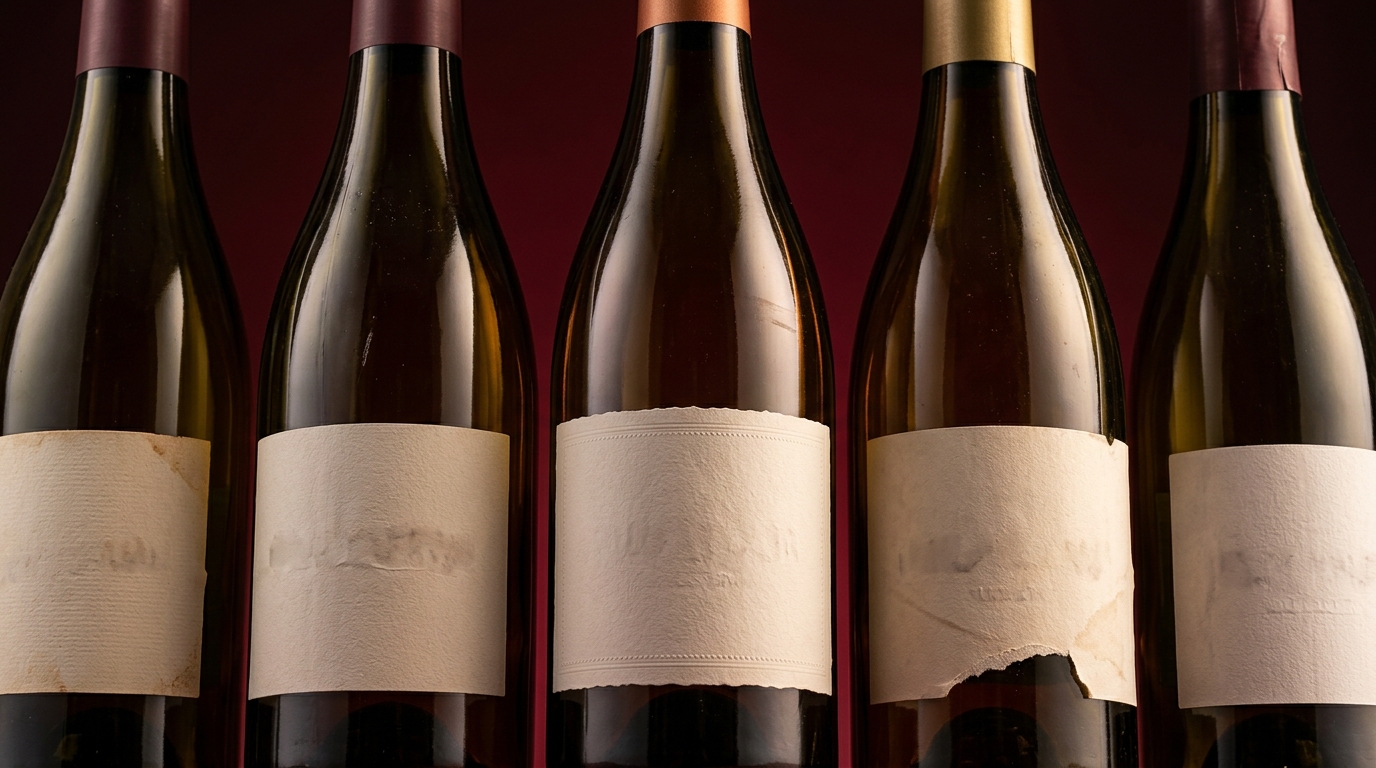
Place names carry information too, and they're worth learning because they save you from the sweetness question entirely. Savennières is dry Chenin Blanc, often severe and mineral in its youth. Coteaux du Layon is sweet, made in the same corner of Anjou. Vouvray is the biggest name of all, with more than 2,000 hectares (5,000 acres) planted as of 2006, which makes it the largest source of Chenin Blanc wine in France by a wide margin, and it covers the full range from sec through liquoreux. Sparkling Vouvray and sparkling Saumur are dry to off-dry and cost very little for what they deliver.
If the whole label still feels like code, our walkthrough on how to read wine labels covers the rest of the vocabulary, and there's a shorter piece on spotting an off-dry white wine across other grapes.
Bottles from outside France usually simplify things. South African Chenin Blanc is dry unless the label says otherwise, and the same holds for California and Washington versions, which tend to be dry to lightly off-dry with more ripe fruit. If a label gives you no sweetness word and no famous place name, checking the alcohol helps a little, since sweeter wines often sit lower because fermentation stopped early. That's a rough signal rather than a rule, and it won't save you every time.
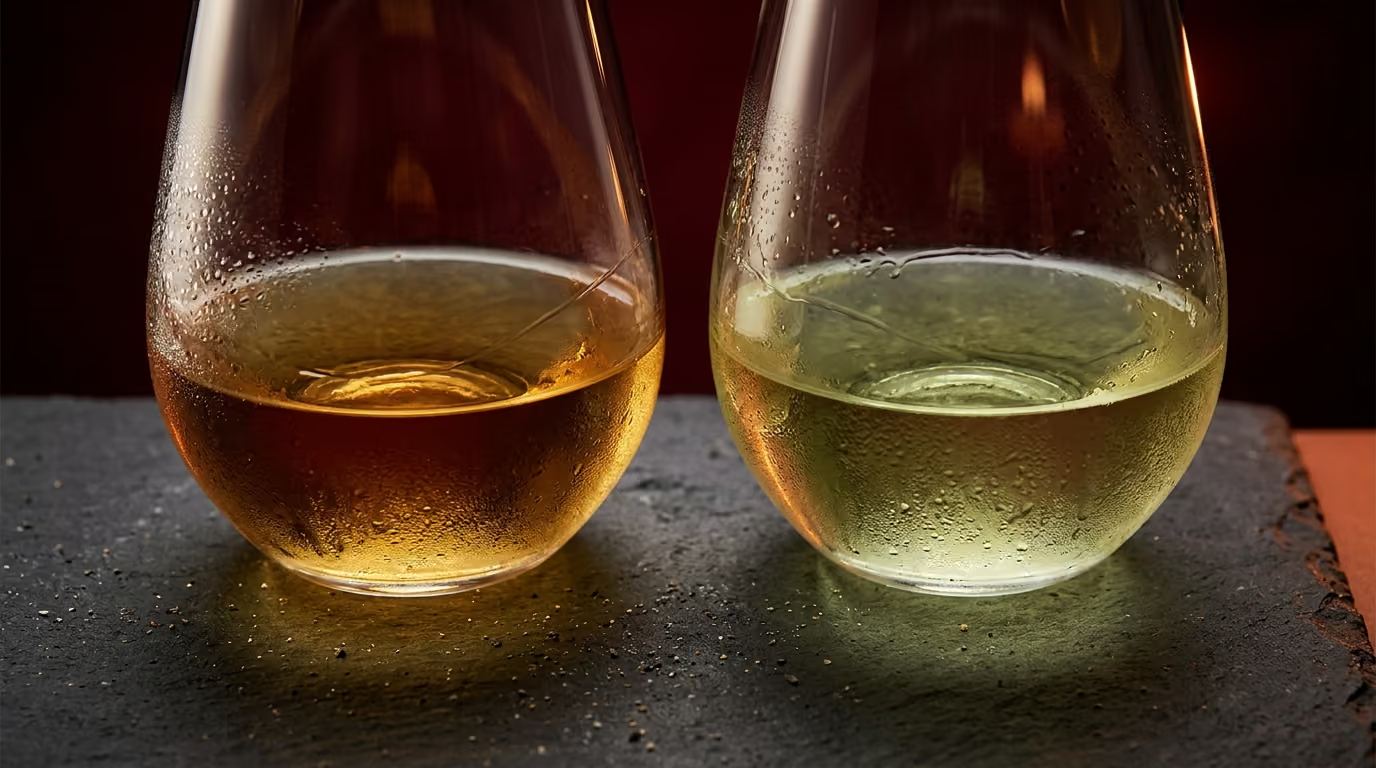
It also helps to know what "off-dry" actually feels like, because the phrase scares people more than the wine deserves. A demi-sec Chenin Blanc isn't sweet the way a dessert wine is sweet, and it won't coat your mouth. What you notice is a rounder, softer entry followed by the same brisk acidity as a dry wine, closer to a ripe pear than to honey. Serving temperature moves that impression around more than most people expect, since a wine served cold reads drier and a wine that warms up in the glass reads sweeter. If you pull an off-dry bottle straight from the fridge at around 45°F and it still tastes sweeter than you want, it probably isn't the bottle for you.
This is the exact moment where a phone earns its place. If you're in the aisle holding a Vouvray you can't read, Sommy's Fit Check lets you scan or type the bottle and get a plain read on whether it suits your taste before you pay for it, which beats buying a sweet wine you meant to serve with fish.
Why does Sauvignon Blanc taste so different from one bottle to the next?
Region changes Sauvignon Blanc more than winemaking does, so once you know the four main styles you can predict a bottle from its label. The green, herbal, capsicum character comes from compounds called methoxypyrazines, and how loud they are depends on climate, soil and picking date.
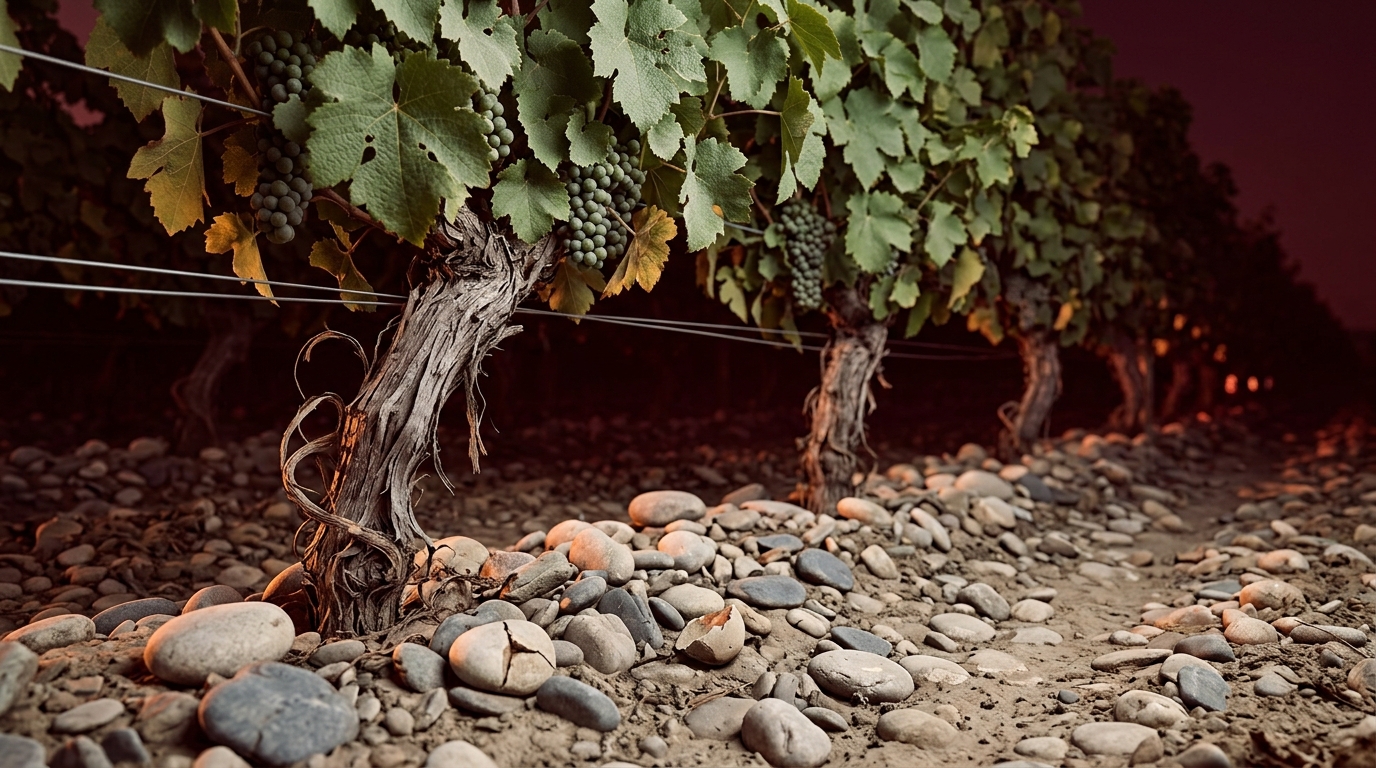
Marlborough in New Zealand is the loudest expression, and the one most people picture. Sandy soils over slate shingles concentrate flavor through low fertility, and no South Island vineyard sits more than 80 miles from the coast, so the season stays long and cool. Within the Wairau River flood plain, heavier soils give more herbaceous wines from later-ripening fruit while stonier soils ripen earlier and turn tropical, which is why Marlborough tastes like passionfruit in one bottle and cut grass in the next.
Sancerre and Pouilly-Fumé trade loud fruit for restraint, citrus and a flinty, smoky quality from limestone and flint soils. Touraine sits just west on similar clay and limestone and is the value play, fresher and slightly riper for a fraction of the Sancerre price. California and Bordeaux round the grape out with oak or a splash of Sémillon, the fuller style Robert Mondavi popularized in the United States as Fumé Blanc. South African Sauvignon Blanc lands between Marlborough and Sancerre, with citrus and herbs but a saltier finish.
What should a good bottle of each one cost?
Both grapes are generous at the low end, which is the honest headline. Checking K&L Wine Merchants on August 10, 2026, dependable Sauvignon Blanc starts around $11.95 for Joel Gott's California bottling and $11.99 for Dashwood from Marlborough. The sweet spot is a few dollars up: Esk Valley and Tohu from Marlborough sit at $14.99, Domaine du Vieil Orme from Touraine is $14.99, and Domaine Bégude from southern France is $12.99.
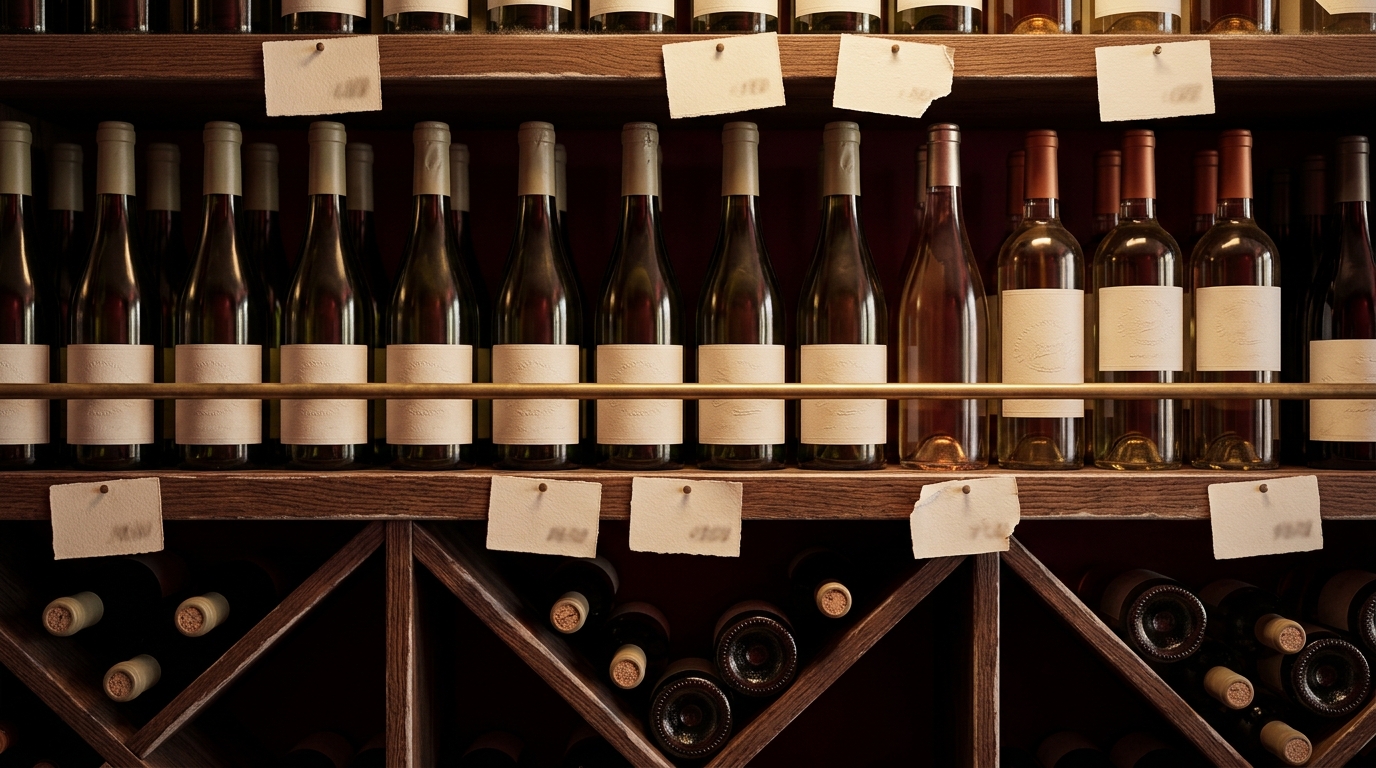
Spending more on Sauvignon Blanc buys precision rather than more flavor. Greywacke and Jules Taylor from Marlborough were $19.99 and Cloudy Bay $34.99, while Sancerre effectively started around $29.99 and named Sancerre vineyards climbed quickly from there, reaching $79.99 for Gérard Boulay's Monts Damnés.
Chenin Blanc rewards a modest budget more dramatically. Dry Creek Vineyard's Clarksburg bottling and Husch from Mendocino were both $14.95, and $19.99 bought A.A. Badenhorst's Secateurs from Swartland or a proper Loire Vouvray Sec. Sparkling Chenin Blanc from Montlouis ran $18.99, which is hard to beat against Champagne at four times the price, and the ceiling is high when you want it, with mature sweet Vouvray reaching $219.99 for a half-bottle. Prices move by retailer, state and vintage, so treat these as the shape of the market on that date rather than a fixed rate.
Which one belongs on your table tonight?
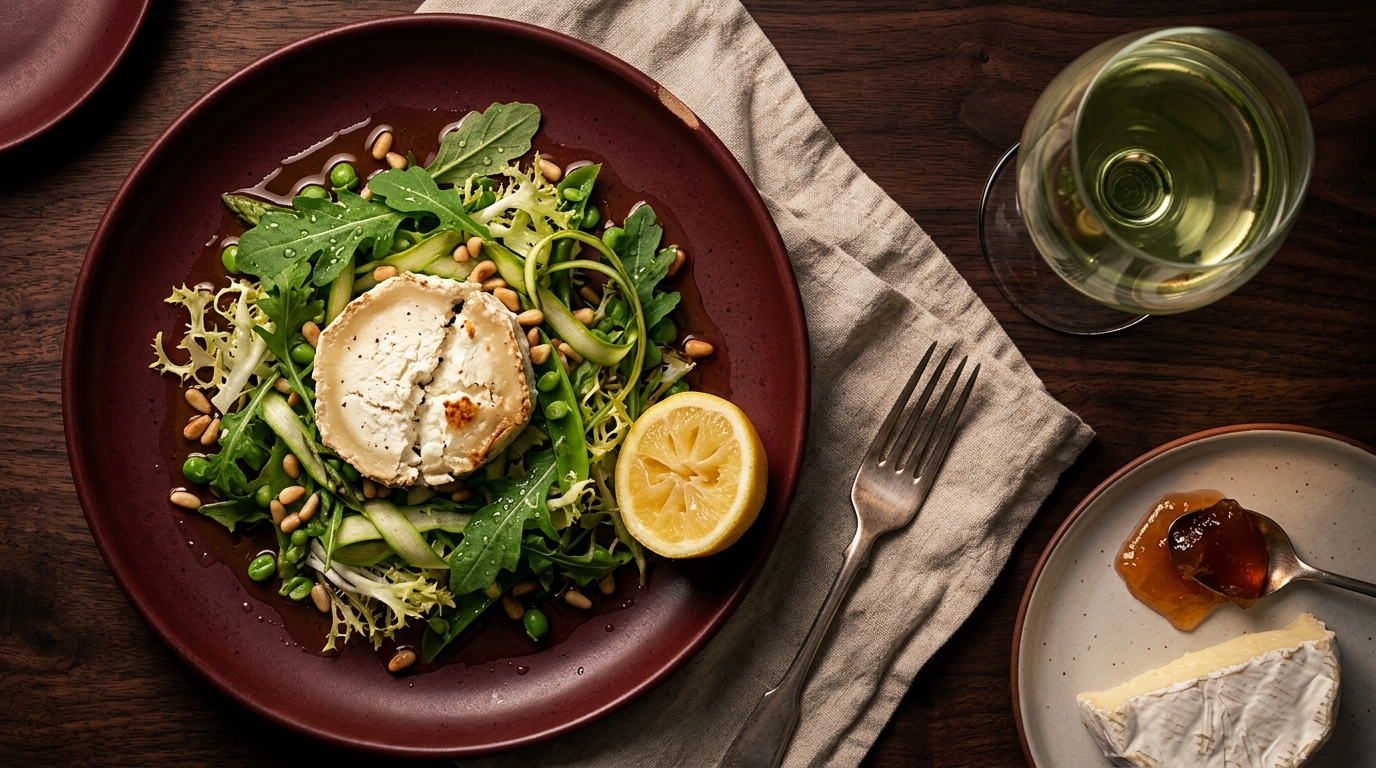
Match the wine to the sharpest flavor on the plate, and the choice usually makes itself. Sauvignon Blanc wants green things, acid and tang, so it suits goat cheese, asparagus, herby salads, ceviche, oysters, pesto and anything finished with lemon or vinegar. Its herbal streak meets those flavors instead of fighting them, which is why Sancerre and goat cheese has been a standard for decades. We've mapped the rest of the plate in our guide to Sauvignon Blanc food pairings.
Chenin Blanc handles the dishes that defeat most white wine. Dry styles cover salads, roast chicken and white fish, but the advantage shows up with richness and heat. Off-dry Chenin Blanc genuinely improves a spicy Thai curry or a plate of Sichuan food, because a touch of sugar cools the burn while the acidity keeps everything fresh. Medium-dry versions also handle cream sauces and pâté, where a lean Sauvignon Blanc disappears.
The limits matter as much as the recommendations. Skip Chenin Blanc for a crowd whose tastes you don't know, because an off-dry bottle reads as sweet wine to someone expecting a dry white. Skip Sauvignon Blanc when the food is rich, creamy or seriously spicy, since its sharpness turns thin and sour against those flavors. And if green aromas bother you, try Touraine or a dry South African Chenin Blanc rather than Marlborough.
For a first Chenin Blanc, buy a Vouvray Sec or a Swartland bottle around $20 and drink it with roast chicken. For a first Sauvignon Blanc, spend $15 on Marlborough for the tropical version or Touraine for the restrained one. Neither can really go wrong, which is the nicest thing about this pair.
Frequently asked questions
Which is drier, Chenin Blanc or Sauvignon Blanc?
Sauvignon Blanc is reliably drier as a category, because nearly every bottle is made in a dry style. Chenin Blanc ranges from bone-dry to dessert-sweet, so a dry Chenin Blanc and a Sauvignon Blanc can be equally dry, but only the Chenin Blanc requires you to check.
Is Chenin Blanc similar to Sauvignon Blanc in taste?
They share high acidity and a citrus core, so they're recognizably related, which makes sense given that the two are half-siblings sharing Savagnin as a parent. Sauvignon Blanc pushes green and herbal notes like gooseberry and cut grass, while Chenin Blanc leans toward quince, pear, apple, honey and sometimes a waxy, lanolin quality. Chenin Blanc is one of several whites that overlap with it, and the one that suits you depends on which part of Sauvignon Blanc you are chasing.
Which is better, Chenin Blanc or Sauvignon Blanc?
Neither is better outright, and the right answer depends on how much label reading you want to do. Sauvignon Blanc is better when you need a dry white you can buy blind, serve to a group, or match to green vegetables and lemon. Chenin Blanc is better when you want more character for the money, when the food is rich or spicy, or when you want a white that will still be improving in ten years.
What is Chenin Blanc similar to?
Dry Chenin Blanc tastes closest to a good unoaked Chardonnay, with the same orchard fruit and texture but noticeably more acidity. Off-dry Chenin Blanc sits near an off-dry Riesling, sharing the apple and honey register and the ability to cool down spicy food. Genetically its closest relatives are Savagnin, its parent, and Trousseau and Sauvignon Blanc, its half-siblings.
How does Chenin Blanc compare to Chardonnay and Pinot Grigio?
Chenin Blanc has more acidity than either and a much wider sweetness range. Chardonnay is the roundest of the three and the only one commonly aged in new oak, which gives it the vanilla and butter notes the others lack. Pinot Grigio is the most neutral, made to be light and uncomplicated, so it asks least of the drinker and gives back least in return. Chenin Blanc sits between Chardonnay's texture and Sauvignon Blanc's bite.
Can you cook with Chenin Blanc and Sauvignon Blanc?
Both cook well, and the rule is to use a dry one. Sauvignon Blanc is the better all-purpose cooking wine, since its acidity deglazes a pan cleanly and its herbal note suits chicken, fish and cream sauces. Use Chenin Blanc only if you know the bottle is dry, because an off-dry one concentrates into something noticeably sweet as the liquid reduces. Never cook with a wine you wouldn't drink.
Which one is better for a beginner?
Sauvignon Blanc is the easier starting point, since you can buy almost any bottle and know roughly what you're getting for around $12 to $15. Chenin Blanc is more rewarding once you've learned four label words, and it usually delivers more complexity per dollar.
Does Chenin Blanc age better than Sauvignon Blanc?
Yes, and the gap is wide. Most Sauvignon Blanc is best drunk young, though top Sancerre and Pouilly-Fumé can develop for several years. Chenin Blanc's acidity acts as a preservative, and the finest examples have lasted 100 years, while demi-sec bottles may need a decade before they hit their stride and can improve for 20 to 30 years after that.
What does Steen mean on a South African wine label?
Steen is the old South African name for Chenin Blanc, used for roughly two centuries before the grape was formally identified in 1965. If you see it, you're looking at Chenin Blanc, and it's almost always made in a dry style.
Is Vouvray always sweet?
No, and that's the most common mistake with this wine. Vouvray covers the entire sweetness range, from sec through demi-sec and moelleux to liquoreux, along with dry sparkling versions. The word printed near the appellation name tells you which one you have.
Buying the bottle you'll actually enjoy
The practical difference between these two grapes comes down to how much you want to think before you pour. Sauvignon Blanc asks nothing of you, delivers a clear green-citrus flavor for $12 to $15, and pairs itself with most light food you're likely to cook. Chenin Blanc asks for one label check and pays you back with more texture, more range and better aging, and at $20 it competes with white wines costing twice as much.
Neither grape is the better one in the abstract, because the right answer changes with the meal, the crowd and your own palate. If you're weighing white wines more broadly, our comparison of Chardonnay vs Sauvignon Blanc covers the other side of that decision. Learning which style you gravitate toward takes a few bottles and a bit of attention to what you actually finished versus what you politely tolerated. Sommy keeps track of that for you across every wine you rate, so the recommendations get sharper as your taste comes into focus. Try Sommy the next time you're deciding between two white wines you don't recognize.