
Spot off-dry white wine fast with simple label cues, taste clues, and food hints that help you choose calmly in a store or restaurant.
Staring at a wall of white wine can feel like trying to read a map in the rain. The fast answer is simple: off-dry white wine usually gives itself away through label words, slightly lower alcohol, ripe fruit notes, and a taste that feels crisp before it feels sweet.
That little bit of sugar is there to soften the wine, not turn it into dessert. You don't need to become a wine expert. You need a few fast clues you can trust when dinner is already on the table.
You can use the same clues in a grocery aisle, on a wine list, or when someone hands you a glass at dinner.
Know what off-dry actually means
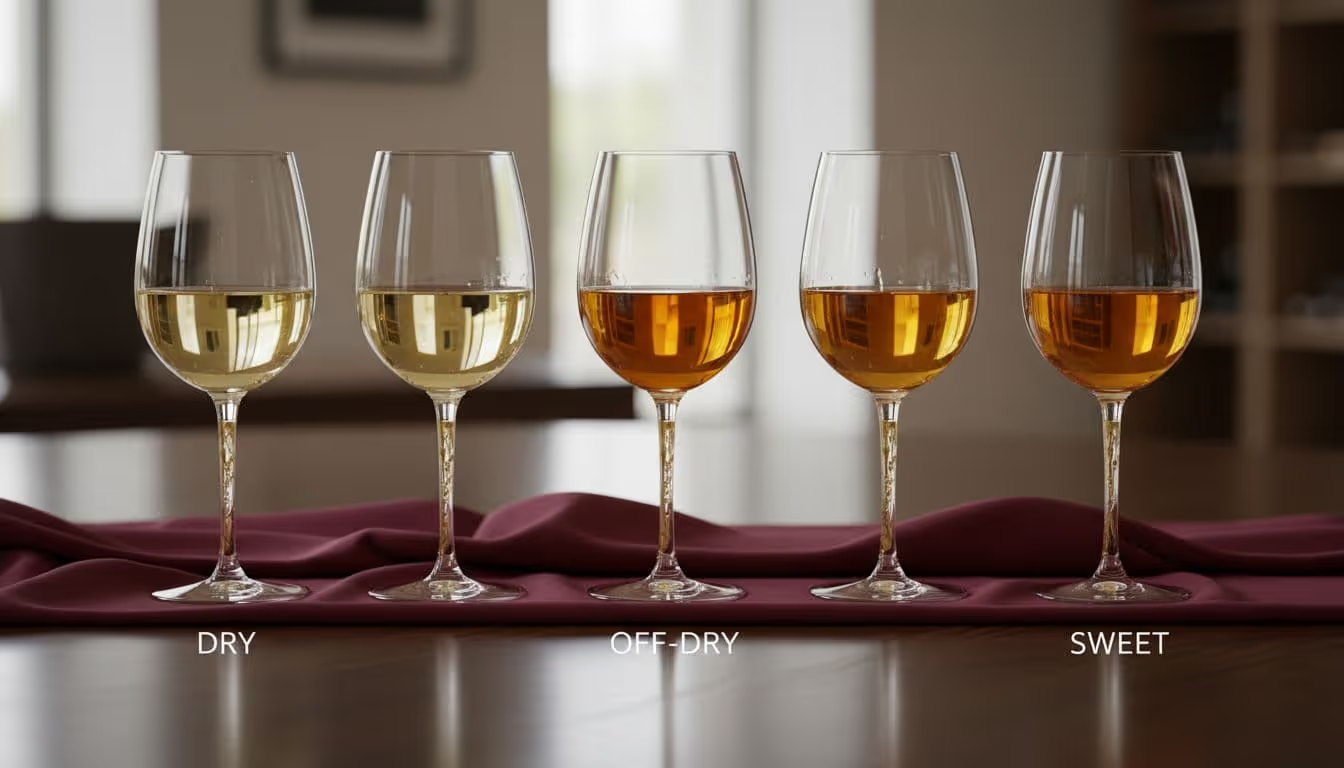
Off-dry sits between dry and sweet. Think of a cold green apple with a thin brush of honey, not peach syrup. Most bottles still taste fresh, especially when acidity is high.
A quick wine guide helps here. Dry wine finishes sharp and clean. Sweet wine lingers like juice. Off-dry lands in the middle, so the fruit feels rounder and softer. Cold temperature can hide sweetness a bit, so an off-dry wine may read crisp at first sip and softer a moment later.

Off-dry means lightly sweet, not sugary.
The feel matters as much as the flavor. Dry whites feel lean, while off-dry whites feel a touch rounder, almost like adding a spoon of fruit juice to sparkling water. Acidity keeps that softness from turning heavy. Because of that, many off-dry whites taste lively, not sticky.
Riesling is the classic clue, but it isn't alone. Chenin Blanc, Gewürztraminer, Pinot Gris, and some sparkling wines can land in that zone too. Riesling from Germany, Washington, or the Finger Lakes often sits here. If you want a broader map of white styles, Coravin's guide to white wine types is a helpful reference.
When people want wine tasting notes explained, the useful clues are basic: peach, pear, apricot, lime, flowers, and a soft finish. That's wine explained simply. In real life, how to choose wine is less about memorizing regions and more about spotting a pattern that matches your taste. For extra confidence, best wines for beginners keeps the language plain and practical.
Read the label before the backstory
Labels are faster than poetic winery copy. Look for off-dry, semi-dry, demi-sec, halbtrocken, or feinherb. Producers often hide the answer in plain sight, and the Hermann J. Wiemer Semi-Dry Riesling review shows how direct that naming can be.
A quick table makes the label scan easier.

Shelf tags can help, but they can also mislead. A tag that says fruity does not always mean sweet. Fruit flavor and sugar are different. Off-dry wine usually shows both ripe fruit and a soft finish, while a dry wine can smell like peach and still finish sharp.
Alcohol gives another clue. Many off-dry whites sit a bit lower because some grape sugar stays in the wine. A 9% Riesling often has more softness than a 13.5% Sauvignon Blanc. Not every bottle follows that rule, but it helps.
Back labels matter too. Words like juicy, floral, ripe, or luscious often hint at off-dry. Meanwhile, crisp, mineral, bone-dry, or zesty usually point drier. If the bottle is German and the terms feel unfamiliar, don't freeze. Halbtrocken and feinherb are your friends. Those are the grocery store wine picks shortcuts that matter when you have 30 seconds and a cart full of food.
Good wine recommendations don't need drama. You want simple wine tips, friendly wine advice, and simple wine explanations you can use without second-guessing yourself.
Use restaurant and food clues when labels fail
Restaurant lists can feel worse because the pressure is higher. Still, a short wine pairing guide works fast: off-dry white wine loves spice, salt, and dishes with a little heat. That's why off-dry whites for spicy poke bowls make so much sense, and why white wines for sushi often include off-dry Riesling for spicy rolls or sweet sauces.

On a wine list, skip the poetry and use direct language. Ask for "a crisp white with a touch of sweetness, not dessert sweet." Those are the best restaurant wine tips and wine list tips because they tell the server exactly what you mean. If a list gives only producer names, ask which white feels slightly fruity but still fresh.
Food clues help when the menu is vague. Thai food, spicy takeout, salty appetizers, glazed seafood, and blue cheese all point toward off-dry styles. Plain grilled fish and oysters usually point dry. In other words, off-dry is often the better pick when the meal punches back.
Heat is the big tell. Chili, ginger, soy, glaze, and sweet-salty sauces all make a little sweetness useful. The wine doesn't disappear, and the food doesn't bully it. At a store counter, ask for a white that's crisp, lightly sweet, and good with spicy food. That's often enough.
Sommy works like an AI wine assistant, giving smart wine recommendations in the moment based on your taste, meal, and budget. Instead of broad wine app suggestions, you get personalized wine recommendations, personalized wine picks, smart wine picks, and clear wine recommendations that feel like everyday wine advice. Think of it as a modern wine guide for busy people, not a lecture.
Keep the choice simple
The safest way to spot off-dry white wine fast is to look for the right words first, then confirm with the setting. Label terms, lower alcohol, ripe fruit notes, and spicy or salty food pairings usually point you in the right direction. You're not hunting for the perfect bottle. You're looking for the right lane.
If you want help choosing wine in the moment, let Sommy turn a shelf photo or wine list into calm, useful guidance. One good glass beats ten minutes of guessing.