

Choosing a drink with sushi is refreshingly simple: go for a dry, high-acid, unoaked white wine. The logic is the same as squeezing a lemon over a piece of fish. It just works. Crisp, zesty wines like Sauvignon Blanc, Pinot Grigio, Albariño, or a dry Riesling are your best options. They cut through richness, clean your palate, and let the delicate flavors of the fish and rice shine.
Why Crisp White Wine and Sushi Are a Perfect Match

Trying to pick a wine for sushi can be stressful. You’re looking at the menu, worried that the wrong bottle will ruin a beautiful, expensive meal. You do not need to be a wine expert to get this right. The answer is actually pretty intuitive.
Think of your wine as one last condiment. That mouth-watering quality you get from a great white wine comes from its acidity, and it’s exactly what you need to brighten up the fish. It acts like a reset button for your palate, making every single bite taste as fresh and clean as the first.
The Role of Acidity and Flavor
A wine with good acidity slices right through the natural oils in richer fish like tuna and salmon, but without clashing. It is also important to stick with an "unoaked" wine. The buttery, vanilla-like flavors that come from oak barrels are lovely on their own, but they will completely smother the subtle taste of raw fish and seasoned rice. An unoaked wine keeps the spotlight where it belongs: on the sushi.
One simple guideline helps you sidestep most of the common pairing mistakes. It is no accident that white wines are the go-to for sushi. They work well with about 85% of sushi types, while most reds just cannot keep up. One major review of pairings found that diners picked dry, crisp whites 62% of the time for their sushi dinners, which proves just how reliable they are. You can see more of these pairing insights from Wine Spectator if you want to dig deeper.
Choosing a white wine for sushi is less about specific brands and more about a style profile: crisp, zesty, and clean. Focusing on this profile removes the anxiety of picking a single "perfect" bottle.
This is not about memorizing a bunch of complicated rules. It is a simple framework. Instead of worrying about grape varieties, just look for a wine that feels bright and refreshing. This is exactly the kind of on-the-spot decision the Sommy app is built for, helping you find a bottle with that perfect profile right from the wine list in front of you.
To make it even easier, here’s a quick reference table to get you started.
Quick Guide to Sushi and White Wine Matches
Use this table to quickly find a white wine style that pairs well with your favorite sushi.
Just find what you're eating on the left, and you've got a great starting point on the right. Happy pairing.
Three Simple Rules for Picking the Perfect Bottle
Let's make choosing a white wine for your sushi night simple. Forget about memorizing dozens of obscure grapes or complicated pairing theories. You do not need them.
Instead, all you need are three easy rules. Think of this as your framework. It works every time, whether you're staring at a restaurant wine list or standing lost in a wine shop aisle.
Rule 1: Hunt for High Acidity
If you remember only one thing, make it acidity. A wine with great acidity has that zesty, crisp, refreshing quality that makes your mouth water, a lot like a fresh squeeze of lemon over fish.
That zippiness is what cuts through the natural oils in richer fish like tuna and salmon. It cleanses your palate between bites, making every piece of sushi taste as bright and distinct as the first.
On a menu or bottle, look for words like "crisp," "zesty," or "mouth-watering." Those are your clues. If you want to dig a little deeper, we have a whole guide on what acidity in wine really means and why it's so important.
Rule 2: Say No to Oak
Our second rule is just as straightforward: avoid wines aged in oak barrels. When a wine spends time in oak, it picks up flavors like butter, vanilla, and even coconut. Those notes are delicious with a roast chicken, but they will completely overpower the delicate flavors of your sushi.
It is like putting ketchup on a perfectly seared scallop; you just lose the point.
To stick to this rule, just look for the word "unoaked" or "unwooded" on the label. An unoaked Chardonnay is a classic example. You can also safely bet on wines from regions famous for fresh, clean styles, like a Sauvignon Blanc from France's Loire Valley or a zippy Albariño from Spain.
Rule 3: Match the Wine's Weight to the Roll's Flavor
Finally, think about intensity. You would not pour a heavy, dark gravy over a light, delicate piece of fish, right? The same logic applies here. You want the wine and the sushi to be in the same weight class.
Here’s a simple way to think about it:
- For light, simple rolls like a basic tuna or cucumber maki, go for a light-bodied and subtle wine. A classic Italian Pinot Grigio is a perfect, no-fuss choice.
- For more complex or spicy rolls, like a spicy tuna or a dragon roll loaded with sauces, you need a wine with a bit more personality. A dry Riesling or an expressive Austrian Grüner Veltliner has enough flavor to stand up to the spice and sauces without clashing.
That's it. High acidity, no oak, and matched intensity. Following these three rules gives you a clear plan of attack. You're no longer guessing; you have a simple, reliable method for choosing a fantastic white wine for sushi every single time.
Putting It All Together: A Guide to the Sushi Menu
Okay, let's move from theory to the real world. Applying those three rules when you're staring at a sushi menu is the final piece of the puzzle. Here is where you go from guessing to choosing with real confidence.
We'll break down the best white wine for sushi based on the most common things you're likely to order. Thinking about the specific rolls on your plate makes the choice feel smart and personal.
This little decision tree can help you visualize the simple questions to ask when you're picking out a bottle. It all boils down to oak, acidity, and intensity.
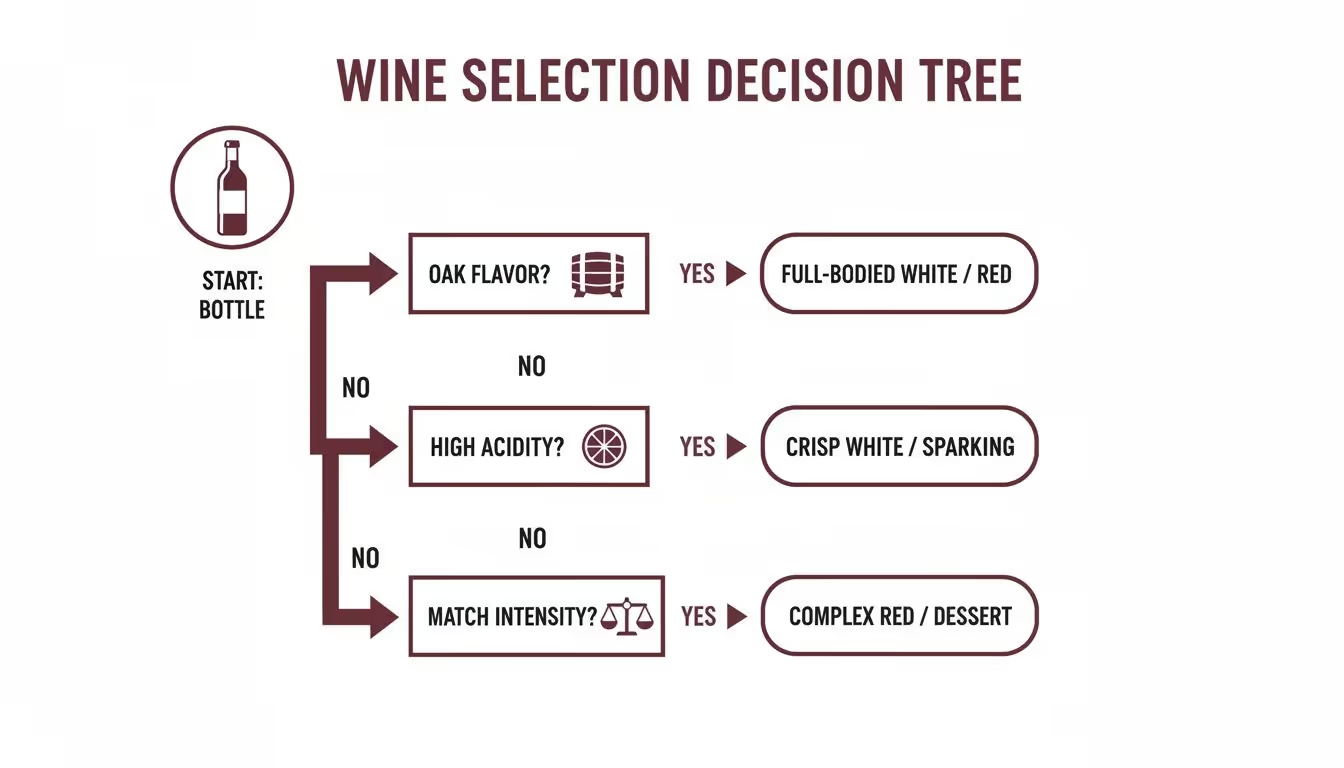
As you can see, steering clear of oak and making acidity your top priority are the two biggest moves you can make for a great sushi pairing.
For Nigiri and Sashimi
When you're eating beautifully simple slices of high-quality fish, like nigiri (fish over a pillow of rice) or sashimi (just the fish), you need a wine that's just as clean and precise. A crisp, mineral-driven white will spotlight the fish's delicate flavor, not steamroll it.
Think of wines like an unoaked Chablis or a zesty Spanish Albariño. They act like a squeeze of fresh lemon, making everything brighter and more focused.
For example, an Albariño from Spain's Rías Baixas region brings a crisp, saline minerality and citrus notes that are fantastic with nigiri, especially shellfish like uni or ebi. A good Sauvignon Blanc is brilliant with oilier fish like mackerel (saba) by cutting through the richness without any oaky distraction.
If you want a versatile workhorse, a Pinot Gris from Alsace can handle about 70% of common sushi varieties, even navigating the tricky territory of pickled ginger and wasabi.
For Maki Rolls
Maki rolls can be anything from a simple cucumber roll to a complex creation loaded with different ingredients and sauces. For these, you need a wine that’s flexible enough to keep up.
A dry Riesling is a fantastic all-rounder here. It has the acidity to slice through different textures and just enough fruit to play nice with any sauces drizzled on top.
For Tempura and Fried Rolls
Anything fried, from shrimp tempura to rolls with those crunchy bits, is calling out for bubbles. A sparkling wine like Prosecco or Cava is your best friend here.
The carbonation and high acidity act like a scrub brush for your palate. They cut straight through the richness of the fried batter, cleansing your mouth and keeping the dish from feeling heavy or greasy.
For Spicy Rolls
If you’re a fan of a spicy tuna or spicy scallop roll, look for a wine with just a hint of sweetness. An off-dry Riesling or a fruit-forward Chenin Blanc works wonders.
That touch of sweetness is not enough to make the wine taste sugary. Instead, it provides a cooling counterpoint that tames the heat from the spice, creating a perfect balance. A classic food pairing challenge, if you want to dive deeper, is covered in our whole guide on the best wine choices for spicy food.
How Soy Sauce, Wasabi, and Ginger Affect Your Wine Choice
Let's be honest, sushi almost never shows up by itself. The little dishes of soy sauce, wasabi, and pickled ginger are part of the ritual. For a lot of people, they also cause a little panic: "Will these strong flavors completely wreck my wine pairing?"
You can relax. You do not need a separate wine for your tuna, another for the soy sauce, and a third for when you add a dot of wasabi.
The secret is sticking with a single, versatile, high-acid white wine. A good bottle will not just survive the condiments; it will actually play off them. Think of them less as a problem and more as a chance to see how a great wine can bend and adapt to different flavors on the same plate.
How Each Condiment Plays with Wine
The trick is knowing what each one does to the wine in your glass.
That salty kick from soy sauce? It is actually a friend to a wine with good acidity and bright fruit. The wine’s zippy character slices right through the salt, which in turn makes the wine’s fruity notes pop. It’s a beautiful give-and-take.
When you bring in the sharp heat of wasabi, you need a firefighter. A wine with just a little bit of sweetness is perfect for the job. Here is where an off-dry Riesling shines. That hint of sweetness cools the burn without tasting sugary, turning a potentially painful clash into an exciting contrast. For a deeper dive, check out our full guide on pairing wine for spicy food.
And what about the pickled ginger? Its whole job is to clean your palate between bites. A wine with its own crisp, clean profile, like a zesty Sauvignon Blanc with citrus or herbal notes, works right alongside it, refreshing your mouth for the next piece of sushi.
You're not looking for three different wines. You're looking for one wine that can do three jobs. The goal is to find a bottle with enough acidity for salt, enough fruit for spice, and a clean finish to reset your palate.
This is exactly the kind of on-the-fly decision a tool like Sommy is built for.
Instead of getting stressed trying to find that one perfect bottle on a long list, you can tell Sommy what you're eating. It will scan the list and pinpoint a versatile white that can confidently handle the entire sushi spread, condiments and all. It cuts out the guesswork so you can get back to enjoying your meal.
Finding Your Go-To Sushi Wine in a Store or Restaurant

Here is where it all comes together. You're standing in front of a wall of wine at the store, or staring at a long list in a restaurant. It is normal to feel a bit of pressure, but with a few simple pointers, that wall of choice becomes a short list of clear winners.
You have what it takes to pick a fantastic white wine for your sushi.
When you're in a wine shop, your first move is to scan the labels for a few key words that signal you’re on the right track.
- "Dry" or "Crisp": These are your best friends. They tell you the wine has that high acidity we’ve been talking about.
- "Unoaked" or "Stainless Steel": These terms mean the wine was made to be fresh and clean, without any of those buttery or vanilla notes that can clash with fish.
- Specific Regions: Keep an eye out for wines from places known for zesty styles, like Sauvignon Blanc from France's Loire Valley or Albariño from Spain's Rías Baixas.
These keywords are your cheat codes. If you still feel lost in the aisles, our guide to finding the best grocery store wines can help you spot hidden gems on any shelf.
Making a Calm Choice at the Restaurant
A restaurant wine list can feel like a pop quiz you did not study for. Do not let it. The same logic from the wine shop applies here.
Look for those familiar, safe-bet names: Pinot Grigio, Sauvignon Blanc, Albariño, or a dry Riesling. They are popular for a reason; they work beautifully with a huge range of foods, and that definitely includes sushi.
If you decide to ask for help, you do not have to feel intimidated or use fancy wine jargon. Just say something simple like, "I'm looking for a crisp, dry white wine to go with our sushi, something without a lot of oak." Doing so gives the server or sommelier clear, direct instructions.
It is an incredibly popular move. A 2026 Datassential study found that 67% of diners chose white wine with sushi. Low-oak options like Albariño have seen a 150% surge in sales since 2018, and for good reason; the wine's subtle salty notes echo the nori seaweed, making it a perfect match.
Instead of guessing, you can remove all that decision anxiety. A tool like Sommy acts as your quiet, personal wine assistant, right there in the moment.
This is exactly the kind of situation where a smart guide makes all the difference. You can use the Sommy app to scan the wine list at your table or the bottles on the shelf in front of you.
It will instantly highlight the best options for your sushi night, based on your taste and the simple principles we’ve covered. It helps you choose calmly and confidently, every single time.
Your Sushi and Wine Questions Answered
Even with a few solid rules in your back pocket, a couple of last-minute questions always seem to pop up when it's time to order. Let's clear up those final doubts so you can pick a bottle with total confidence.
Think of this as your quick-fire round to make sure your next sushi night is nothing but relaxing and delicious.
What if I Can Only Find Chardonnay?
Ah, Chardonnay. It often gets a bad rap with sushi, mostly because the popular, oaky, and buttery styles can completely overwhelm delicate fish. But not all Chardonnays are created equal.
If it’s your main option, you have a secret weapon: look for the words "unoaked" or "unwooded" on the label. Even better, hunt for a Chardonnay from a cooler climate, like a classic Chablis from France. These are crisp, mineral-driven, and have the clean, sharp profile that sushi craves.
Is Rosé a Good Option for Sushi?
Absolutely. A dry rosé can be a fantastic choice, and it works for the exact same reason a crisp white does: high acidity.
Just make sure you’re reaching for a light-bodied, pale-colored rosé, like the kind you’d find from Provence. It delivers that same refreshing quality and is versatile enough to handle everything from a simple tuna roll to a more complex platter.
Does the Price of the Wine Matter for a Good Pairing?
Nope. The price tag is one of the least important factors here. What truly matters is the style of the wine. You can find an incredible wine for sushi without breaking the bank.
Focus on the profile: dry, high-acid, and unoaked. Plenty of everyday, budget-friendly wines like Pinot Grigio, Sauvignon Blanc, and unoaked Chardonnay fit this description perfectly. To dive deeper into how style shapes a perfect match, you can read our guide on how to pair wine with food.
Choosing the right white wine for sushi should feel fun, not like a test. It’s really just about finding a refreshing partner that makes your meal even better.
If you want help choosing wine in the moment, that is exactly the kind of decision Sommy helps with. Instead of guessing from a long list, our AI can scan a menu or store shelf and give you a confident recommendation in seconds. Visit us at https://www.sommy.ai to see how it works.