

Standing in the wine aisle, you just want a bottle that tastes good. Acidity in wine is simply the crisp, refreshing feeling that makes you want another sip. It’s the difference between a zesty lemonade and a smooth glass of milk. Understanding this one feeling is the secret to confidently choosing a wine you’ll actually enjoy.
Feeling overwhelmed by a wine list is normal. But you don't need to be a wine expert to make a great choice.
Why Acidity is Your Shortcut to a Better Bottle
Think of acidity as the squeeze of lime on a taco. It doesn't just add its own flavor; it makes all the other flavors feel brighter and more alive. Without it, wine can taste flat and heavy.
When someone says a wine has high acidity, they mean it feels zesty and makes your mouth water. A wine with low acidity will feel softer, rounder, and smoother.
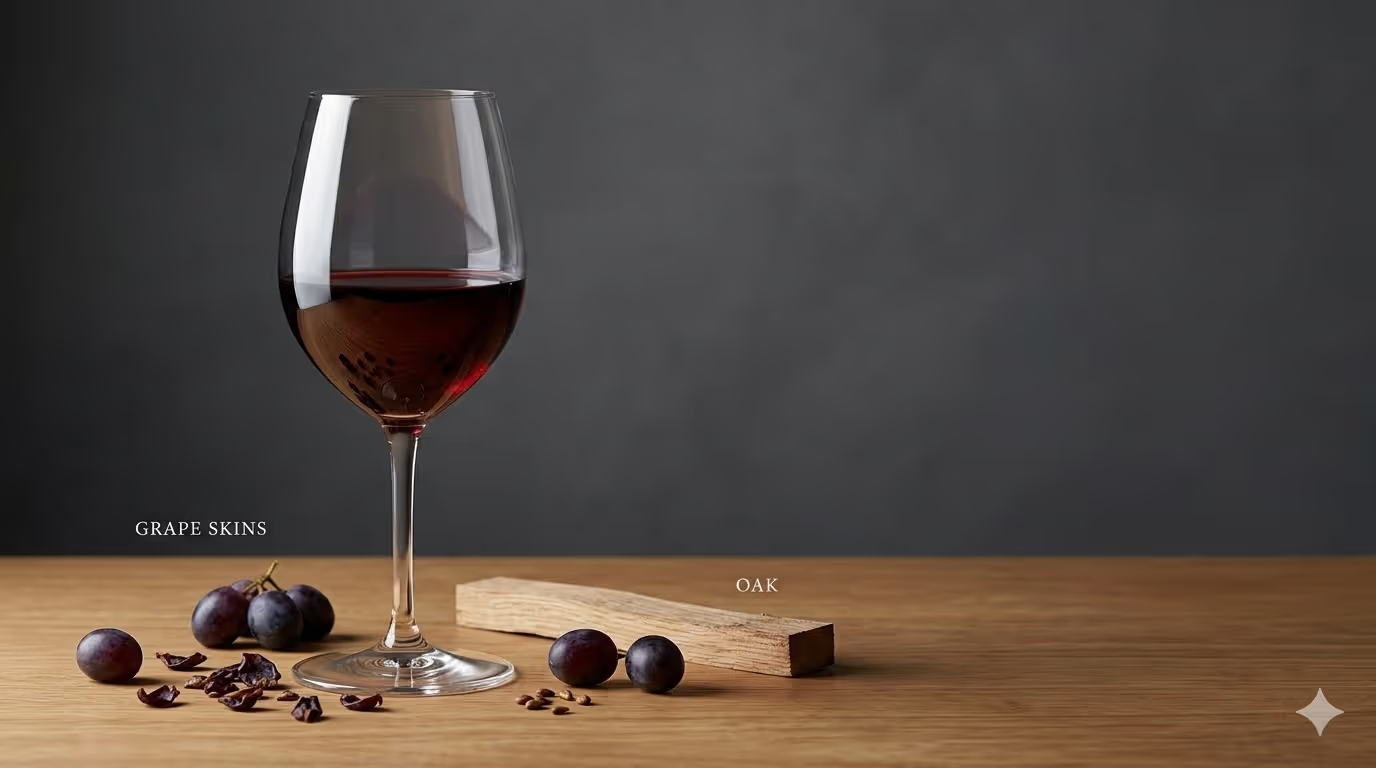
This infographic shows how that crisp feeling gets from the grape to your glass.

It’s not a complicated chemical formula; it's a natural part of the wine that tells you a lot about how it will feel in your mouth.
The Feeling Behind the Flavor
You don't need to worry about pH levels or tartaric acid. All you need to focus on is what you prefer. Do you like that lip-smacking, tart quality? Or do you prefer something softer?
Knowing the answer to that one question is the key.
Getting a handle on this one feeling, crispness, is the most powerful tool you have. It lets you confidently tell a server or shop owner what you like, ensuring you get a bottle you'll actually enjoy without having to memorize complex wine jargon.
For instance, knowing you prefer crisp wines over smooth ones can help you choose between a zesty Chablis and a rounder, creamier Chardonnay. This is exactly the kind of in-the-moment decision Sommy helps with, using your preferences to guide you to the right bottle without the stress.
How to Notice Acidity in Your Next Glass

You don’t need special training to spot acidity. You already know exactly what it feels like. The trick is simply connecting that sensation to the wine in your glass.
The next time you take a sip, forget about describing fruit flavors. Just focus on the physical reaction in your mouth.
The Mouth-Watering Test
Here’s a simple exercise. Take a sip of wine and hold it for a moment. Pay attention to what happens.
- Does your mouth start watering? That’s your body’s direct response to acidity. A lot of watering means high acidity.
- Do you feel a tingle on the sides of your tongue? A zesty, tingling feeling is a sure sign of acidity.
- Does the wine feel "bright" or "sharp"? This is the overall impression. A wine that feels lively and energetic has noticeable acidity.
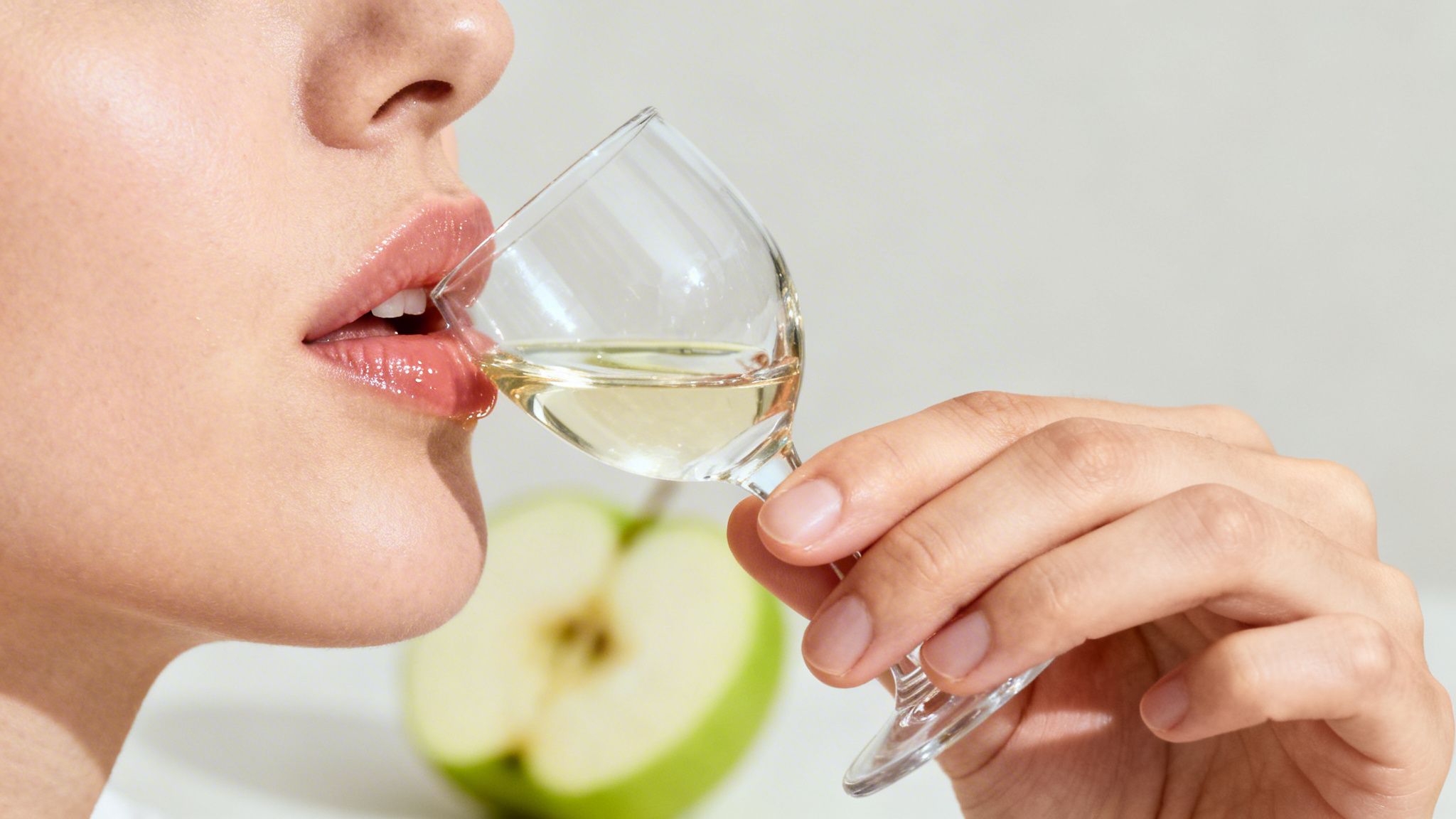
Think of it this way: bite into a crisp green apple. Your mouth puckers and waters. That's high acidity. Now, imagine eating a soft, ripe banana. The texture is smooth and gentle. That's low acidity.
That simple comparison is all you need. There’s no right or wrong answer; it’s just about what tastes good to you.
Trusting your own palate is the first step to feeling more confident. You can learn more simple steps for how to taste wine properly to build on this. Once you start noticing this mouth-watering feeling, you can finally tell a server you prefer a “crisp” wine over a “smooth” one and know you'll get something you like.
Let Acidity Make Your Food Pairings Effortless
If you feel a flash of anxiety when someone hands you the wine list at dinner, you’re not alone. The good news is that you don’t need to memorize complicated rules to make a great choice. You just need to understand acidity.
Think of acidity as your go-to tool for food pairing. A high-acid wine acts like a palate cleanser, cutting through rich, fatty, or salty foods. It’s the same reason a squeeze of lemon makes fried fish taste better.
The One Rule That Changes Everything
Forget the complicated charts. Just remember this simple principle: use a crisp, high-acid wine to balance a rich or heavy dish. The wine’s zesty acidity slices through fats and salt, refreshing your palate so every bite tastes as good as the first.
This single guideline works almost every time. It’s that simple.
- Creamy Goat Cheese: The cheese’s tang is a perfect match for the zesty, high-acid profile of a Sauvignon Blanc.
- Fried Chicken: A crisp sparkling wine or a dry Riesling cuts right through the richness, cleaning your palate for the next delicious bite.
- Pasta with Cream Sauce: A bright Pinot Grigio will keep the dish from feeling heavy and overwhelming.
The point isn't to become a pairing expert. It's about using one reliable trick to make a confident choice that makes the whole meal better.
When you focus on acidity, the stress of choosing the “perfect” wine disappears. If you want to dig a little deeper, our simple guide on how to pair wine with food breaks it down even more. This is exactly the kind of shortcut Sommy is built for, helping you find the right bottle without any of the pressure.
How a Wine's Origin Affects Its Freshness

Have you ever wondered why a Sauvignon Blanc from one place tastes zesty and another tastes soft? It almost always comes down to a single factor: climate.
Think of this as a cheat sheet for any wine shop or restaurant. Understanding this one idea is a huge shortcut to finding wines with the exact level of freshness you love.
Cool Climate vs. Warm Climate Wines
Grapes grown in cooler regions ripen slowly. This helps them hold onto their natural acidity, which results in wines that feel crisp, tart, and refreshing.
Now, picture grapes growing under a hot sun. They ripen much faster, building up sugar while their acidity naturally drops. This gives you wines that feel fuller, fruitier, and smoother.
- Cool-Climate Regions (think Germany, Northern France, Oregon): Expect wines with higher, more pronounced acidity. These are your go-to bottles when you want that zippy, "mouth-watering" sensation.
- Warm-Climate Regions (like Central California, Australia, Southern Spain): Look here for wines with a softer, lower-acid vibe. They're perfect when you're in the mood for something "smooth" and "juicy."
This is precisely the kind of logic the Sommy AI uses. It connects your taste preferences to a wine's origin, taking the guesswork out of picking a bottle that’s right for you.
A quick note: As global temperatures rise, many traditional cool-climate regions are finding it harder to maintain high acidity. Research suggests up to 70% of these historic wine regions could become less suitable. This could make that crisp, fresh style you crave harder to find. You can learn more about how the global wine map is changing on BeverageDaily.com.
Once you get this basic concept, you’ll start seeing the connection between a wine’s home and its taste everywhere. To learn a bit more, see the key differences between Old World vs. New World wines, a divide that often comes down to these same climate influences.
Your Practical Guide to Choosing Wine by Acidity
Let's turn this into a game plan you can use. The goal is to feel confident, not overwhelmed. Instead of staring at a long list, you'll have the right words to get a bottle you'll love.
It all starts with knowing what you’re in the mood for. Do you want something zesty that makes your mouth water, or something softer? Once you know that, you're halfway there.
How to Ask for the Wine You Actually Want
You don’t need a complex beginner wine chart or to feel like you're taking a test. All you need are a few simple words to describe the feeling you're after. (While acidity levels vary across over 813 wine regions on oeno-one.eu, you don't need to get lost in the data.)
Instead, just use these simple phrases at a restaurant or wine shop.
Describing Your Acidity Preference
| If You Like... | What to Ask For | Wine Styles to Look For |
|---|---|---|
| That zesty, mouth-watering feeling | "Crisp," "bright," or "refreshing" | Sauvignon Blanc, dry Riesling, Pinot Grigio, Champagne |
| A softer, gentler texture | "Smooth," "soft," or "round" | Oaked Chardonnay, Viognier, low-tannin Merlot |
Using these words tells your server or shop attendant exactly the style you prefer, taking the guesswork out of their recommendation.
Let Sommy Be Your Guide
Even better, you can skip the memorization entirely. Instead of trying to remember which words mean what, you can let Sommy do the work for you right at the table.
Just scan the wine list with your phone. The Sommy app will instantly highlight bottles that match your personal preference for crispness or smoothness, relieving the pressure of choosing wrong. It’s like having a calm, helpful friend guide you to the perfect bottle.
Common Questions About Wine Acidity
Even with a good handle on what acidity is, a few questions always pop up. Let's tackle them with quick, straightforward answers so you can feel even more confident.
Is Acidity the Same as Alcohol Content?
Not at all. Acidity and alcohol are two different things that you feel in different parts of your mouth.
Acidity is that bright, mouth-watering feeling on the sides of your tongue. Alcohol gives a sense of weight or warmth, usually at the back of your throat. A wine can be high in one and low in the other.
Does Acidity Give You Heartburn?
For some people, yes. If you're sensitive to acidic foods like coffee or tomato sauce, you might find that high-acid wines can trigger heartburn.
If that’s you, it doesn't mean you have to give up wine.
Just start asking for wines described as "soft," "round," or "smooth." Those words are cues for lower acidity. A rounder Chardonnay or a smooth Merlot could be perfect alternatives that are much gentler.
Does Aging Affect a Wine’s Acidity?
Yes, but it's a slow process that really only matters for a small number of wines built for long-term aging.
Over many years, a wine’s sharpest acids can gradually soften. For the vast majority of wines you buy at a store, the acidity is stable. You can trust that the crisp or smooth feeling it has now is exactly what the winemaker intended.
Instead of juggling all these details while staring at a wine list, let Sommy do the heavy lifting. The next time you're trying to decide, scan the list with the app. Sommy.ai will instantly flag bottles that hit the right acidity level for your palate, helping you pick the perfect wine for your meal, calmly and confidently.