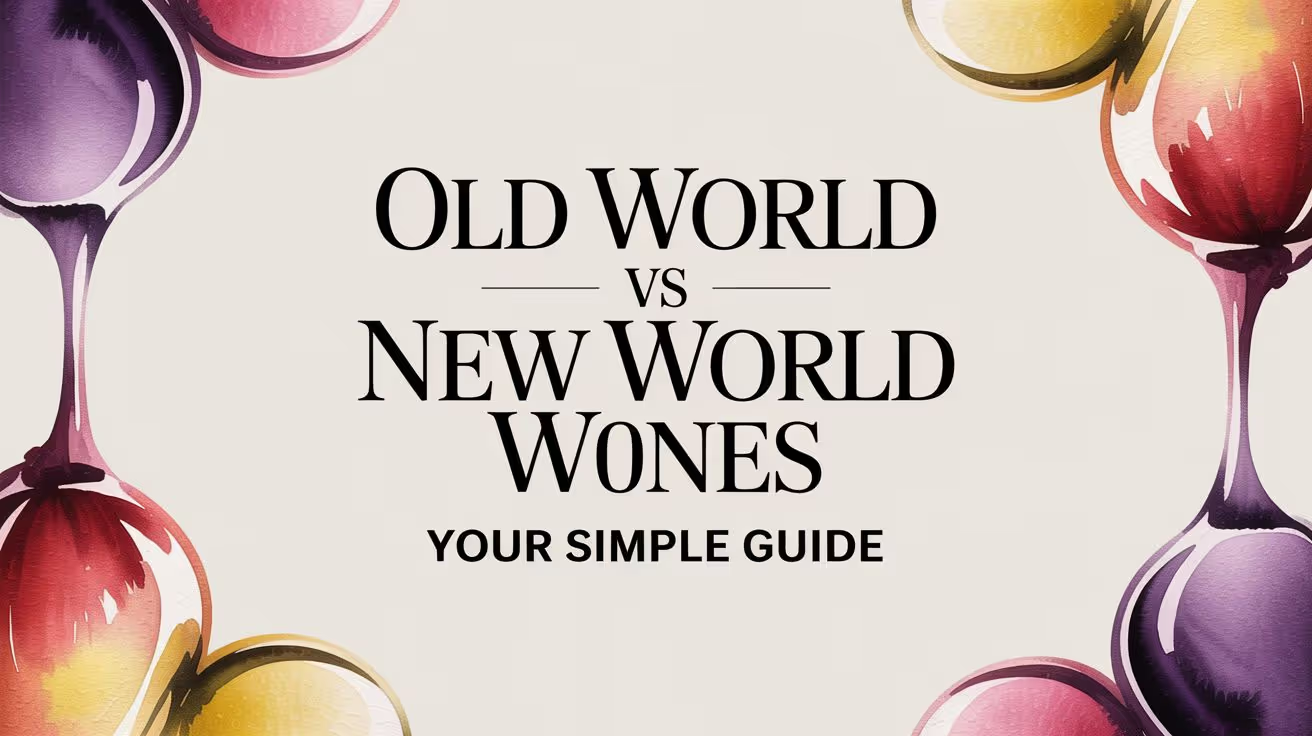
Standing in the wine aisle, you see a bottle from France next to one from California. What’s the real difference? The short answer is that Old World wines from Europe tend to be more earthy and subtle, while New World wines from everywhere else are usually bolder and more fruit-forward. This simple distinction is the fastest way to guess a wine’s style and confidently pick one you'll love.
Your Shortcut to Choosing the Right Wine
Feeling overwhelmed by a wine list or a crowded store shelf is normal. The good news is, you don’t need to be an expert to make a great choice. Understanding the basic split between Old World and New World is a simple framework that helps you match a wine to your taste and the moment.
It’s not about which style is "better." It's about what you’re in the mood for. Are you having a light meal and need a wine that won’t overpower it? Or do you want a big, bold wine to sip on its own? This is the core question that Old World vs. New World helps you answer, quickly and without stress.
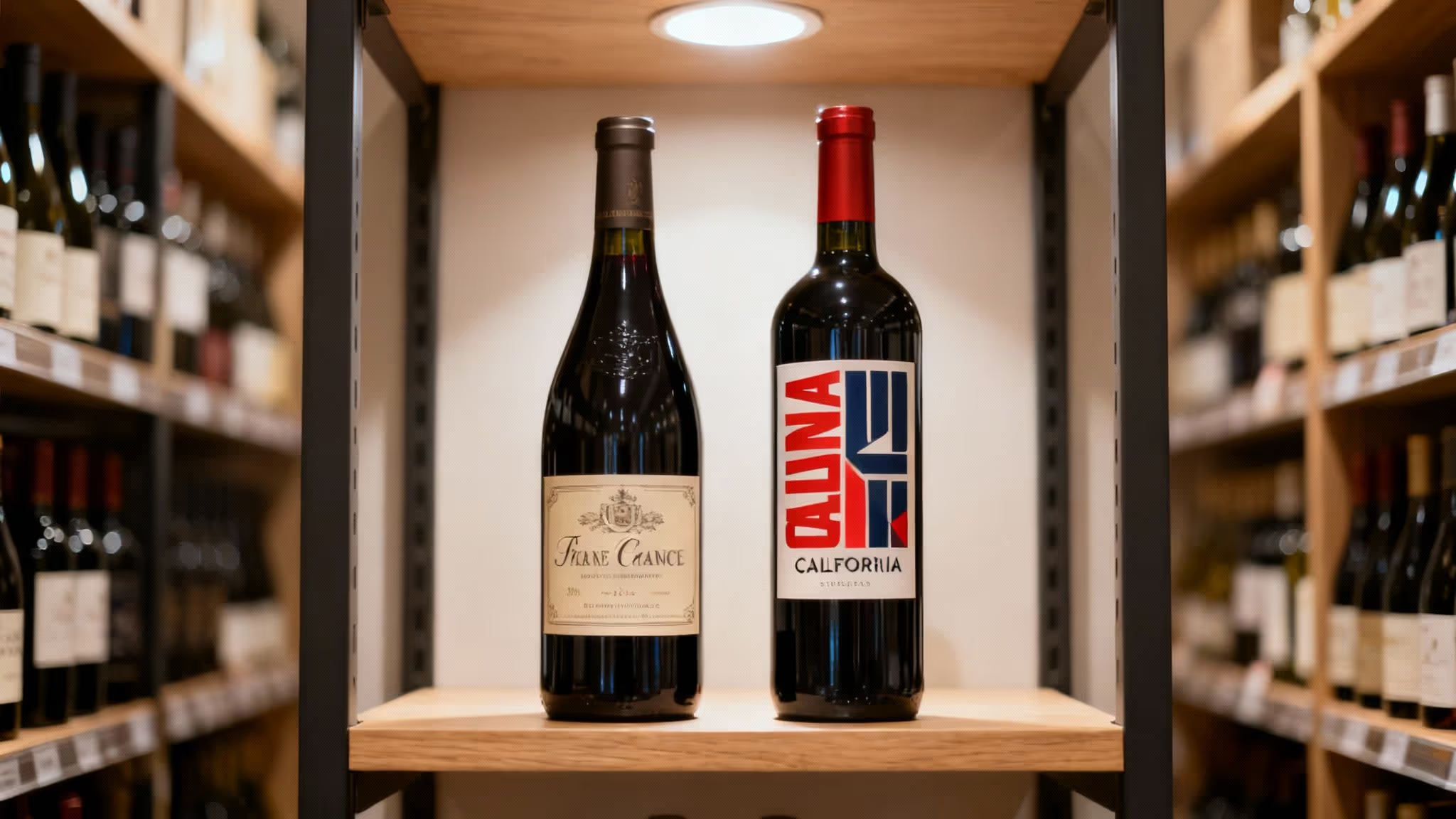
Old World vs. New World: The Core Idea
Forget memorizing regions. Just remember this:
- Old World (Europe): Think tradition. The wine is all about tasting like the specific place it came from. Flavors are often more savory, earthy, and subtle.
- New World (Everywhere Else): Think innovation. The wine is all about letting the fruit flavor of the grape shine. Flavors are typically bolder, fruitier, and more direct.
Here's a quick reference to help you in the moment:
The wine label itself is your biggest clue. European labels often highlight the place (like Chianti or Bordeaux), while New World labels usually highlight the grape (like Cabernet Sauvignon or Chardonnay). Learning how to read wine labels makes this difference even clearer.
This simple pattern removes the guesswork. If you’re having a light fish dinner, an earthy Old World white is a safe bet. Grilling steaks? A fruit-forward New World red is a fantastic choice. The decision becomes about what you feel like, not about following complicated rules.
What's the Actual Difference in Taste?
So, how do these two styles actually taste and feel in the glass? When you're choosing between a French classic and a Californian newcomer, you’re picking between two different philosophies. Knowing what to expect is the key to choosing a bottle you'll enjoy.
Think of it like music. An Old World wine is like classical music—layered, complex, and subtle. A New World wine is like a pop song—bright, driven by a clear melody, and instantly catchy. Neither is better, but you’re usually in the mood for one over the other.
Fruit Flavors vs. Earthy Notes
The first and most obvious difference is the main flavor profile.
- New World wines lead with bold, ripe fruit. Thanks to warmer climates, the grapes get super ripe, leading to flavors of jammy blackberry, juicy cherry, and sweet vanilla from oak. The fruit is the star.
- Old World wines are more reserved. They have fruit, but it's balanced by earthy, herbal, or mineral notes. You might taste things like wet stone, dried herbs, or mushrooms alongside hints of tart cherry.
If you love big, fruity flavors, start with the New World. If you prefer savory and subtle, the Old World will likely feel like home.
How the Wine Feels: Body and Acidity
Beyond taste, the wine's texture is totally different. Warmer New World climates produce riper, sweeter grapes.
This ripeness leads to wines that are usually:
- Fuller-bodied, feeling heavier or richer in your mouth.
- Higher in alcohol, adding to that bold sensation.
- Smoother, with less of a sharp, acidic bite.
In contrast, the cooler climates common in the Old World mean the grapes have less sugar and more natural acidity.
This means the wines are typically:
- Lighter-bodied, feeling more delicate.
- Lower in alcohol, which makes them great with food.
- Higher in acidity, giving them a crisp, mouth-watering quality.
A wine's texture is also shaped by other things, like tannins. For a simple explanation of that, check out our guide on what is tannin in wine. Just remember: New World wines often feel "bigger" and "rounder," while Old World wines feel "leaner" and more "structured."
Your Cheat Sheet for Choosing a Style
Here’s a simple cheat sheet to use when you're in the store.
This isn't a rigid rulebook, but it’s a reliable guide for making a quick, informed guess. If you want a wine to sip on its own, a bold New World red is perfect. If you need a versatile wine for a dinner party, a crisp Old World white is a great bet.
Why Location Matters So Much
Why does a Bordeaux taste so different from a California Cabernet? It's simple: where the grapes grow shapes the final wine. Think of it as a recipe where the location provides all the key ingredients. Wine people call this terroir (tear-WAHR), the idea that a wine should taste like where it came from.
For Old World winemakers, this is a duty. They see themselves as guardians of their land, letting its unique character speak through the wine.
The Climate Factor: It's All About Sunshine
Climate is the biggest player. The amount of sun and heat determines how ripe grapes get, which sets the wine's entire personality.
- Cooler Old World Climates: In places like Northern France or Germany, grapes struggle to ripen. This means they develop less sugar and hold onto more acidity. The result? Wines that are lighter, crisper, and have more tart fruit and savory notes.
- Warmer New World Climates: In California, Australia, or Argentina, long, sunny days are the norm. Grapes ripen easily, packing in sugar. This leads to wines that are bolder, more fruit-forward, with higher alcohol and a fuller body.
This is the main reason an Old World wine often feels more restrained, while a New World wine feels more powerful.
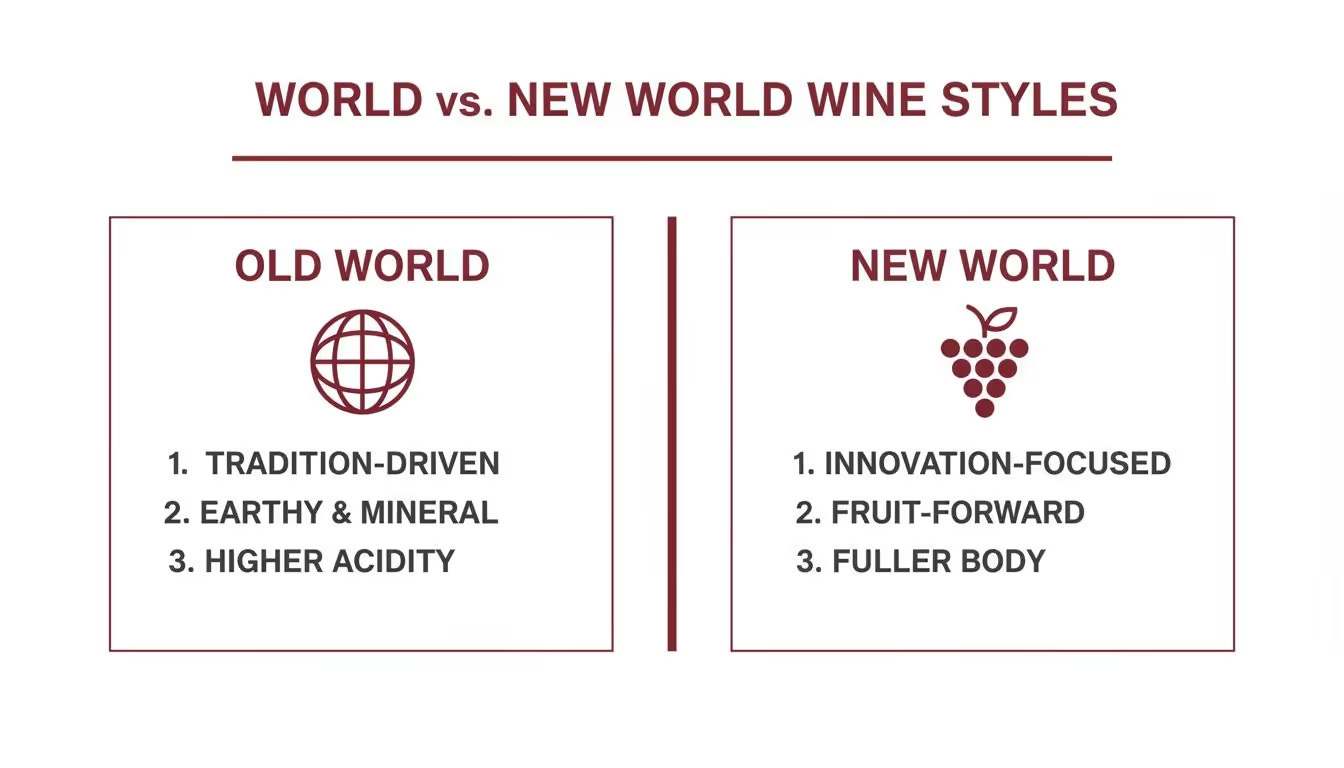
As the infographic shows, Old World wines are celebrated for that earthy, mineral character, while New World wines are all about prominent, juicy fruit.
Tradition vs. Innovation
It's also about philosophy. Old World regions are guided by centuries of tradition, often locked in place by strict rules. In France and Italy, laws can dictate which grapes you can grow and how you make the wine. This protects a region's identity but leaves little room for creativity.
New World winemakers have more freedom. They can plant whatever grapes they want and use modern techniques to craft a specific style. This focus on innovation allows them to produce wines that are consistently ripe, fruity, and appealing.
This freedom led to a famous turning point in 1976 called the Judgement of Paris, where California wines beat classic French ones in a blind tasting. It proved that New World styles could compete with Europe's best. You can find more details about this and other factors at the Wine & Spirits Journal.
Just remember that where a wine comes from is your best shortcut to predicting its personality.
How to Choose at a Restaurant or Shop
Okay, you get the idea: Old World is earthy, New World is fruity. But how does this help when you’re staring at a huge wall of wine? This is where the theory becomes a practical, stress-free tool. Instead of getting lost in details, use geography as your shortcut.
At a Restaurant
A wine list can feel like a test. But you don't need to read every word. Most lists are organized by country, and that's all you need.
Here’s a simple two-step approach:
- Think About Your Food: Are you ordering something light, like fish? Or something big, like steak?
- Match the World to the Food: For lighter dishes, an earthy Old World wine will complement the food without overpowering it. For big, flavorful meals, a fruit-forward New World wine can stand up to the intensity.
This simple mental model cuts through the noise. See France or Italy? Expect subtle and savory. See California or Australia? Expect rich and fruity. For more tips, our guide on how to read a restaurant wine list can help.
In the Wine Aisle
The wine shop has a different challenge: too much choice. But the same principle applies. Most stores organize shelves by country, so you can head straight to the section that fits the style you want.
Here's the simplest rule of thumb to remember:
For earthy and elegant, look to Europe. For fruity and bold, look everywhere else.
That one sentence is often all you need. It cuts your decision-making time in half by immediately filtering out options that don't fit what you want right now. You’re no longer guessing; you’re making a confident choice based on a clear preference.
Real-World Examples
Let’s see how this works in the moment:
- Scenario 1: You're ordering pan-seared scallops.
- The Problem: You need something sophisticated that won't overpower the delicate seafood.
- Your Move: Scan the wine list for "France." You spot a Sancerre. You know it’s Old World, so it will likely be crisp, mineral-driven, and elegant—a perfect and safe choice.
- The Problem: You need a red that can handle big, smoky flavors.
- Your Move: At the store, you walk to the "Australia" or "USA" section. You grab a Shiraz or Zinfandel, confident it will be bold and fruity enough to be a hit.
You didn't need to know the producer or vintage. You just used the Old World vs. New World framework to point you in the right direction. This is exactly the kind of in-the-moment problem Sommy helps with, using your preferences to suggest the perfect bottle.
How Common Grapes Taste in Both Worlds
Have you ever wondered why a Chardonnay from France tastes so different from one from California? It’s not your imagination. A grape’s taste changes dramatically depending on where it’s grown. Knowing this is the key to realizing you might not hate a certain grape, you just prefer a certain style of it.
New World regions have mastered making consistent, fruit-forward wines. Since 2000, Chile boosted its wine production by 88%, while Australia jumped 57%. These trends are explored in-depth in this BKwine Magazine feature.
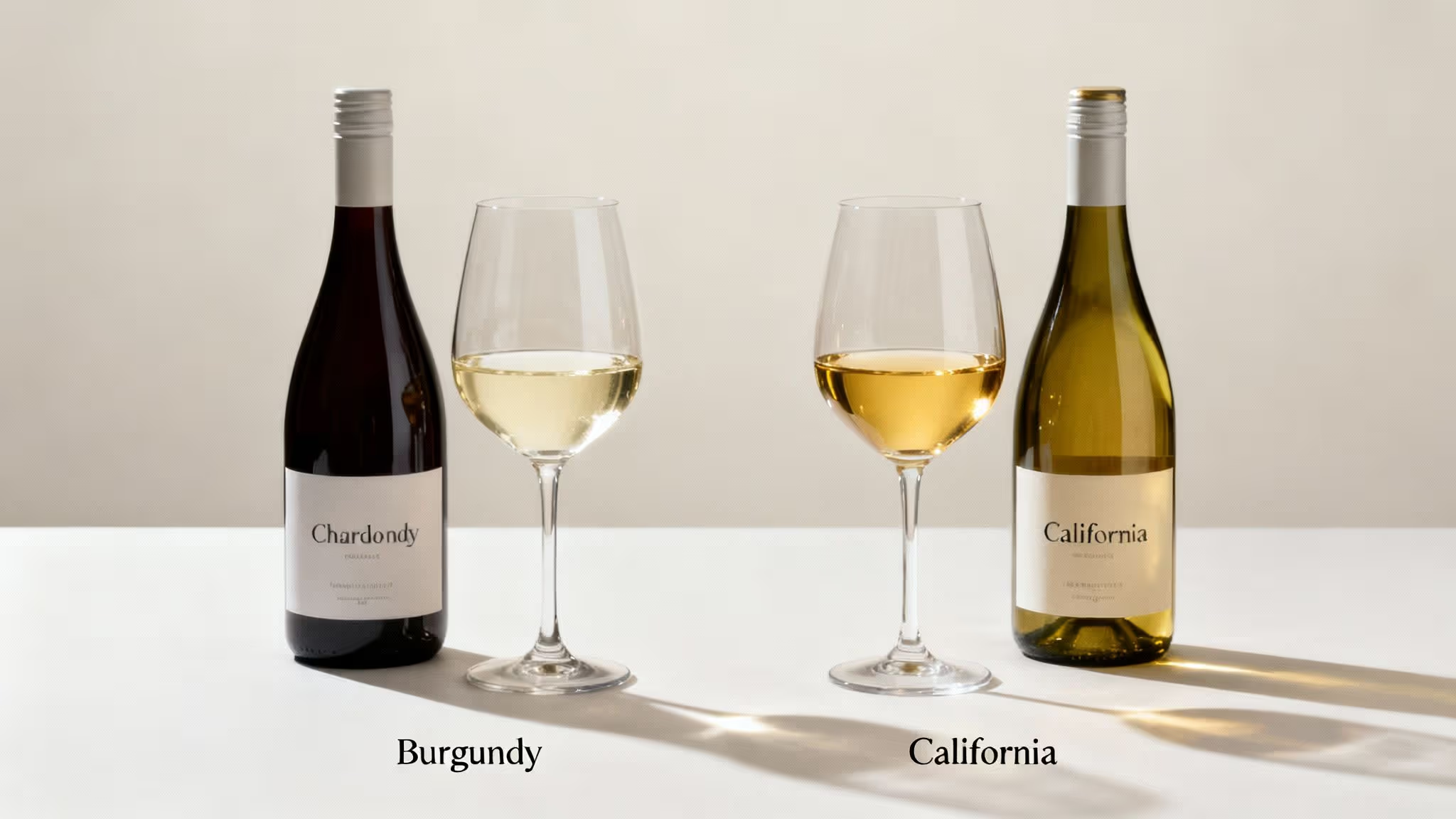
Chardonnay
Chardonnay is the perfect example of this split personality.
- Old World Chardonnay (e.g., White Burgundy, France): Expect subtlety and elegance. These wines are crisp, with flavors of green apple, lemon, and a chalky, mineral finish. They feel lean and refreshing.
- New World Chardonnay (e.g., California, Australia): Get ready for richness. These are fuller-bodied, with ripe pineapple and mango flavors. Many are aged in oak, giving them a creamy, buttery texture.
If you think you don't like Chardonnay, you're probably thinking of the rich, oaky New World style. Try a crisp one from France—it's a completely different experience.
Sauvignon Blanc
Sauvignon Blanc also wears two very different hats.
- Old World Sauvignon Blanc (e.g., Sancerre, France): This style is all about restraint. The flavors are subtle, leaning toward grapefruit, wet stone, and fresh-cut grass. It’s more savory than fruity.
- New World Sauvignon Blanc (e.g., Marlborough, New Zealand): This style is bold and aromatic. You'll find a powerful punch of passion fruit, gooseberry, and zesty lime. It’s an unmistakable, vibrant style.
Knowing which style you prefer makes every future choice easier.
Pinot Noir
Pinot Noir is famous for being delicate, so the difference between its Old and New World versions is striking.
- Old World Pinot Noir (e.g., Red Burgundy, France): The classic style is earthy and complex. Flavors focus on tart red fruits like cranberry, balanced by savory notes of mushroom and damp earth. It's light-bodied with a silky texture.
- New World Pinot Noir (e.g., California, Oregon): Here, the fruit is the star. Expect juicy flavors of black cherry and raspberry, often with a touch of vanilla from oak. These wines are generally fuller-bodied and smoother.
If you're curious about how Pinot Noir stacks up against other reds, our guide comparing Merlot vs. Pinot Noir is a great next step. The goal is to find the style that brings you the most joy.
No Memorization Needed
You don’t need to become a walking wine encyclopedia to pick the right bottle. The goal is to feel confident, not like you're studying for a test. This is where an AI-powered tool can translate these big ideas into a simple, personal recommendation right when you need it.
Instead of trying to remember which regions are Old World, you can get an instant recommendation based on your taste preferences.
Your Personal Taste Translator
A personal wine assistant cuts through the noise by focusing only on your taste.
- Prefer earthy, subtle wines? It can highlight an Old World gem, like a crisp French Sancerre or a savory Italian Chianti.
- Craving something fruity and bold? It will likely point you toward a New World powerhouse, like an Australian Shiraz or a jammy California Zinfandel.
The process removes all the guesswork. You don't need to remember that Bordeaux is in the Old World; the tool handles that for you, connecting the dots between the place, the style, and your palate. It’s like having a friendly expert in your pocket who only cares about finding a wine you’ll actually love. You can learn more about how a personal AI wine assistant can make any wine choice a sure thing.
This approach gives you the confidence of an expert without needing years of study. You get to explore the differences between Old and New World wines with curiosity instead of anxiety, knowing you have a reliable guide to steer you to the perfect choice, every single time. It's about enjoying the wine, not stressing over the decision.
This is exactly the kind of in-the-moment decision that Sommy was built for. Instead of guessing, get a clear, personalized recommendation in seconds by visiting https://www.sommy.ai.

EntreprEngineur. Runs on latte's. Creates with the intensity of a downhill run—fast, slightly chaotic, ideally followed by a glass of wine.