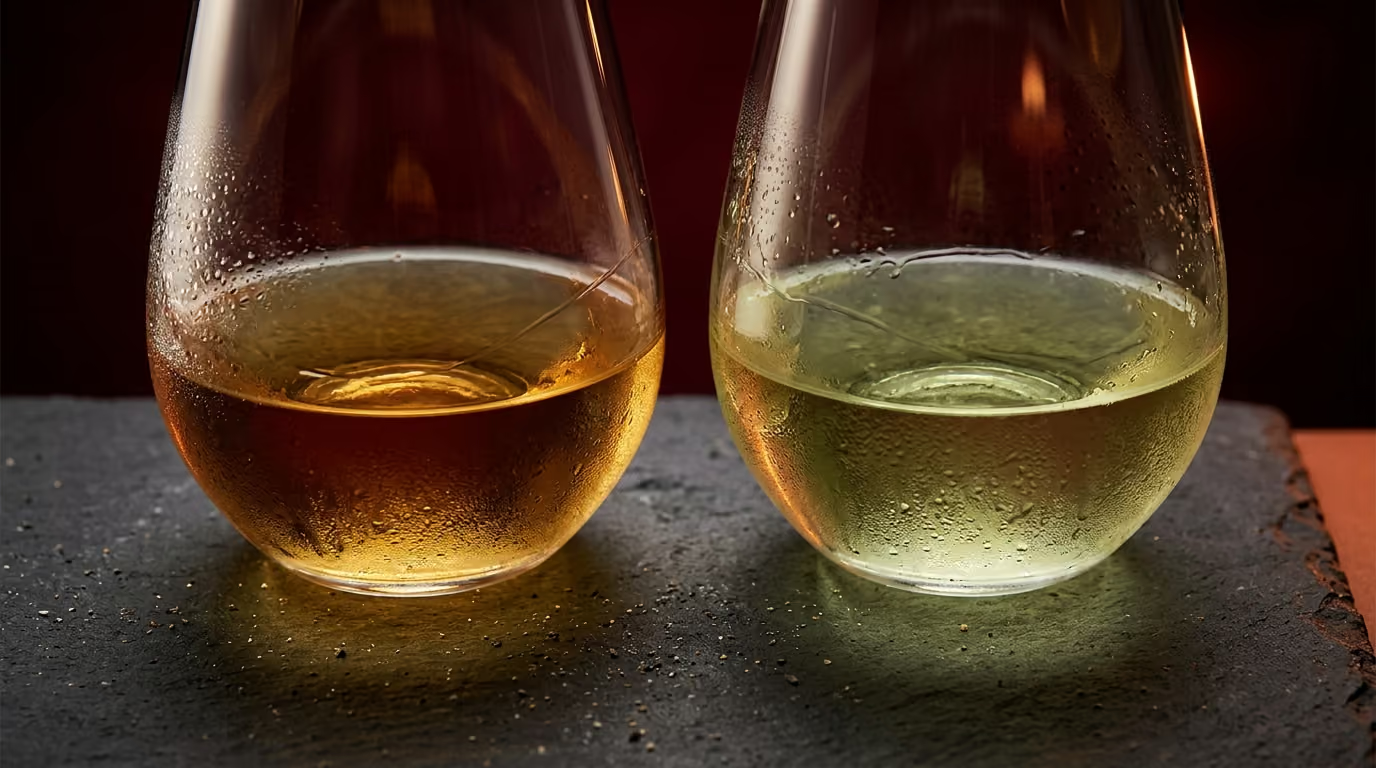
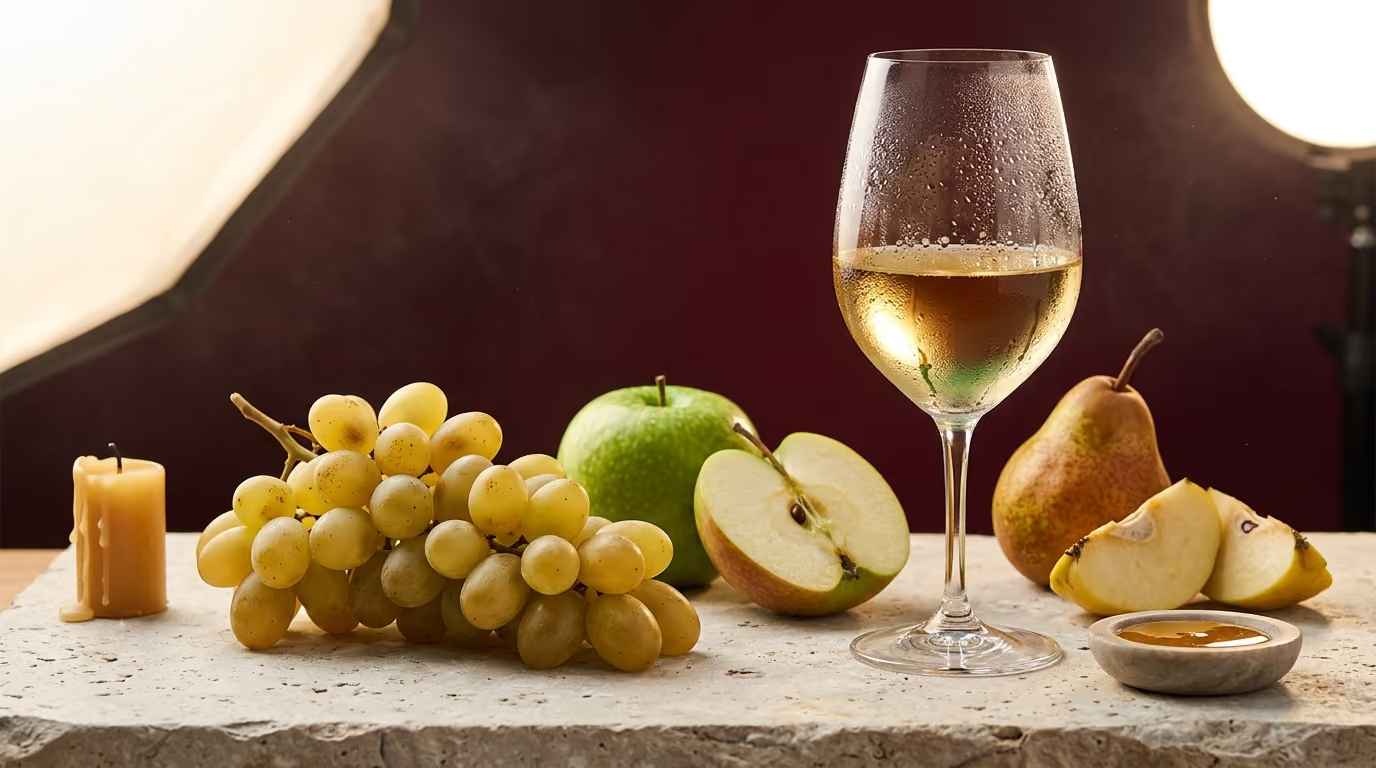
You'll probably like Chenin Blanc if you already enjoy a white wine that tastes fresh and lively rather than soft and buttery. It leads with crisp apple, pear and lemon, carries high natural acidity, and works with more food than almost any other white. The one thing that catches people out is sweetness, because Chenin comes in bone-dry, off-dry and properly sweet versions, and the label doesn't always tell you which one you've picked up.
That single variable explains nearly every bad Chenin experience anyone has had. Get it right and you have one of the best-value whites on the shelf. This piece is about reading it correctly before you buy.
What is Chenin Blanc, and where does it come from?
Chenin Blanc is a white grape that originated in France and is now grown mainly in the Loire Valley and South Africa. The Wine and Spirit Education Trust describes it as a grape that thrives across cool, moderate and warm climates, with naturally high acid levels that make it suitable for late harvesting and prone to botrytis, the noble rot behind many of the world's great sweet wines.
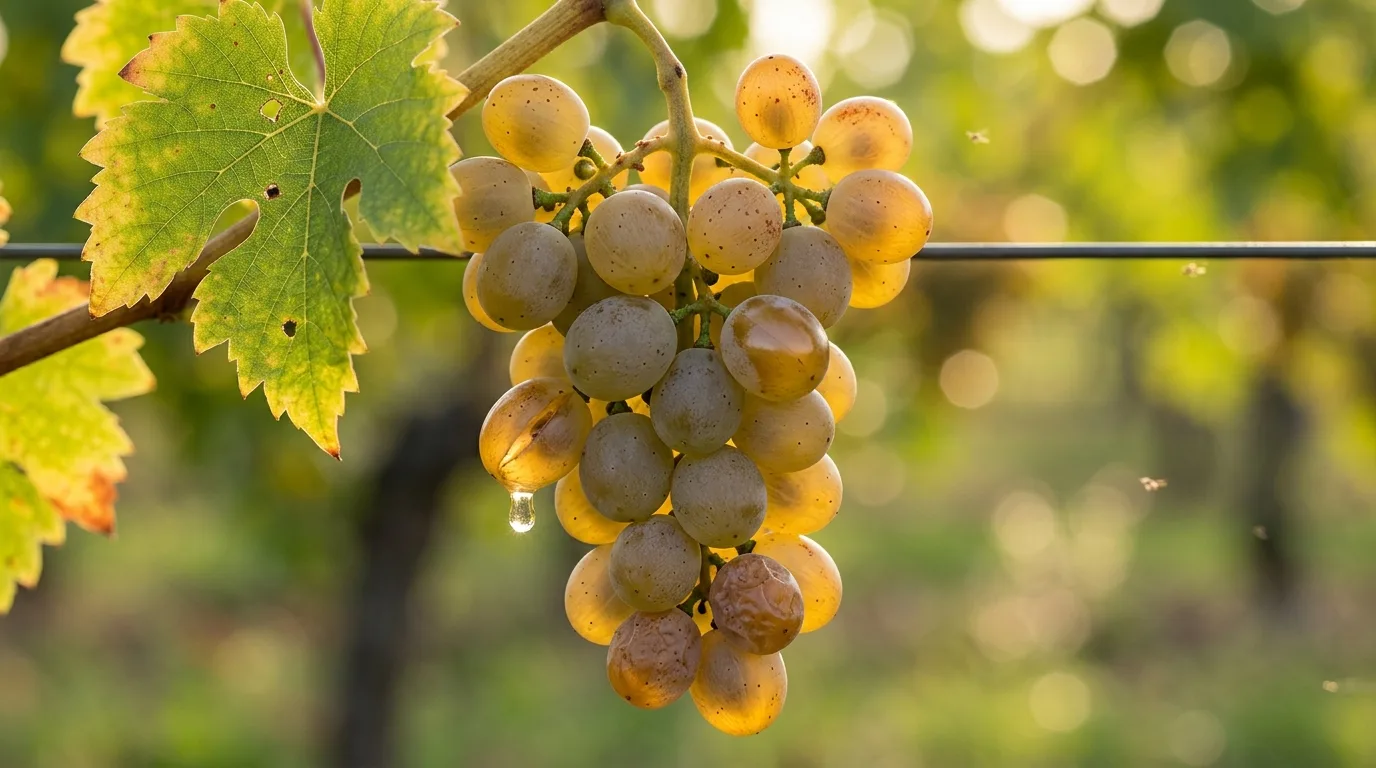
Those two facts, high acid and a tolerance for late picking, are why one grape produces such a wide spread of wines. Pick it early and you get a taut, dry, citrus-driven white. Pick it later and you get rounder fruit with a touch of sweetness. Let noble rot take hold and you get a dessert wine that can age for decades. Same grape, three completely different bottles.
South Africa grows more Chenin Blanc than anywhere else in the world, where it's been planted for centuries and was long known locally as Steen. Most South African Chenin is made dry and sold at prices that would embarrass an equivalent Chardonnay. The Loire keeps the more famous names, with Vouvray, Savennières, Anjou and Saumur all built on this grape.
The practical upshot is that the region on the label tells you a lot. South Africa usually means dry, ripe and generous. Savennières means dry and quite serious. Vouvray means anything at all, which is precisely why it confuses people.
What does Chenin Blanc taste like?
Expect green apple, pear, quince and lemon in the dry versions, with a distinctive chalky or wet-stone quality underneath and sometimes a note people describe as honey or beeswax even when the wine is completely dry. Acidity is the defining feature, and it's what makes the wine feel refreshing rather than heavy.
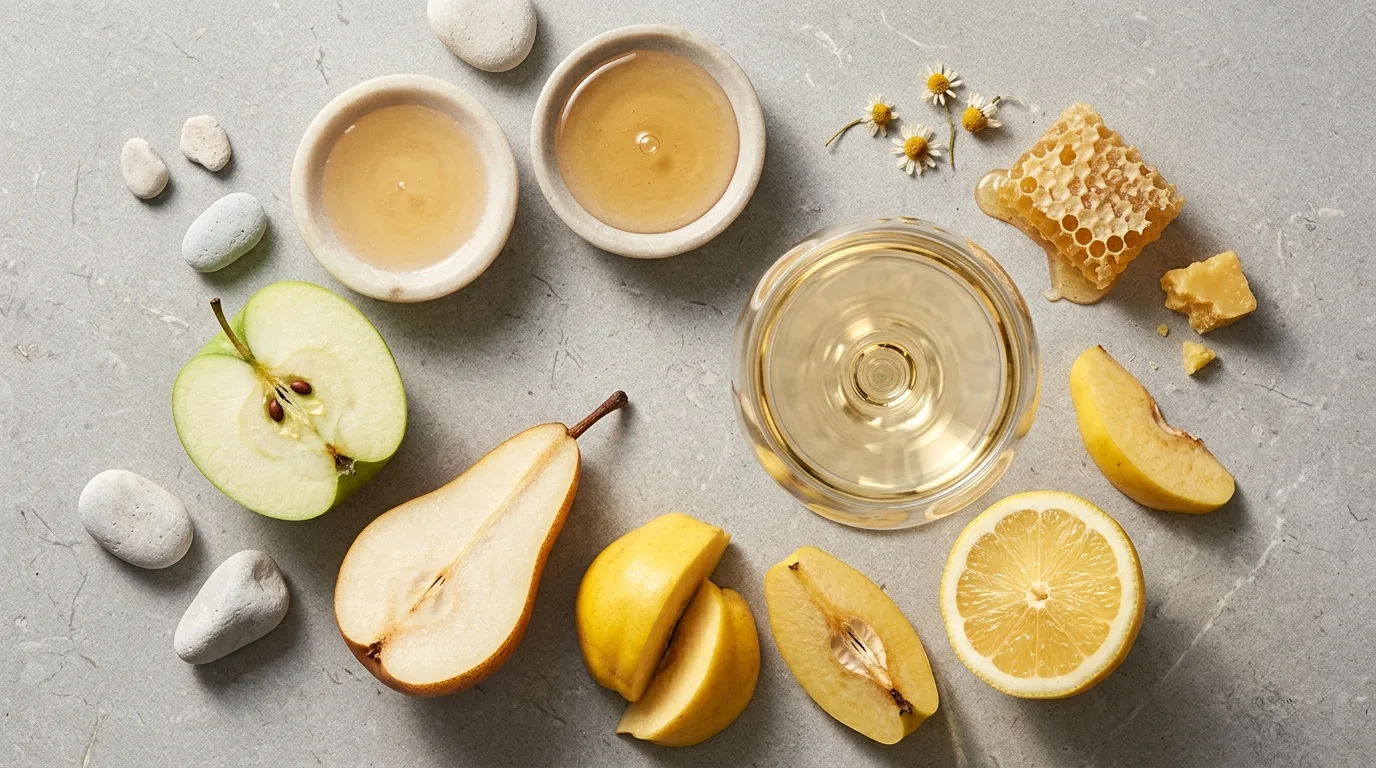
That honeyed note is worth explaining, because it's the reason people mistake dry Chenin for sweet wine. Chenin develops aromas that our brains file under "sweet" without any sugar being present, in the same way vanilla smells sweet but isn't. If you sip a dry Vouvray and register honey, check whether your mouth actually feels sugary at the finish or just perfumed. Nine times out of ten it's the aroma talking.
Age changes the wine considerably, and it does so in a direction people rarely expect. Young Chenin is all orchard fruit and citrus, while a bottle with five or ten years on it moves toward marzipan, dried apricot, chamomile and a waxy richness that surprises people who thought of it as a simple summer white. Very few whites at this price point reward keeping, and Chenin is one of them.
Here's how it lines up against whites you probably already know. Use this to predict your own reaction rather than as a rule.
| If you already drink | Chenin Blanc will feel |
|---|---|
| Sauvignon Blanc | Similar freshness, less grassy and green, rounder in the middle |
| Pinot Grigio | Noticeably more flavor and texture, same easy drinkability |
| Oaked Chardonnay | Much fresher and leaner, no butter or vanilla |
| Off-dry Riesling | Comparable balance of fruit and acid, less floral, more orchard fruit |
If your usual bottle is a rich, oaky, buttery Chardonnay, Chenin will feel thin to you at first, and that's a genuine mismatch rather than a failure of the wine. Our guide on how to spot a buttery Chardonnay covers what to look for if that's the style you actually want.
How do you tell if a Chenin Blanc is dry or sweet?
Look at the alcohol first, because it's the most reliable clue on the bottle. A dry Chenin usually sits between 12.5% and 14%, since the yeast converted nearly all the sugar into alcohol. A wine at 11% or below almost certainly kept some sugar back, and one down at 9% is likely to be distinctly sweet.
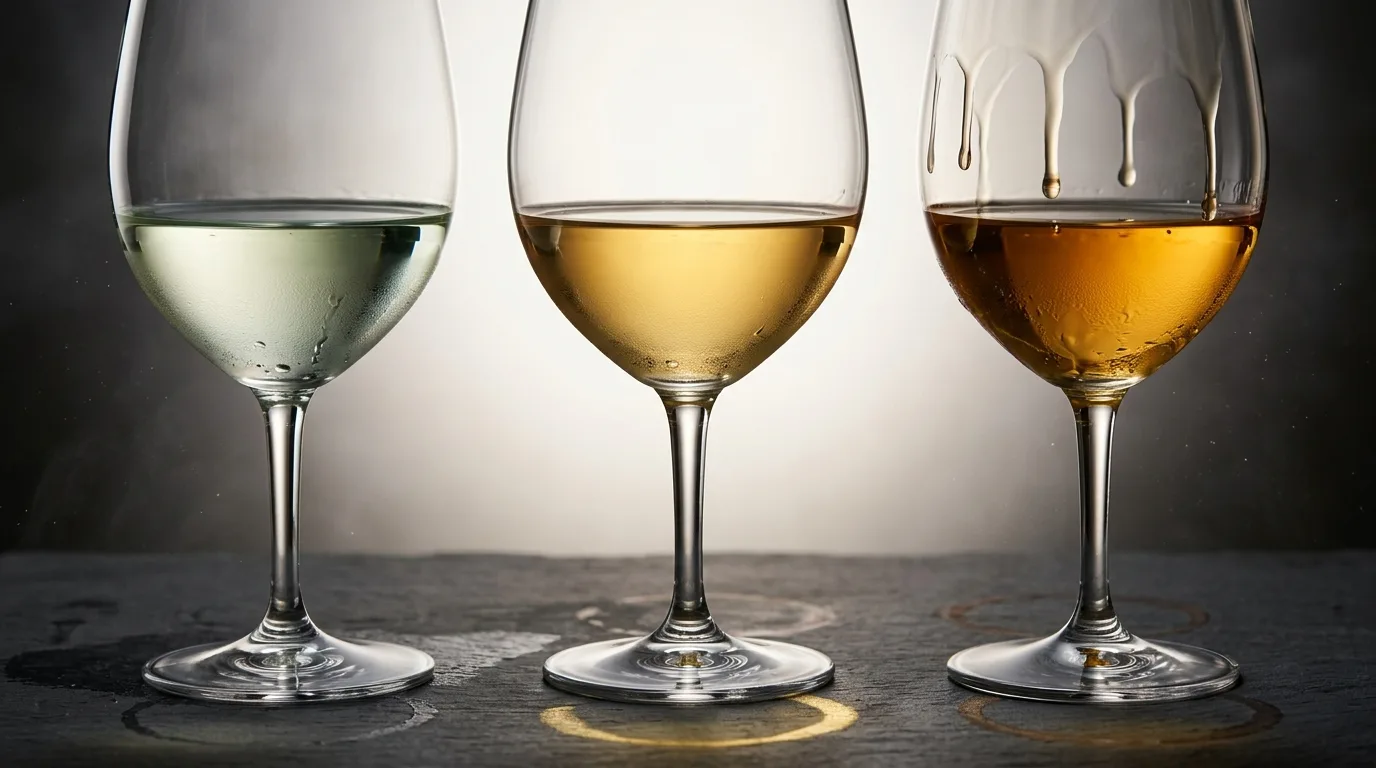
The second clue is the French terminology, which appears on Loire bottles and is genuinely useful once you know it. "Sec" means dry, "demi-sec" means off-dry with noticeable sweetness, "moelleux" means sweet, and "doux" means properly sweet dessert wine. A Vouvray without any of those words on it is usually dry to just off-dry, but the absence of a term is the weakest signal of the lot.
South African bottles rarely carry French terms and are overwhelmingly dry, which makes them the safe default if sweetness is what you're trying to avoid. If a South African Chenin is off-dry it will usually say so in plain English on the back label.
Price behaves in a way that helps here too. Under twenty dollars, Chenin is nearly always dry and made for drinking now. The sweet versions from Vouvray and the Layon valley are labor-intensive to produce and priced accordingly, so a cheap bottle is very unlikely to be a dessert wine by accident. If sweetness confuses you across wine generally, our explainer on dry versus sweet wine covers the numbers that actually decide it.
What food goes with Chenin Blanc?
Almost everything, and this is the grape's real superpower. High acidity cuts through fat and salt, moderate body means it doesn't bulldoze delicate dishes, and the orchard-fruit character sits comfortably beside both savory and slightly sweet food.
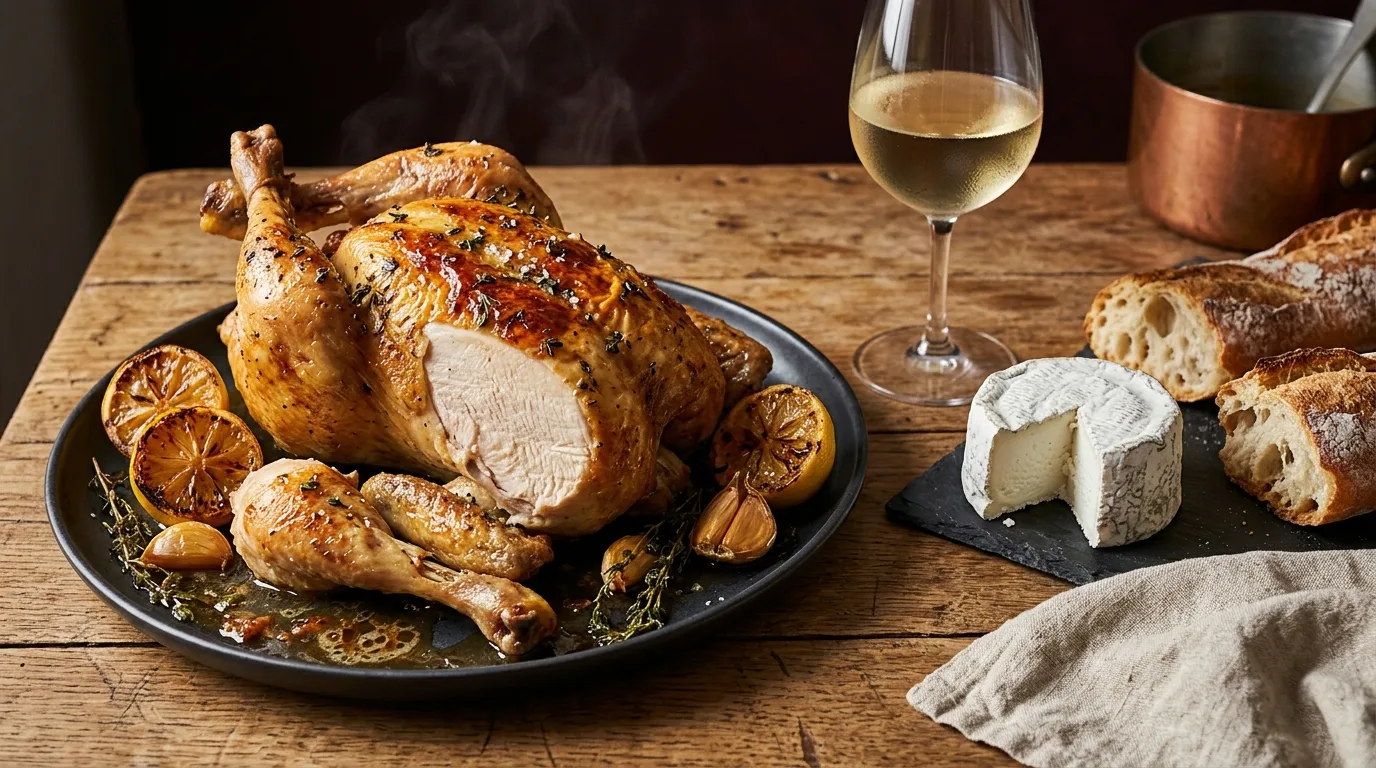
Dry Chenin handles roast chicken, pork, grilled fish, shellfish, sushi, creamy risotto, goat cheese and vegetable dishes with real ease. It's particularly good with chicken because the wine's weight matches the meat and the acidity handles the skin and the fat underneath. If chicken is a weekly fixture in your house, our notes on the best wine for roast chicken explain why this style keeps coming out ahead.
Off-dry Chenin earns its place with spice. A touch of residual sugar tames chile heat in a way dry wine simply cannot, which makes a demi-sec Vouvray one of the better answers to Thai curry, Sichuan food or a hot takeout order. The same logic applies to salty and smoky food, where a hint of sweetness softens the edge.
Goat cheese deserves a specific mention because the Loire pairing is close to perfect. The tangy, chalky character of fresh goat cheese and the chalky acidity of Loire Chenin were shaped by the same soils, and they meet each other exactly halfway. Serve both cold with bread and you have a genuinely great twenty-minute dinner.
Serving temperature matters more with this grape than most. Too cold and the acidity turns sharp while the aromatics disappear. Around 50°F, which is roughly twenty minutes out of the fridge, lets the fruit and the honeyed notes show up properly.
How do you buy a good bottle without guessing?
Decide on dry or off-dry first, then use region as your shortcut and alcohol as your check. That order works because sweetness is the variable most likely to disappoint you, and everything else about Chenin is fairly forgiving.
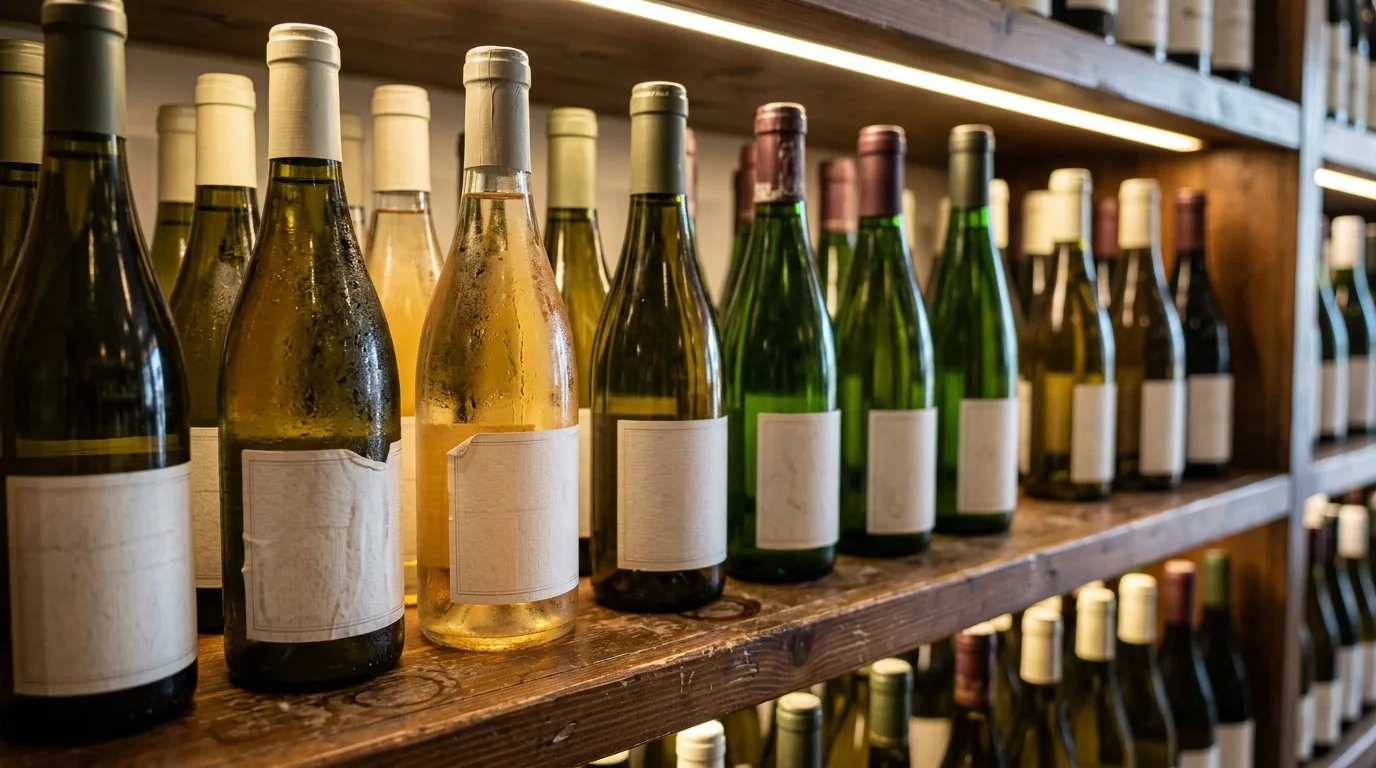
For a dry, reliable, well-priced bottle, South African Chenin from Stellenbosch, Swartland or Paarl is the strongest starting point on most supermarket shelves. Twelve to eighteen dollars buys something genuinely good, and the style is consistent enough that you're unlikely to be surprised. Look for "bush vine" or "old vine" on the label, which usually signals older plantings and more concentrated fruit.
For something with more nerve and mineral character, Savennières from the Loire is always dry and built to age, though it costs more and can taste austere when young. Vouvray is the one to approach with the alcohol check in hand, since it spans the full range from bone dry to properly sweet.
Sparkling Chenin is the category almost nobody talks about and it's excellent value. Crémant de Loire and sparkling Vouvray are made by the same method as Champagne, from a grape with the acidity to carry it, at roughly a third of the price. If you serve sparkling wine regularly, this is one of the easiest ways to spend less without dropping quality.
This is also the exact moment where Sommy's Fit Check helps, because Chenin's range is the problem. You can scan or name the specific bottle in front of you and get a straight answer on whether that one, with its particular sweetness level and style, fits how you actually drink. A general grape guide can't do that, and with this grape the specifics are the whole question.
One more thing separates Chenin from the other value whites, and it's worth knowing before you shop. Because South Africa has so much old vine material planted, a meaningful share of inexpensive Chenin comes from vines that are thirty, fifty or even eighty years old. Old vines naturally crop smaller, which concentrates flavor, so the fruit going into a fifteen-dollar South African Chenin is often of a quality that would cost several times as much if the label said Chardonnay. The grape has simply never carried the prestige that would let producers charge for it, and that gap between quality and price is the single best argument for putting a bottle in your basket.
Frequently asked questions
Is Chenin Blanc a sweet wine?
Most Chenin Blanc sold today is dry, particularly from South Africa. The grape can be made bone-dry, off-dry or fully sweet, so check the alcohol level, which is usually 12.5% or higher for dry versions and 11% or below for sweeter ones.
Is Chenin Blanc similar to Sauvignon Blanc?
They share high acidity and a fresh character, so people who like one often like the other. Chenin is less grassy and herbal than Sauvignon Blanc, with more orchard fruit and a rounder, slightly waxier texture in the middle of the palate.
What is the best food to eat with Chenin Blanc?
Roast chicken, pork, grilled fish, shellfish, sushi and goat cheese all work beautifully with dry Chenin Blanc. Off-dry versions are the better choice for spicy food, since a little residual sugar takes the edge off chile heat.
Is South African Chenin Blanc good?
South Africa grows more Chenin Blanc than any other country and produces excellent dry examples at low prices. Bottles from Stellenbosch, Swartland and Paarl between twelve and eighteen dollars regularly outperform whites costing considerably more.
Should Chenin Blanc be served very cold?
Serve it cool rather than ice cold, around 50°F. Straight from a cold fridge the acidity reads as harsh and the apple, pear and honeyed aromas stay shut down, so give the bottle roughly twenty minutes on the counter first.
Does Chenin Blanc age well over time?
Better than almost any other white at its price. Good Loire Chenin from Vouvray or Savennières can develop for ten or twenty years, moving toward dried apricot, marzipan and chamomile, and its high acidity is what keeps it fresh over that time.
Where to start with Chenin Blanc
If you're trying it for the first time, buy a dry South African bottle in the twelve to eighteen dollar range and drink it with roast chicken or goat cheese. That combination shows you what the grape does well without asking you to gamble on sweetness or spend real money.
Whether you like it comes down to one preference you can probably already name. Freshness and acidity, or richness and texture. Chenin sits firmly on the fresh side, and if that's the direction your favorite whites already lean, this grape has more to offer you at the price than almost anything else on the shelf. If picking bottles is generally where you get stuck, our walkthrough on how to choose wine keeps the decision down to three questions.