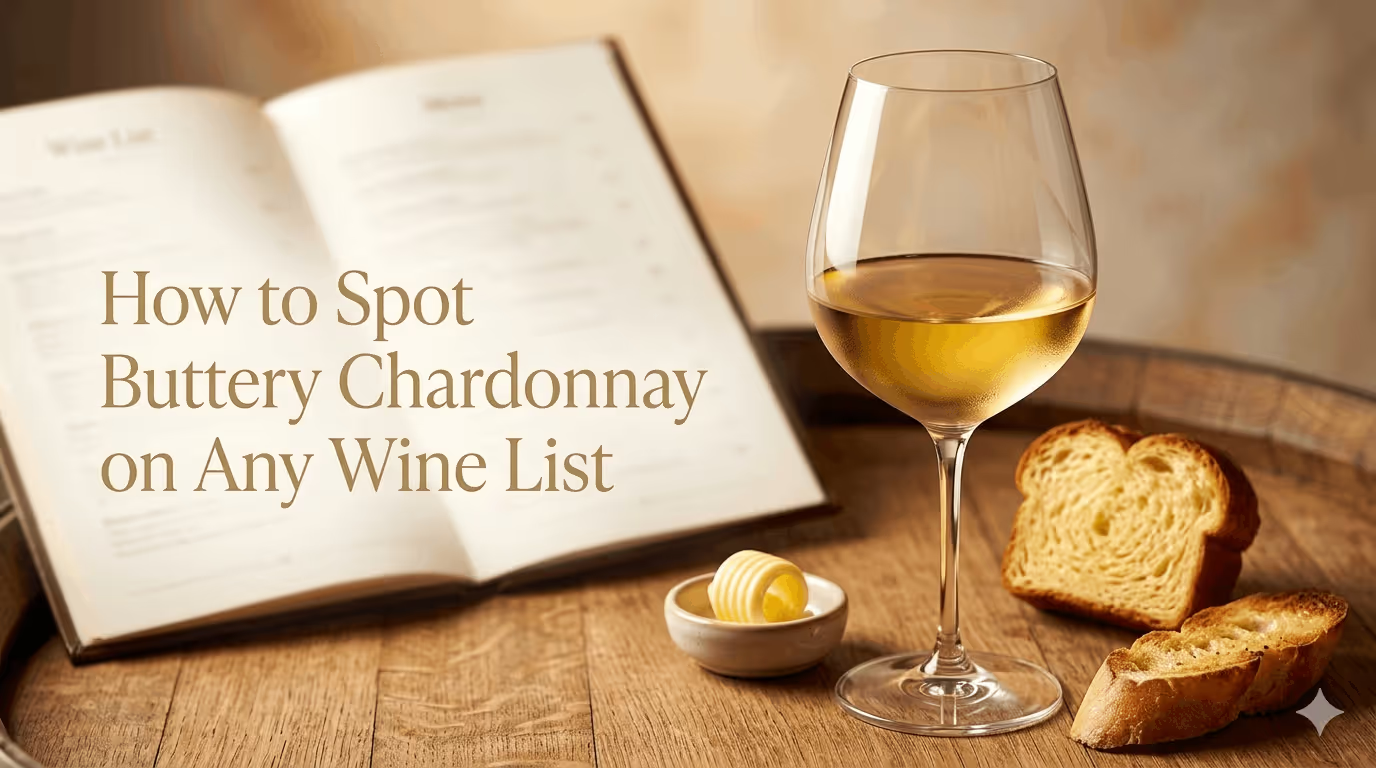

A buttery Chardonnay gets its butter from diacetyl, a compound made during malolactic fermentation, and its vanilla and toast from oak barrels, especially new ones. The easiest bottles to find are the ones that now print the word on the label: Josh Cellars Reserve Buttery Chardonnay, Clos du Bois Buttery Chardonnay, Dark Horse Buttery Chardonnay and St. Francis 'Buttery' Chardonnay. Bread & Butter Chardonnay and Kendall-Jackson Vintner's Reserve Chardonnay don't use the word on the front, but they're made in the same creamy, oak-kissed California style.
On a wine list, where there's no back label to read, a California Chardonnay from Napa or a warm Sonoma County site is your best bet, and a Chablis is almost never what you're after. The rest of this page shows you which clues you can trust, which ones fool people, and which bottles to grab when you just want the butter.
What makes a Chardonnay taste buttery?
Malolactic fermentation is what makes a Chardonnay taste buttery, because the bacteria that run it produce diacetyl, the same compound that gives butter its smell. Wine Folly's Chardonnay grape profile explains that this second fermentation turns sharp malic acid into softer lactic acid, and it says plainly that the buttery flavor and texture come from malolactic fermentation rather than from oak aging.
The Australian Wine Research Institute gives the chemistry in numbers in its guide to wine faults and flavours. Diacetyl at 1 to 4 mg/L can add buttery or butterscotch character, while above 5 mg/L the aroma can be considered objectionable enough to count as a defect. The same page notes that yeast usually makes less than 1 mg/L, which is below what you can smell, so malolactic fermentation is the main source. That's a useful thing to know, because it means the butter is a winemaking decision rather than something the grape does on its own.
Oak is the second lever, and it brings a different set of flavors. Barrels add vanilla, toast and baking spice, and newer barrels give more of those flavors than older ones that have already been used a few times. The third lever is lees contact, where the wine rests on the spent yeast after fermentation and sometimes gets stirred. St. Francis Winery sums all three up neatly on its Sonoma County Chardonnay page: oak adds warmth, malolactic fermentation softens the acidity into something rounder and creamier, and lees contact builds texture. A Chardonnay that gets all three treatments will taste like the buttery style most people picture, while one that skips them tastes of lemon and green apple.
Is buttery Chardonnay the same as oaky Chardonnay?
Buttery and oaky Chardonnay overlap a lot, but they come from two separate choices in the winery, and a bottle can lean hard on one while going easy on the other. Butter, cream and a soft, rounded feel point to malolactic fermentation. Vanilla, toast, coconut and baking spice point to oak. Most California bottles in the rich style use both, which is why the two words get used as if they meant the same thing.
Kendall-Jackson's own fact sheet shows how that balance works in practice. The 2024 Vintner's Reserve Chardonnay was aged 4 months in 47% French oak and 46% American oak, but only 4% of the French and 6% of the American barrels were new. So the wood is mostly older barrels that give texture more than heavy vanilla, and the winery describes the finish as "a kiss of butter and vanilla" rather than a big oak hit. That's a gentle version of the style, and it's why so many people who say they want buttery Chardonnay are happy with it.
At the other end, St. Francis makes its 'Buttery' Chardonnay by turning both dials up. The winery's description of the wine says it comes from Sonoma County's warmer sites and gets "a fuller malolactic fermentation and more new oak" than its classic Chardonnay, which the same page describes as having only partial malolactic fermentation to keep the acidity lively. Putting those two wines side by side is the clearest way we know to show the difference: one producer, one grape, and the butter level set on purpose.
Which buttery Chardonnay bottles can you buy?
The most reliable buttery Chardonnays to buy are the ones whose winery uses the word itself, led by Josh Cellars Reserve Buttery Chardonnay, Clos du Bois Buttery Chardonnay, Dark Horse Buttery Chardonnay and St. Francis 'Buttery' Chardonnay. When a producer puts "buttery" on the label, it's making a promise about style that a generic "California Chardonnay" never makes, so you aren't guessing.
The table below shows how each winery describes its own bottle, taken from the producer pages rather than from a shop's marketing copy.
| Bottle | Grapes from | How the winery describes it |
|---|---|---|
| Josh Cellars Reserve Buttery Chardonnay | Central Coast, California | Crème brûlée, roasted marshmallow, butterscotch |
| Clos du Bois Buttery Chardonnay | California | Heavily oaked, vanilla bean, caramelized pineapple |
| Dark Horse Buttery Chardonnay | Central California | Buttercream, baked apple, caramelized sugar |
| St. Francis 'Buttery' Chardonnay | Warmer Sonoma County sites | Fuller malolactic, more new oak, vanilla, baking spice |
| Bread & Butter Chardonnay | California | Creamy vanilla bean, almond, savory oak |
| Kendall-Jackson Vintner's Reserve | Coastal California | Tropical fruit, citrus, a kiss of butter and vanilla |
The first four are the full-on style. Josh Cellars says its Reserve Buttery Chardonnay tastes of crème brûlée, roasted marshmallow and butterscotch, and that's about as close to dessert as a dry white gets. Clos du Bois calls its 2024 Buttery Chardonnay "heavily oaked", which tells you to expect a lot of vanilla and toast along with the cream. Dark Horse lists buttercream, baked apple and caramelized sugar on its Buttery Chardonnay page, and it's the one we'd reach for when the budget is tight, since the brand's own tagline promises a wine that tastes like $20 at half the price.
Bread & Butter is the bottle most people already know. The winery's notes on its 2024 California Chardonnay mention creamy vanilla bean, almond and savory oak with balanced acidity, at 13.5% alcohol. JaM Cellars goes one step further and calls the whole brand Butter, so its Butter Chardonnay is hard to miss on a shelf. Kendall-Jackson Vintner's Reserve lists at $17 on the winery's own page, which makes it the easy answer if you want a widely stocked bottle under $20 that leans buttery without going over the top.
If you want a step up with more freshness, La Crema Sonoma Coast Chardonnay lists at $23 on La Crema's site, and the winery describes "subtle hints of oak" with a graham cracker richness and juicy acidity. It's less buttery than the bottles in the table, which is exactly why some people like it more. And if Rombauer is the bottle that got you into this style, we've already mapped out the closest matches in our Rombauer Chardonnay alternatives, sorted by price.
How do you spot a buttery Chardonnay on the label?
The word "buttery" on the front label is the clearest sign, and after that the back label words "barrel fermented", "malolactic", "sur lie" and "French oak" are the ones to look for. "Malolactic" is the most direct clue of the bunch, since it names the exact process that makes the butter. "Sur lie" means the wine rested on its yeast, which adds a creamy texture.
Tasting notes on the back label are the next clue, and they tend to use dessert words when the wine is buttery. Butterscotch, crème brûlée, buttercream, vanilla, brioche, caramel and toasted marshmallow all point the same way. Lemon, green apple, wet stone and "crisp" point the other way. Alcohol can help a little as well, and Wine Folly's Chardonnay profile puts most lean styles at 12 to 13.5% alcohol, while richer styles can reach 14.5 to 15%, so a bottle at the top of that range is more likely to taste full and round.
Price tells you less than you'd think. Plenty of inexpensive bottles taste like vanilla cake, and plenty of expensive white Burgundy is lean and mineral, so trust the words over the price tag. If you're standing in the aisle squinting at a back label that only says "California Chardonnay" and gives you nothing else to go on, point Sommy's Label Scan at it and it will match that bottle against the Chardonnays you've already rated, so you can see whether it sits closer to the buttery ones you liked or the crisp ones you didn't.
How do you spot buttery Chardonnay on a wine list?
On a wine list, a California Chardonnay from Napa Valley or a warmer part of Sonoma County is the strongest sign of a buttery style, while Chablis and most cool-climate bottles point the other way. Wine Folly's regional breakdown describes Napa Chardonnay as full-bodied with generous oak aging, toasty and buttery notes, and calls these "some of the richest Chardonnays out there". It describes Chablis as lean and steely with minimal oak, and the cool Sonoma Coast as more mineral.
Australia is the region people most often get wrong. It had a reputation for big, oaky Chardonnay, but Wine Folly notes on the same page that cooler areas like the Yarra Valley and Margaret River now make fruit-forward Chardonnay with high acidity, often in a Burgundian style. So don't assume an Australian bottle will be buttery just because of where it's from. In Burgundy, Meursault is the village name Wine Folly links to the rich, oaked style, so it's the French word to look for if you want butter from a European list.
Restaurant lists often add a word or two after the producer, and those words matter more than the region. "Barrel-fermented", "rich", "creamy", "round" and "toasty" all point toward butter, while "crisp", "mineral", "steel", "bright" and "unoaked" mean you'll get something leaner. If the list gives you nothing but a producer and a vintage, ask your server something specific like "which Chardonnay here is the most round and creamy?" because servers can answer that in seconds, and it's a lot easier than decoding the list yourself. Our page on how to order wine at a restaurant has more phrases that get you a useful answer.
What if you don't like buttery Chardonnay?
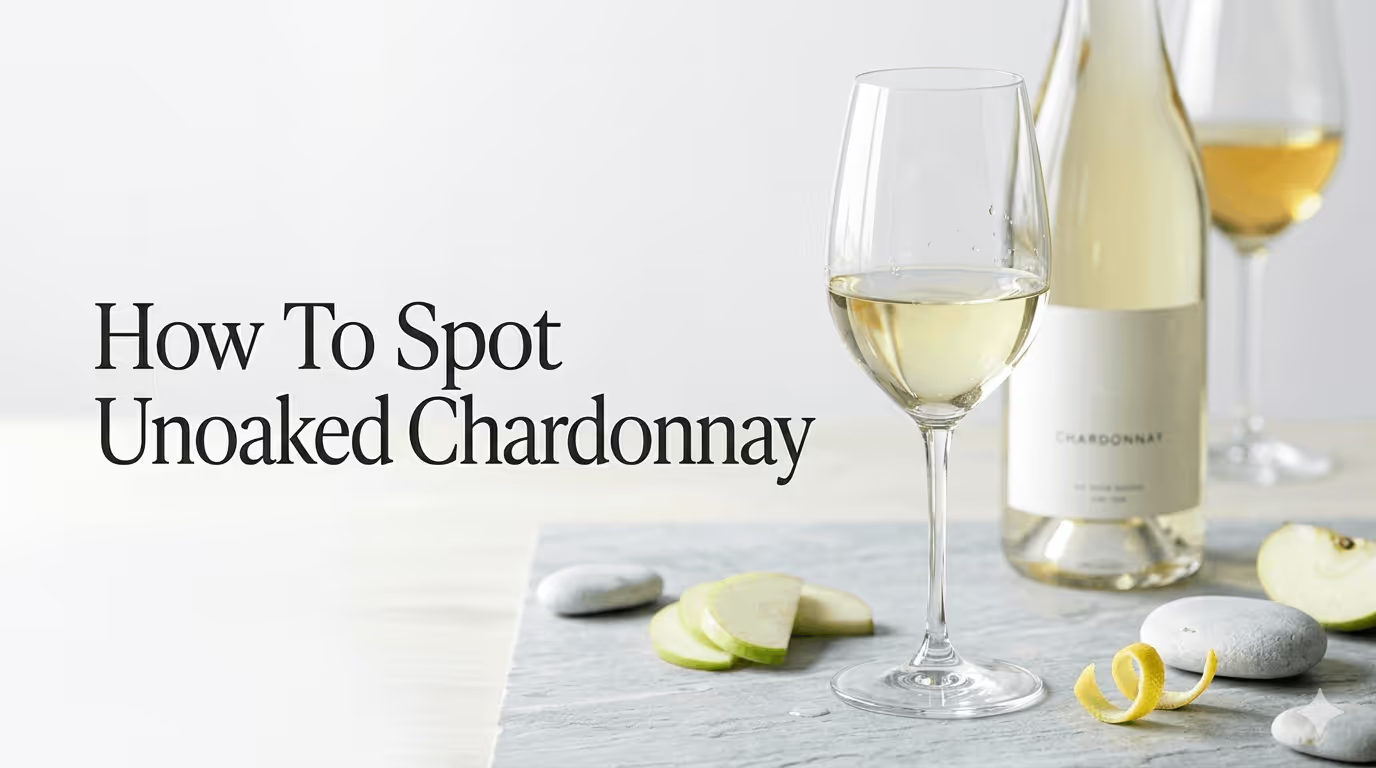
If you don't like buttery Chardonnay, look for "unoaked", "stainless steel" or a Chablis, since those wines skip the oak and usually skip most of the malolactic fermentation too. Plenty of people who say they hate Chardonnay really just hate the buttery style, and the crisp version is a very different glass, closer to a Sauvignon Blanc than to a vanilla cake.
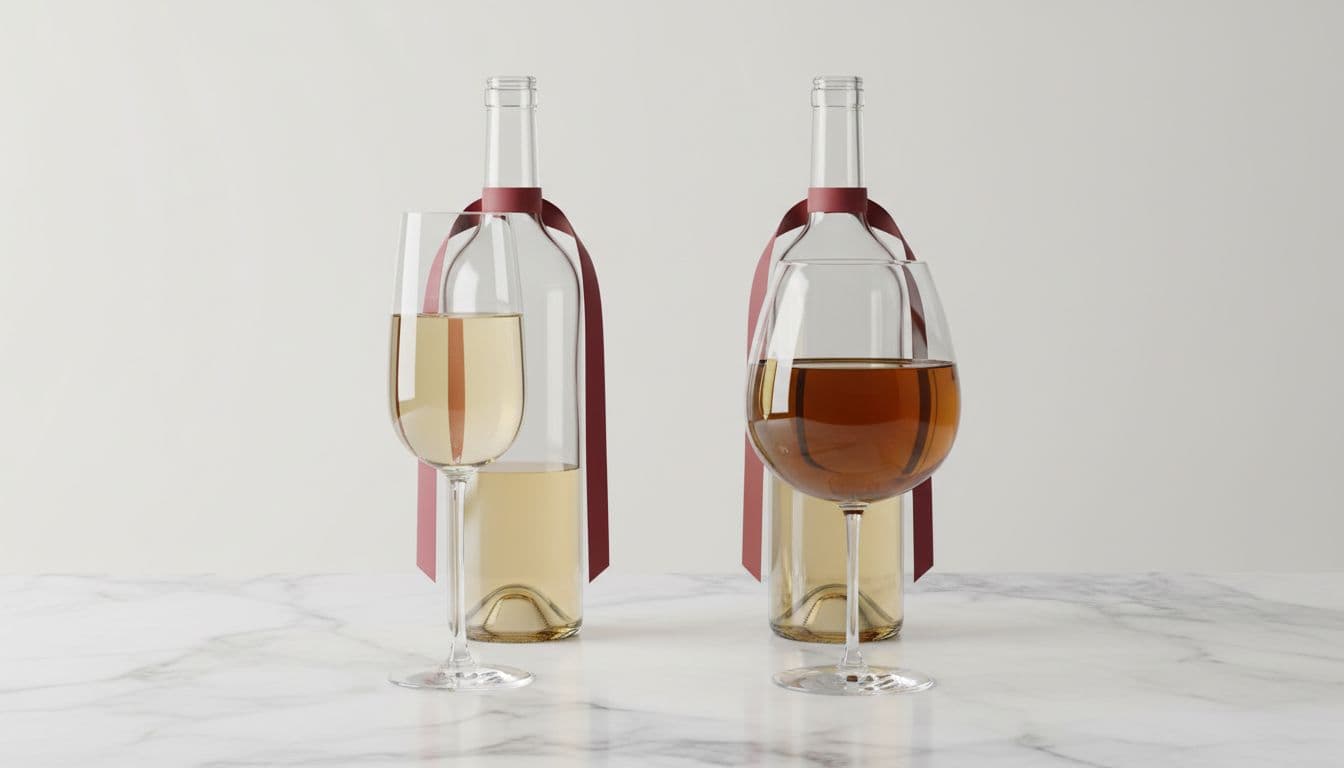
We wrote a whole page on how to spot unoaked Chardonnay on the label, including the phrases like "lightly oaked" and "neutral oak" that sound crisp but aren't. If you're curious where Chablis fits, our explainer on Chablis vs. Chardonnay clears that up quickly.
There's also a middle ground worth knowing about. Wines like St. Francis's classic Sonoma County Chardonnay use only partial malolactic fermentation, so you get some creaminess while the acidity stays bright. If full butter is too much for you but crisp feels thin, look for back labels that say "partial malolactic" or "neutral oak", because that's where the softer, rounder styles live.
What food goes with buttery Chardonnay?
Buttery Chardonnay goes best with rich, creamy food like lobster in butter, roast chicken, crab, creamy pasta and soft cheese such as Brie. You want to match a rich wine with a rich dish, so neither one makes the other taste thin. Clos du Bois suggests Brie, shrimp with pineapple salsa or creamy risotto on its Buttery Chardonnay page, and La Crema points to cracked crab, lobster, scallops in a buttery sauce and a simple roast chicken. If your meal leans rich, the logic behind best Chardonnay for butter-drizzled lobster rolls follows the same idea.
Buttery Chardonnay struggles with very spicy food, where the oak and alcohol can make the heat feel sharper, and with tart, vinegary dishes that make the wine taste flat. A crisp Sauvignon Blanc or an unoaked Chardonnay handles those better. For a comfort-food example of the rich-on-rich idea, our guide to wine for chicken pot pie walks through why a creamy Chardonnay works so well with a buttery crust.
Serving temperature changes how buttery the wine tastes. Wine Folly's serving guidance suggests about 55°F for oaked styles and about 45°F for lean ones like Chablis. If you pour a buttery Chardonnay straight from a very cold fridge, the cream and vanilla go quiet, so let it sit out for 10 to 15 minutes before you drink it.
Which buttery Chardonnay should you pick tonight?
For the most butter in the glass, pick Josh Cellars Reserve Buttery Chardonnay or Clos du Bois Buttery Chardonnay, and pick Dark Horse Buttery Chardonnay when the budget is the bigger worry. For a bottle you'll find almost anywhere, Kendall-Jackson Vintner's Reserve at $17 on the winery's site or Bread & Butter will both do the job. If you want the butter with a bit more freshness, try La Crema Sonoma Coast, and if you want a Sonoma bottle made on purpose to be buttery, St. Francis 'Buttery' is the one.
On a wine list, go for California first, especially Napa, look for words like "barrel-fermented" or "creamy", and steer clear of Chablis. Whichever bottle you pick, pay attention to whether you liked the vanilla, the cream, or both, because that tells you which of the two winemaking levers you actually enjoy, and that's what makes your next pick easier.
Frequently asked questions
What is the difference between oaky and buttery Chardonnay?
Oaky Chardonnay tastes of vanilla, toast and baking spice from oak barrels, while buttery Chardonnay tastes of butter and cream from diacetyl made during malolactic fermentation. Most rich California Chardonnays use both, which is why people mix the two up, but a wine can be oaky without much butter or creamy without much oak.
What is the best buttery Chardonnay?
The best buttery Chardonnay for most people is one whose winery calls it buttery, such as Josh Cellars Reserve Buttery Chardonnay, Clos du Bois Buttery Chardonnay or St. Francis 'Buttery' Chardonnay, since those are made to deliver the style on purpose. If you loved Rombauer, start with our list of Rombauer alternatives instead, because that's a fuller, pricier version of the same style.
What is the best buttery Chardonnay under $20?
Kendall-Jackson Vintner's Reserve Chardonnay is the easiest buttery Chardonnay under $20, listed at $17 on the winery's own site, with a soft finish of butter and vanilla. Dark Horse Buttery Chardonnay is the other one to try when price matters, since the brand pitches itself on tasting like a $20 wine at half the price.
What is a very buttery Chardonnay?
A very buttery Chardonnay has had full malolactic fermentation plus plenty of new oak, and the bottles that say so on the label are the easiest to find. Josh Cellars Reserve Buttery lists crème brûlée and butterscotch, and Clos du Bois describes its Buttery Chardonnay as heavily oaked.
Is buttery Chardonnay sweet?
Buttery Chardonnay is usually a dry wine, though its ripe tropical fruit and vanilla can make it taste sweeter than it is. The impression of sweetness comes mostly from the fruit and the oak rather than from sugar, so if a bottle tastes like dessert to you, it can still be dry.
Should you chill buttery Chardonnay?
You should chill buttery Chardonnay, but not too much, since about 55°F lets the cream and vanilla show. Pull it from the fridge 10 to 15 minutes before pouring, because serving it ice cold mutes exactly the flavors you bought it for.