
Ordering a lobster roll should feel like a small victory, not a quiz. For the best lobster roll wine pairing, keep it simple: mayo-heavy rolls pair best with bright, high-acid white wine, butter-drizzled rolls love bubbles or a richer white, and Old Bay rolls do well with crisp rosé or a touch of sweetness.
That’s the core answer. The rest is just picking the version that matches your roll, and your taste, without overthinking.
A simple lobster roll wine pairing rulebook (no wine knowledge)
Lobster is sweet and delicate. The bun is toasty and rich. Then the style matters: mayo, butter, or spice. This creates ideal seafood pairing harmony with wine. This is your calm wine pairing guide, and it doubles as how to choose wine when you’re standing at a counter with a hungry friend staring at you.
Here are three checks that work fast.
First, match the sauce, not the seafood. Mayo behaves like a creamy salad dressing. Butter behaves like warm, melted richness. Old Bay behaves like salty, spiced fries.
Second, keep the wine “fresh” with acidity. If a wine feels crisp, it keeps lobster tasting clean. If it feels heavy or sweet in a dessert way, it can mute the lobster.
Third, use aisle language. This is wine explained simply, and it helps even if you never remember a grape name. When you see these phrases, here’s wine tasting notes explained in plain terms:
- “Crisp”: like a squeeze of lemon, good with mayo and spice.
- “Bright acidity”: mouth-watering, helps cut butter and richness.
- “Off-dry”: a little sweet (not dessert), helpful with heat and salty spice.
If you want grocery store wine picks, you can shop by style instead of brand. These are clear wine recommendations that are easy to spot on most shelves:
At a restaurant, you don’t need perfect words. Use one sentence and stop there. These restaurant wine tips and wine list tips keep you in control: say you want a white wine that's “crisp and refreshing” for mayo, “sparkling” for butter, or “rosé, not sweet” for Old Bay.
Best wine with a mayo-heavy lobster roll (classic, chilled)

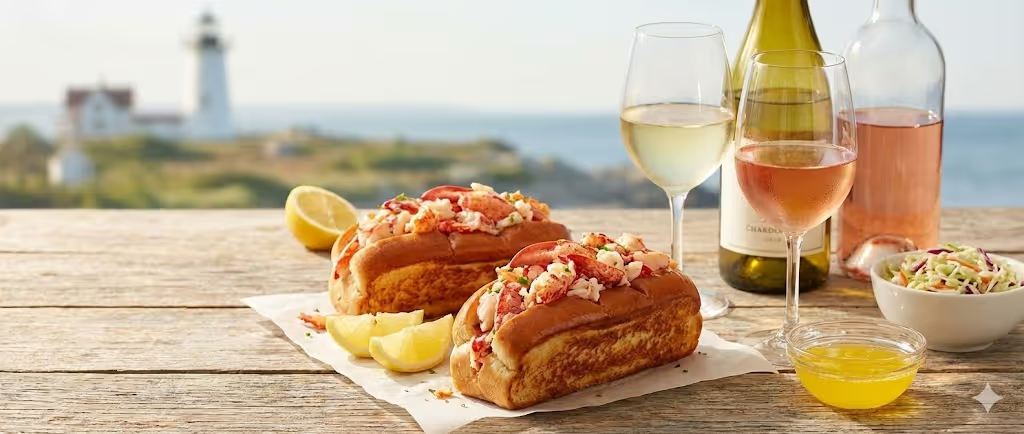
A cold, Maine-style lobster roll heavy on the mayonnaise is creamy, a little sweet, and often has celery or herbs. You want a wine that acts like a fresh rinse, the way cold sparkling water makes the next bite taste new.
The safest pick is Sauvignon Blanc. It’s usually zesty and citrusy, with acidity that cuts through the creaminess and keeps mayo from feeling heavy.
If you like something a touch softer (still not sweet), go dry Riesling. It can taste like lime and green apple, and it keeps the lobster tasting like lobster, not “seafood salad.” For those who want to explore beyond the basics, consider alternatives like Pinot Grigio, Rueda Verdejo, or a zesty Albarino.
Two simple wine tips that save you from mismatch:
- Keep it well-chilled. Cold wine tastes cleaner with cold mayo.
- Avoid big, oaky whites here. They can make mayo feel thicker.
If you’re scanning a list and you only want quick wine recommendations, look for words like “crisp,” “citrus,” “refreshing,” and “bright.” That’s the whole decision, in plain English, and these are ideal white wine choices for chilled lobster; it’s the kind of friendly wine advice that works even when the menu is loud and your brain is tired.
Best wine with a Connecticut-style butter-drizzled lobster roll (warm and rich)

Butter-drizzled lobster rolls are a different animal. Warm lobster plus melted butter is cozy and rich, like dipping toast into a buttery pan. Your wine should either cut through that richness, or match it in a way that still feels clean.
Start with sparkling wine (dry), like Champagne. Bubbles are nature’s scrub brush. They lift butter off your tongue, so the lobster doesn’t fade after a few bites.
If you want still wine, pick Chardonnay, or higher-end options like Chablis, White Burgundy, or even a luxurious Chassagne-Montrachet. The key is keeping it balanced. You’re not hunting for a “big” wine, you’re hunting for one that feels smooth and not sharp.
Quick ordering line for butter rolls (use it as-is): “A dry sparkling wine like Champagne, or a balanced Chardonnay such as Chablis or White Burgundy.” Those are practical restaurant wine tips that get you a helpful answer fast.
If your butter roll comes with lemon, you can lean even brighter. If it comes with extra butter and no lemon, bubbles are usually the easiest win.
This is everyday wine advice in one thought: when food is rich and warm, either bring bubbles, or bring a white with a little body.
Best wine with an Old Bay seasoning lobster roll (salty, spiced, punchy)

Old Bay seasoning brings salt, pepper, paprika, and that snacky, beach-boardwalk vibe, often brightened with a squeeze of lemon juice. The wine problem here isn’t lobster meat, it’s seasoning. You need something that won’t turn bitter next to spice, and won’t feel bland next to salt.
An easy match is dry Rosé. It’s crisp, it can handle salty food, and it won’t fight the spice the way some reds do. Floral alternatives like Chenin Blanc or Viognier handle salt and spice well too. If the roll comes with coleslaw or pickles, Rosé still holds up because it can handle tang.
If your Old Bay seasoning is heavy-handed (or there’s hot sauce involved), reach for off-dry Riesling. That small cushion of sweetness can calm the burn and keep the pairing friendly. While whites are standard, a light Pinot Noir can occasionally work with the earthy spice of the seasoning.
This same idea shows up in other spicy meals too. If you want a related reference point for heat and sweetness without the homework, the wine hot pot pairing guide uses the same simple logic.
One more of those simple wine explanations that helps in the moment: when spice goes up, keep alcohol moderate, keep the wine cold, and don’t force a tannic red.
Conclusion: choose the wine’s job, not the “perfect” bottle
Mayo on the lobster meat wants bright and crisp, butter wants bubbles or a richer white wine, and Old Bay wants dry rosé or off-dry white. The goal of a great seafood pairing is to enhance the meal without stress. That’s your wine guide, and it’s enough to order with confidence.
If you want help in the moment, this is exactly what an AI wine assistant is for: smart wine recommendations, personalized wine picks, and wine app suggestions that turn “mayo roll, under $25, I like crisp” into personalized wine recommendations and smart wine picks. For a practical starting point, use this best wine scanner app guide as a modern wine guide for getting clear wine recommendations quickly, without second-guessing.