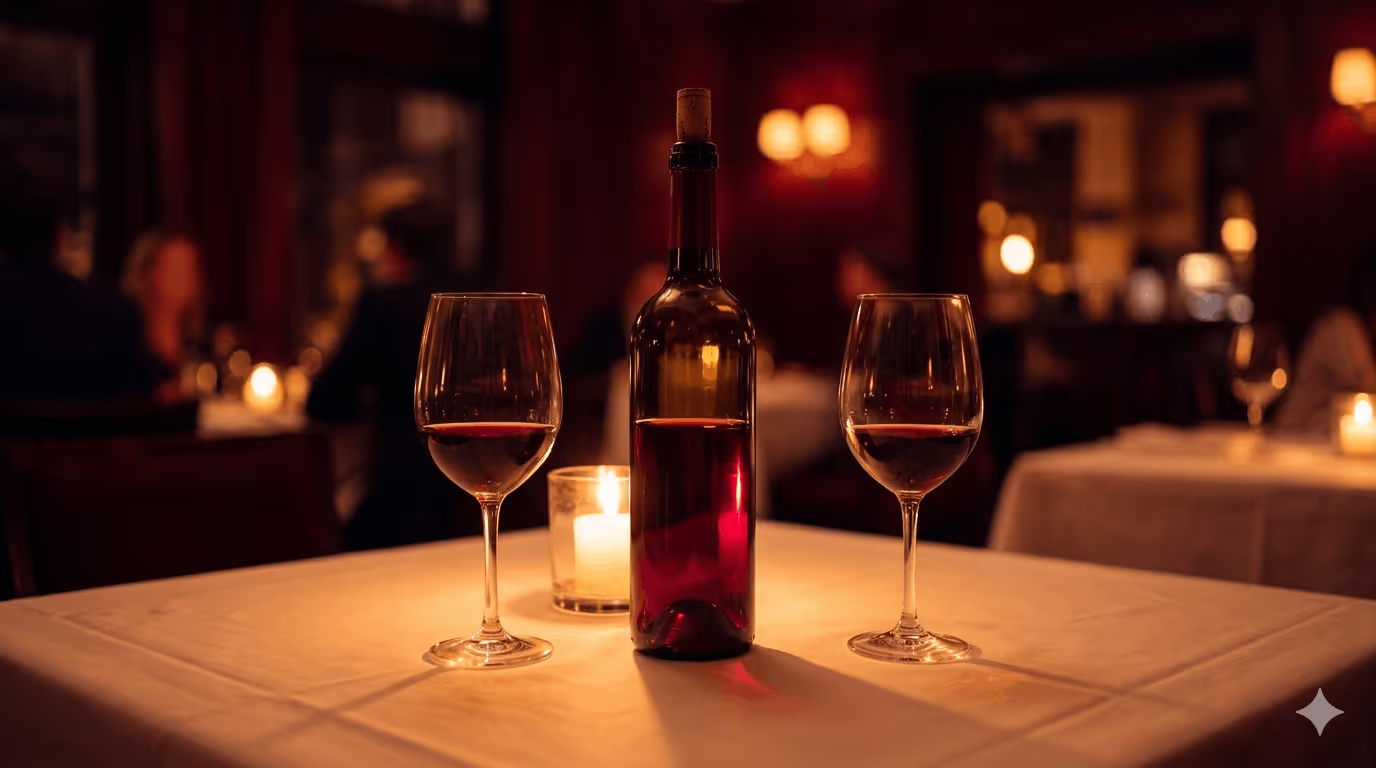
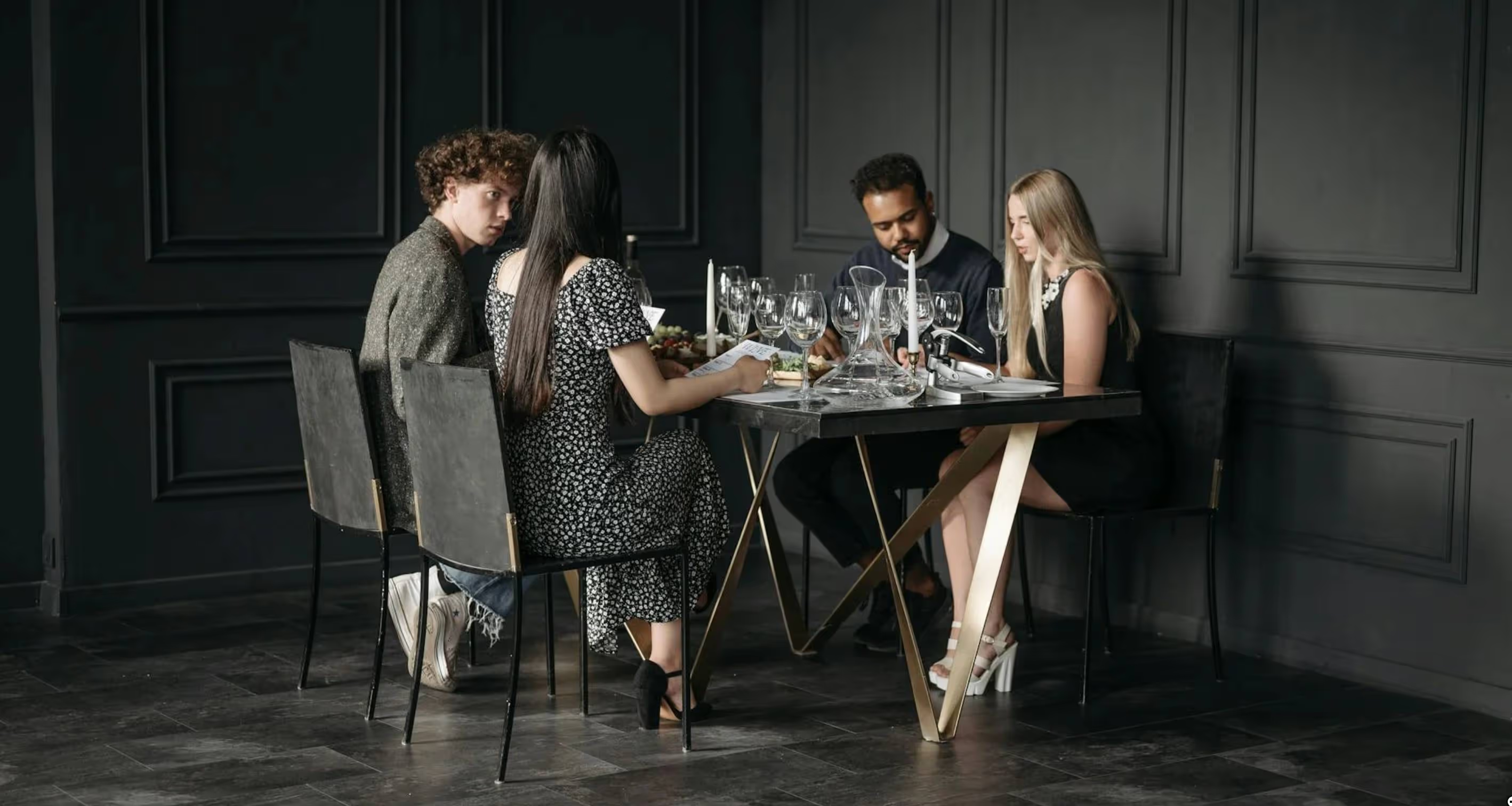
The server drops a leather-bound wine list on the table. Conversations pause. Eyes slide toward you. Suddenly you are in charge of restaurant wine selection, and it feels way more high-stakes than it should.
It does not have to feel like that. With a few simple moves, you can turn that awkward moment into something fun, even if you still think of yourself as more "curious" than "wine person."
This guide gives you clear, beginner-friendly steps on how to choose wine at a restaurant, plus simple wine tips you can reuse at home, with friends, or while browsing grocery store wine picks. Think of it as your quiet, always-on beginner wine guide you can replay in your head whenever a wine list appears.
Start With the People, Not the Label
Before you read a single tasting note, look around the table. Your goal is not the perfect bottle. Your goal is a bottle most people will happily drink.
Ask quick, low-pressure questions:
- "Red, white, or something bubbly?"
- "Do you like dry, or a bit fruity?"
- "Are we sipping with food, or just hanging out?"
You are gathering simple data, not holding a wine exam. This kind of beginner-friendly wine advice lets you narrow the field fast and keeps everyone involved.
As you listen, think in broad styles. If half the table wants red and the other half is open, you are safe with red. If everyone is starting with oysters and crudo, lean white or sparkling. This is wine explained simply: people first, bottle second.
If anyone says, "I do not really know wine, I just do not want anything too heavy," that is gold. It means you can skip big, oaky, high-alcohol bottles and reach for lighter, fresher styles that work for a crowd.
Use the Menu as Your Wine Pairing Guide
The food menu is your built-in wine pairing guide, even if it never mentions wine at all.
Rich, creamy dishes like risotto or roast chicken love wines with enough freshness to cut through the weight. Charred steak and burgers want structure and grip. Spicy dishes do better with softer tannins and sometimes a hint of sweetness.
Here is a quick pairing snapshot you can keep in your head:
These are not hard rules, just smart restaurant wine tips that tilt the odds in your favor.
You now have a clear link between what is on the plate and what should be in the glass. It is much easier to give wine recommendations when you can say, "We are sharing a lot of pasta and chicken, so I am looking for a medium-bodied white or a lighter red that works with both."
Decode the Wine List Without Panic
Wine lists look scary because they mix grapes, regions, and poetic tasting notes. Once you know what to look for, they start to feel normal.
Use these simple wine explanations:
- The list is usually grouped by color, then region, then grape.
- Higher prices are often at the bottom or in a separate section.
- "By the glass" is your testing ground if you want to try something before committing.
When you see tasting notes like "bright acidity, red cherry, earthy," that is wine tasting notes explained in short code. You can read them like this:
- "Bright acidity" means fresh and lively, not heavy.
- "Red cherry, strawberry" suggests lighter fruit.
- "Earthy, herbal, spicy" hints at more savory flavors.
For a mixed group, look for notes that mention freshness, red fruit, and soft tannins. Skip bottles that scream "intense oak," "high tannin," or "powerful" unless your table is full of bold-red fans.
If a list still feels confusing, remember your simple wine tips. Stay near the middle of the price range, pick a style that fits the food, and avoid extremes. These small wine list tips are often enough to land on something everyone can drink.
What to Say to the Sommelier or Server
You do not have to speak "wine" to get clear wine recommendations. You just need to give the sommelier or server a short, useful brief.
Try a script like this:
"Most of us like lighter reds, nothing too oaky, and we are ordering steak and roast chicken. I am hoping to stay around 70 dollars. Any wine recommendations that would make everyone happy?"
You just shared:
- Style preference (lighter red)
- What you are eating
- Budget
- Group goal
That is exactly the kind of everyday wine advice a good server can work with. They might suggest two or three bottles with simple wine explanations about each, and you can pick the one that sounds most like your group.
If someone at the table wants white while others want red, ask for a bottle that can handle the heavier dishes, then order one glass of white just for them. You still control the main restaurant wine selection, and everyone feels seen.
Tech Help: Let an AI Wine Assistant Back You Up
You do not have to remember all of this on your own. An AI wine assistant on your phone can give you smart wine recommendations in real time.
Modern tools like a wine app for beginners can:
- Scan a wine list photo and give personalized wine picks
- Suggest bottles based on what you are eating
- Keep a journal of wines you liked and disliked
- Offer simple wine explanations instead of dense jargon
This kind of modern wine guide feels like texting a wine-loving friend who always replies. You can ask for wine app suggestions that focus on personalized wine recommendations, not just scores or critic notes.
Many of these apps also work beyond restaurants. The same AI wine assistant that helps with restaurant wine tips can guide your grocery store wine picks, weeknight wines, and party bottles. You get smart wine picks for your budget, with wine explained simply, so you do not stand in the aisle scrolling in panic.
If you are still early in your wine journey, look for a wine app for beginners that offers a gentle, beginner wine guide feel instead of heavy theory. The best ones turn your guesses and ratings into clear wine recommendations over time, so your choices keep getting better with less effort.
Pour With Confidence Every Time
That moment when the list lands in your hands does not have to feel like a test. You know how to choose wine by starting with your people, using the food as a quiet wine pairing guide, and reading the list for style and price instead of prestige.
You also know what to say to a sommelier, how to ask for beginner-friendly wine advice, and how to rely on a smart wine assistant in your pocket. With a few habits and tools, you can treat every restaurant wine selection as a small chance to take care of your friends.
Next time you are handed the list, take a breath, ask a couple of quick questions, and let your smart wine picks do the talking. Then enjoy that first quiet moment at the table, when everyone takes a sip and simply smiles.

EntreprEngineur. Runs on lattes. Creates with the intensity of a downhill run. Fast, slightly chaotic, ideally followed by a glass of wine.