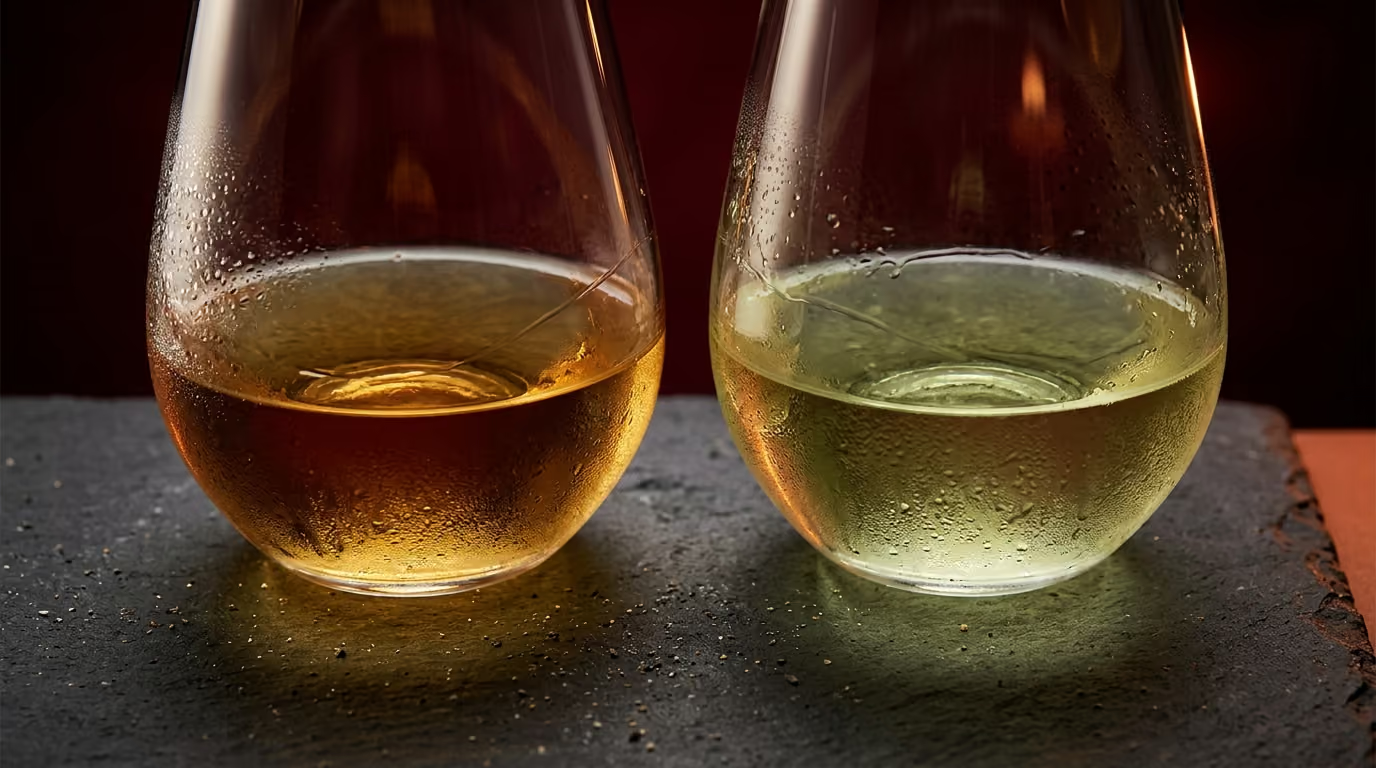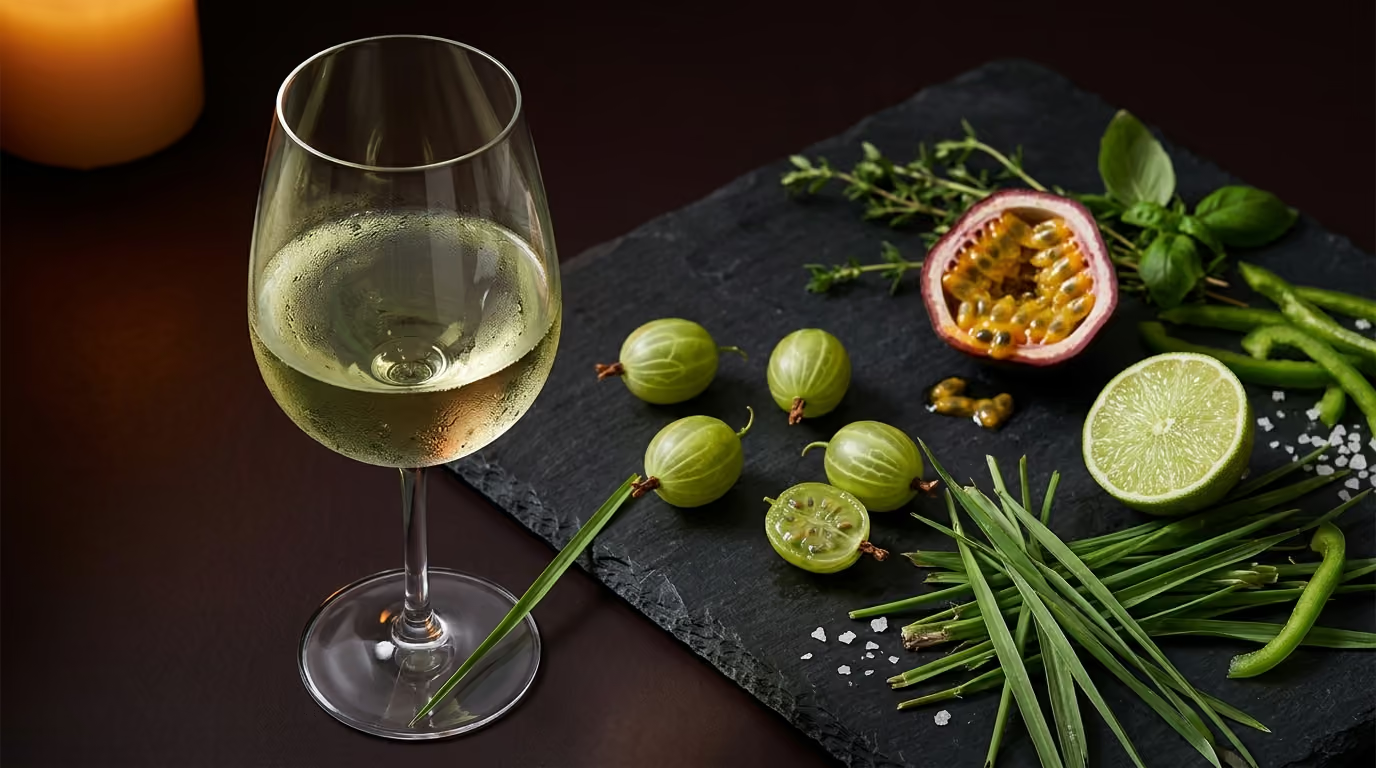
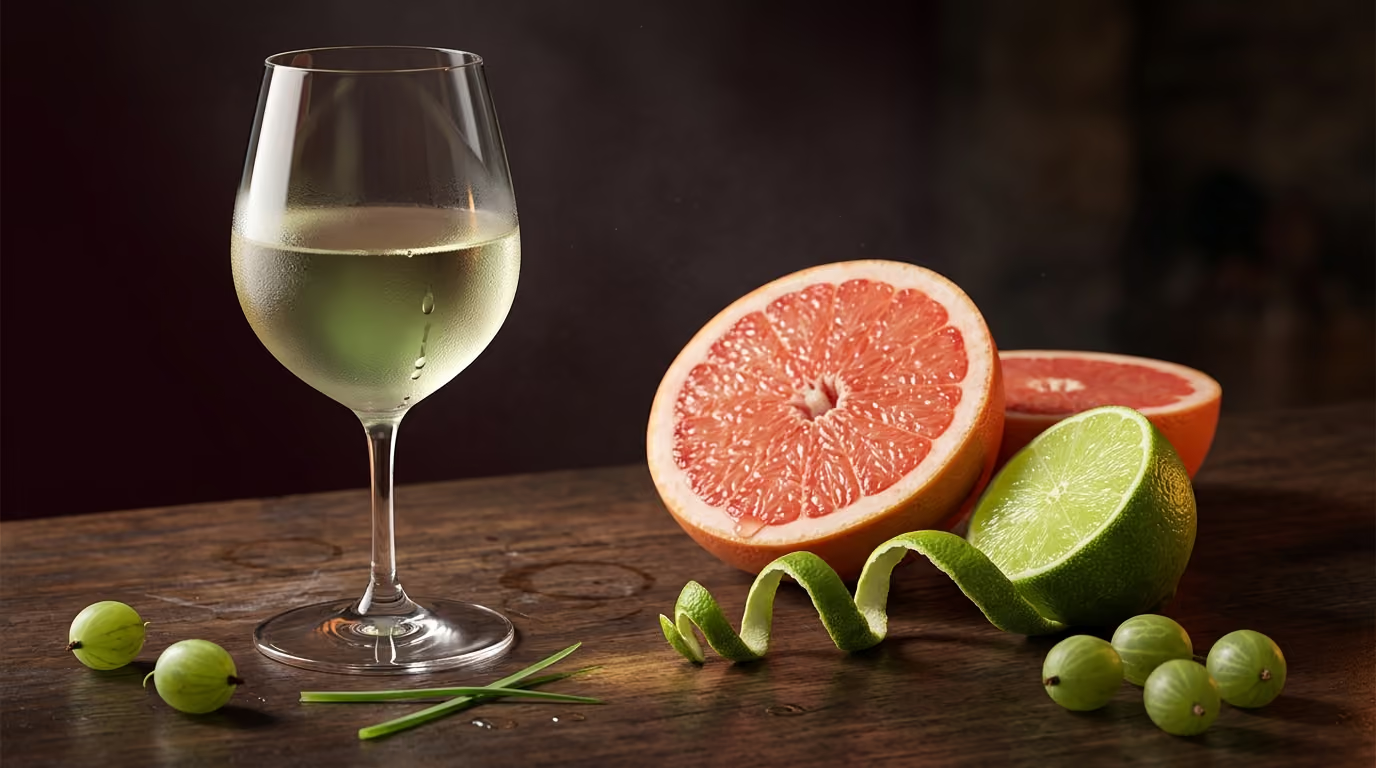
Sauvignon Blanc tastes dry and sharply refreshing, with grapefruit and lime leading, a green herbal note sitting just behind them, and acidity high enough to make your mouth water. Almost every bottle leans one of two ways. It either goes grassy and stony, or it goes toward passionfruit and ripe melon. Working out which of those two you actually enjoy is most of the decision, and the label tells you before you ever pull the cork.
That single split is why two glasses of the same grape can feel like completely different wines. It's also why people who say they don't like Sauvignon Blanc usually mean they don't like one half of it. Once you know which half is yours, a wine list stops being a guessing game and the aisle gets a lot smaller.
What Does Sauvignon Blanc Taste Like?
Sauvignon Blanc tastes light-bodied and lively, built around citrus and a green, leafy edge that no other common white wine gives you in quite the same way. The acidity is the first thing most people notice. It hits like a squeeze of lemon over fish, and it's the reason the wine feels refreshing rather than heavy.
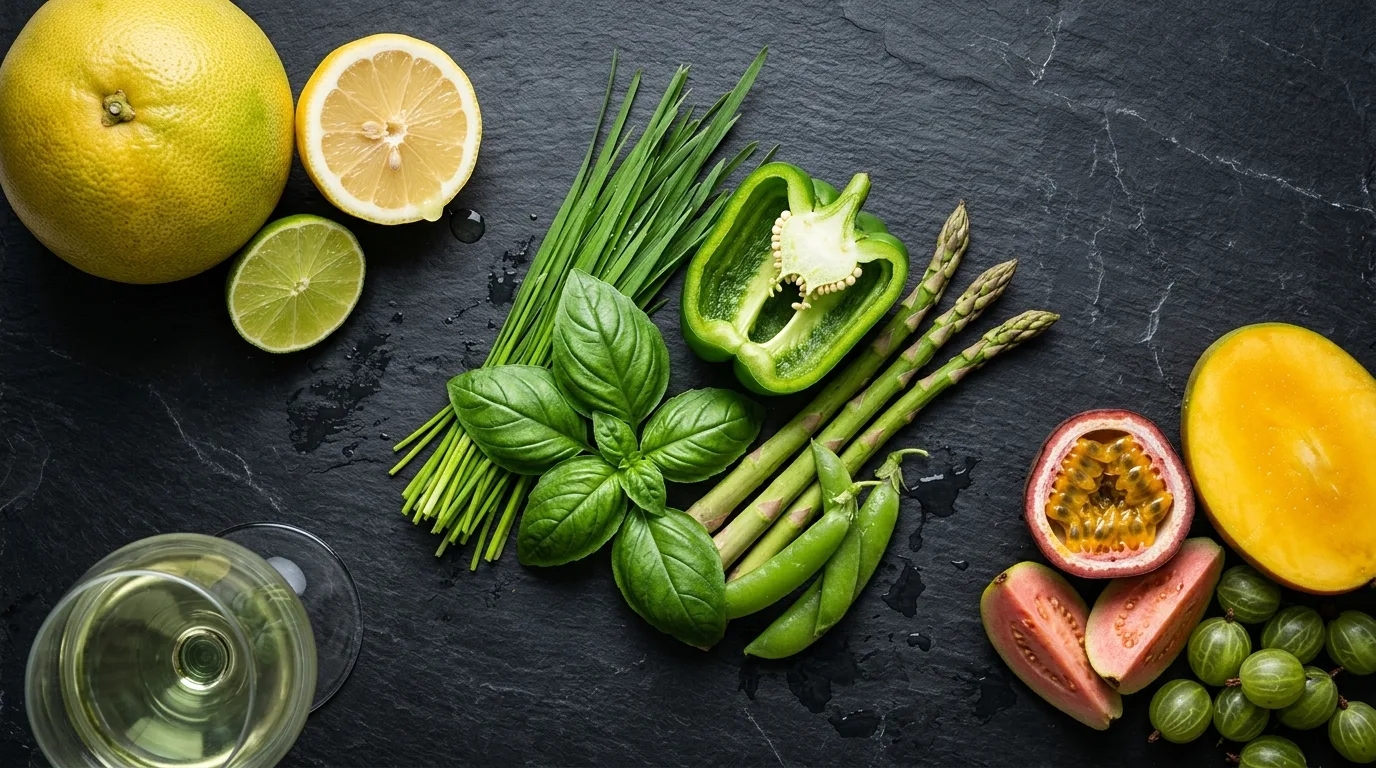
There's no tannin here to speak of, so you won't get the drying, gripping feeling that a red like Cabernet leaves on your gums. What you get instead is brightness and a clean finish that resets your palate between bites. The flavors themselves cluster into three families that show up in almost every bottle, in different proportions:
- Citrus, usually grapefruit, lime zest, lemon or pomelo
- Green and herbal, from fresh-cut grass and basil through to bell pepper, asparagus and snap peas
- Tropical fruit, mostly passionfruit, guava, mango or ripe gooseberry
Some bottles add a fourth layer that people describe as stony, flinty or faintly salty. Those descriptors are signposts rather than a test you have to pass. Nobody is checking whether you found the gooseberry, and you don't need to name a single one of them to know whether a glass tastes good to you.
Is Sauvignon Blanc Sweet or Dry?
Sauvignon Blanc is dry in the overwhelming majority of cases, including the tropical-smelling bottles that fool people into thinking otherwise. Fermentation converts nearly all of the grape sugar into alcohol, so very little residual sugar is left behind in the finished wine.

The confusion comes from a real thing your nose is doing. A wine can smell intensely of mango and still taste bone dry, because aroma and sweetness are separate signals. Aroma arrives before the sip and lives in your nose. Sweetness arrives during the sip and sits on your tongue afterward. A dry Sauvignon Blanc finishes briskly and leaves your mouth feeling clean, while a genuinely sweet wine feels rounder and lingers.
Dessert-style Sauvignon Blanc does exist, mostly as part of a blend with Sémillon in Sauternes and its neighbours, but you're very unlikely to meet one on a restaurant list by the glass or on a supermarket shelf. If sugary drinks put you off, this grape is one of the safest choices you can make. If very tart wines make you wince instead, you want a warmer-climate bottle, which is exactly what the next section is about.
Why Do Some Bottles Taste Grassy and Others Tropical?
The grassy character comes from a family of natural compounds called methoxypyrazines, and how much of it survives into the glass depends mostly on how warm the growing season was. A 2019 review of these compounds in the journal Molecules describes their aroma range as running from vegetal notes like bell pepper, peas, ivy leaves and potato through to earthy and woody impressions, and notes that in New Zealand Sauvignon Blanc their level has to stay in balance with the passionfruit and grapefruit aromas the wine is famous for.
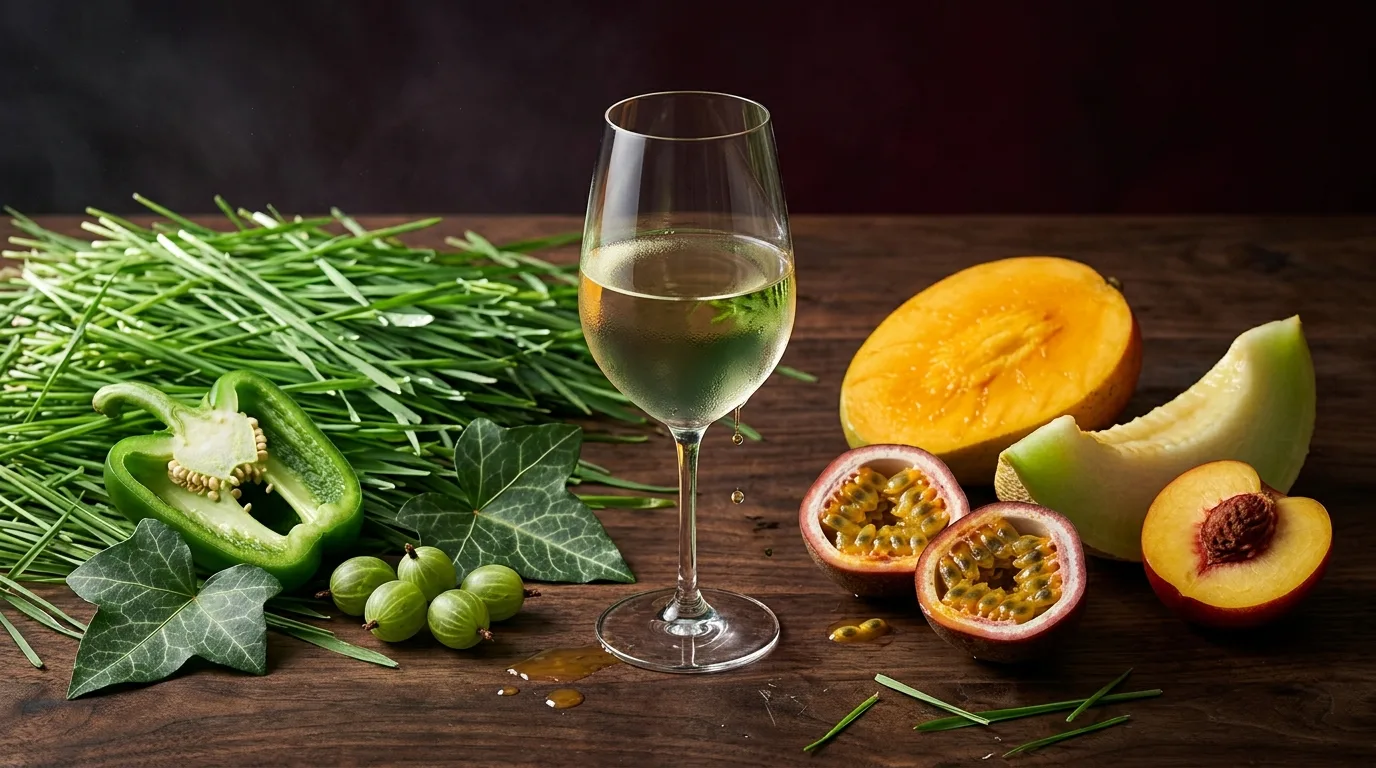
Cooler sites hold on to those green notes. Warmer sites ripen the fruit further and push the wine toward melon, stone fruit and tropical flavors instead. New Zealand Wine describes this within a single country: its southern, cooler regions produce more pungent and crisper wines with higher acidity, passionfruit and capsicum, while warmer northern conditions give riper, richer styles built on melon and nectarine.
Neither version is the better one, and treating grassy as a fault is a mistake plenty of wine writing makes. Your preference here may come down to something as ordinary as whether you'd rather bite into a lime or a ripe peach. Once you can name which of those you'd pick, you can shop for this grape properly.
Loire, Marlborough or California: Which Style Fits You?
Pick Sancerre or Pouilly-Fumé from France's Loire Valley if you want restraint, Marlborough from New Zealand if you want the fruit turned up loud, and a California Fumé Blanc if you want something rounder and softer. Those three names cover the large majority of what you'll actually find, and choosing between them is a far more useful skill than memorising grape trivia.
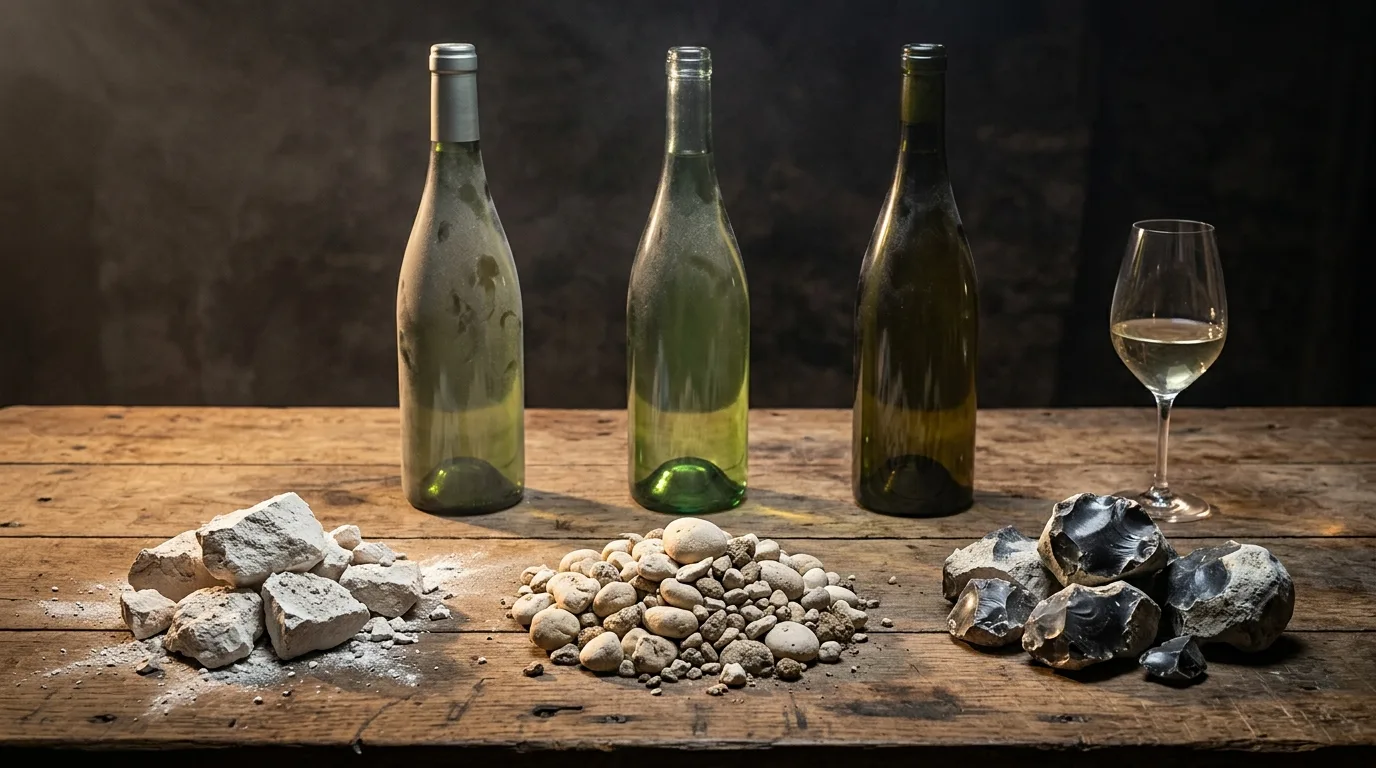
The Loire versions are the taut, citrus-led end of the range, and they reward a little more attention than the label suggests. Sancerre alone sits on three distinct soil types that produce noticeably different wines. Chalky terres blanches in the southwest give the weightiest bottles, the marl and gravel caillottes around Verdigny give the fruitiest and most balanced ones, and the flint or silex deposits near the town of Sancerre itself give the most aromatic wines with the longest aging potential. Most Sancerre is unoaked, which is why it can feel so clean beside food.
Marlborough is the style that made the grape globally famous, and it did so remarkably fast. New Zealand Wine dates the region's first Sauvignon Blanc plantings to 1975, which makes the whole phenomenon younger than plenty of people reading this. A Marlborough bottle announces itself with passionfruit, grapefruit, gooseberry and cut grass before you've raised the glass properly. Buy one when you want a wine that's impossible to mistake for anything else.
Fumé Blanc is Sauvignon Blanc wearing a different hat. The name is a marketing term Robert Mondavi coined in 1968 as a nod to Pouilly-Fumé, and the wines behind it often see some oak, some time on the lees, or a splash of Sémillon. The result is broader and creamier on the palate while still finishing dry. Chile and South Africa are worth knowing about too, since both make bright, citrus-forward Sauvignon Blanc that tends to cost less than its French and New Zealand equivalents.
If you're standing in front of a shelf and still can't decide, this is a decent moment for Fit Check in Sommy, which gives you a straight verdict on whether a specific bottle suits your style once you've typed, said or scanned it.
What Food Goes With Sauvignon Blanc?
Sauvignon Blanc pairs best with food that's lemony, herby, green or salty, which covers a genuinely enormous amount of what people cook on a weeknight. Its acidity cuts through fat and refreshes your mouth between bites, and its herbal side echoes the herbs already on the plate rather than fighting them.
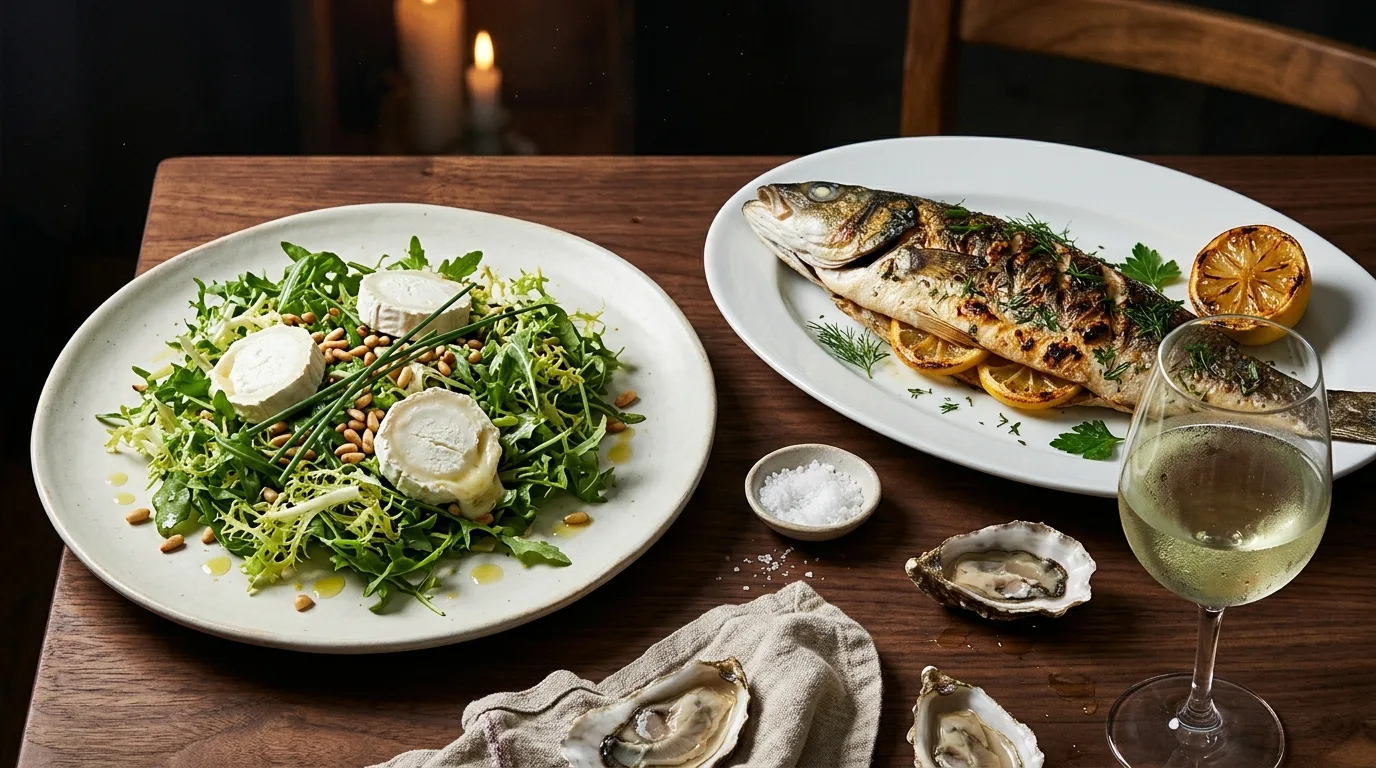
Goat cheese is the classic match for a reason, because the wine's acidity and the cheese's tang meet at the same level instead of one flattening the other. Beyond that, grilled fish with lemon, oysters, shrimp, ceviche and sushi all work beautifully. Asparagus and peas are famously awkward with most wines and completely at home with this one. Our fuller Sauvignon Blanc food pairings guide goes deeper on the tricky plates.
| Dish | Style to reach for | Why it works |
|---|---|---|
| Goat cheese and green salad | Loire, unoaked | Matching acidity keeps the tang from taking over |
| Grilled fish with lemon | Loire or Marlborough | The citrus in the glass echoes the citrus on the plate |
| Asparagus, peas and fresh herbs | Marlborough | Green flavors in the wine meet green flavors in the food |
| Roast chicken in a cream sauce | California Fumé Blanc | Oak and lees texture stand up to the richer sauce |
| Thai or Vietnamese dishes | Marlborough or Chilean | Aromatic fruit handles chilli, lime and fish sauce |
Where it struggles is with red meat, heavy tomato sauces and anything smoky off a grill, all of which will make a crisp white taste thin and sour. Rich, buttery cooking needs either the Fumé Blanc end of the range or a different grape entirely, and Chardonnay versus Sauvignon Blanc is the comparison worth reading when you're deciding.
How Cold Should You Serve It, and When Should You Skip It?
Serve Sauvignon Blanc cold, in the range of 45 to 55°F, which is the serving window Wine Folly gives for the grape. Colder than that and you mute the aromatics you paid for. Warmer and the acidity starts to feel flabby rather than refreshing.
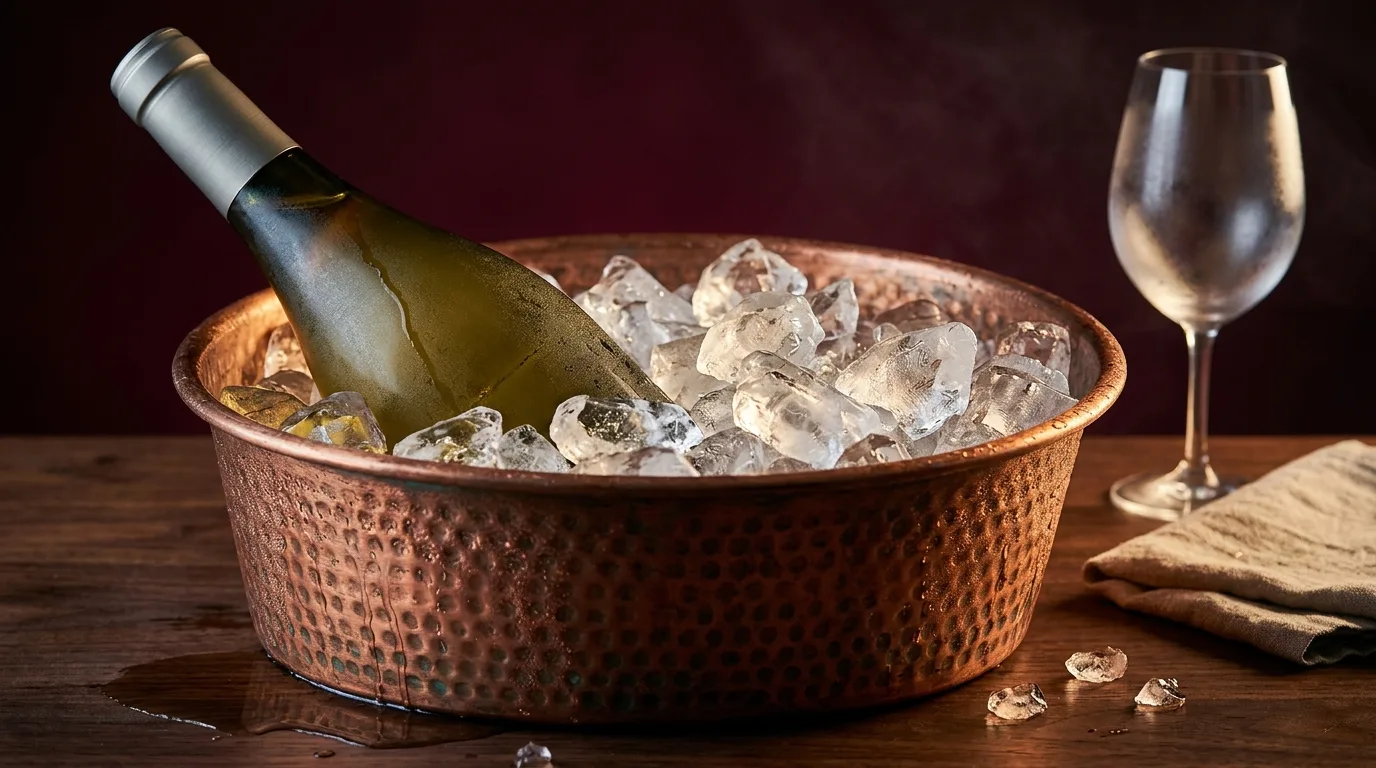
Straight from a normal fridge is usually a touch too cold, so pouring the first glass and letting the bottle sit out for ten minutes gets you closer than any thermometer will. If you've forgotten to chill it at all, our chill wine fast method takes about five minutes. Almost all of these wines are made to drink young, within roughly two or three years of the vintage, and the flinty Sancerres are the main exception to that.
Skip Sauvignon Blanc when you want a soft, buttery, low-acid white, because no bottle of it is going to give you that. Chardonnay is the obvious alternative there. Skip it too when the meal is genuinely spicy and you want the heat softened rather than sharpened, since an off-dry Riesling handles chilli far more kindly. If crisp is what you're after but this particular flavor set isn't clicking, Sauvignon Blanc versus Pinot Grigio covers the nearest neighbour. Reading the region and the vintage off the front label is often all the information you need, and how to read wine labels walks through the rest.
Frequently Asked Questions
Is Sauvignon Blanc a sweet wine?
The great majority of Sauvignon Blanc is dry, even when it smells strongly of mango, passionfruit or ripe gooseberry. Sweet versions exist as dessert wines, usually blended with Sémillon, but you won't run into them on an ordinary restaurant list or supermarket shelf.
What does Sauvignon Blanc taste like?
It tastes crisp and citrus-driven, with grapefruit, lime and lemon in front, a green herbal note behind them, and high acidity that makes your mouth water. Warmer regions produce rounder bottles with passionfruit and melon, and some Loire wines add a flinty, stony character on top.
Which Sauvignon Blanc should I buy?
Choose a Loire bottle such as Sancerre or Pouilly-Fumé for a lean, citrusy, mineral style. Choose Marlborough for bold tropical fruit and unmistakable grassiness. Choose a California Fumé Blanc when you want a fuller texture and gentler acidity, and look at Chile or South Africa for the same brightness at a lower price.
What food pairs with Sauvignon Blanc?
Goat cheese, grilled fish with lemon, oysters, shrimp, ceviche, sushi, salads, fresh herbs and green vegetables all work well. Fuller Fumé Blanc styles can also carry roast chicken and dishes with butter or cream.
Why does my Sauvignon Blanc taste like grass or bell pepper?
Those aromas come from methoxypyrazines, compounds that survive in higher concentrations when the growing season is cooler. A bottle from a warmer region will show far less of that character and much more ripe tropical fruit.
How long does Sauvignon Blanc keep?
Most bottles are made for drinking young and taste best within about two to three years of the vintage. Flint-soil Sancerre is the notable exception and can hold considerably longer.
Pick the Style, Not Just the Grape
Sauvignon Blanc is one of the easiest wines to buy well, provided you stop treating it as a single flavor. Decide whether you want the lean, citrusy, faintly stony version or the loud tropical one, and the region on the label will get you there almost every time.
The honest limit of any guide like this one is that it can describe both styles accurately and still not know which of them you'll want a second glass of. That part only comes from drinking a few and paying attention to which bottles you finish. Sommy keeps track of that for you, so the next recommendation starts from what you actually liked rather than from a general description of the grape.