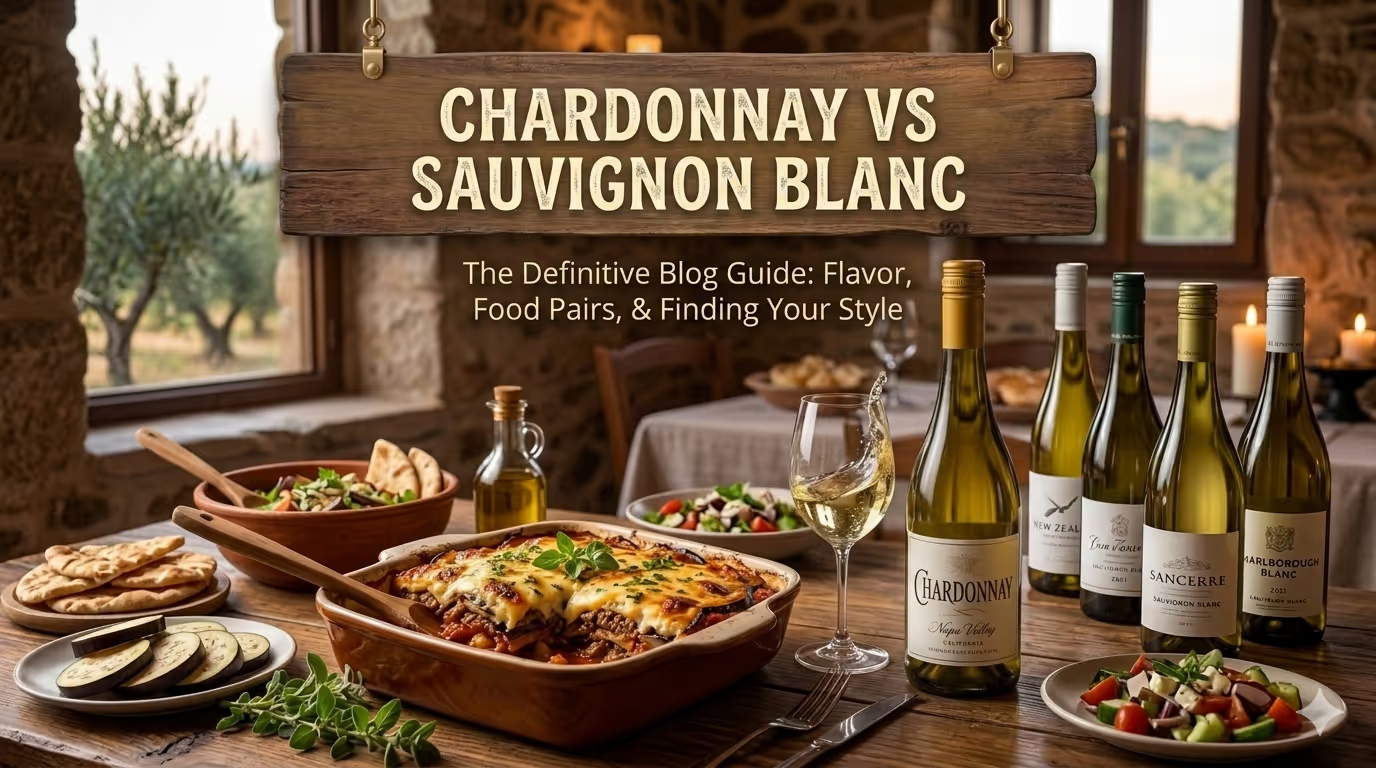

Deciding between chardonnay vs sauvignon blanc can feel more complicated than it should be. As two of the most popular dry wines, they offer distinct experiences that cater to different palates. The short answer is simple: Chardonnay is typically softer and fuller, while Sauvignon Blanc is brighter and crisper.
Choose Chardonnay when you are in the mood for a smooth, mellow white wine with a buttery texture. Reach for a Sauvignon Blanc when you want a fresh, zippy glass with vibrant acidity. Most people do not need a degree in wine theory to find their favorite, as they simply need a fast, reliable guide to help them enjoy Chardonnay and Sauvignon Blanc with confidence.
Key Takeaways
- Taste is the best guide: Focus on the texture and sensation of the wine—Chardonnay is typically round, smooth, and creamy, while Sauvignon Blanc is crisp, sharp, and zesty.
- Match weight to food: Pair full-bodied, buttery Chardonnays with rich dishes like roast chicken or cream-based pastas, and choose bright Sauvignon Blancs for lighter fare such as seafood, goat cheese, or salads.
- Read the label clues: Look for terms like "oaked" or "buttery" for a richer Chardonnay experience, and scan for words like "crisp," "herbaceous," or "citrus" when searching for a vibrant Sauvignon Blanc.
- Keep it simple: Avoid complicated jargon by asking yourself one basic question: do I want something smooth and mellow, or sharp and refreshing?
Start with taste, not wine theory
When people compare Chardonnay and Sauvignon Blanc, the biggest difference lies in the flavor profile and how each wine feels in your mouth.
Chardonnay often presents a rounder, more robust experience. You may notice notes of apple, pear, or lemon curd. When Chardonnay undergoes malolactic fermentation, it gains a distinctive creamy texture and a buttery feel, which is especially noticeable in full-bodied selections. While traditional Chardonnay from Burgundy offers elegance, some versions spend time in oak, adding layers of vanilla or toast. In contrast, Sauvignon Blanc moves in the opposite direction. Known for its high acidity, it feels leaner and more refreshing. Whether you choose a classic style from New Zealand or a cool climate region that helps maintain that signature zing, you will likely find vibrant citrus notes and an herbaceous character reminiscent of freshly cut grass or green apple. Some variations may also lean toward tropical fruit, depending on where the grapes were grown.
A simple wine guide should keep the choice grounded in sensation, not jargon. If you like coffee with cream more than black coffee, a full-bodied Chardonnay may suit you better. If you love cold sparkling water with a squeeze of lemon, a crisp Sauvignon Blanc often makes more sense.
For wine tasting notes explained in plain language, focus on a few easy clues. Creamy means softer and richer. Crisp means bright and mouthwatering. Oaky often brings vanilla or toast. Herbal points toward grass or green fruit.
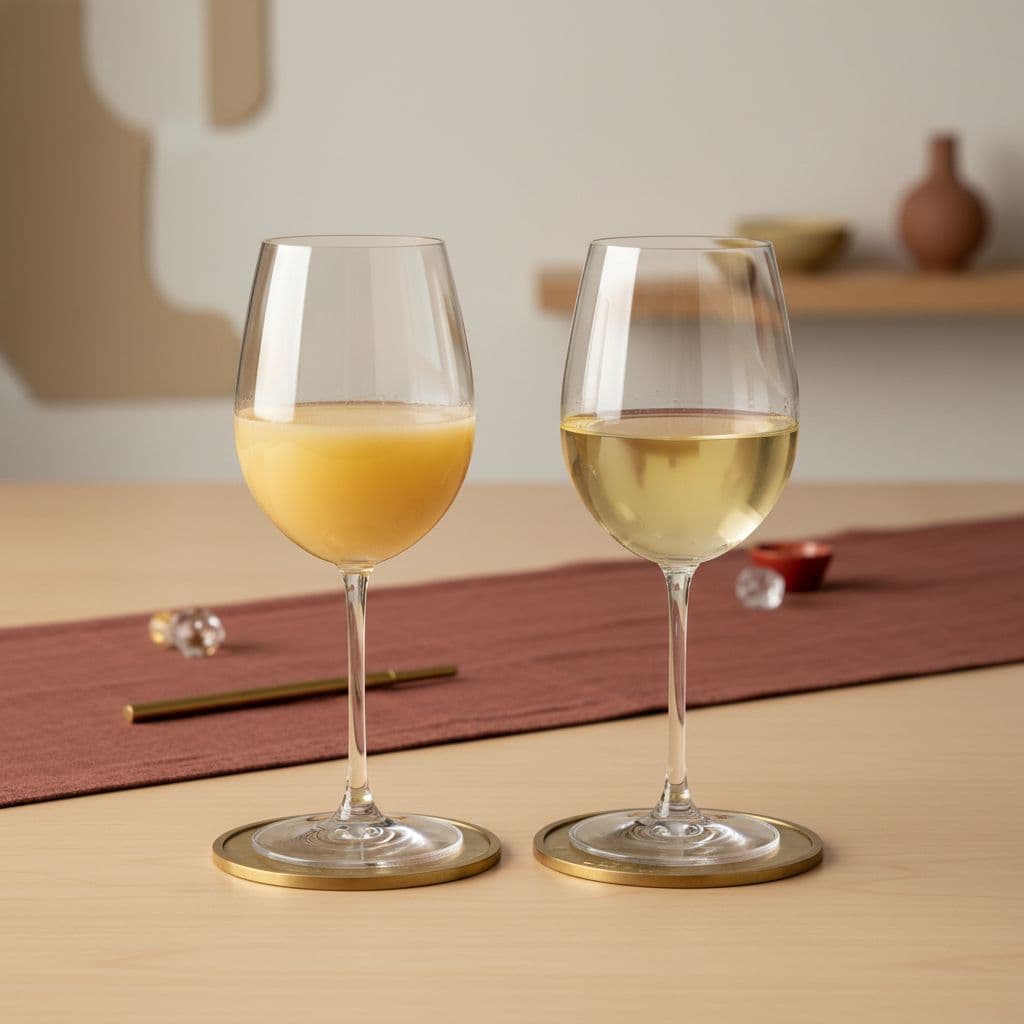
A quick side-by-side view makes the choice easier:
| Trait | Chardonnay | Sauvignon Blanc |
|---|---|---|
| Body | Medium to full | Light to medium |
| Acidity | Softer | Higher |
| Common flavors | Apple, pear, lemon, vanilla | Lime, grapefruit, green apple, herbs |
| Overall feel | Round, smooth, richer | Crisp, sharp, fresh |
| Best mood | Cozy dinner, creamy dishes | Warm day, light meals, seafood |
Most of the time, the Chardonnay versus Sauvignon Blanc choice comes down to soft versus sharp. That is the heart of wine explained simply.
Choose Chardonnay when you want comfort in a glass. Choose Sauvignon Blanc when you want lift and freshness.
How to choose one at dinner without stress
Restaurant wine tips work best when they fit the meal in front of you. Great food pairings often come down to matching the intensity of the dish with the wine. A buttery pasta, roast chicken, salmon, or creamy risotto usually leans toward the rich profile of Chardonnay. Conversely, a zesty Sauvignon Blanc pairs perfectly with seafood, goat cheese salads, sushi, or fish tacos.
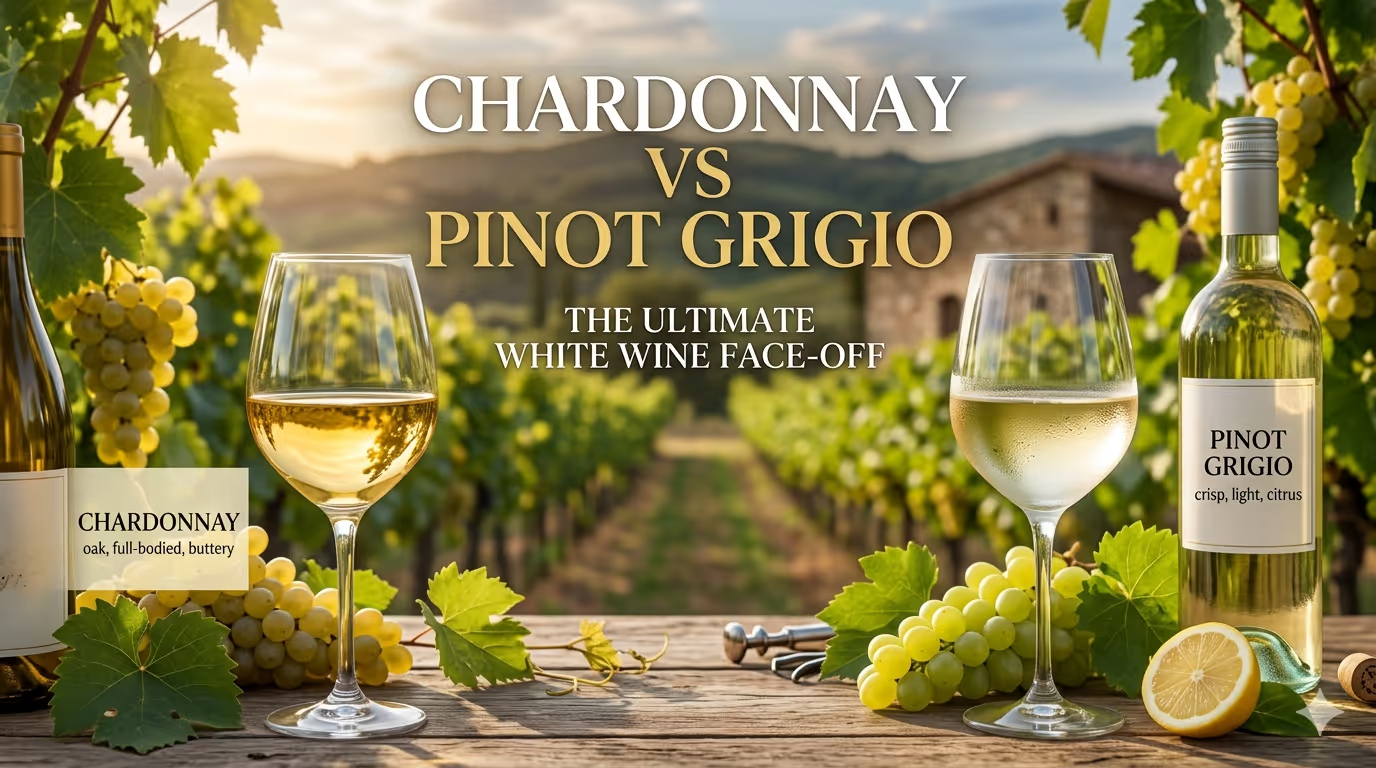
A good wine pairing guide does not need twenty rules. Start with weight and freshness. Rich food usually likes a rounder wine, while light food usually prefers a brighter one. Acidic sauces, herbs, and citrus also love Sauvignon Blanc because the wine echoes those flavors instead of fighting them. If you are comparing these dry wines to Pinot Grigio, keep in mind that Sauvignon Blanc will offer a much more vibrant and herbal intensity, whereas Chardonnay often brings more texture to the glass.
Wine list tips can stay simple, too. Scan the white wines and ask yourself one question: do I want smooth or crisp? That one choice cuts the page in half. If you see a bottle from New Zealand on the list, you can generally expect a classic, crisp style of Sauvignon Blanc.

Here are a few fast calls that save time:
- Order Chardonnay with roast chicken, lobster with butter, creamy pasta, or corn dishes.
- Order Sauvignon Blanc with shellfish, salads, fresh cheese, grilled vegetables, or anything with lemon.
- Pick Sauvignon Blanc if the weather is hot and you want a zesty, refreshing choice.
- Pick Chardonnay if you want your wine to feel a little fuller and calmer.
How to choose wine in a restaurant often comes down to what you do not want. Do not want anything tart? Skip the Sauvignon Blanc. Do not want anything heavy or oaky? Skip a rich Chardonnay and ask for a fresher style.
Servers can help when you give them plain words. Say, "I'm looking for a crisp white, not buttery," or "I want something round and smooth." Clear language beats trying to sound impressive. Friendly wine advice sounds like normal speech, because normal speech gets better results.
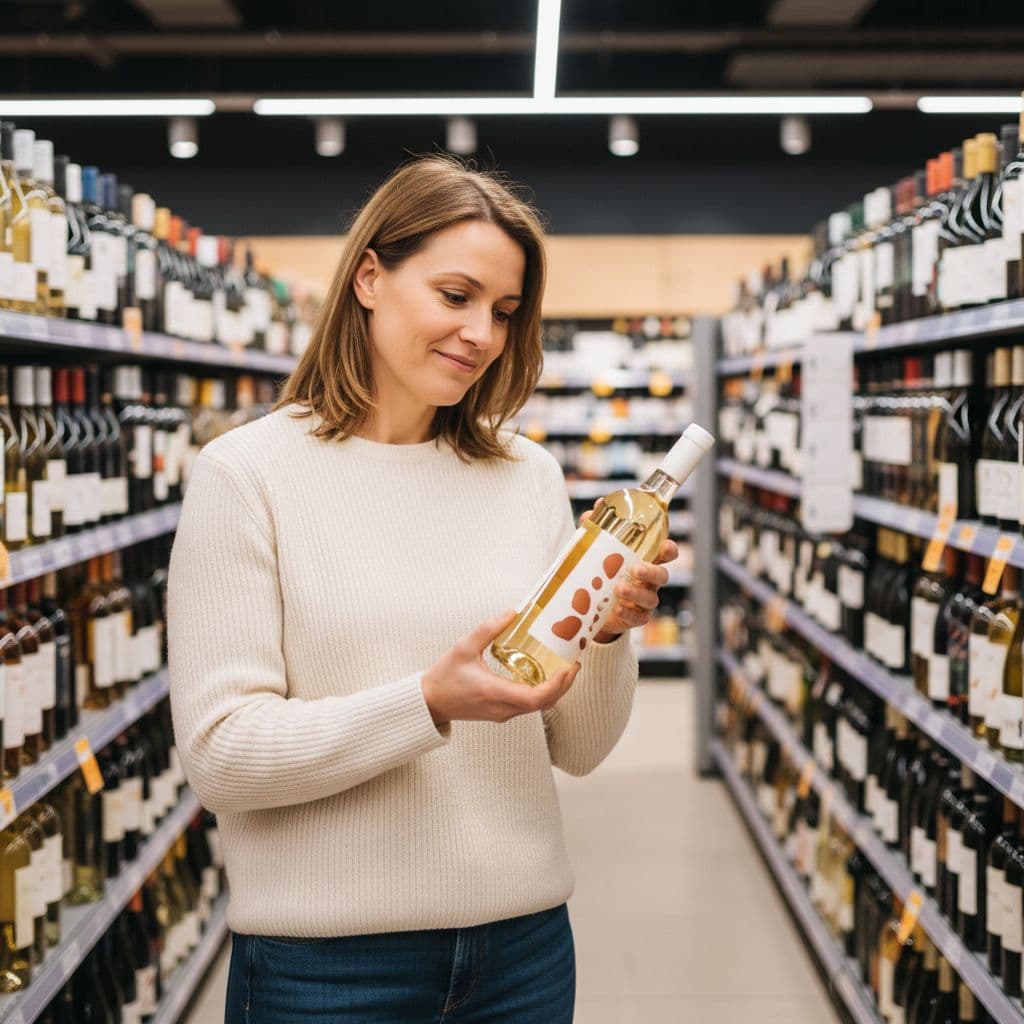
Grocery store shortcuts when the aisle feels endless
Grocery store wine picks get easier when you ignore most of the shelf and hunt for a few specific label clues.
When shopping for Chardonnay, understanding the winemaking process is key. If you prefer a full-bodied wine with a creamy texture, look for terms like oak, buttery, vanilla, or toasty. These qualities often come from aging in oak barrels. For a lighter, more refreshing experience, search for labels stating unoaked, which signifies the wine was aged in stainless steel tanks to preserve crisp, green apple and bright citrus notes. These differences in flavor profile are often dictated by terroir, as Chardonnay from a warm climate like California may offer rich tropical fruit, while versions from cooler regions like Burgundy lean toward elegant acidity.
For Sauvignon Blanc, the flavor profile is usually defined by freshness. Words like crisp, lime, grapefruit, herb, or mineral-driven citrus notes are reliable markers. These wines often thrive in a cool climate, such as the Loire Valley, where the lack of oak aging allows the natural vibrancy of the grapes to shine through.
Price does not need to dictate your selection, as plenty of solid bottles exist in the middle of the price range. Everyday wine advice matters more than chasing a famous name. Find the style you like first, then repeat what works.
Hosting friends adds another layer to the process, but the rule remains simple. Chardonnay is the safer choice for mixed comfort food, cheese boards, and roast chicken. Sauvignon Blanc feels better for lighter snacks, crudites, seafood, and outdoor lunches.
A modern wine guide should lower pressure, not add more. Keep this tiny cheat sheet in mind:
- Want round, soft, or creamy? Look for oaked Chardonnay.
- Want fresh, tart, or citrusy? Buy unoaked Chardonnay or Sauvignon Blanc.
- Serving many foods at once? Chardonnay is often the broader crowd-pleaser.
- Serving salads, herbs, or seafood? Sauvignon Blanc usually feels cleaner and brighter.
Simple wine tips matter because the shelf is built to slow you down, but clear wine recommendations speed you up. Once you know your lane, the bottle stops feeling like a test.
When personalized help beats guessing
Sometimes you know the difference between the wines and still freeze anyway. A crowded wine aisle, a long restaurant list, or a dinner party with picky guests can do that.
An AI wine assistant helps because it turns vague stress into a short decision. Instead of memorizing grapes, you answer practical questions. Do you like a buttery Chardonnay or a sharp Sauvignon Blanc? Is the dinner menu focusing on seafood, or are you looking for a lighter Pinot Grigio to start the night? Good wine app suggestions should feel like calm, in-the-moment help, not homework.
Sommy fits that role well. It gives wine recommendations based on your taste, food pairings, and price range. Over time, it can learn what you enjoy and improve its picks. If you prefer a creamy Chardonnay but want to branch out, it might suggest a Pinot Grigio as a crisp alternative. That means smarter help when you are shopping fast, scanning a menu, or trying to avoid another bottle that misses the mark.
If you want to build confidence first, Sommy's guide on how to choose wine with confidence keeps the decision clear and low-pressure. If you want in-the-moment help, getting personalized wine recommendations shows how an AI wine assistant can make sense of a shelf or wine list.
Personalized wine picks are useful because taste is personal. One person wants the mellow depth of an oaked Chardonnay. Another wants sharp, citrusy flavors in their glass. Smart wine recommendations work better than generic rankings because they start with your mouth, not someone else's score.
Wine explained simply should always lead back to action. In practice, that means better restaurant choices, less wasted money, and more confidence. Smart wine picks do not need to be fancy; they need to fit the moment.
If you want help choosing wine in the moment, Sommy can offer personalized wine recommendations that match your taste, meal, and budget without making you study wine first.
Frequently Asked Questions
Which wine is better for beginners?
Both are excellent starting points, but it depends entirely on your personal preference for texture. If you enjoy richer flavors or creamier coffee, Chardonnay is a great introduction, whereas those who prefer the zing of lemon or crisp water will likely find Sauvignon Blanc more approachable.
Can I find a Chardonnay that isn't buttery?
Yes, you can look for bottles labeled as "unoaked" or "stainless steel fermented." These versions of Chardonnay bypass the creamy, vanilla-forward notes of oak aging, resulting in a much crisper and more refreshing style that mirrors the acidity of other white wines.
Why does Sauvignon Blanc sometimes taste like grass?
That specific herbal quality is a hallmark of the Sauvignon Blanc grape and is often described as notes of freshly cut grass, green apple, or bell pepper. This flavor profile is perfectly normal and is what gives the wine its signature zesty, green, and high-acid character.
Does price affect the quality of these wines?
While price can sometimes reflect the prestige of a region or the use of expensive oak barrels, you do not need to spend a fortune to get a great bottle. Many high-quality, delicious options exist at the mid-range price point, so focus on finding the style you enjoy rather than chasing expensive labels.
Conclusion
Deciding between Chardonnay vs Sauvignon Blanc stops feeling confusing once you focus on how the wine feels on your palate. Chardonnay is the softer, rounder choice that often offers a creamier texture. In contrast, Sauvignon Blanc is the brighter, crisper one that defines many refreshing experiences.
That single distinction handles most wine decisions at dinner, in the store, and on a wine list. Chardonnay provides a comforting, reliable option for those who enjoy weight, while Sauvignon Blanc is the perfect partner when you prefer high acidity. Keep the choice simple, trust your own taste, and use clear wine recommendations when you want backup.