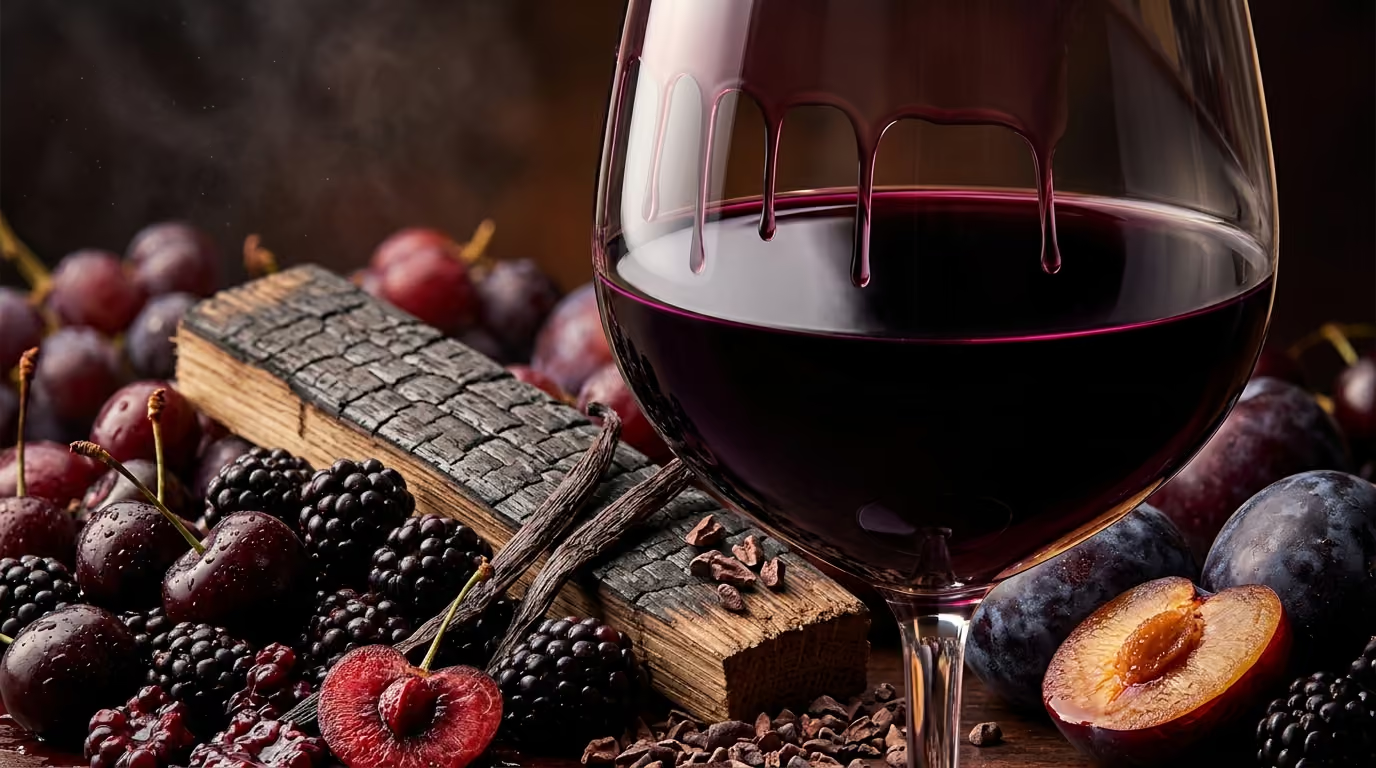


A red blend wine is any red wine made from two or more grape varieties mixed together, rather than a single grape like Merlot or Pinot Noir standing on its own. Winemakers blend to balance a wine, so one grape can bring fruit, another can bring structure, and the finished bottle tastes more complete than any single grape usually would alone. Most red blends are dry, though a handful of popular American bottles are made in a softer, sweeter style on purpose, which is where a lot of the confusion starts. The label tells you that a wine is a blend, but it rarely tells you how the wine actually tastes, and that gap is exactly what we want to close here.
TL;DR
• A red blend is one red wine made from two or more grapes, chosen so they balance each other.
• Classic blends like Bordeaux and GSM are dry; some supermarket blends such as Apothic Red are made sweeter on purpose, around 16 grams of sugar per liter.
• Expect to pay about $10 to $15 for an everyday bottle and $25 to $40 for something with real depth.
• The best way to enjoy one is to match its style to your own taste, and that is where your Taste Profile in Sommy earns its keep.
What makes a wine a red blend?
A wine becomes a red blend the moment a winemaker combines two or more red grape varieties into one bottle instead of bottling a single grape by itself. The idea is old and simple. No single grape is perfect at everything, so a winemaker leans on several, letting each one cover for the others' weak spots. Cabernet Sauvignon might bring backbone and grip, Merlot might round out the middle with soft plum, and a splash of Syrah might add a peppery lift on the finish. Bottled together, they read as one voice rather than three.
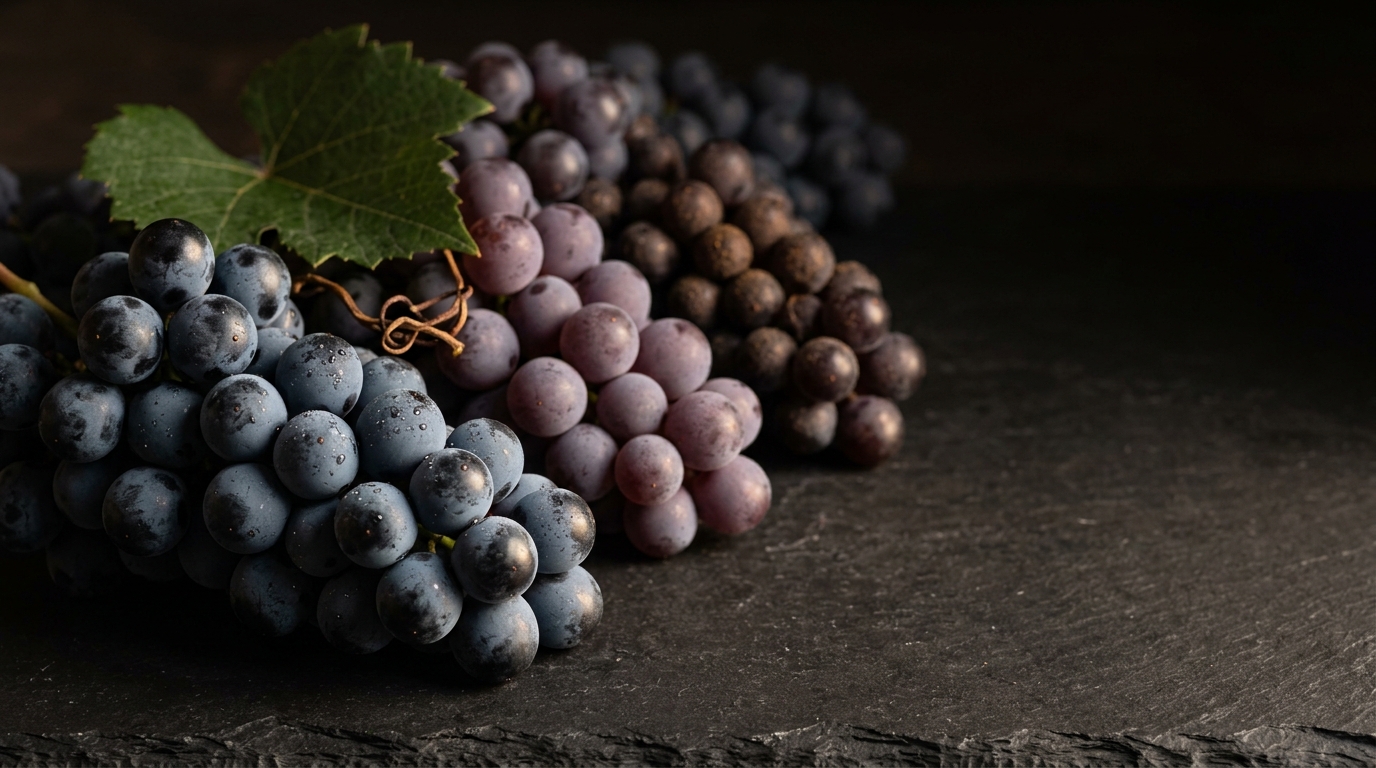
That balancing act is the whole point of blending, and it is why so many of the world's most celebrated wines are blends rather than single grapes. A great blend hides its seams. You are not meant to taste "the Cabernet part" and "the Merlot part" as separate things. You are meant to taste one wine that feels whole, with the rough edges smoothed off and the good qualities amplified. When it works, a blend can be more expressive and more consistent from year to year than a single grape, because the winemaker can adjust the recipe to even out a difficult growing season.
There is a practical side too. Blending lets a winery keep a house style steady even when the weather refuses to cooperate. If the Merlot came in a little thin one autumn, a touch more Cabernet or Petit Verdot can firm the wine back up. If you have ever wondered why a favorite bottle tastes reassuringly familiar bottle after bottle, blending is often the quiet reason. For a closer look at how two of the most common blending grapes behave on their own, our guide to Cabernet Sauvignon versus Merlot breaks down what each one brings to the table.
Is a red blend sweet or dry?
Most red blends are dry, but a small group of very popular bottles are deliberately made sweet, and that split is the single most confusing thing about the whole category. When wine people say a wine is "dry," they mean the grape sugars were fermented almost entirely into alcohol, leaving little to no sweetness behind. A classic European blend from Bordeaux or the Rhône Valley is dry in exactly this way, with fruit flavor but no real sugar on the tongue.
The confusion comes from the American supermarket shelf. Over the last fifteen years, brands built a whole category of soft, fruit-forward, gently sweet red blends aimed at people who find bone-dry reds too harsh. Apothic Red is the poster child. It carries around 16 grams of residual sugar per liter, which is genuinely sweet when you consider that a bone-dry red sits under about 4 grams per liter, according to Jamie Goode's wine blog and retailer data from the LCBO. Bottles like these taste smooth and almost jammy, and plenty of people love them, so there is nothing wrong with reaching for one. You just want to know that is what you are getting.
So the label word "red blend" tells you nothing about sweetness by itself. A dry Bordeaux blend and a sweet Apothic Red are both, technically, red blends. If you prefer your wine on the sweeter side, look for American brands that lean into a soft and fruity style, and read the tasting notes for words like "jammy," "smooth," or "hint of sweetness." If you want dry, steer toward blends from Bordeaux, the southern Rhône, Spain, or Italy, where dry is the default. Our explainer on dry versus sweet wine goes deeper on how to read those signals before you buy.
Which grapes and famous blends should you know?
The most useful thing to learn is that a few named blend styles account for the majority of what you will see, and each one follows a recognizable recipe. Once you know the handful below, a wine list stops looking like a wall of random names and starts making sense. Here are the ones worth recognizing.
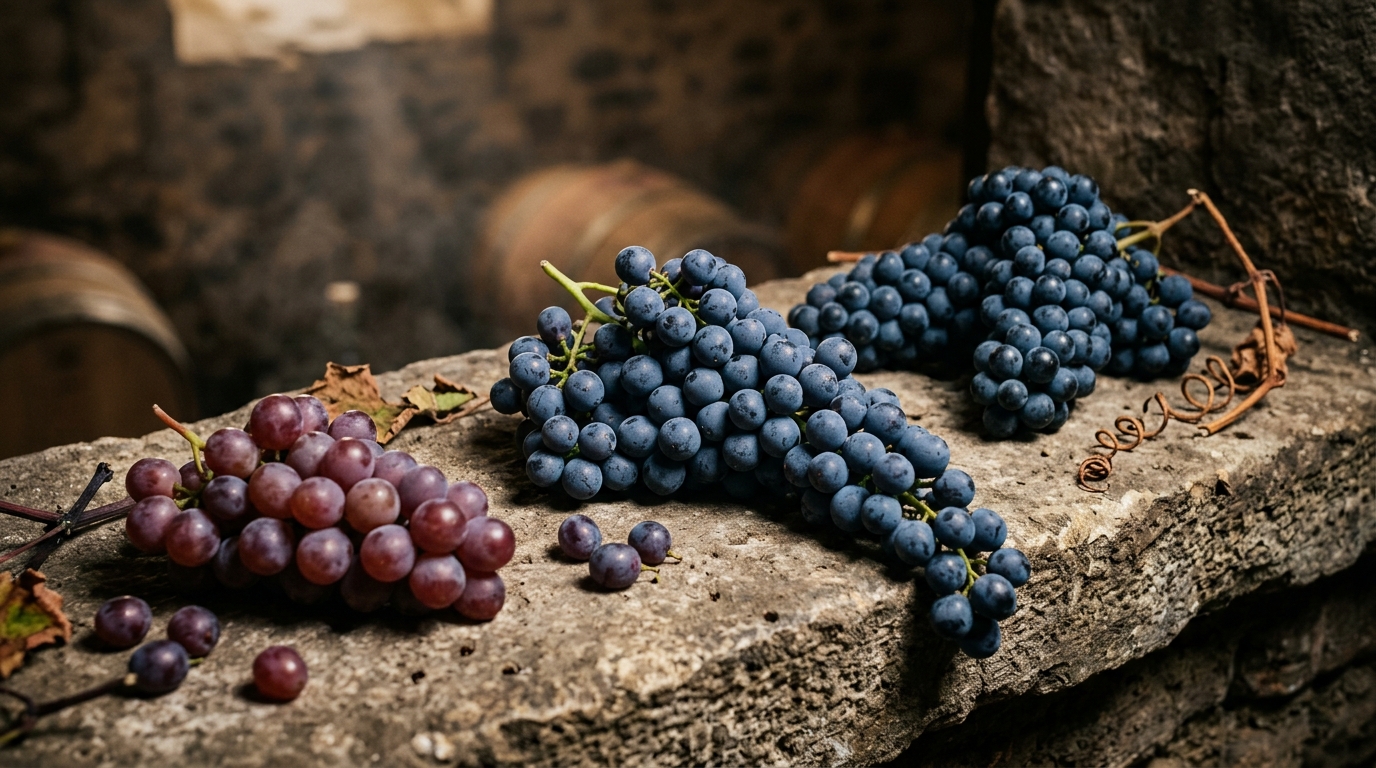
The Bordeaux blend is the most influential red blend on earth, built mainly from Cabernet Sauvignon and Merlot, often with smaller amounts of Cabernet Franc, Petit Verdot, Malbec, or Carménère. It tends to be structured, age-worthy, and savory, with dark fruit and a firm grip of tannin. The Rhône blend, usually shortened to GSM, leans on Grenache, Syrah, and Mourvèdre. It runs riper and rounder than Bordeaux, with red fruit, warmth, and a peppery edge. Push further into the southern Rhône and you reach Châteauneuf-du-Pape, a famous appellation that permits up to thirteen different grape varieties in a single wine.
American wineries have their own version of the Bordeaux idea, and it has a specific name. A Meritage is a Bordeaux-style blend made by a member of the Meritage Alliance, which licenses the term. To use it, a wine must combine at least two of the permitted Bordeaux grapes, with no single variety making up more than 90 percent of the blend, per wine-searcher and Wikipedia. Italy has its own celebrated category in the Super Tuscan, which typically blends the local Sangiovese with Bordeaux grapes like Cabernet and Merlot, breaking old regional rules to make something bold and internationally styled. If you enjoy the peppery side of these wines, the difference between two common Rhône grapes is worth knowing, and our Syrah versus Zinfandel comparison is a good next stop.
Are red blends lower quality than single-grape wines?
No, blending is a deliberate winemaking choice rather than a way to hide cheap or flawed wine, and some of the most expensive bottles in the world are blends. The finest wines of Bordeaux, which sell for hundreds or even thousands of dollars, are blends by tradition and by design. So are many of the collectible Super Tuscans and top Châteauneuf-du-Pape bottles. If blending were merely a trick to disguise poor fruit, the world's most obsessive collectors would not spend fortunes chasing these wines.
The suspicion is understandable, because the same technique that builds a great wine can also be used to make a cheap one taste smoother than it has any right to. Both things are true at once. At the low end, a big brand can blend across regions and grapes to hit a reliable, easy flavor at a low price, which is a perfectly honest way to make an affordable everyday wine. At the high end, a winemaker blends to reach for complexity and balance that no single grape could deliver. The method is the same in both cases, and only the intent and the raw material are what truly differ.
What this means for you is refreshingly simple. Judge a red blend by whether you enjoy it, not by the fact that it is a blend. A thoughtful blend at any price can be a wonderful wine, and the label term tells you nothing about quality on its own. If tannin is the quality you tend to notice most, our primer on how tannins work in wine will help you name what you are tasting.
What does a red blend taste like, and what food fits it?
A red blend usually tastes fuller and more layered than a single grape, because each variety in the mix adds its own note to the chord. The exact flavor depends entirely on the recipe, but most dry red blends land somewhere in the medium to full range, with dark fruit like blackberry and plum, a savory or spicy edge, and enough tannin to give the wine some grip. Sweeter styles taste rounder and more jammy, with the tannin softened and the fruit turned up. If the idea of body and weight is new to you, our note on what full-bodied wine means explains the feeling in plain terms.
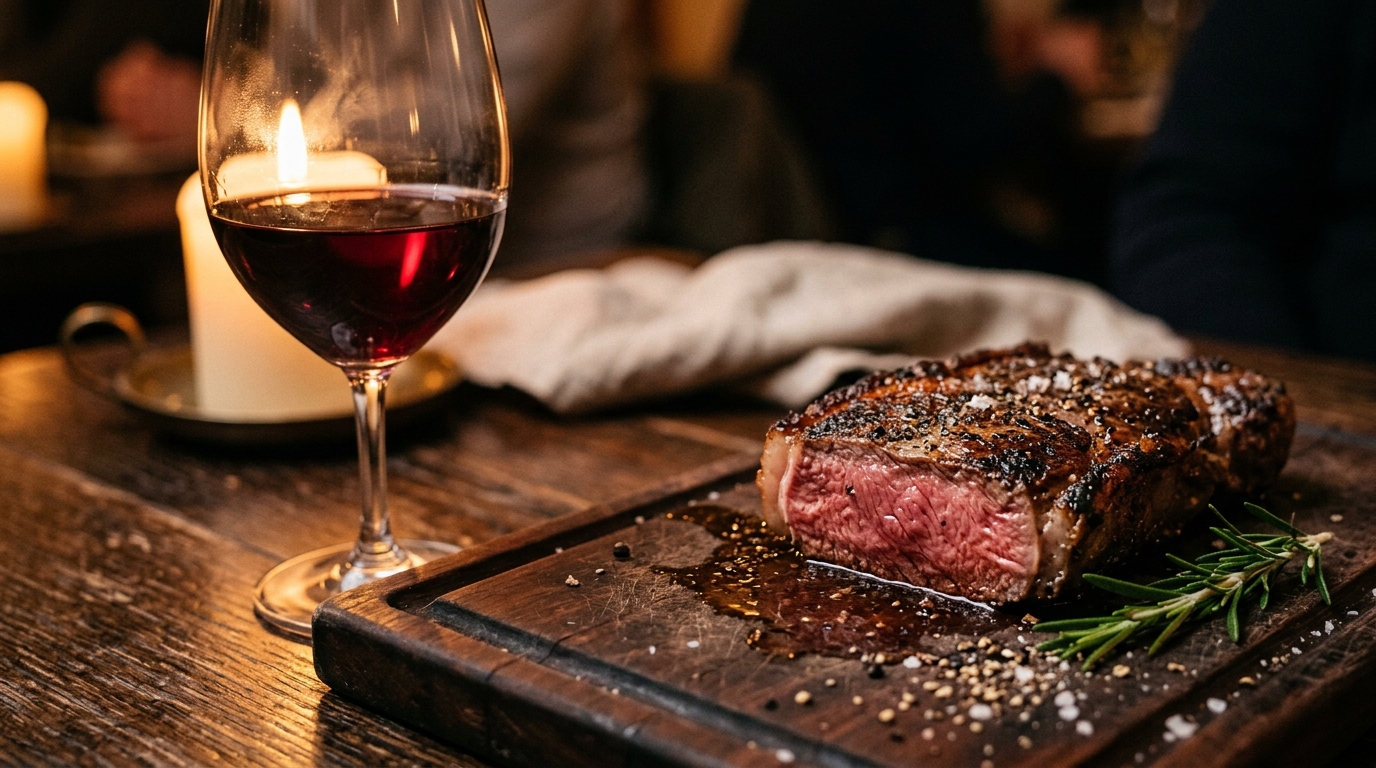
Because blends tend to be crowd-pleasers by design, they are some of the easiest wines to put on a dinner table. A dry, structured blend loves rich and savory food, so it shines next to a grilled steak, a lamb roast, braised short ribs, or a hard aged cheese. The tannin cuts through fat, and the dark fruit stands up to bold seasoning. A rounder GSM or a fruit-forward Californian blend is more flexible still, happy alongside burgers, barbecue, pizza, or a mushroom pasta. If your bottle leans sweet, treat it like the softer wine it is, and pour it with spicy dishes or barbecue sauce, where a little sweetness actually helps tame the heat.
The one pairing to think twice about is delicate seafood, which a big tannic blend can steamroll. Beyond that, blends are forgiving, which is a large part of their appeal. For more ideas on matching reds to a meal, we keep a running list in our guide to food that pairs with red wine, and you can always ask Sommy for a pairing in the moment when you are standing in the kitchen deciding what to open.
How much should a good red blend cost, and how do you spot one?
You can find a genuinely enjoyable red blend for about $10 to $15, which is one of the best reasons the category exists. Everyday supermarket blends live in that range, and many of them are well made and easy to drink, even if they will not move you to tears. Step up to roughly $18 to $30 and you start finding blends with real depth, better structure, and a longer finish, the kind you would happily pour for guests. Above $40, you move into serious territory, including many Meritage bottles and Super Tuscans, where the wine is built to age and reward patience. There is no need to spend big to drink well here, but the ceiling is high if you want to chase it.
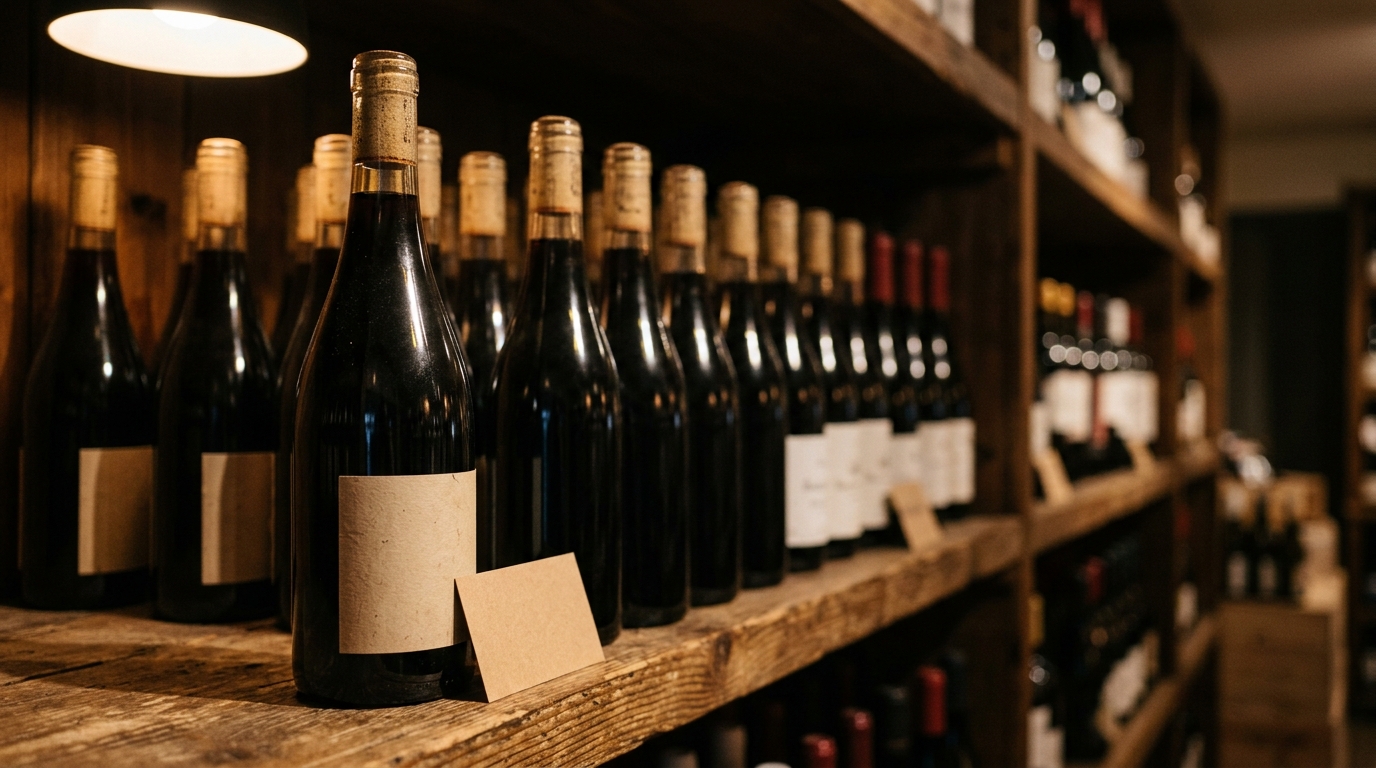
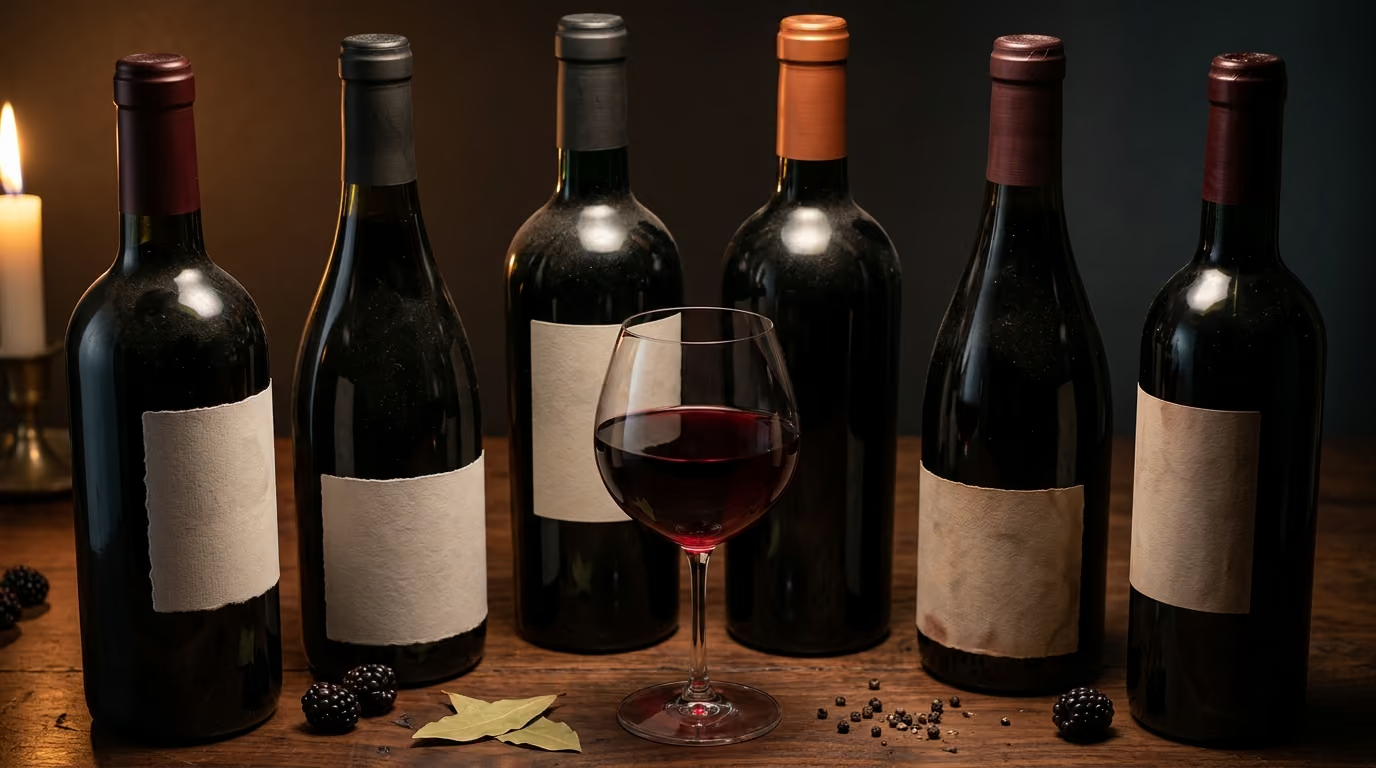
Spotting a blend on the shelf takes a little label literacy, because blends hide in plain sight. Sometimes the front label simply says "Red Blend" and moves on. Just as often, the wine wears a proprietary name with no grape listed at all, which is itself a strong hint that you are holding a blend rather than a single variety. When in doubt, turn the bottle around, since the back label often lists the grape percentages, such as 60 percent Cabernet Sauvignon and 40 percent Merlot. If you see two or more grapes named, or a region like Bordeaux or Châteauneuf-du-Pape that is legally defined as a blend, you have your answer. If squinting at a back label in a dim shop is not your idea of fun, this is one of the moments we built Sommy for. Point your phone at the bottle and Label Scan reads the blend for you, then Fit Check gives you an instant verdict on whether it suits your taste before it goes in the cart.
The trickiest part is that the label still will not tell you whether the wine matches your taste, and price is a poor proxy for that. A $12 bottle you love beats a $60 bottle you find harsh every single time. This is the gap that sends people home with wines they do not enjoy, and it is precisely the problem we built Sommy to solve, by learning what you actually like instead of what a critic scored.
Frequently asked questions
Is red blend a type of wine or just a category?
Red blend is a category rather than a single type, covering any red wine made from two or more grapes. Within that category you find everything from bone-dry, age-worthy Bordeaux blends to soft, sweet supermarket bottles, so knowing the word alone does not tell you the style.
Is red blend wine sweet?
Some are and most are not. Traditional blends from Europe are dry, while several well-known American brands are made in a deliberately sweet style, carrying noticeably more residual sugar. Reading the tasting notes for words like jammy or smooth is the quickest way to tell before you buy.
What is the difference between a red blend and a single-varietal wine?
A single-varietal wine is made mostly or entirely from one grape, such as Merlot, while a red blend combines two or more grapes on purpose. Blends aim for balance and consistency, whereas single varietals show off the character of one grape more purely.
What food goes best with red blend wine?
Dry red blends pair beautifully with rich, savory food like steak, lamb, braised beef, and aged cheese, where their tannin and dark fruit shine. Fruit-forward or sweeter blends are more flexible, working well with burgers, barbecue, pizza, and even spicy dishes.
How do I find a red blend I will actually like?
Start by deciding whether you prefer dry or sweet and lean toward that style, then match the wine's weight to your meal. To skip the guesswork entirely, tell Sommy what you have enjoyed before and let your Taste Profile point you to blends built for your taste.
Finding a red blend you will actually love
The honest takeaway is that "red blend" is less a flavor and more a family, one that stretches from serious dry Bordeaux to the sweet, smooth bottle your neighbor swears by. That range is a feature, not a bug, because it means there is almost certainly a red blend built for the way you like to drink. The trick is knowing which end of the family you are reaching toward before you buy, so you come home with a wine you were actually hoping for.
That is the whole reason we made Sommy. Instead of guessing from a shelf full of proprietary names, you can lean on your Taste Profile, the living picture of your palate that learns what you like as you go and steers you toward blends that fit. Next time a bottle catches your eye, scan it or ask Sommy in the chat, and let your own taste, not a stranger's score, decide whether it comes home with you. If you are just getting started, our roundup of easy-to-drink red wines is a friendly place to find your footing.