
You don't need a wine degree to win the cabernet sauvignon vs merlot decision. Cabernet Sauvignon, a full-bodied red with classic black currant notes, usually tastes bolder and drier, with a firmer, "grippy" finish. Merlot usually tastes softer and rounder, with an easier, smoother sip. So if you want a simple rule, choose Cabernet for big, rich meals, choose Merlot for comfort food and easy drinking.
This wine guide keeps it practical: what each wine feels like, how to choose wine fast, and a mini wine pairing guide for real life (restaurants, grocery aisles, weeknights).
Cabernet Sauvignon vs Merlot, wine explained simply
Cabernet Sauvignon and Merlot, two noble grapes, offer distinct experiences. Think of Cabernet Sauvignon as a leather jacket. It has structure, edges, and presence. Merlot is more like a well-worn sweater, still rich, but relaxed and friendly.
Here's the plain-language difference: Cabernet tends to bring higher tannin content (that drying mouthfeel, like strong black tea), thanks to its thick skins. Merlot tends to bring lower tannin content, which reads as smooth and plush. If you want a deeper refresher on the basics behind these differences, this quick explainer from Forbes on Cabernet vs Merlot is a helpful cross-check.
One more thing for wine tasting notes explained: "acidity levels" are the mouth-watering lift, like biting into a black cherry. "Body" is weight, like skim milk versus full-bodied hot cocoa. That's enough theory for choosing tonight's bottle.
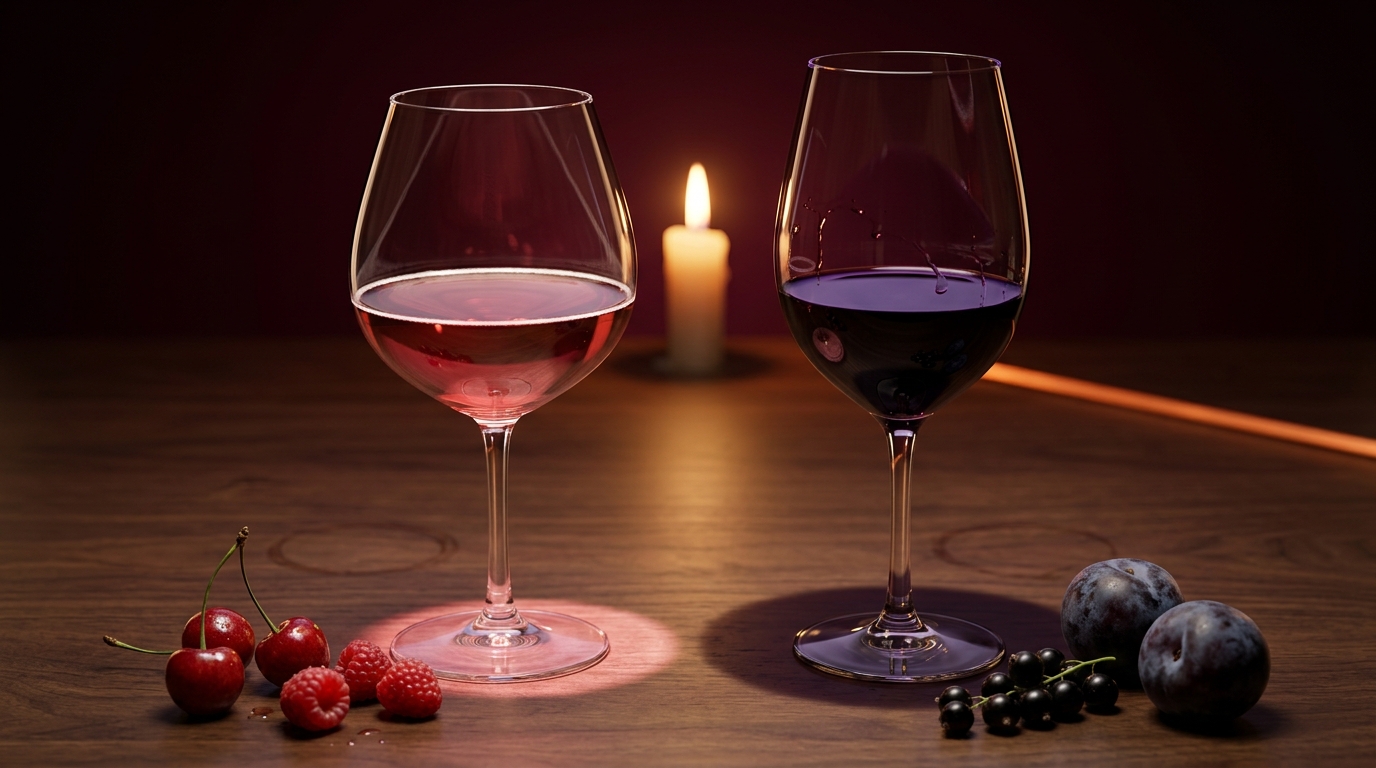
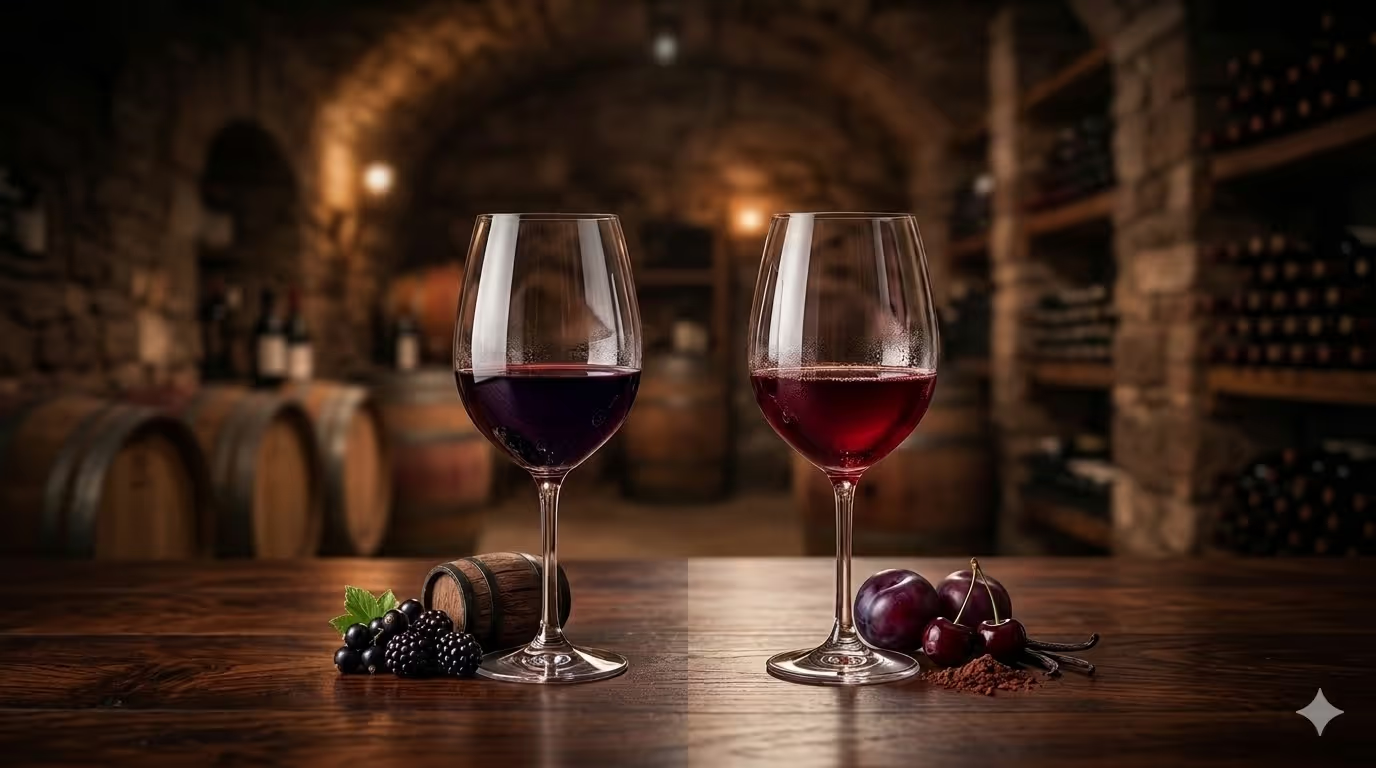
A side-by-side snapshot helps you decide without overthinking:
If tannin scares you, pick Merlot first. If you crave bold flavor, pick Cabernet.
That's the structure and taste of these wines explained simply. No swirl required.
How to choose wine fast (store or restaurant)
When the moment hits, the goal is clear wine recommendations, not perfect knowledge. Use this three-question filter. It works for grocery store wine picks and for restaurant wine tips.
First, ask: what are the food pairings? A steak, short ribs, or a creamy, rich sauce can handle Cabernet's grip. A lighter meal usually feels better with Merlot's softer shape. If you want a quick, calm framework, Sommy's guide on finding the best wine for dinner keeps it grounded in the meal, not the label.
Next, ask: how dry do you want it? If you hate that drying finish from high tannin content, often shaped by oak aging, Merlot is the safer bet. If you like the "firm handshake" feel, Cabernet fits.
Finally, ask: what's your mood and budget? Many wine drinkers seek Cabernet from Napa Valley for bold picks, or value-driven options from the Bordeaux region, where Left Bank blends emphasize Cabernet with excellent aging potential and Right Bank styles lean into softer Merlot. Your best choice is the one you'll enjoy right now. That's also where an AI wine assistant helps. Instead of guessing, you can scan a shelf or list and get smart wine recommendations based on what you like, what you're eating, and what you want to spend. In other words, it's a modern wine guide built for busy people.
At restaurants, confidence comes from a simple sentence. These are reliable wine list tips that don't sound rehearsed:
- "I'd like something smooth and medium-bodied, not too dry. Would you point me to a Merlot?"
- "We're having the steak. I want a bold Cabernet, but not super harsh."
That's friendly wine advice, and it keeps you in control.
If labels confuse you in the aisle, this quick primer on how to read wine labels helps you spot the few details that matter, without turning it into homework.
A practical food pairings guide for these two reds
Pairing doesn't need rules carved in stone. It's more like matching music to the room. Cabernet likes heavier, louder flavors. Merlot likes cozy, savory notes and doesn't demand the spotlight.
If you want a quick grounding on pairing basics, this beginner guide to wine pairings explains the idea in plain terms: match intensity, don't let one side bully the other.
Here are simple wine tips that work almost every time:
Cabernet Sauvignon usually wins with:
- grilled steak, burgers, brisket, peppery sauces that echo its tobacco and cedar notes
- aged cheeses (think sharper, saltier); dark chocolate
- anything with char, smoke, or deep browning
Merlot usually wins with:
- roast chicken, meatballs, mushroom dishes with savory notes
- pizza and pasta with tomato sauce highlighting red fruit
- weeknight meals where you want "easy red" energy
If you're hosting and want one bottle for mixed tastes, Merlot often keeps the peace. If your group loves bold reds, Cabernet makes the night feel bigger.

Photo by Brett Jordan
And if Cabernet is your lane, Sommy's guide to best Cabernet Sauvignon wines frames the choice in a way that feels calm: pick the style you're in the mood for, especially bottles with high aging potential that benefit from decanting, then narrow down from there.
When you want personalized wine picks, not homework
Most people don't need more facts. They need everyday wine advice that ends in a decision. That's why "Cabernet or Merlot?" is really "Do I want bold and grippy, or smooth and easy?" For wine drinkers seeking red fruit notes, it's "fruit-forward Cabernet Franc or Bordeaux blends?"
If you want help choosing in the moment, an AI wine assistant can turn your camera into quick clarity. Ask for personalized wine recommendations, get personalized wine picks that match your taste, and save favorites for next time. Those kinds of wine app suggestions reduce the stress at the exact moment it shows up. Call it smart wine picks, or just relief.
Conclusion
The bold battle of cabernet sauvignon vs merlot ends with one simple truth: your taste is the only "right" answer. In the Bordeaux region, Cabernet Sauvignon's longer ripening time in cool climate conditions builds higher tannin content and a firmer finish alongside black currant notes, suiting big meals and bold cravings. Merlot brings softer plum flavors as a key player in renowned Bordeaux blends, ideal for comfort and easy sipping. Use the three questions (food weight, dryness, mood) for instant wine recommendations. If you'd rather skip guessing, this is exactly the moment where an AI wine assistant can give calm, fast, clear wine recommendations you'll actually enjoy.