If you want wines like The Prisoner, the useful first step is deciding which part of it you like, because that bottle is doing three different things at once. The closest match made by the same winery is Saldo Zinfandel at $30, the cheapest way into the house style is Unshackled Red Blend at $22, and the closest thing to the original hand behind it is Orin Swift Abstract at $48, made by the man who created The Prisoner and later sold the label. Which of those three is right for you depends entirely on whether you're chasing the ripe fruit, the toasty oak, or the peppery Zinfandel backbone.
Most articles on this question hand you one flat list of bold red blends and hope something sticks. That works about as well as you'd expect, because two people who both love The Prisoner can love it for completely opposite reasons. So we've split the recommendations by the trait you're actually after, and every price below comes from the winery that makes the bottle rather than from one shop's shelf.
What Is The Prisoner, and Why Does It Taste That Way?
The Prisoner is a Zinfandel-led California red blend, and the blend itself explains most of what people love about it. The winery lists the 2024 Prisoner Red Blend at $45 and describes it as Zinfandel combined with Petite Sirah, Syrah, Cabernet Sauvignon, Merlot and Malbec.
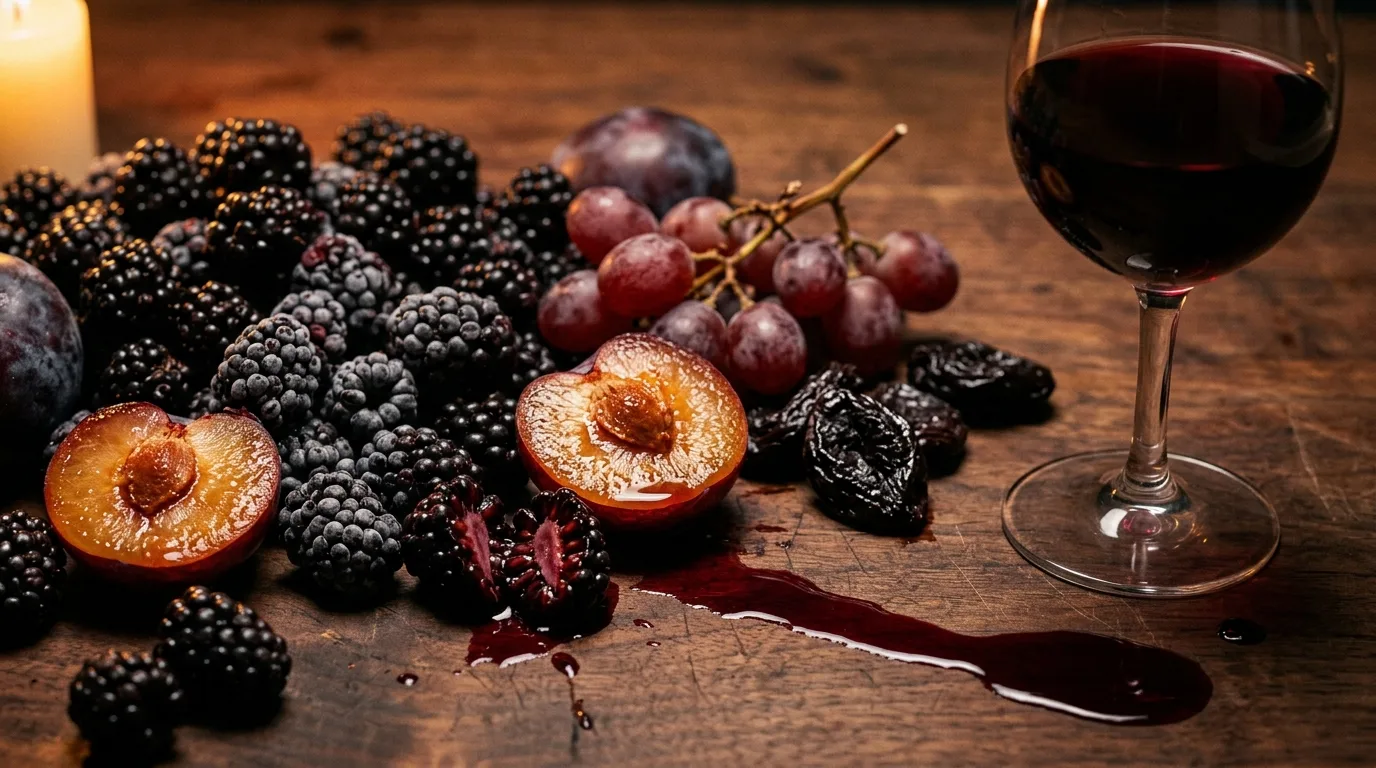
Those six grapes each pull the wine in a direction. Zinfandel brings the brambly red fruit and the black pepper. Petite Sirah brings the inky color and the dense, chewy texture that makes the wine feel heavy in the glass. Syrah adds smoke and more pepper, while the Cabernet, Merlot and Malbec fill in the middle and give the whole thing a rounder shape. The winery's own tasting note for that vintage runs through cranberry, blackberry, dried plum, caramelized vanilla, nutmeg and toasted coconut, then describes a soft mouthfeel with a smooth, luscious finish and what it calls an integrated sweet spice.
That last part matters more than anything else if you're shopping for a substitute. The vanilla, the nutmeg and the toasted coconut are oak flavours rather than grape flavours, and the sense of sweetness comes from very ripe fruit sitting on top of that oak. A wine can be made from exactly the same six grapes and taste nothing like The Prisoner if it's picked earlier or aged in older barrels. So matching the grape list alone will let you down, which is the same trap people fall into when they go looking for wines like Meiomi and end up with a bone-dry Pinot Noir.
Which Part of The Prisoner Do You Actually Like?
Three traits do the heavy lifting in this wine, and almost everyone who loves it is really loving one of them. Working out which one you're attached to turns a vague hunt into a short list of two or three bottles.
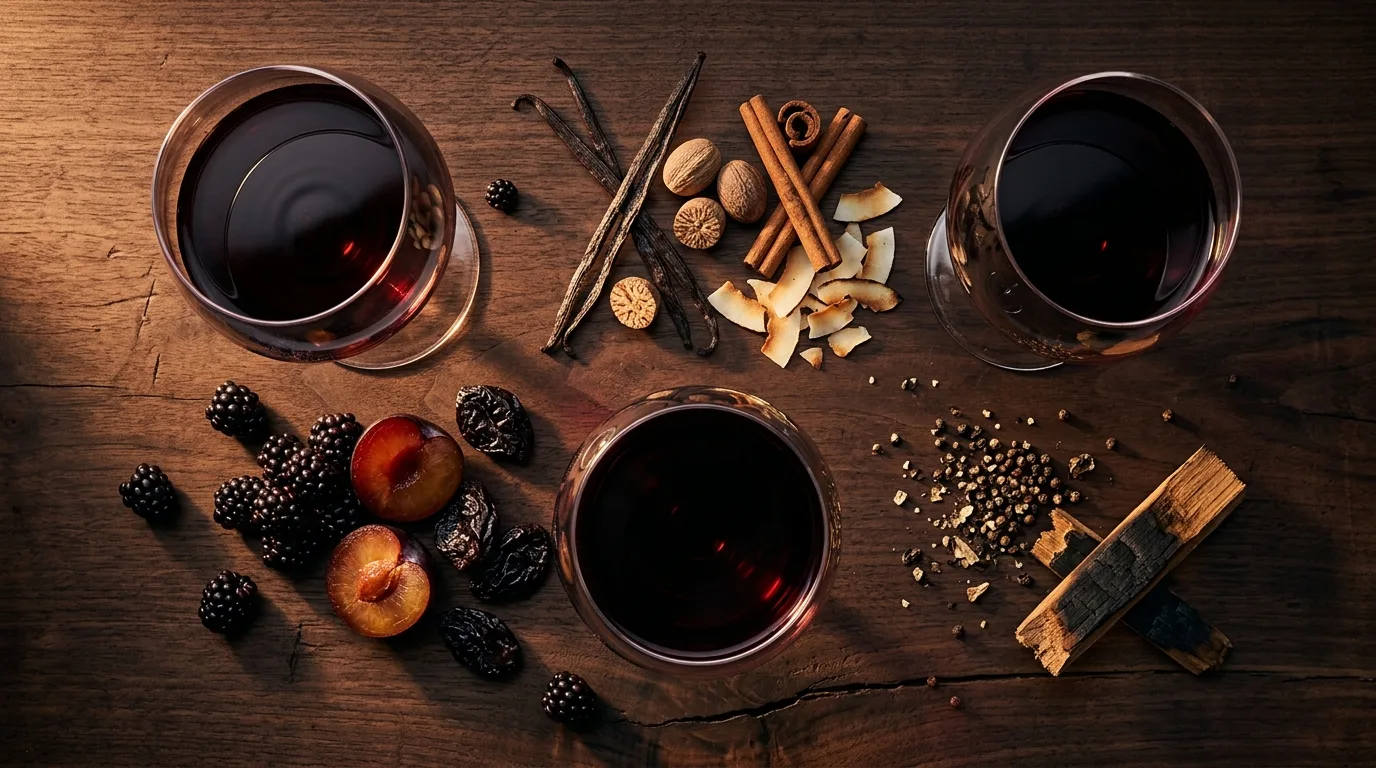
The first is the ripe, jammy, faintly sweet fruit. If the thing you'd miss is how round and forgiving it feels, and if dry, tannic reds have always struck you as hard work, then fruit ripeness is your trait and you should be shopping for softness rather than power. The second is the toasty weight, all that vanilla and coconut and the coating texture that comes from new oak. If you love how the wine fills your mouth and lingers, oak is what you're chasing. The third is the Zinfandel spine, the brambly fruit and the crack of black pepper underneath everything else. If the wine's spice is what keeps you coming back, a straight Zinfandel will get you closer than another blend will.
You can usually tell which camp you're in by thinking about the last wine that disappointed you. Someone who found a Napa Cabernet too austere is chasing fruit. Someone who found a Beaujolais too light and too tart is chasing oak and weight. Someone who liked The Prisoner but found it a touch too sweet is chasing the Zinfandel spice and would be happier with something drier and peppery. Understanding what a red blend actually is helps here too, because "red blend" on a label tells you almost nothing about which of those three traits is in the bottle.
What If You Love the Jammy, Sweet-Edged Fruit?
If ripeness and softness are what you're after, look for wines built the same way The Prisoner is built, with very ripe fruit and enough oak to round the edges off. Apothic Red is the obvious cheap entry point here and it's built on the same principle of ripe fruit plus a smooth, slightly sweet finish, which is why so many people move between the two.
Apothic sits at a very different price and it's a simpler wine, with less of the oak spice and none of the density that Petite Sirah gives The Prisoner. What it does share is the shape: soft, round, generous, with fruit that reads as sweet even though the wine is technically dry. If that shape is the thing you love, our breakdown of wines like Apothic Red covers that end of the range in more detail.
Unshackled Red Blend is the better pick if you want the softness without dropping all the way down in quality. The Prisoner Wine Company makes it, and the winery's note for the 2023 Unshackled Red Blend describes strawberry jam, prunes and plums with hints of vanilla, chocolate and toasted nuts, over a soft and round palate with lively acidity. That's the same family of flavours as the flagship, dialed back and priced at $22. The acidity is the part worth noticing, because it keeps the wine from feeling heavy the way some cheaper jammy reds do by the second glass.
What If You Love the Toasty, Oaky Weight?
If the vanilla, the coconut and the mouth-coating texture are what you'd miss, you're looking for wines with significant new oak and enough fruit concentration to carry it. This is the most expensive trait to chase, because new French and American barrels cost real money and that cost lands on the shelf price.
The honest answer at this end is that you'll need to spend close to what The Prisoner costs, or more. Orin Swift Abstract is the strongest option and we've given it its own section below, because the story behind it is the single most useful thing to know about this whole search. If you'd rather stay with a Cabernet-led wine that leans on the same toasty richness, the Wagner family's wines are worth a look, and our list of Caymus Cabernet alternatives works through that end of California in detail.
One thing worth saying plainly: a lot of cheaper wines chase this trait with oak chips or staves rather than barrels, and the result usually tastes like vanilla extract rather than toast. If you've ever picked up a $12 red blend that promised richness and delivered something faintly artificial, that's what happened. Oak is the one trait where trading down rarely works, so if toasty weight is your thing, it's better to drink The Prisoner less often than to keep buying disappointing substitutes.
What If You Love the Zinfandel Spice and Pepper?
If the brambly fruit and the black pepper are the reason you keep buying it, you want a straight Zinfandel rather than another blend. The blend is what softens and sweetens the wine, so removing it gets you a drier, spicier version of the thing you already like.
Saldo Zinfandel is the most direct answer available, and it comes from the same winery. The Prisoner Wine Company's note for the 2024 Saldo Zinfandel describes blackberries, dark chocolate, black pepper, cinnamon, coffee and prunes, with a soft mouthfeel and bright acidity, and lists the wine at $30. It's fermented in stainless steel and aged nine months in a mix of new American and French oak, which is why the pepper stays audible instead of being buried under vanilla the way it can be in the flagship.
Zinfandel and Syrah are the two grapes doing most of the spice work in The Prisoner, and they're easy to confuse when you're reading a shelf. If you want to get sharper about which of the two you actually prefer, our comparison of Syrah and Zinfandel lays out how differently they behave, and it's a genuinely useful distinction once you start shopping by grape rather than by label.
Does The Prisoner's Own Winery Make Anything Cheaper?
It does, and this is the part almost every other list on this topic skips. The Prisoner Wine Company makes several wines besides the flagship, and two of them get you a long way into the house style for less than half the price.
Unshackled Red Blend at $22 is the cheapest route in, and Saldo Zinfandel at $30 is the closest in character to what makes the flagship distinctive. Both come from the same winemaking team, which means they share an approach to ripeness and oak that you simply won't find by picking another producer's red blend at random. If your real question is how to keep drinking something like The Prisoner without spending $45 every time, those two bottles answer it more reliably than anything else in this article.
The winery also lists a Prisoner Chardonnay at $30, a Sonoma Coast Pinot Noir at $45 and a Napa Cabernet Sauvignon at $60, along with several bottlings well above that. Those are worth knowing about mainly so you don't buy one expecting the flagship's flavour, because a Chardonnay made by the same house is still a Chardonnay. The house style shows up as texture and generosity rather than as a specific taste you can transplant across colors.
What Did the Man Who Invented The Prisoner Do Next?
He founded a different winery and kept making wine in the same spirit, which makes his bottles the closest thing to the original hand behind The Prisoner. Dave Phinney started Orin Swift Cellars in 1998, and the winery's own timeline records that in 2000 he mixed a batch of his best lots together to produce his first big hit, The Prisoner, then sold the label in 2008.
That's the single most useful fact in this search and hardly anyone states it plainly. The Prisoner you buy today is made by a different company from the one that invented it, and the person who invented it has spent the years since building a separate range of wines with the same taste for ripeness, oak and heavy bottles. Orin Swift released Abstract in 2010, and the winery currently lists the 2024 Abstract California Red at $48.
Worth being clear about the money here, because several other lists get this wrong by quoting one shop's discount. At $48 from the winery, Abstract costs more than The Prisoner's $45, so this is a sideways move rather than a saving. What you get for it is the closest available answer to "who else makes wine like this", which is a different question from "how do I pay less". Phinney's range extends well past Abstract into considerably more expensive bottles, so treat Abstract as the entry point rather than the whole story.
How Much Should You Expect to Pay?
Between roughly $12 and $50, depending on which trait you're chasing and how closely you want it matched. The table below uses winery list prices, which are the most stable number available, though a supermarket or warehouse club will often beat them.
| Bottle | Winery price | Best for |
|---|---|---|
| Unshackled Red Blend | $22 | The house style, cheapest way in |
| Saldo Zinfandel | $30 | The peppery Zinfandel backbone |
| The Prisoner Red Blend | $45 | The original, all three traits at once |
| Orin Swift Abstract | $48 | The same winemaker's hand |
The pattern worth taking from that table is that the money buys density rather than flavour. Unshackled and Saldo taste recognizably related to the flagship, and what the extra $15 to $25 gets you is concentration, a longer finish and more oak. If you're pouring for a crowd on a Tuesday, the cheaper two do the job honestly. If you're opening one bottle that has to carry a dinner, the extra spend is doing something real.
It's also worth saying that no bottle here is a clone, and anyone promising you one is guessing. The Prisoner's particular combination of six grapes, heavy new oak and very ripe fruit is unusual enough that the closest matches still taste like themselves. What these bottles give you is the same shape rather than the same wine, and once you know which trait you're matching, that's usually enough.
Frequently Asked Questions
What wine is similar to The Prisoner Red Blend?
Saldo Zinfandel at $30 is the closest, because The Prisoner Wine Company makes both and Saldo isolates the Zinfandel character that leads the flagship blend. If you want a blend rather than a single grape, Unshackled Red Blend at $22 comes from the same house and shares its soft, ripe, lightly oaked style.
Is there a cheaper wine like The Prisoner?
Unshackled Red Blend at $22 is made by the same winery and is the most reliable cheaper option. Below that, Apothic Red shares the ripe and softly sweet shape at a much lower price, though it's a simpler wine with far less oak spice and none of the density.
Who makes a wine like The Prisoner?
Two answers are worth knowing here. The Prisoner Wine Company itself makes Saldo and Unshackled in the same style, and Dave Phinney, who created The Prisoner in 2000 and sold the label in 2008, now makes Orin Swift wines including Abstract at $48.
Is The Prisoner wine worth the price?
That depends on which of its three traits you care about. If you love the new oak and the density, $45 buys something genuinely hard to find cheaper, since barrel aging is expensive and cheap imitations tend to taste artificial. If you mostly love the soft ripe fruit, Unshackled at $22 gets you most of the way there and the extra money is less well spent.
Is The Prisoner a sweet wine?
It's made as a dry wine, but very ripe fruit and heavy oak give it an impression of sweetness that many drinkers read as sweet. The winery's own tasting note describes an integrated sweet spice alongside cranberry, blackberry and dried plum, which is a fair description of how it lands.
What grapes are in The Prisoner?
The 2024 vintage is Zinfandel blended with Petite Sirah, Syrah, Cabernet Sauvignon, Merlot and Malbec, according to the winery. Zinfandel leads and sets the brambly, peppery character, while Petite Sirah supplies most of the color and the dense texture.
Where to Start Tonight
Pick the trait first and the bottle second, because that single decision does more work than any list of recommendations. If you want the house style for less money, open Unshackled at $22. If the pepper and the brambly fruit are what you love, Saldo at $30 is the sharpest answer available. If you want to taste what the original winemaker does now, Abstract at $48 is where that story continues.
The awkward truth about all of this is that we're describing an average palate rather than yours. Everything above rests on how The Prisoner tends to taste and how most people respond to it, which is the best an article can do when it doesn't know who's reading. Sommy's Find Similar works the other way around, starting from a bottle you already name and using what you've rated to work out which of its qualities you're actually responding to, so the next recommendation matches you rather than the average.