If you like Josh Cellars Cabernet Sauvignon, the closest bottles to reach for next are Bogle Cabernet Sauvignon at $12, 14 Hands Cabernet Sauvignon from Washington, and Decoy California Cabernet Sauvignon at $25 when you feel like spending a bit more. Each one keeps the three things that make Josh so easy to pour on a Tuesday, which are ripe dark fruit, a soft finish, and a vanilla sweetness that comes from oak rather than from sugar. Most recommendation lists send you toward a more serious Cabernet instead, and plenty of serious Cabernet tastes lean and sharp to someone who genuinely enjoys Josh. Match the style first, then worry about the price.
What does Josh Cabernet actually taste like?
Josh Cellars Cabernet Sauvignon tastes round and juicy, with dark berry fruit and a warm baking-spice sweetness sitting over the top of it. The winery's own tasting note lists blackberry, toasted hazelnut and cinnamon, along with hints of vanilla and toasted oak, and that description is a fair account of what lands in your glass. A bottle runs $17.99 on the Josh Cellars website, though most people pay less than that for it in a supermarket.
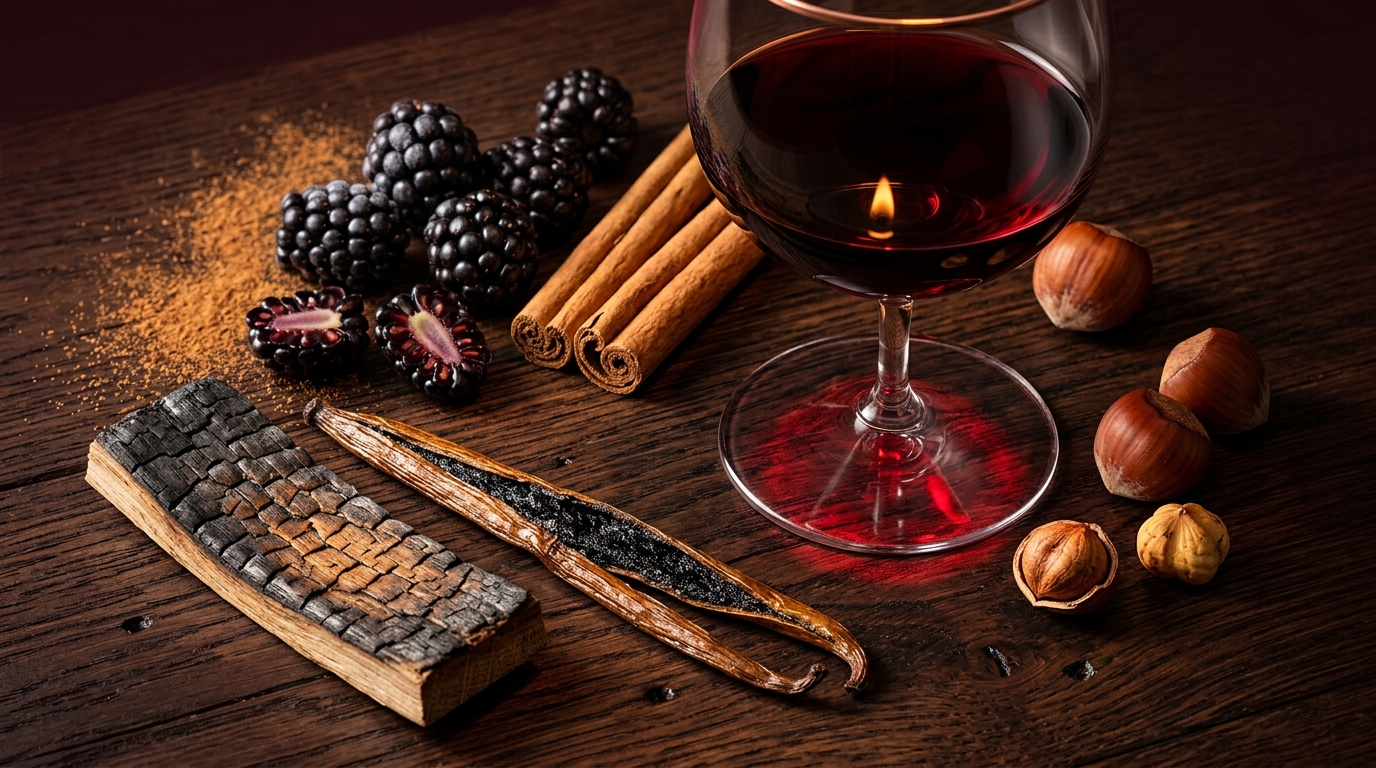
Two of those flavors are doing most of the work, and neither of them is fruit. Vanilla and toasted oak come from the barrels the wine rests in, not from the grapes, and they're the reason the wine feels gentle and faintly sweet even though it's made as a dry red. This matters more than it sounds. When somebody who drinks Josh tries a well-reviewed Cabernet and quietly hates it, oak sweetness is usually the thing that went missing.
The other half of the appeal is texture. Josh goes down without any of the drying grip that makes some big reds feel like work, which comes down to how its tannins are handled. Tannin is that furry, mouth-drying sensation you get from strong black tea, and a wine with lots of it can taste severe if you weren't expecting it. Josh keeps that sensation low and soft, so the wine finishes smooth instead of firm.
Put those pieces together and you get a useful description to shop with. You're looking for a ripe, dark-fruited Cabernet with obvious oak sweetness and a soft finish, made to a consistent recipe every single year. That's a real style, and once you can name it you can find it on almost any shelf. If you want the wider picture of the grape itself, our Cabernet Sauvignon taste guide covers how the same grape swings from soft and plush to firm and savory depending on where it grows.
Which wines taste closest to Josh Cabernet?
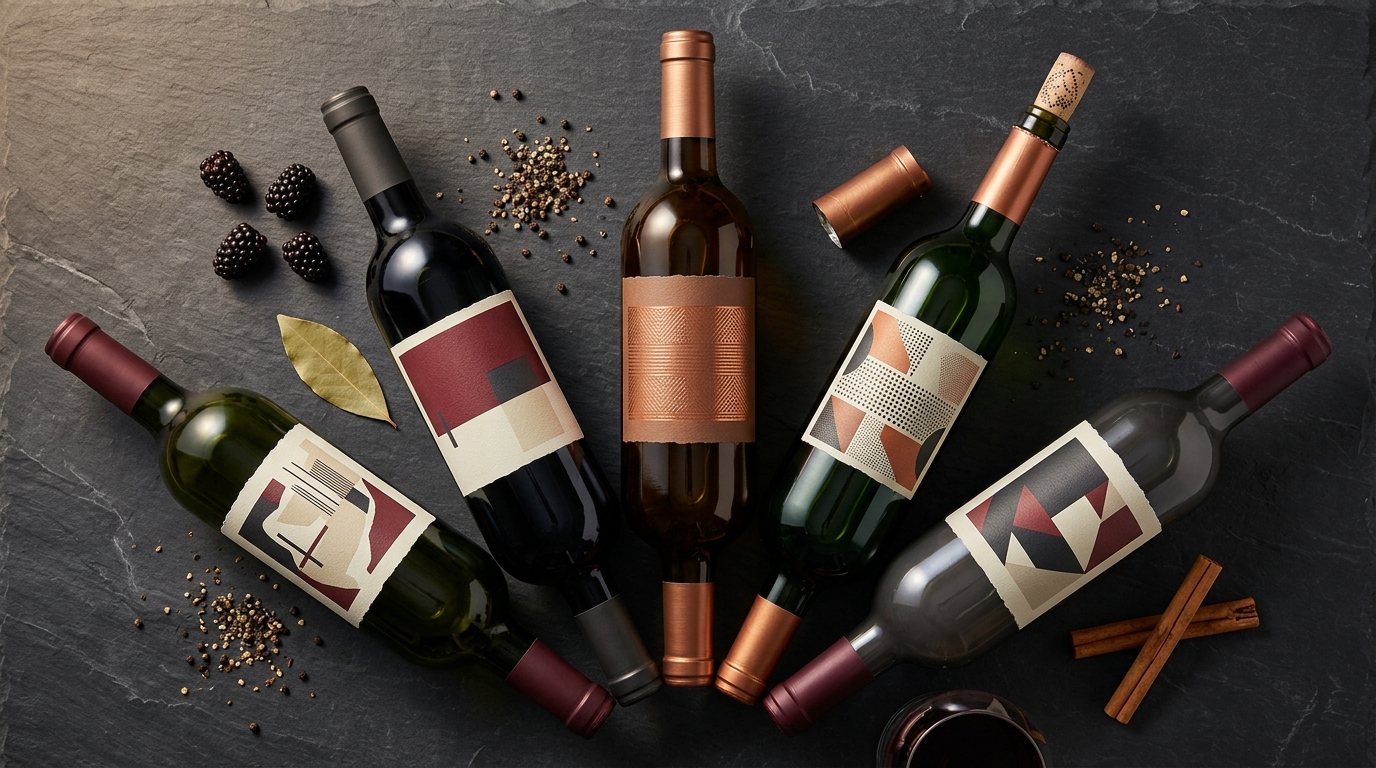
Bogle Cabernet Sauvignon is the closest match at a similar price, with 14 Hands and Decoy covering the two directions you're most likely to want next. All three are built around ripe dark fruit and oak rather than around structure and acidity, which is exactly why they suit a Josh drinker.
| Bottle | What it keeps from Josh | What changes | Price |
|---|---|---|---|
| Bogle Cabernet Sauvignon | Ripe fruit, sweet oak spice | A little more grip underneath | $12.00 |
| 14 Hands Cabernet Sauvignon | Juicy dark fruit, soft tannin | A coffee note, slightly lighter feel | Varies by store |
| Decoy California Cabernet Sauvignon | Creamy texture, toasty oak | Brighter acidity, more polish | $25.00 |
| Josh Reserve Bourbon Barrel Aged | The same wine underneath | Two more months in charred bourbon barrels | $22.99 |
| Josh Reserve Paso Robles | The house style you already know | Warmer, riper fruit from Paso Robles | $22.99 |
Bogle Cabernet Sauvignon is where I'd start, and at $12.00 from the winery it usually costs less than Josh does. Bogle describes it as cherry, plum and currant with hints of clove, nutmeg and burnt caramel from aging in American oak barrels, and American oak is the specific detail that makes this work. American barrels push sweeter, more obvious vanilla and coconut flavors than French ones do, so this is the same kind of sweetness Josh drinkers are attached to. The family has been making wine in Clarksburg, California for more than fifty years, and this bottle turns up in almost every grocery chain worth the name.
14 Hands Cabernet Sauvignon comes from Washington's Columbia Valley, and it's the pick when you want a change of scenery without a change of style. The winery calls it rich and juicy, with dark cherry, black currant and coffee, plus refined tannins and a touch of oak, and it sits at 13.5% alcohol. That coffee note is the interesting part, because it gives you something a little darker and more savory to chew on while the soft texture stays where you want it. Washington Cabernet in general tends to hold onto ripe fruit while carrying slightly more freshness than California, which makes it a gentle way to widen your range.
Decoy California Cabernet Sauvignon at $25.00 is the one to buy when the occasion deserves a nicer bottle. Decoy was started more than thirty years ago by Dan and Margaret Duckhorn, so this is a Napa family's everyday label rather than a supermarket brand built from scratch. The current release leads with dark cherry, raspberry, baking spice, cola and subtle toasty oak, then delivers juicy blackberry with silky tannins and a smooth, creamy texture. It's noticeably more polished than Josh without abandoning the plush feel, and the brighter acidity means it does more for your dinner.
Worth knowing where the ceiling is on this. If you're shopping considerably further up, our guide to Caymus Cabernet alternatives picks up where this list stops, and the bottles there answer a different question about a much bigger budget.
What if you want to stay with Josh and just drink better?
Josh Cellars makes two Reserve Cabernets at $22.99 that solve this without asking you to learn a new label, and almost nobody writing about Josh alternatives bothers to mention them. Staying inside a brand you already trust is a perfectly reasonable way to trade up.
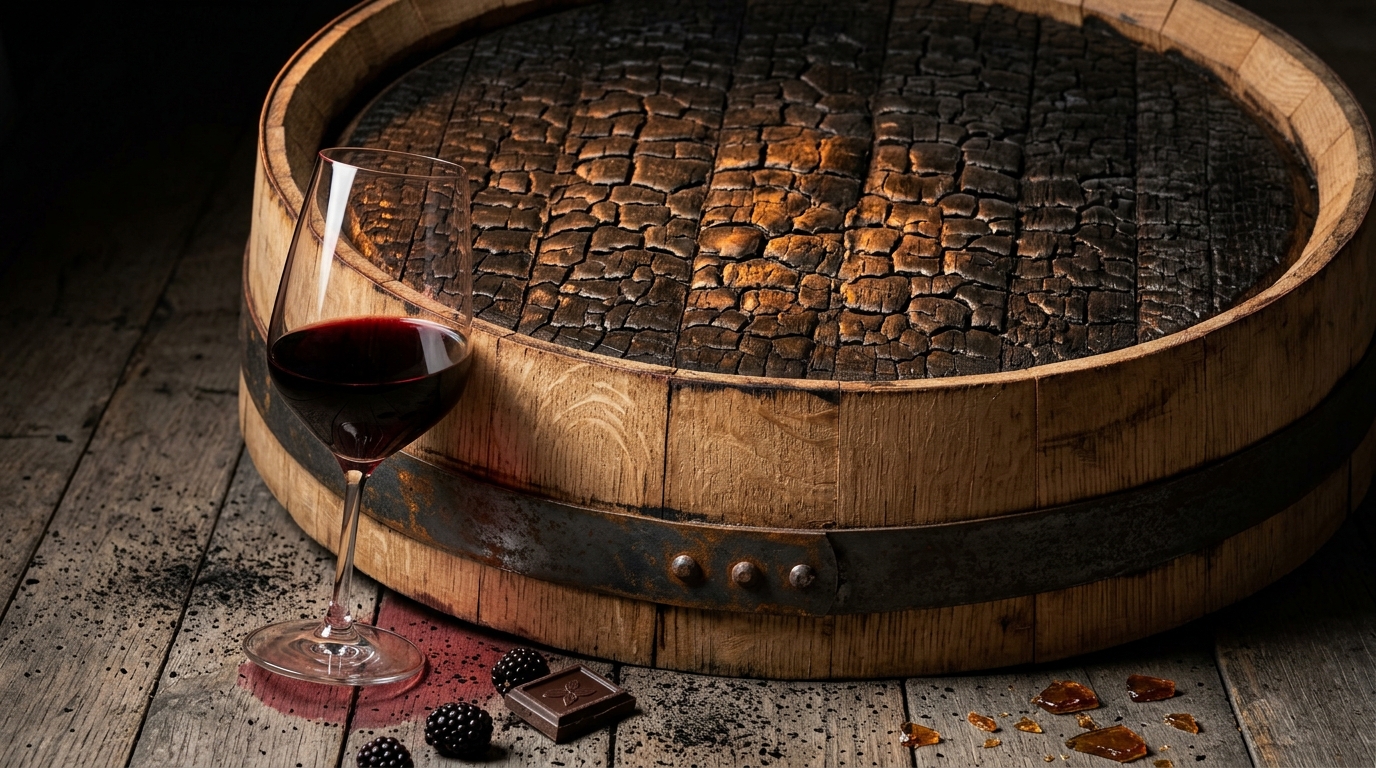
The Bourbon Barrel Aged Cabernet Sauvignon is the clearest upgrade, because it's literally the wine you already drink with more work done to it. Josh takes its standard Cabernet and ages it for two extra months in charred bourbon barrels, which pushes the flavors toward blackberry, dark chocolate, vanilla, coffee and burnt toffee, with brown spice and caramel arriving alongside ripe plum. If the vanilla and caramel side of Josh is the part you actually love, this is the most direct way to get more of it for five dollars more.
The Reserve Paso Robles Cabernet Sauvignon takes the other route, keeping the house style but sourcing fruit from a single warm region south of Napa. Paso Robles ripens fruit generously, so expect a fuller, riper version of the same idea rather than a leaner or more serious one.
One practical note before you go looking. Josh Cellars is ending direct wine shipping from its own website on September 17, so these Reserve bottles are worth hunting down through a local shop rather than planning to order them from the winery later.
How do you spot a Josh-style Cabernet on any shelf?
Read the back label for four things: dark fruit, vanilla or oak, a soft or smooth finish, and California or Washington as the origin. Those four cues will find you a Josh-adjacent bottle in a store that has never heard of any wine on this page, which is far more useful than memorizing five brand names.
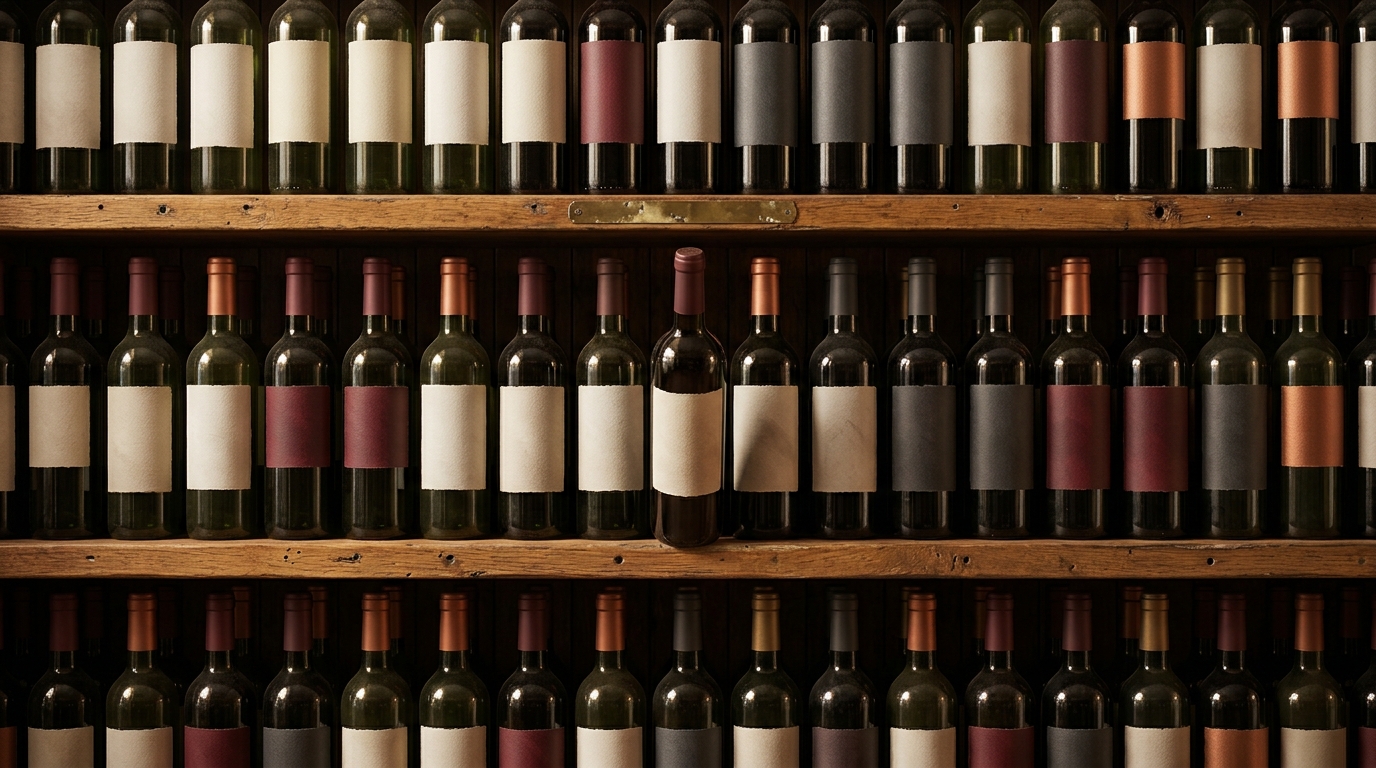
The words that should make you put a bottle back are just as helpful. Lean, earthy, herbal, savory, firm, structured and high-acid are all honest descriptions of good wine, and all of them point away from the style you enjoy. The same goes for a couple of specific origins, since a classic Bordeaux or a traditional Chianti is built on savory flavors and firm grip rather than on sweet oak and plush fruit. Nothing is wrong with those wines, they're simply answering a question you didn't ask.
Price deserves a sentence too, because it misleads people constantly. Paying $40 instead of $15 usually buys you concentration, structure and a sense of place, and structure is the exact quality a Josh drinker tends to enjoy least. That's why an expensive Napa Cabernet can feel like a downgrade at your own kitchen table. Spend more when you want a better version of your style, not when you want to be told your style is wrong. If grocery-store Cabernet is your usual hunting ground, our look at Kirkland Signature Cabernet Sauvignon applies the same test to another bottle you'll see constantly.
There's one more shortcut for the moment you're actually standing in the aisle with none of these five bottles in front of you. Sommy's Find Similar does this job from the other end: you name the bottle you already like, in this case Josh, and it surfaces wines built like it by grape, region and character, so you're comparing against your own reference point rather than against a stranger's top ten.
What should you ask for at a wine shop or a restaurant?
Name the wine you drink and the direction you want to move in, because that single sentence tells staff more than any amount of tasting vocabulary. Try this: "I usually drink Josh Cabernet and I like how smooth it is, what's similar but a little better?" Anyone who works with wine can answer that immediately.
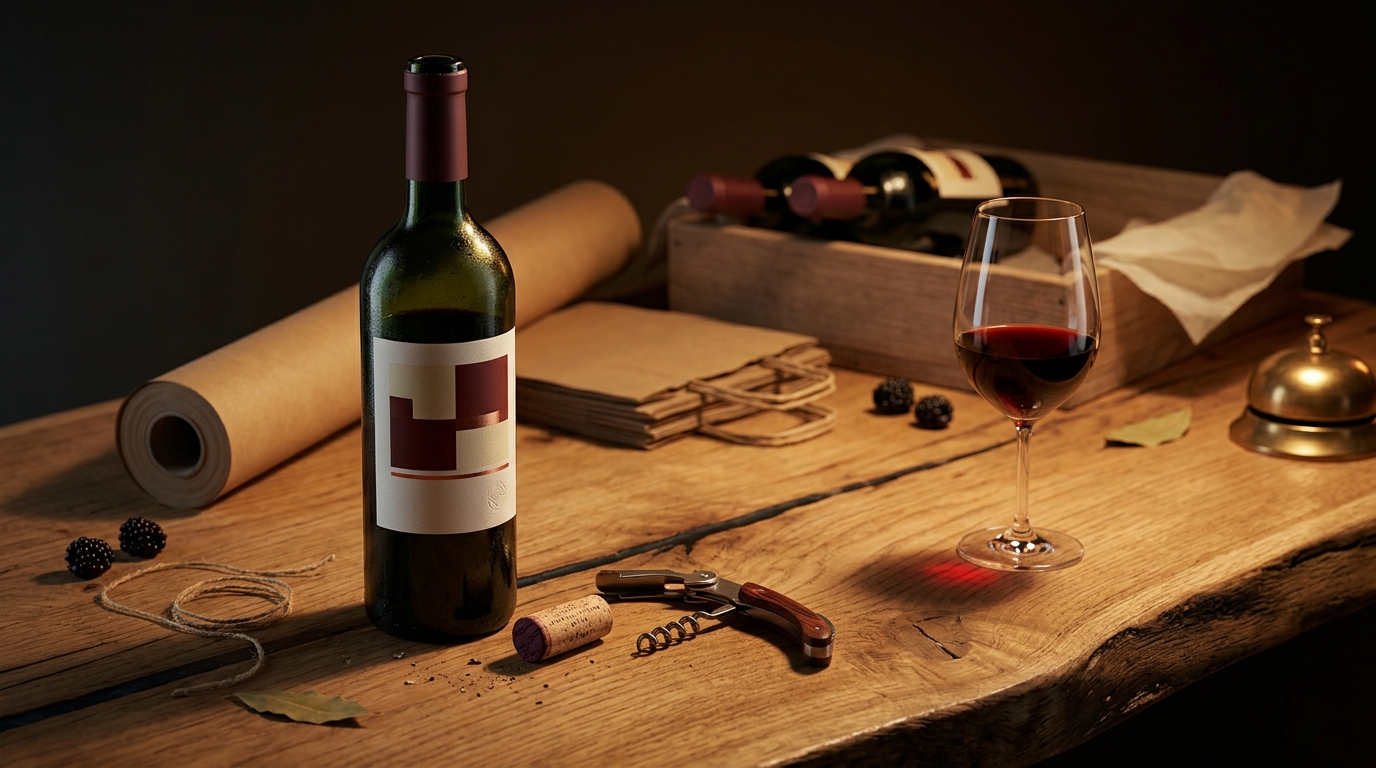
Adding a price makes it land even better. Saying you want to spend around $20 saves everyone the awkward dance where they guess your budget and you politely reject three bottles in a row. If you want to be more specific about style, the useful words are smooth, fruit-forward and oaky, and the useful warning is that you'd rather avoid anything dry and tannic. That's the whole vocabulary you need.
Restaurants work the same way with one wrinkle, which is that the list rarely tells you enough. When every by-the-glass red is a mystery, ask whether the Cabernet drinks soft and fruity or lean and dry, and order accordingly. Servers answer that question happily, and it takes about four seconds. If the sweetness is really the part you're chasing, our guide to wines like Apothic Red covers the softer, sweeter end of the red wine aisle in more detail.
Frequently asked questions
What wine is similar to Josh Cabernet Sauvignon?
Bogle Cabernet Sauvignon at $12.00 is the closest everyday match, since it shares the ripe dark fruit and the sweet American-oak spice that define Josh. 14 Hands Cabernet Sauvignon from Washington is the next best swap, and Decoy California Cabernet Sauvignon at $25.00 is the step up when you want the same plush style with more polish.
Is Josh Cabernet dry or sweet?
Josh Cellars Cabernet Sauvignon is made as a dry red wine, but it often reads as slightly sweet because of the ripe fruit and the vanilla and toasted oak the winery names in its own tasting note. Oak-derived vanilla and caramel flavors fool the palate into registering sweetness, which is why the wine feels softer and rounder than most Cabernet at the price.
Is Josh considered cheap wine?
It sits in the middle of the everyday range rather than at the bottom, listing at $17.99 on the winery's site and usually costing less than that in supermarkets. Genuinely cheap Cabernet tends to live under $10, so Josh is priced as an accessible brand rather than a bargain one.
Is Josh wine considered a good wine?
It's good at the specific job it sets out to do, which is tasting the same every year and pleasing almost everyone at the table. Wine people sometimes dismiss it for being predictable, though consistency is a real achievement at this price and a perfectly good reason to keep buying it.
What type of wine is Josh wine?
Josh Cellars is a California wine brand owned by Deutsch Family Wine & Spirits, and it makes a broad range that includes Cabernet Sauvignon, Merlot, Pinot Noir, Chardonnay and Sauvignon Blanc. The Cabernet Sauvignon is the bottle that built the brand and remains the one most people mean when they say they drink Josh.
Do I need to spend more than $25 to beat Josh?
No, and spending more can easily backfire if you buy a firmer, drier style than the one you like. Bogle costs less than Josh and matches it closely, which makes a strong case that fit matters more than price at this end of the shelf.
Where to take this next
The useful takeaway isn't a shopping list, it's knowing that you like soft, oaky, fruit-forward Cabernet and being able to say so out loud. That description works in any shop, on any wine list, in any country, long after you've forgotten which five bottles some article recommended. Josh happens to be a well-made example of that style rather than the only one.
So start with Bogle if you want to spend the same money, move to Decoy when the dinner deserves it, and try the Josh Reserve Bourbon Barrel Aged bottle if the vanilla and caramel side is what you're really in it for. Buy two of them at once and drink them a week apart. Comparing them against a bottle you already know is the fastest way to work out what you actually want, and it beats reading another list of recommendations from someone who's never met you.