
If red wine always tastes bitter to you, it's usually not the "red" part. It's wine tannins and how they feel on your tongue. The fix isn't suffering through big Cabernets, it's choosing smoother styles and using a few simple tricks that make tannins behave.
This is a wine guide for people who want wine explained simply: what tannins are, why their astringency creates that harsh mouthfeel, and what to order instead, at a restaurant or in a grocery aisle.
Tannins aren't a flavor, they're a feeling (like strong tea)
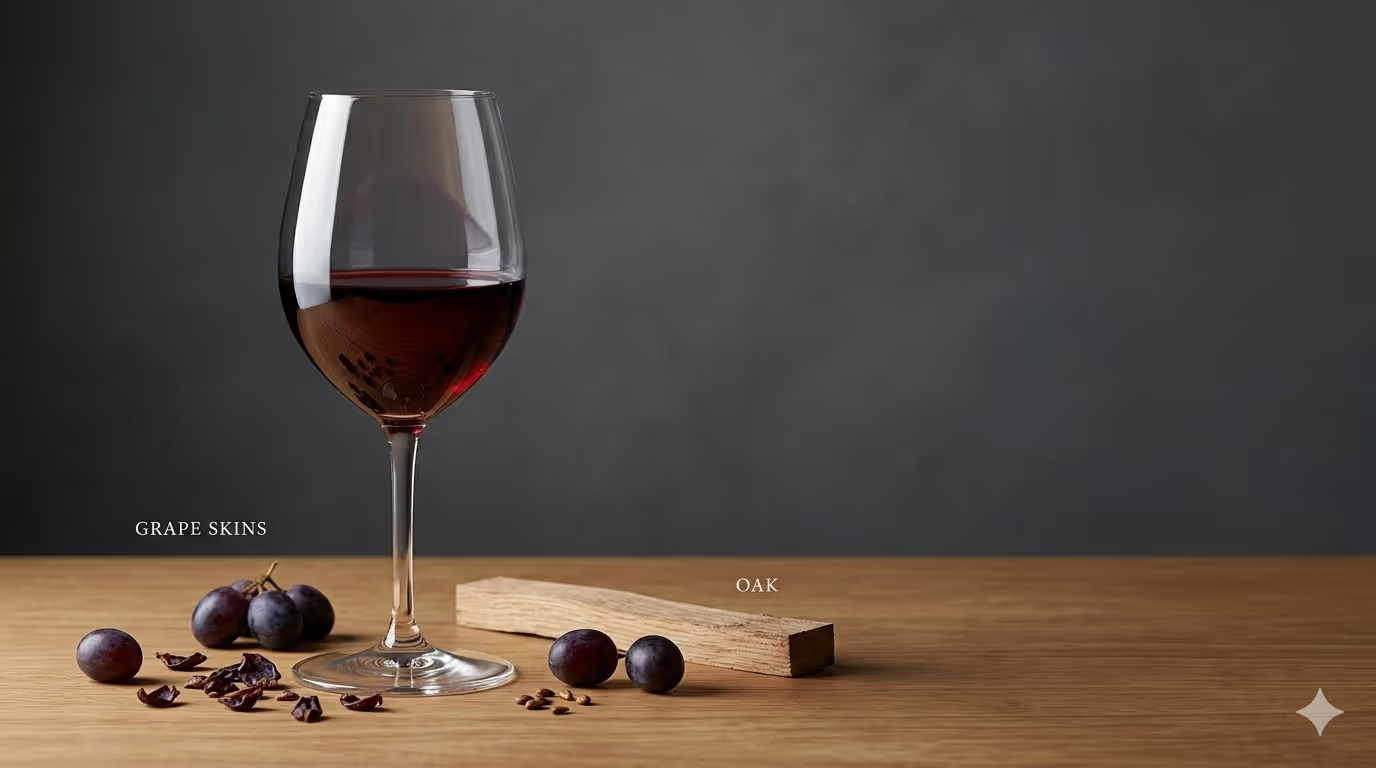
Wine tannins are polyphenols and phenolic compounds that come mainly from grape skins, grape seeds, and grape stems (and sometimes oak). You don't "taste" wine tannins the way you taste cherry or vanilla. You feel them.
Think of over-steeped black tea. That drying, fuzzy, slightly rough grip on your gums is tannin astringency. It happens when wine tannins bind to saliva proteins, altering your mouthfeel. Red wine can do the same thing, while white wine has fewer tannins due to limited skin contact and maceration during the fermentation process.
Here's the part most people miss: wine tannins often get blamed for bitterness. Yet bitterness is more like a sharp flavor edge, while tannins are more like sandpaper texture. When a red feels both bitter and drying, your brain lumps it together as "ugh, bitter red."
If a red makes your mouth feel dry, that's tannin. If it tastes like a burnt bite, that's bitterness. They can show up together, but they're not the same.
So where do tannins come from?

More skin contact usually means more tannin from grape skins. Thick-skinned grapes like Cabernet Sauvignon often feel firmer and add significant wine structure. New oak can contribute extra structure too. Time can soften tannins, but that doesn't help you when you're ordering tonight.
If you want wine tasting notes explained in a way that's useful, translate "tannic" into "grippy and drying," and translate "smooth" into "low-tannin or well-softened."
For quick context on which reds tend to be gentler, this list of low-tannin red wine varieties is a handy reference.
How to choose wine when you hate tannins (store and restaurant)
You don't need to memorize regions. You need a small decision filter you can use anywhere. Here's how to choose red wine when you want options with the friendly wine structure you prefer, not punishing wine tannins.
First, decide what you're trying to avoid: mouth-drying grip. Then choose one of these paths.
A quick comparison helps when you're scanning a shelf or list:
What you wantWhat it usually feels likeEasy examples to look forLow tannin winesSmooth, easy, "silky"Pinot Noir, Gamay (Beaujolais), GrenacheHigh tannin winesDrying, firm, "grippy"Cabernet Sauvignon, Nebbiolo, Tannat, young Syrah
The takeaway: if Cabernet Sauvignon keeps burning you, stop treating it like the default red wine.
Now, use these simple wine tips in the moment for low tannin wines and to dodge high tannin wines:
At a restaurant (restaurant wine tips + wine list tips)
Say what you don't want, in normal words. Try: "We want a red wine that's smooth, not drying." That single line beats pretending you love wine tannins. Or, if wine tannins in reds feel too much, a crisp white wine offers zero astringency.
If you're eating pork and want a safer red, this guide on gentle tannins with roasts lines up smooth choices without turning it into homework.
At the store (grocery store wine picks)
Ignore the fancy label story. Look for the grape name you recognize and aim lighter. Pinot Noir and Gamay are often the fastest low tannin wines shortcut.
If decision anxiety hits hard, a simple map helps. This low tannin wines chart is built for quick choices, not wine theory.
If you want clear wine recommendations without guessing, this is also where an AI wine assistant can help. Sommy gives smart wine recommendations and personalized wine picks based on what you actually like, not what you're "supposed" to like. It's the calm option when the wine list feels like a test.
For more "order-this-not-that" ideas, reds to drink if you hate tannins is a useful read before your next dinner out.
Make tannins feel softer fast (without changing who you are)
Sometimes you can't avoid wine tannins. Maybe your friend already opened the bottle. Maybe the only by-the-glass option is a bold red wine. Good news: you can often make wine tannins feel less harsh, easing that puckering sensation in minutes.

Start with the easiest wins:
Let it breathe. A quick splash into a decanter or even a wide glass can calm the grip from wine tannins in grape skins, grape seeds, or wood tannins from oak barrels. Swirl it, give it 10 to 20 minutes; this promotes a bit of oxidation and early polymerization, mimicking the aging potential that softens astringency over time.
Cool it slightly. A short chill (10 minutes in the fridge) can make a red wine feel tighter in aroma, but often less aggressive overall, especially if it tasted hot or sharp.
Most importantly, use food. This is where tannins stop acting like bullies.
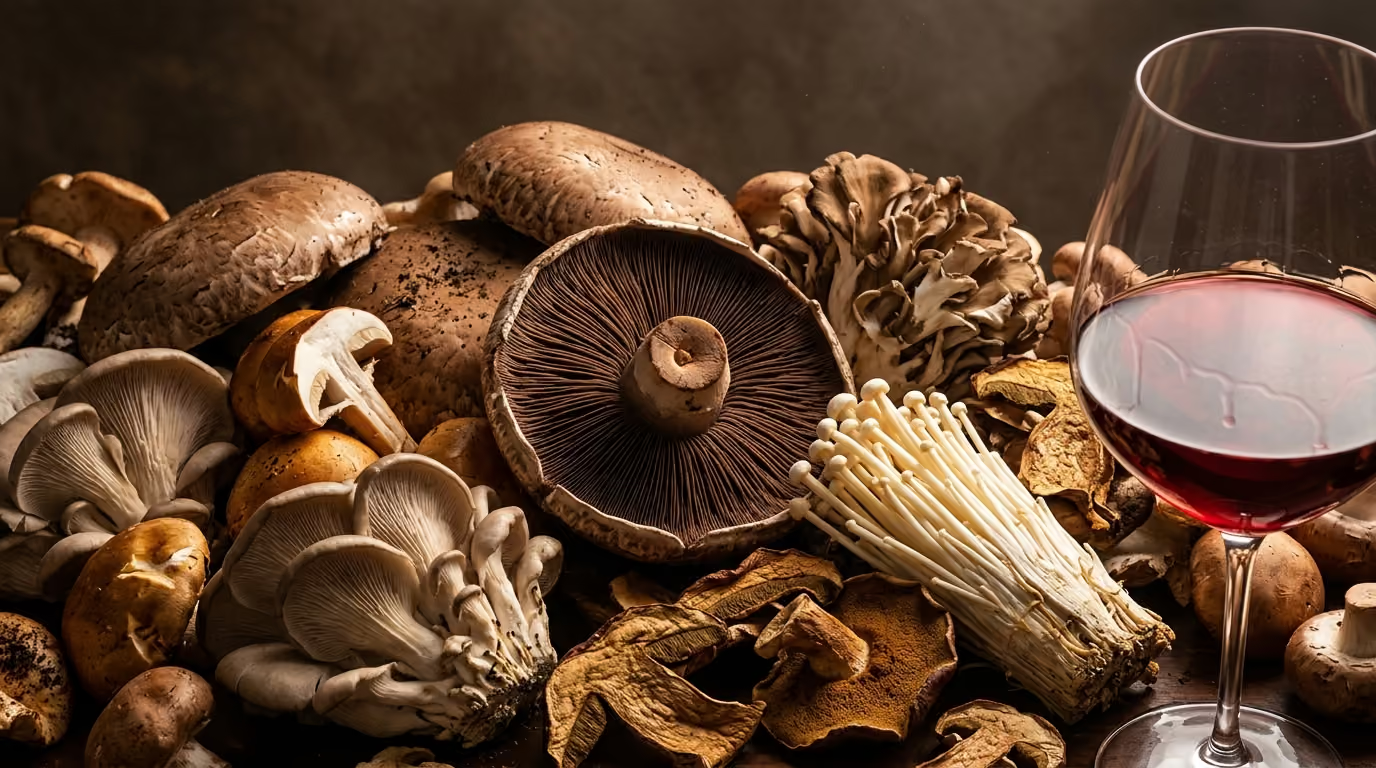
A simple food pairing guide rule: protein and fat soften tannins. Fatty foods like steak, burgers, creamy pasta, mushrooms sautéed in butter, and aged cheeses can make the same red feel smoother. That's because tannins bind more happily to food than to your mouth, while the antioxidants from grape skins and grape seeds play a supporting role.
If you want a broader framework that stays practical, this Sommy post on match tannins to meals keeps food pairing simple and stress-free.
Gotcha: spicy heat and high tannin often clash. If your meal is spicy, go lower-tannin and fruitier, or switch to a chillable red.
When you're buying for the week, aim for "smooth red" habits that stick. Keep a short mental list (Pinot Noir, Gamay, Grenache), and you'll build your own modern wine guide over time, skipping bolder options aged in oak barrels.
If you'd rather skip the mental list, use Sommy for wine app suggestions in the moment. You snap a shelf or wine list, and it responds with personalized wine recommendations, smart wine picks, and clear wine recommendations tied to your budget and taste.
Conclusion
Wine tannins don't have to ruin red wine for you. Once you treat wine tannins as mouthfeel and astringency (not "bitterness"), your choices get easier fast. Pick lower-tannin styles or white wine if you prefer no texture, use food as your secret weapon, and don't be shy with plain-language asks at restaurants.
If you want friendly wine advice in the moment, this is exactly what an AI wine assistant is for: everyday wine advice, wine recommendations that match your taste, and a calmer way to decide without becoming an expert.