The best wine match for pork depends entirely on how it's cooked, not the pork itself. For lighter dishes like roasted pork loin, a medium-bodied red like Pinot Noir or a crisp white like Chardonnay works beautifully. If you're having something richer like BBQ ribs or pork belly, you'll want a bolder wine like a Zinfandel or a high-acid Riesling to match. This simple rule—match the wine to the richness of the dish—is all you need to choose confidently.
Why Pork Is So Easy to Pair with Wine
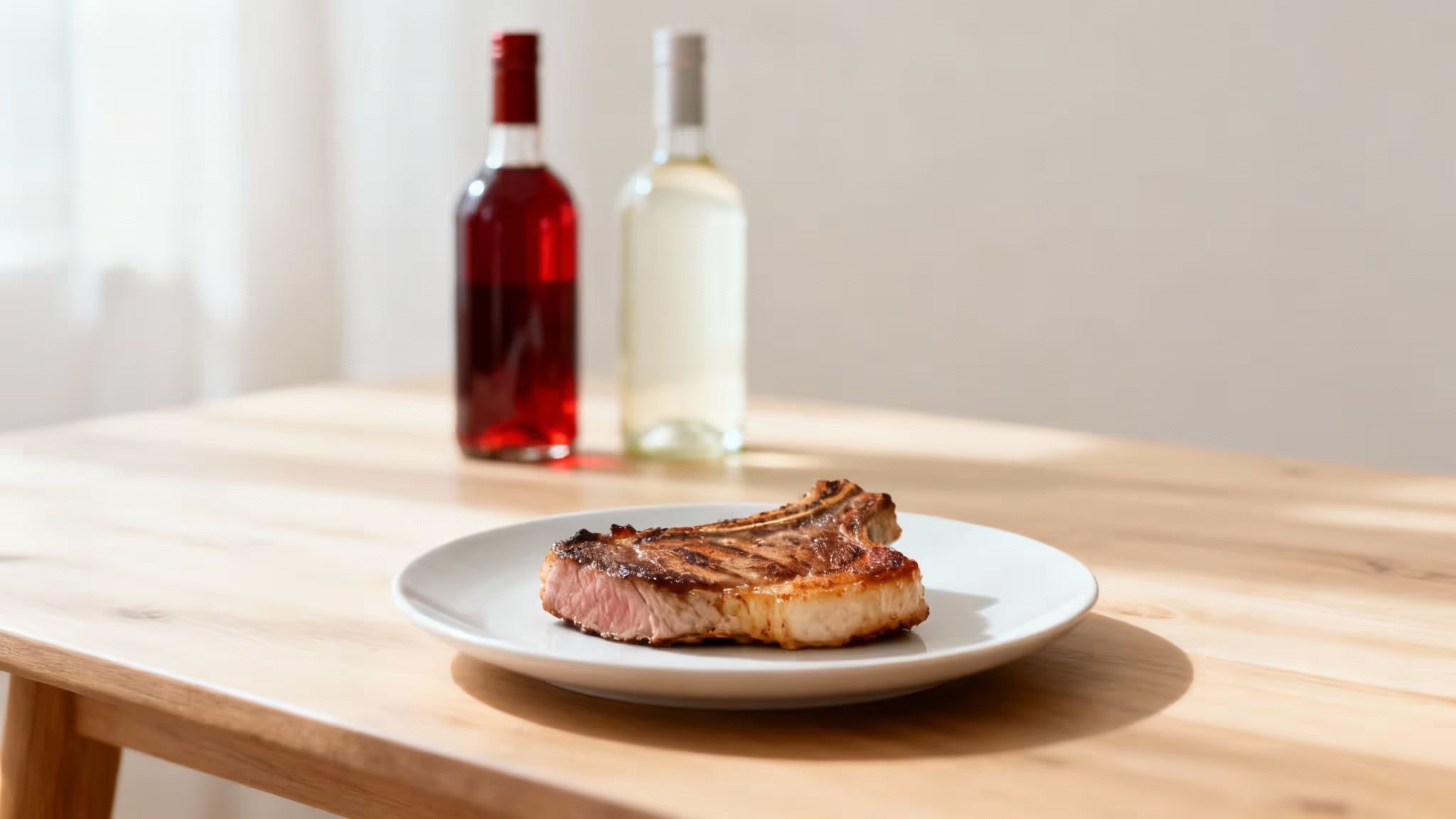
You’re standing in the wine aisle, pork chops for dinner, and that familiar wave of indecision hits. Red or white? Will this bottle work? Take a deep breath. Choosing a great wine for pork is much easier than you think, and you don't need to be an expert.
Pork is incredibly versatile. It can be lean and delicate like a tenderloin, or it can be rich and fatty like pork belly. This flexibility is great for cooking but can make picking a wine feel like a guessing game.
But here's the secret: the magic isn't in the pork itself. It’s all about the preparation—the sauce, the spices, the cooking method. That’s what tells you which bottle to open.
The One Simple Rule to Follow
Forget memorizing complicated charts. Just remember this one thing: Match the wine’s body to the dish’s richness.
A light, elegant dish needs a light- or medium-bodied wine. A heavy, flavor-packed dish needs a wine that can stand up to it. That's it. This single guideline is the foundation for almost every great food and wine pairing. We explore this concept more in our guide on how to match wine with food.
When in doubt, a medium-bodied red is almost always a safe—and delicious—bet. There’s a reason Pinot Noir is the go-to for pork, especially roasts and chops. Its bright acidity and gentle tannins play perfectly with the meat's subtle flavors, making it a favorite in expert recommendations. For more pairing ideas, you can see options on Wine-Searcher.com.
This guide will walk you through clear, simple choices for every kind of pork dish, so you can feel confident every single time.
Quick Pork and Wine Pairing Guide
This cheat sheet is your shortcut. Use it to quickly find the right style of wine based on how your pork is prepared.
Think of these as starting points. The best choice is always the one you enjoy most.
Pairing Wine with Lean Pork Roasts and Chops
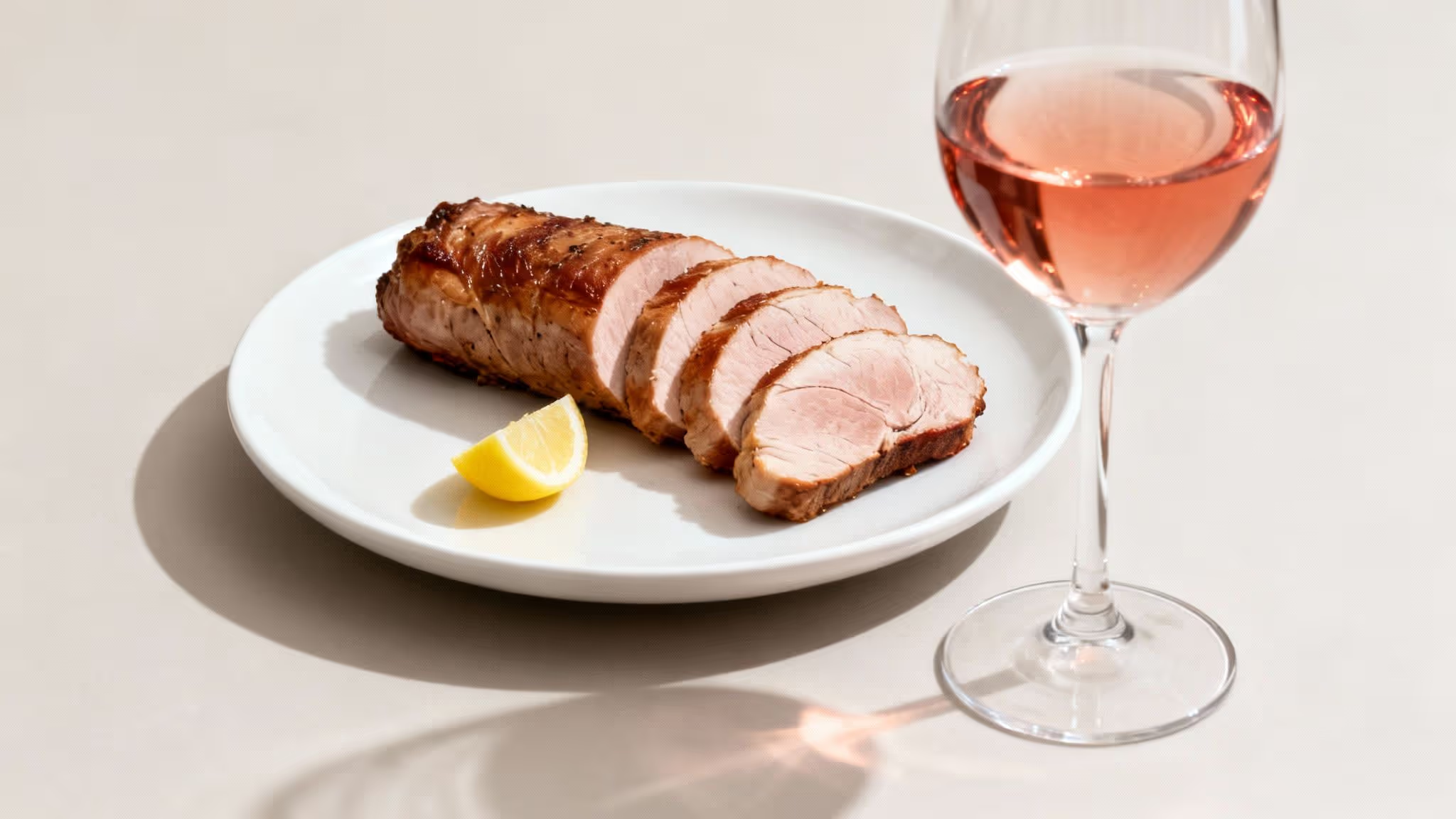
When you’re making a lean pork tenderloin or perfectly seared chops, you don't want a wine that bulldozes right over them. A big, heavy red can easily crush the delicate flavors of the meat. The goal is to find a graceful partner, not a heavyweight champion.
This is where medium-bodied wines shine. They have just enough personality to stand alongside the pork without stealing the spotlight, creating a perfect, harmonious balance.
Your Go-To Red Wines for Lean Pork
Think of the right wine as a simple accessory that makes the main attraction—the pork—look even better. For this reason, reds with bright acidity and smooth, gentle tannins are your best friends.
- Pinot Noir: This is the classic, can’t-go-wrong choice. Its flavors of red cherry and strawberry, backed by bright acidity, act like a squeeze of fresh lemon, lifting and brightening every bite of pork.
- Gamay (like Beaujolais): Light, fruity, and incredibly easy to drink, Gamay is another fantastic option. It’s a touch lighter than Pinot Noir but shares that same vibrant, refreshing quality that just works.
Pork's versatility makes it the world's most consumed meat, with global consumption expected to hit nearly 130 million metric tons by 2032. This widespread love has even inspired events focused on finding the perfect pairing.
Don't Forget About White Wines and Rosé
Red wine isn't your only move. The right white or rosé can be a spectacular match for lean pork, especially when sauces and herbs are involved.
A common mistake is thinking pork always needs red wine. A crisp white or a dry rosé can be an even better choice, especially with dishes that have creamy or herbal notes. Match the wine to the overall flavor of the dish, not just the meat.
Consider these brilliant alternatives:
- Unoaked Chardonnay: If your recipe involves a creamy sauce—like mushroom or mustard cream—an unoaked Chardonnay is a dream partner. Its crisp apple and citrus notes slice right through the richness without adding heavy oak flavors.
- Dry Rosé: A crisp, dry rosé from a region like Provence is wonderfully versatile. With hints of red berries and melon, it has enough body for the pork but stays light and refreshing.
- Pinot Gris: With its stone fruit flavors and slightly richer texture, Pinot Gris can beautifully handle pork dishes that are braised or feature ingredients like apples or pears.
Picking the right bottle for dishes like a simple roasted pork loin is a common challenge. For a closer look, see our dedicated article on wine pairing with pork loin.
Finding the Right Wine for Rich Pork Dishes
When the menu features slow-cooked pork belly, crispy bacon, or savory sausages, a timid wine just won’t do. These meals are packed with fat and intense flavor, and they need a wine with enough personality to hold its own. A light, delicate wine would get completely steamrolled.
The good news is you have two very clear paths to a perfect pairing. You don’t need to guess; you just need to decide if you want to complement the richness or cut right through it.
Strategy 1: Match Richness with a Bold Red
Your first option is to meet richness with richness. A bold, fruit-forward red wine can stand shoulder-to-shoulder with the intense flavors of smoky, fatty pork without being overwhelmed. The key is finding a red with plenty of fruit but not harsh, overpowering tannins.
For boldly flavored pork, especially anything with a sweet and smoky BBQ sauce, Zinfandel is a classic choice. Its jammy berry notes and peppery spice create fantastic harmony with the char and sweetness of the meat. You can find more details on this popular pairing over at Vivino.com.
Other great reds for the job include:
- Australian Shiraz: Known for big, dark fruit flavors and often a hint of smoky spice that feels right at home with grilled or roasted pork.
- Spanish Grenache (Garnacha): This grape delivers juicy red fruit and a smoother texture that beautifully wraps around roasted or braised pork dishes.
Strategy 2: Cut Through Fat with a Crisp White
Your second strategy is to use acidity as your secret weapon. A high-acid white wine acts like a palate cleanser, slicing right through the fat and refreshing your mouth with every sip. This contrast makes each bite of the rich pork taste just as delicious as the first.
Think of it like a squeeze of fresh lime on a rich taco—that bright acidity cuts the weight and makes everything pop.
The perfect wine match for pork belly or bacon doesn't have to be a red. A crisp, acidic white wine can be even more refreshing, cutting through the richness and making the entire meal feel more balanced.
Excellent white wines for this task include:
- Off-Dry Riesling: That combination of a little sweetness with zinging acidity is magical with fatty pork, especially if there's any spice involved.
- Pinot Gris from Alsace: This style has a richer texture than its Italian cousin (Pinot Grigio), giving it enough body and acidity to handle creamy or braised pork beautifully.
- Dry Chenin Blanc: With its notes of yellow apple and chamomile, a crisp Chenin Blanc has the backbone to tackle anything from sausages to pork rillettes.
Whether you choose a bold red or a zesty white, the goal is the same: find a wine that brings balance to your meal, either by matching its power or by offering a refreshing counterpoint.
Choosing Wine for Sweet or Spicy Pork
When the menu features sticky BBQ ribs or fiery Korean pork, picking a wine can feel tricky. A bone-dry, powerful red that's brilliant with a simple roast can suddenly taste bitter against a sweet glaze. An oaky Chardonnay can make a spicy dish feel even hotter.
But you don't need to default to beer. The simple trick is to fight fire with fruit, and tame sweetness with even more fruit. The goal is to find a wine with enough personality to stand up to the dish without starting a fight.
Taming Heat with the Right White Wine
Spicy food calls for a wine that can act as a fire extinguisher. A high-alcohol, bone-dry wine will just amplify the heat.
The secret is a chilled white wine with a kiss of sweetness and bright acidity. That little bit of sweetness is the key—it calms your palate, letting you taste the pork and spices, not just the burn.
The rule for spice is simple: a little sweetness in the wine creates balance. It doesn't make the wine taste sugary; it just provides a cool, soothing contrast that makes the whole pairing click.
Look for these go-to options:
- Off-Dry Riesling: This is the undisputed champion of spicy food pairings. Its laser-like acidity keeps it incredibly refreshing, while its peachy, citrusy profile and gentle sweetness are perfect for calming the heat of dishes like spicy pork tacos or Thai basil pork.
- Gewürztraminer: With its aromatic blast of lychee, rose petals, and ginger, Gewürztraminer feels right at home with Asian-inspired pork. Its slightly richer texture and off-dry style make it an amazing partner for anything with a kick.
For a deeper dive, you can explore our complete guide on finding the perfect wine for spicy food.
Handling Sweet and Tangy Sauces
When your pork is slathered in a sweet and tangy BBQ sauce or a sticky hoisin glaze, the sugar in the sauce becomes the main event. A big, tannic red wine will clash horribly with that sweetness, creating a harsh, grating sensation.
Instead, you need a red wine that’s all about the fruit, with tannins that are smooth and gentle. You want the wine's fruitiness to match the intensity of the sauce, not compete with its sweetness.
Here are your best bets:
- Beaujolais (Gamay): Light, bright, and bursting with fresh raspberry and cherry flavors. A good Beaujolais is juicy and refreshing, cutting through the richness of the sauce without adding any clashing bitterness.
- Fruit-Forward Grenache: A ripe, juicy Grenache can be a fantastic choice, especially for pulled pork. Its generous red berry flavors and softer tannins are a natural fit for smoky, sweet sauces.
Wine Solutions for Tricky Pork Flavors
This simple guide helps you quickly find the right wine style when faced with sweet, spicy, or intensely savory pork dishes.
By focusing on whether the dish is led by spice, sweetness, or salt, you can quickly narrow down your options and find a bottle that makes the meal sing.
How to Get a Perfect Pairing in the Moment
Knowing the theory is one thing. Standing in a busy restaurant or staring at a wall of bottles in a wine shop—that’s a completely different game. The pressure to just pick something builds, and the fun of choosing a great wine gets lost in the anxiety of choosing the wrong one.
A Smarter Way to Choose
Instead of trying to cram for a test, what if you had a quiet expert in your pocket? An AI assistant like Sommy is built for exactly this moment, cutting through the noise to give you a clear, confident answer without the guesswork.
In a restaurant, you could snap a photo of the wine list. The AI reads the options, considers your pork dish, and points to the best bottles that fit your personal taste. No more squinting at a long list of names you don't recognize.
At the store, you could scan any bottle and ask, “Will this work with pork belly?” You get a simple yes or no, plus a few other smart suggestions right there on the shelf.
This little decision tree shows just how simple it can be when you focus on the main flavor of the dish.
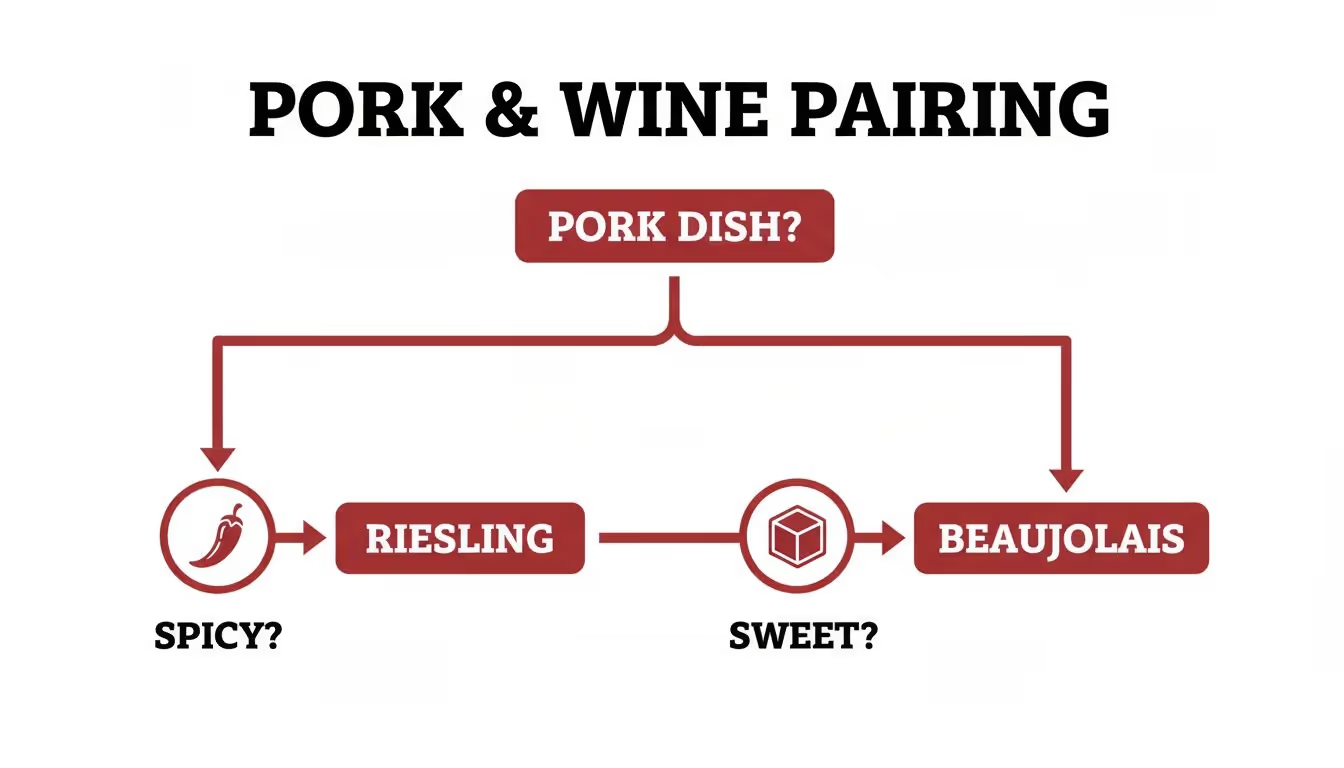
It’s a great visual shortcut. If your pork is spicy, a Riesling offers a cool, refreshing contrast. If it’s sweet and saucy, a fruity Beaujolais sings right alongside it instead of clashing.
The goal is to feel relieved, not overwhelmed. Using a tool gives you the freedom to focus on enjoying your meal, rather than worrying about your wine choice.
Getting that instant, reliable advice turns a moment of stress into one of confidence. If you want to dive deeper into building that instinct, our guide on how to choose wine is a great next step.
Your Confident Choice Is Closer Than You Think
The next time you’re trying to find the right bottle for a pork dish, just take a breath. Forget about memorizing grape varieties or obscure regions. All you really need to ask is: is this a lean pork loin or some rich, fatty BBQ ribs?
That one simple question—matching the wine's body to the richness of the dish—is your key. It immediately cuts through the noise and turns a confusing choice into a clear path. The goal isn't to find the one "perfect" bottle; it's to find a great bottle without all the stress.
From Guesswork to Great Meals
With these straightforward ideas, you’re ready to find a fantastic wine for pork, no matter how it’s cooked. The wine aisle doesn't have to feel like a pop quiz, and a restaurant wine list doesn't need to be intimidating. You can relax, knowing you have a simple framework to guide you.
Choosing a wine should be a moment of pleasant anticipation, not anxiety. When you trust your own taste and focus on the dish, the decision becomes simple and the meal becomes that much more enjoyable.
This is exactly the kind of in-the-moment decision that Sommy was built for. If you ever just want a quiet partner to suggest a great bottle based on your meal and what you like, Sommy gives you that confident answer in seconds.
Ultimately, the best pairing is the one you enjoy the most. Trust your instincts, have fun with it, and enjoy the meal.
Still Have Questions About Pairing Pork and Wine?
Even with a few solid guidelines, some questions always seem to pop up right when you're staring at a wine list. Let's tackle the most common ones with quick, straightforward answers.
What’s the safest red wine for most pork dishes?
If you need one go-to red that plays nice with almost any pork dish, make it Pinot Noir. Its medium body, bright acidity, and gentle tannins are the magic combination. It’s light enough not to overwhelm lean pork chops but has enough backbone and fruity character to stand up to a hearty roast. It rarely disappoints.
Can I drink white wine with pork?
Absolutely. In fact, sometimes white wine is an even better choice. The old idea that pork always needs a red is a stubborn myth. A great pairing is all about balance, and white wines often bring a zesty acidity and freshness that rich pork dishes need. A crisp, unoaked Chardonnay is fantastic with creamy pork sauces, and a high-acid Riesling is a showstopper with fatty pork belly or spicy pork.
What kind of wine should I avoid with pork?
The main thing to sidestep is a really heavy, tannic red wine, especially with leaner cuts like tenderloin or chops. A big, brawny Cabernet Sauvignon can bring way too much bitterness and astringency to the party. Those aggressive tannins easily overwhelm the delicate flavors of the meat, making the wine taste harsh and the pork seem bland. Stick with reds that have smoother tannins and a more fruit-forward personality.
Does the sauce matter more than the pork?
Yes. In almost every case, the sauce is the single most important factor in a wine match for pork. Think of a simple roasted pork loin as a blank canvas. A medium-bodied Pinot Noir is a classic choice. But the moment you add a powerful sauce, the entire game changes. Slather that loin in a sweet, smoky BBQ sauce? Now you need a wine that can hang with those flavors, like a fruit-forward Zinfandel. Always ask yourself: what’s the loudest flavor on the plate? That’s what your wine needs to talk to.
Navigating these questions in the moment is exactly what Sommy was designed for. Instead of trying to memorize every rule, you can get a clear, personalized recommendation in seconds, helping you choose with confidence every time. Learn more at Sommy.ai and make your next wine choice a simple one.

EntreprEngineur. Runs on lattes. Creates with the intensity of a downhill run. Fast, slightly chaotic, ideally followed by a glass of wine.