
Precision Wine is a specific brand, and yes, the Napa Cabernet is often sold at Costco for $12.99 to $13.49 even though its average ex-tax price is $29. That’s the whole reason people search for precision wine costco in the first place. The hard part isn’t understanding the deal. The hard part is standing in the aisle, not knowing if it’s there, not knowing if you’ll like it, and not wanting to leave with a random bottle.
Costco can make smart shoppers feel weirdly stuck.
You go in for paper towels and chicken, then end up in front of a wall of wine stacked higher than your head. Somewhere in that maze, you’ve heard there might be a bottle called Precision worth grabbing fast. Maybe a friend mentioned it. Maybe you saw it online. Maybe you only remember one thing, that it’s supposed to be a very good Napa Cab for not much money.
That kind of shopping stress is normal. Shoppers don’t want a wine lesson. They want a clear answer before dinner.
That Overwhelming Costco Wine Aisle
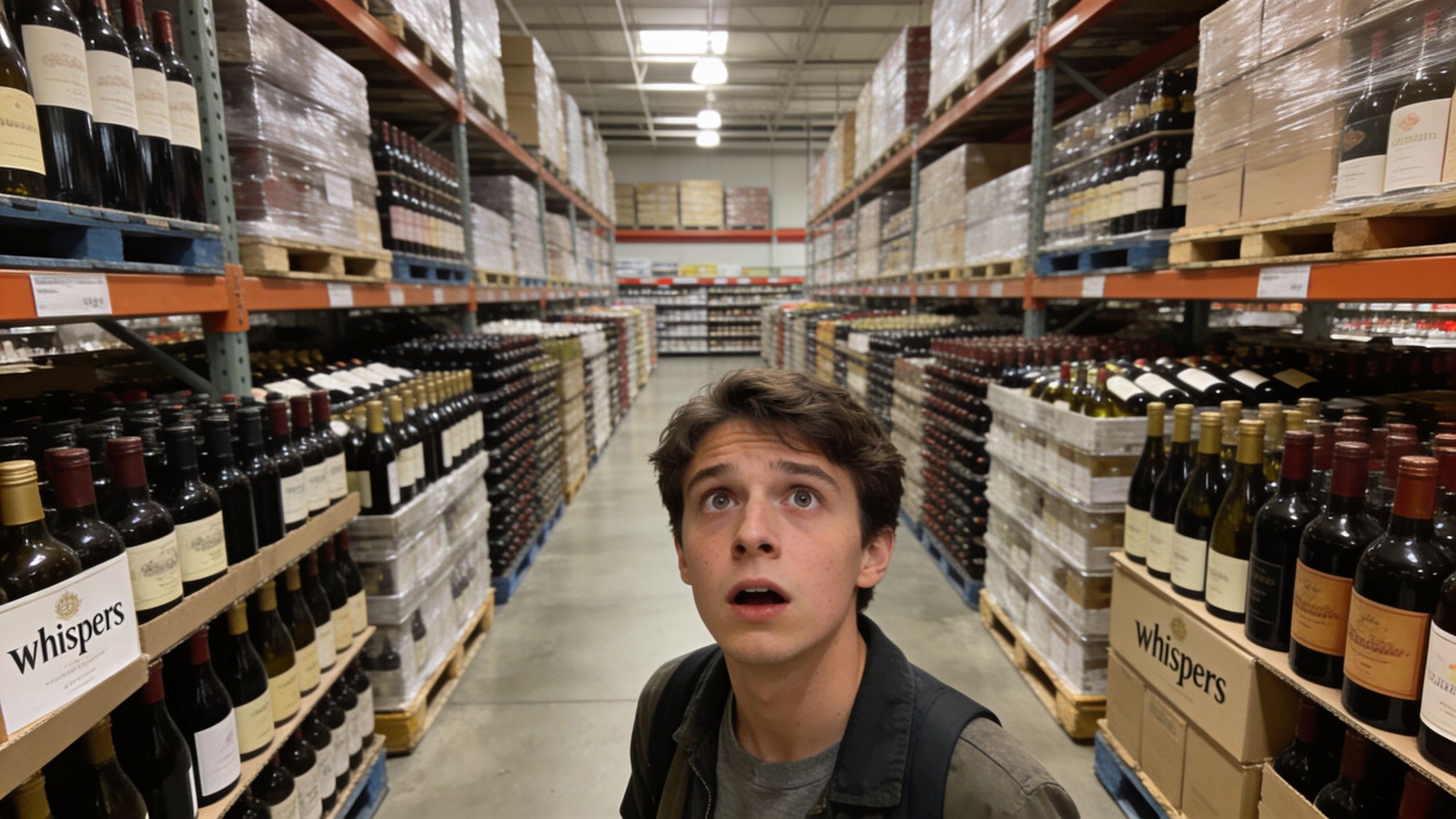
The Costco wine section has a special way of making every bottle look equally urgent. A few are stacked in wooden bins. Others sit on pallets with shelf tags that feel half useful and half cryptic. If you’re already unsure about wine, that setup can push you into one of two bad moves. You either grab the first bottle that looks safe, or you walk away and buy none.
A lot of people hit the aisle with one mission. Find the famous deal before it disappears.
That’s usually what “precision wine costco” means in real life. You’re not researching for fun. You’re trying to answer a practical question while standing under warehouse lighting with a cart full of frozen food.
Why the aisle feels harder than it should
Costco isn’t built for slow, careful comparison. The store rewards quick decisions. Wine doesn’t always.
One label says Napa Valley. Another says reserve. Another has a lower price but a fancier label. If you don’t already know what you like, all of that starts to blur. That’s where shoppers lose confidence.
Practical rule: Don’t try to solve the whole wine aisle. Try to solve one bottle for one moment.
That’s enough.
If you’re buying for steak night, a casual dinner, or a bottle to bring to friends, you don’t need a deep opinion on everything in the store. You need a short list and a simple filter. A helpful starting point is learning how to choose wine without overthinking it.
The better way to shop the aisle
Use a narrow question:
- Buying for dinner tonight: Pick based on the food first.
- Buying for a gift or dinner party: Choose something familiar and broadly liked, which is the same filter our guide to picking a bottle as a gift uses, sorted by budget and occasion.
- Shopping a deal: Make sure the deal matches your taste, not just your budget.
Precision matters because it often checks all three boxes at once. It sounds like a rare find, but the benefit is simpler than that. It gives overwhelmed shoppers a clear yes-or-no choice.
If it’s there and it fits what you like, great.
If it’s not there, you still need a plan.
What Is Precision Wine and Why Is It at Costco
Precision Wine isn’t a style or a generic term. It refers to Precision Wine Co., a producer created by Trevor Sheehan. For Costco shoppers, the bottle that gets attention is the Precision Wine Co. Cabernet Sauvignon Napa Valley.
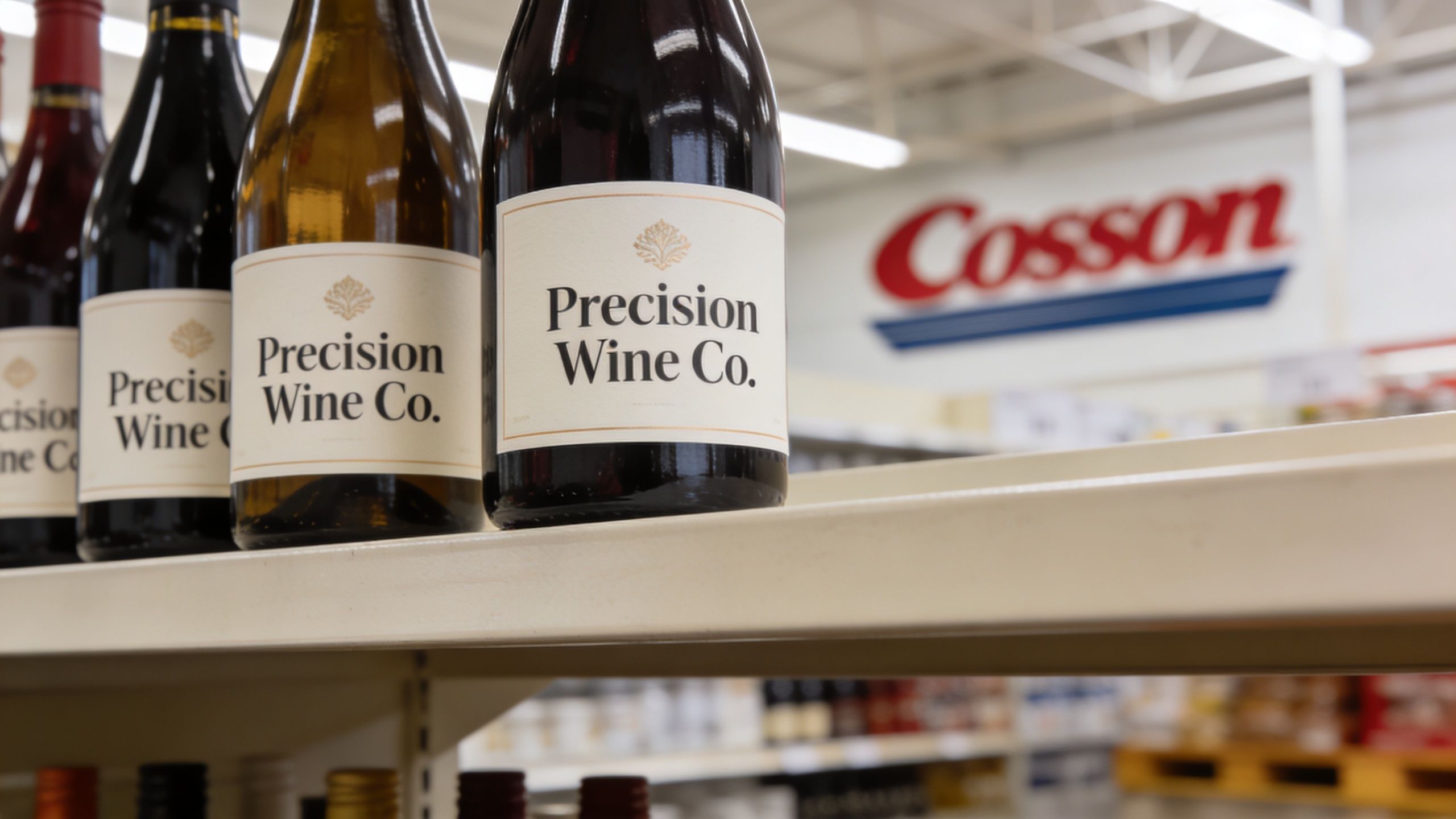
The appeal is simple. It says Napa Valley on the label, and the price at Costco can look far lower than you’d expect for that category.
According to Wine-Searcher’s listing for Precision Wine Co. Cabernet Sauvignon Napa Valley, the wine often has an average ex-tax price of $29, but Costco has sold it for as low as $12.99 to $13.49, which is over 50% savings. That’s the whole story behind the buzz. People feel like they’re getting a Napa Cabernet at a weekday price.
Why Costco is the place people look for it
Costco is built for volume, and that changes the math on certain bottles.
A wine that might feel like a maybe at a higher retail price can become an easy yes when it lands in the low-teens. For a shopper, that means less second-guessing. For a host buying multiple bottles, it means you can cover a dinner without feeling like you overspent.
That’s also why Precision gets talked about with unusual enthusiasm. It’s not only cheap. It feels like a smarter buy than the price suggests.
When shoppers get excited about Precision at Costco, they’re usually reacting to one thing. The gap between what the bottle is and what the shelf tag says.
What kind of wine you’re actually getting
Precision’s Napa Cabernet is generally aimed at people who want a fuller red, not something light or delicate. The producer sources from Napa Valley, and the style leans toward bold, ripe fruit with structure.
A few useful basics:
- Producer: Precision Wine Co.
- Winemaker: Trevor Sheehan
- Region: Napa Valley
- Style: Full-bodied California Cabernet
- Why it stands out at Costco: The price can drop low enough to make it feel unusually accessible
Later in the aisle, that matters more than any wine lecture. You’re not looking for a history lesson. You’re asking whether the bottle in front of you is worth putting in the cart.
If you want a quick outside look at why shoppers keep talking about it, this walkthrough captures the deal-chasing side of the search.
How to Find and Evaluate Precision Wine In-Store
Finding Precision in Costco is part search, part restraint. You don’t want to overthink it, but you also don’t want to buy a bottle only because the price feels exciting.
Start with the label and the basic facts on the bottle. The version shoppers usually want is the Precision Wine Co. Cabernet Sauvignon Napa Valley. If you spot that exact combo, pause and check whether it matches what you already enjoy in red wine.
According to Costco Wine Blog’s review of the 2018 Precision Cabernet Sauvignon Napa Valley, the wine typically sits at 14.5% ABV and shows aromas of candied cherry and dark chocolate. The same review says its profile mimics bottles costing over $50, which is why people treat it as a value find.
What to look for on the shelf
Costco layouts vary, so don’t assume the wine will always be in the same spot. In many warehouses, bottles like this show up in high-visibility placements rather than tucked into a neat, permanent section.
A fast in-store scan helps:
- Check feature spots first: Endcaps, wooden crates, and display stacks often hold bottles Costco wants to move quickly.
- Read the region before the brand: “Napa Valley” is the faster clue when your eyes are moving.
- Watch the shelf tag: A very sharp price can be the sign you found the right bottle.
Decide if you’ll like it before you buy it
A good deal still isn’t a good buy if the wine isn’t your style.
Precision is the kind of red that tends to work for people who like deeper, darker flavors and don’t mind a bigger presence in the glass. If you usually reach for softer, lighter reds, the bottle may feel heavier than you want for a casual weeknight.
Use this quick filter:
| If you usually like... | Precision is more likely to work |
|---|---|
| Fuller reds | Yes |
| Steakhouse-style wines | Yes |
| Light, juicy reds | Maybe not |
| Very soft, easy reds | Maybe not |
A bottle can be a bargain and still be the wrong bottle for you.
If the shelf is crowded and you need a calmer way to compare choices, this guide on using Sommy in a crowded supermarket aisle gives a simple approach without turning shopping into homework.
A Simple Rule for Judging Big-Box Wine Value
Precision teaches a useful shopping rule that applies well beyond one bottle.
Look for a respected region plus an unusually low price. That combination won’t guarantee perfection, but it will help you cut through a huge store faster than chasing random labels.
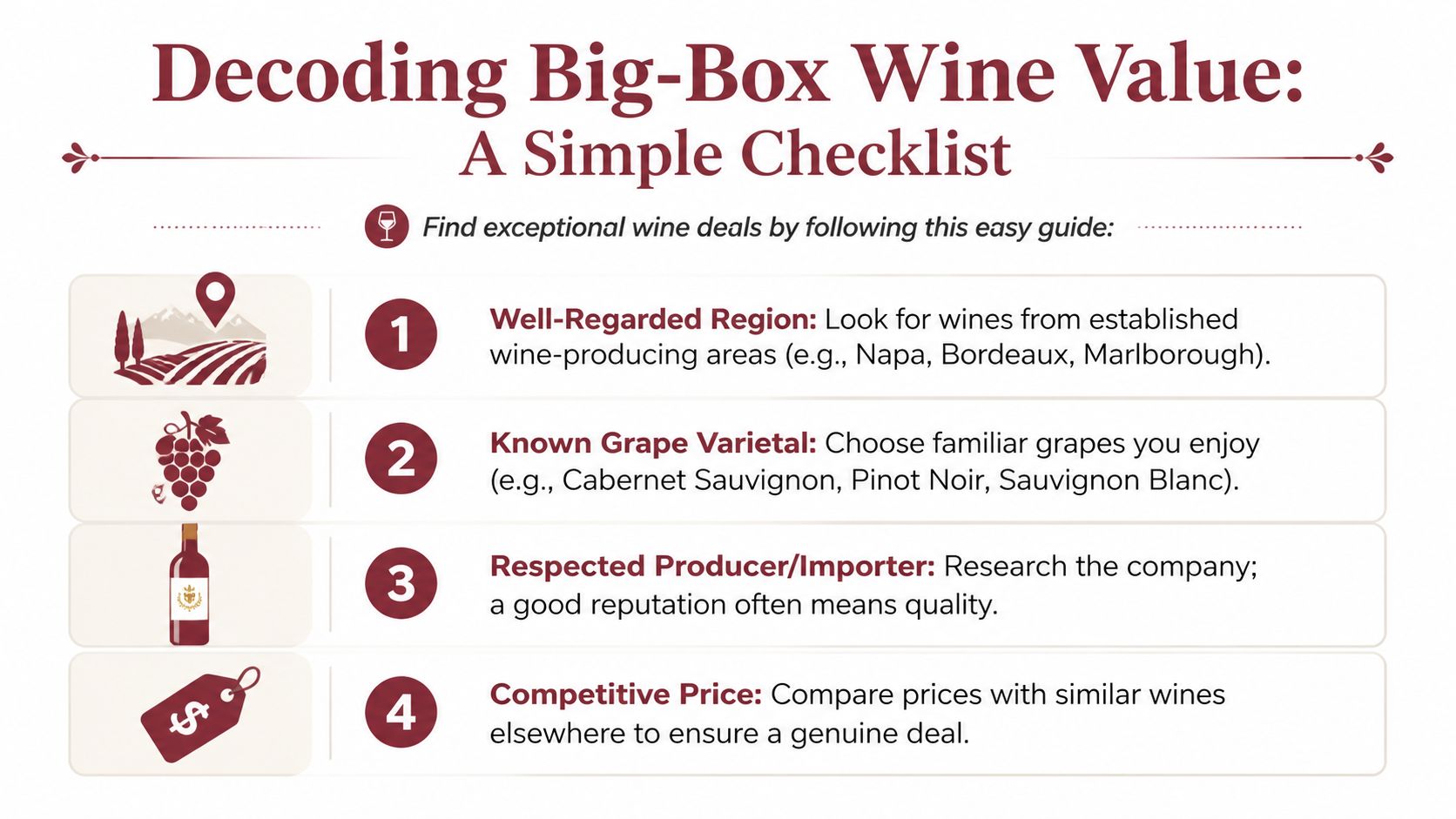
Find exceptional wine deals by following this easy guide:
The checklist that keeps you out of the weeds
- Well-regarded region: If the label names a place shoppers generally trust, that’s a strong first filter.
- A grape you already enjoy: Familiarity lowers your chances of ending up with the wrong bottle.
- Producer or importer with a decent reputation: You don’t need to know everything, but a little recognition helps.
- A price that looks meaningfully lower than expected: Not cheap for cheap’s sake. Cheap relative to the category.
Precision catches attention because it hits that formula cleanly. Napa Valley is a region many shoppers recognize. The wine is Cabernet Sauvignon, which is easy for a lot of people to place. Then the Costco price changes the decision from “Should I risk it?” to “Why not?”
What works and what doesn’t
What works is using one or two signals and moving on.
What doesn’t work is trying to decode every word on every label. Terms like reserve, estate, or old vines can slow people down without helping much in the moment. Region and price usually do more practical work.
A helpful next read is Sommy’s take on how to spot best value wine and liquor without guessing.
If you can spot the pattern behind the deal, you won’t depend on one famous bottle being in stock.
That matters at Costco, where inventory is part of the challenge.
What to Do If You Cannot Find Precision Wine
You walk into Costco, head straight for the wine section, and the bottle you came for isn’t there.
That isn’t bad luck. It’s normal.
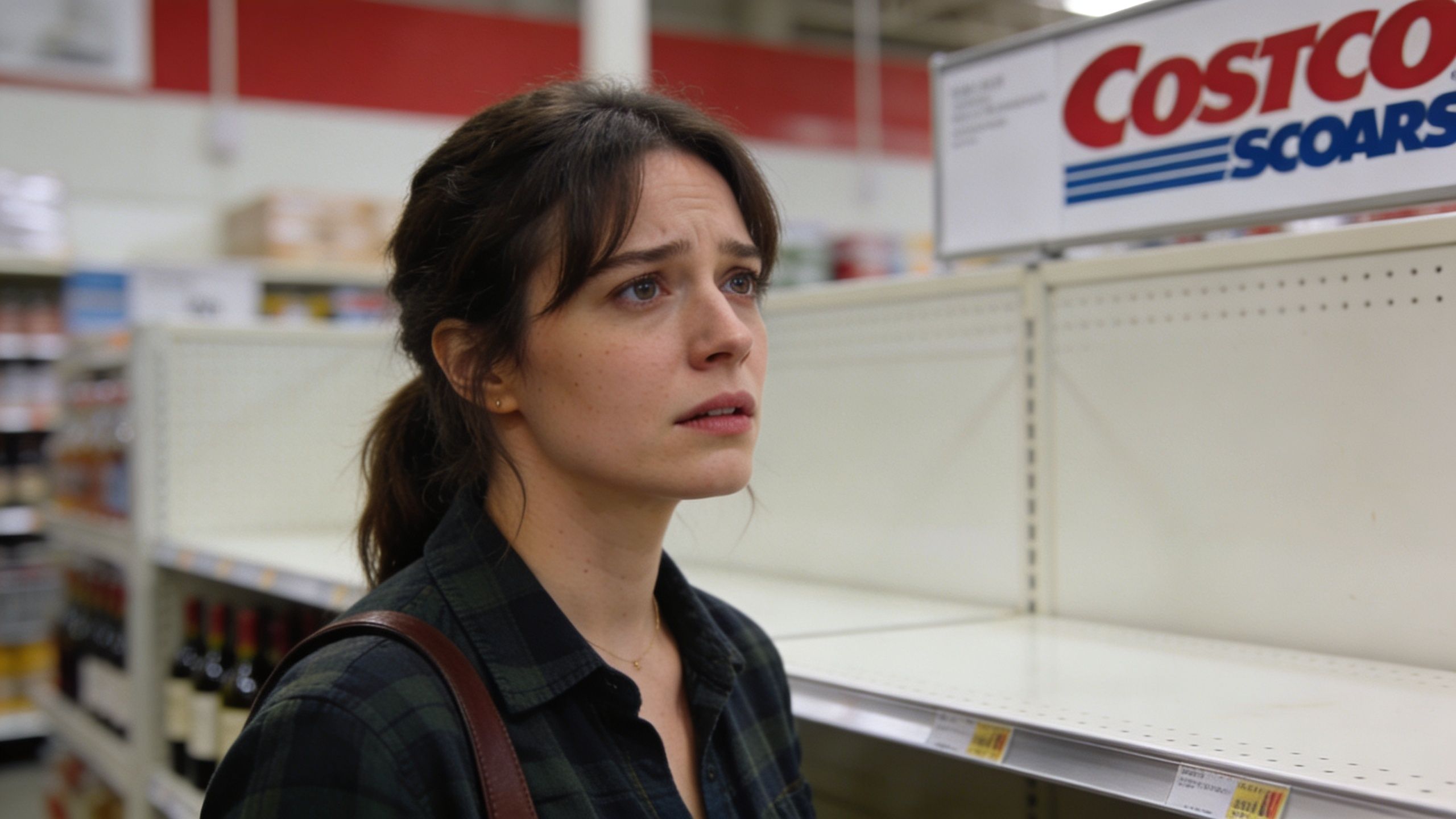
High-value Costco wines rotate fast, and Precision is part of that pattern. In the YouTube guide discussing Costco wine turnover and deal timing, high-value Costco wines like Precision are described as rotating rapidly with little clear data on restock frequency, and industry reports from 2024 to 2026 are cited saying Napa Cabs under $20 at big-box retailers can sell out 40% faster than other wines.
The worst response
The worst move is panic-buying the nearest expensive red because it looks serious.
That usually leads to one of two outcomes. You overspend, or you pick something that doesn’t fit the dinner. Neither solves the problem, which is replacing a missing bottle with the right kind of bottle.
The calm replacement plan
If Precision is gone, use the same buying logic that made it attractive in the first place.
Try this:
- Stick with the same general style. Look for another Napa Cabernet if your budget allows, or a similar full-bodied California Cabernet if it doesn’t.
- Set your ceiling before you browse. That prevents the aisle from nudging you upward.
- Read for flavor cues, not prestige cues. You want a wine that sounds rich and fuller-bodied, not one with the fanciest branding.
- Pick for dinner, not for fear. If it’s for steak, lamb, or a hearty meal, stay in that lane.
A practical backup can also come from your phone. Instead of guessing, use a tool that scans the shelf and narrows the options. If you want a quick look at that kind of workflow, Sommy’s article on a wine scanner app for in-store choices is useful.
Sold out doesn’t mean start over. It just means switch from “find that bottle” to “find that profile.”
That one mindset shift saves a lot of aisle stress.
Use Sommy AI for Pairings and Future Picks
Once you’ve picked a bottle, a new kind of hesitation shows up. You stop worrying about what to buy and start wondering what to serve with it.
That’s where a quiet tool is more helpful than more browsing.
Bold Napa Cabs like Precision are often treated as easy crowd-pleasers, but they’re more useful when you match them to the meal on purpose. In the video discussing AI wine pairing behavior and Napa Cab food matches, these fuller wines are described as ideal with lamb or steak, and the video notes that 30% of Gen Z and tech-savvy drinkers now use AI for pairing suggestions.
The simplest way to use it
Scan the label and ask a plain question.
You don’t need to phrase it like a wine person. Ask:
- What should I eat with this?
- Is this good for steak?
- What if the table has mixed dishes?
- What’s a similar bottle I should remember next time?
Those are the useful questions. They lower friction. They help you act.
Why it gets easier over time
The first good wine decision is helpful. The second and third are where confidence starts to build.
If you save bottles you liked, your future store trips get faster. If you note what you ate with them, your dinner planning gets easier. If you remember that you liked a fuller Napa-style red but didn’t love a lighter one, that’s enough information to make your next purchase simpler.
A personal wine tool matters most when it removes memory work.
One night, you’re trying to find Precision at Costco. Another night, you’re in a restaurant trying to order a bottle for two different entrees. Same stress. Same need. You want a short answer that feels safe.
For a practical look at that kind of help, Sommy’s piece on an AI wine assistant for everyday decisions is a good place to start.
The goal isn’t to know more facts than the next shopper. The goal is to choose with less doubt.
If you want help choosing wine in the moment, that’s exactly what Sommy.ai is built for. It works well when a Costco bottle is sold out, when a shelf gives you too many choices, or when you just want to know what pairs with dinner without turning wine into homework.