
Wine ABV tells you how much alcohol is in the bottle by volume. If a wine says 13.5%, then 13.5% of the liquid is alcohol. This wine alcohol content determines the strength and character of the pour, giving you a fast clue about body, warmth, and how strong the wine may feel when you sip it.
Many people skip past that tiny line on the label. Yet checking the wine label is the fastest way to understand what is in the bottle when you're stuck between two bottles or staring at a long menu, and it can be one of the easiest ways to choose with more confidence.
Key Takeaways
- Wine ABV is the alcohol by volume percentage on the label, showing strength from fermentation and giving a quick clue to body and warmth.
- Lower ABV (under 12%) delivers lighter, crisper wines for lunches or warm weather; higher (above 13.5%) fuller, warmer ones for hearty meals.
- Spot ABV on labels to choose confidently in stores or restaurants, matching feel to mood, food, or occasion without jargon.
- ABV isn't a score for quality or sweetness—it's a practical shortcut influenced by climate, grapes, and winemaking.
What the number on a wine label really means
When people say wine ABV, they mean "alcohol by volume." In the US, the wine label often reads "Alc. 13.5% by vol." because federal labeling rules use that wording. This alcohol by volume percentage shows how much ethanol the wine contains. It comes from the fermentation process, where yeast converts sugar levels in the grapes into ethanol and carbon dioxide.
Winemakers measure specific gravity with a hydrometer during fermentation to predict the final alcohol by volume percentage. In cooler regions where grapes lack sugar, they might use chaptalization, adding sugar before fermentation to boost the alcohol level.
You'll usually find that number near the bottom of the front or back label, often beside the bottle size. Once you know where to look, you can spot it in seconds.

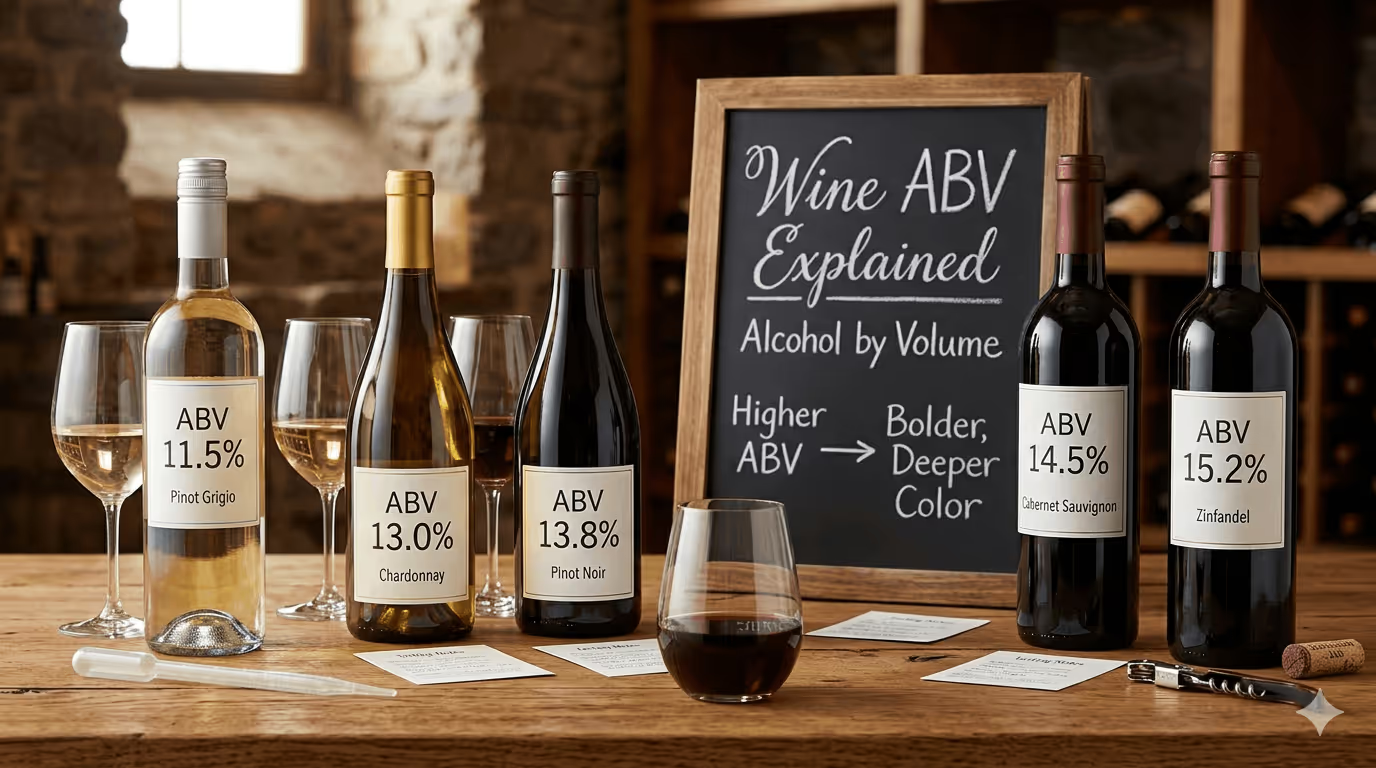
Most table wine lands somewhere between 11% and 15%, while fortified wine sits higher. Sparkling wines and lighter whites often sit lower. Bigger reds push toward the upper end. Wine isn't labeled in proof like whiskey, so alcohol by volume is the number that matters here. That matters when you're choosing between a light patio bottle and something heavier for steak or a cold-night dinner.
ABV helps, but it doesn't tell the whole story. Quality isn't attached to the number. Sweetness isn't either. A dry red can sit at 14.5%, while a light, slightly sweet white can be much lower.
ABV is a clue, not a score.
Small variation is normal, too. Decanter's look at US alcohol labels explains that printed alcohol numbers can have a legal margin of error. For everyday wine advice, that level of precision is enough. You want a useful signal, not a chemistry exam.
What wine ABV tells you in the glass
Lower-alcohol wines often deliver a lighter wine body, brighter mouthfeel, and less warming sensation. Higher-alcohol wines often provide a fuller wine body, rounder profile, and warmer finish. That's why two wines can feel so different before you know anything about grapes or regions, all thanks to their alcohol by volume.
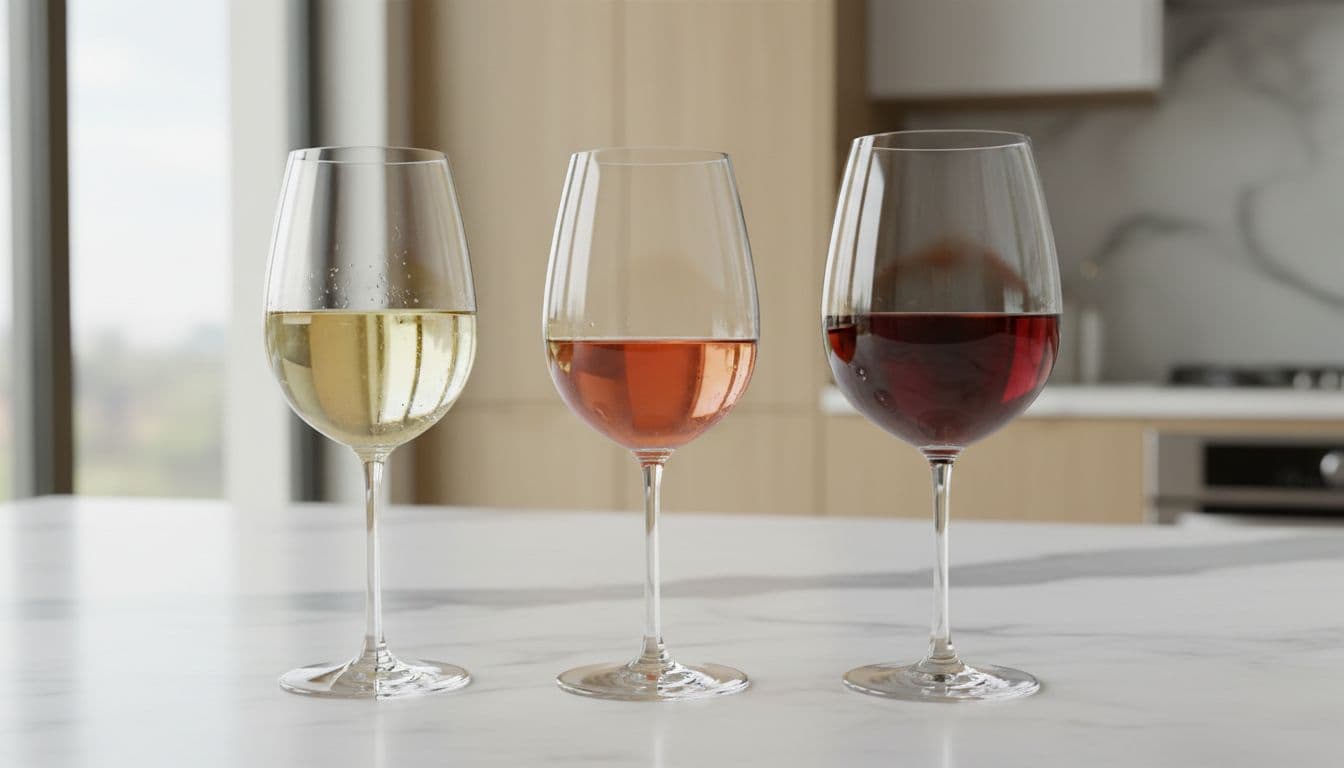
Use this quick reference when the label is your best guide.
| ABV range | What it often feels like | When it often fits |
|---|---|---|
| Under 12% | lighter, crisp, fresh | lunch, warm weather, spicy food |
| 12% to 13.5% | balanced, medium-bodied | weeknight dinners, mixed groups |
| Above 13.5% | richer, fuller, warmer | cold nights, hearty meals |
The chart isn't a hard rule. Climate, grape, and winemaking style still matter. Still, it works as a solid shortcut, especially since residual sugar can sometimes lower the alcohol by volume even if the wine feels rich, such as in a dessert wine or certain sparkling wines. Fortified styles like Port and Sherry often push alcohol by volume higher for extra intensity. Lower ABV often feels easier over a long meal. Higher ABV can feel plush and cozy, but it may also seem hotter if the wine is warm or the food is spicy.
Neither end is better. The right choice depends on what you enjoy and what you're eating.
ABV also helps when wine tasting notes explained on a shelf tag sound fuzzy. Words like "ripe," "lush," or "powerful" often point toward a higher number. Words like "fresh," "zippy," or "light" often point lower. If you want a wine guide with simple wine explanations, that little percentage can say more than a paragraph of label poetry.
How to use ABV when choosing wine fast
When you need to know how to choose wine in the moment, use ABV (alcohol by volume) as a filter first. Start with how you want the wine to feel. Then let the label narrow the field.
- Look around 11% to 12.5% if you want something crisp and easy.
- Stay around 12.5% to 13.5% if you want a safe middle ground.
- Go above 13.5% if you want something fuller and warmer.
Those simple wine tips work in more places than people expect. Say you're in a grocery aisle holding two sauvignon blancs. One is 11.5%, the other 14%. The first will often feel leaner and sharper. The second may taste riper and heavier. This difference in wine alcohol content ties to terroir and grape ripeness. Wines from a warm climate develop more sugar during ripening, which ferments into higher alcohol by volume through winemaking techniques. In contrast, a cool climate yields less ripe grapes and lower alcohol by volume.
For grocery store wine picks, ABV can shrink a crowded shelf fast. For restaurant wine tips and wine list tips, it helps when the menu gives you only a producer, a region, and a price. If restaurant decisions are the stressful part, Sommy's restaurant wine selection tips make the process much easier to manage.

Food matters, too. Higher alcohol can make spicy dishes feel hotter, while lower-alcohol wines often stay fresher with heat, herbs, and lighter meals. Alcohol-free wine offers a great alternative for those pairings without any alcohol impact. Richer meals can handle richer wine, so ABV belongs in any practical wine pairing guide. If food is your bigger stress point, match wines to every meal offers calm, food-first help.
For responsible consumption, keep ABV in mind since it influences blood alcohol concentration. A standard drink accounts for serving size, typically 5 ounces of wine at around 12% ABV. High-alcohol wines call for smaller pours to stay within safe limits.
ABV also builds confidence. When a back label is packed with flowery language, the number gives you solid ground. That's where wine recommendations feel less random, and where friendly wine advice beats memorizing grapes. For a broader beginner framework, how to pick wine you'll love connects taste, budget, and context without turning wine into homework.
For readers who want wine explained simply, ABV is one of the best starting points in a modern wine guide. It supports clear wine recommendations, smart wine recommendations, and useful wine app suggestions. It also makes an AI wine assistant more helpful, because personalized wine picks, personalized wine recommendations, and smart wine picks work better when they start with a real clue on the bottle.
Frequently Asked Questions
What does ABV mean on a wine label?
ABV stands for alcohol by volume, the percentage of ethanol in the wine from yeast fermenting grape sugars. In the US, labels say "Alc. __% by vol." per federal rules. It's your fastest label check for strength before buying.
How does ABV affect how wine feels in the glass?
Lower ABV wines feel lighter, brighter, and fresher with less warmth. Higher ABV brings fuller body, rounder profile, and cozy finish. Use it as a shortcut when tasting notes get fuzzy.
What are typical ABV ranges for wines?
Most table wines hit 11-15%; sparkling and light whites lower, big reds higher, fortified like Port much higher. Under 12% for crisp styles, 12-13.5% balanced, above 13.5% rich. It's a guide, not a rule—style and climate matter.
Can ABV help with food pairing and choosing wine?
Yes, low ABV stays fresh with spicy or light food; high ABV suits rich, hearty meals. Pick 11-12.5% for crisp ease, 12.5-13.5% middle ground, over 13.5% for warmth. It shrinks options fast on shelves or menus.
Does higher ABV mean better or stronger wine?
No, ABV clues body and warmth, not quality or flavor depth. A 14.5% dry red and 11% sweet white can both excel. Small label variations exist, but it's plenty precise for everyday picks.
Conclusion
That tiny number on the wine label tells you one clear thing, the alcohol by volume in the wine. Yet it also gives you a shortcut to body, warmth, and food fit before you buy or order.
Whether you are looking for a sparkling wine or a full-bodied red wine, wine ABV is your most reliable guide.
You don't need expert language to use it well. Keep an eye on it, match it to your mood and meal, and the choice gets easier.
If you want help choosing wine in the moment, Sommy can turn your taste, budget, and dinner plans into personalized wine recommendations that feel like clear, everyday wine advice.