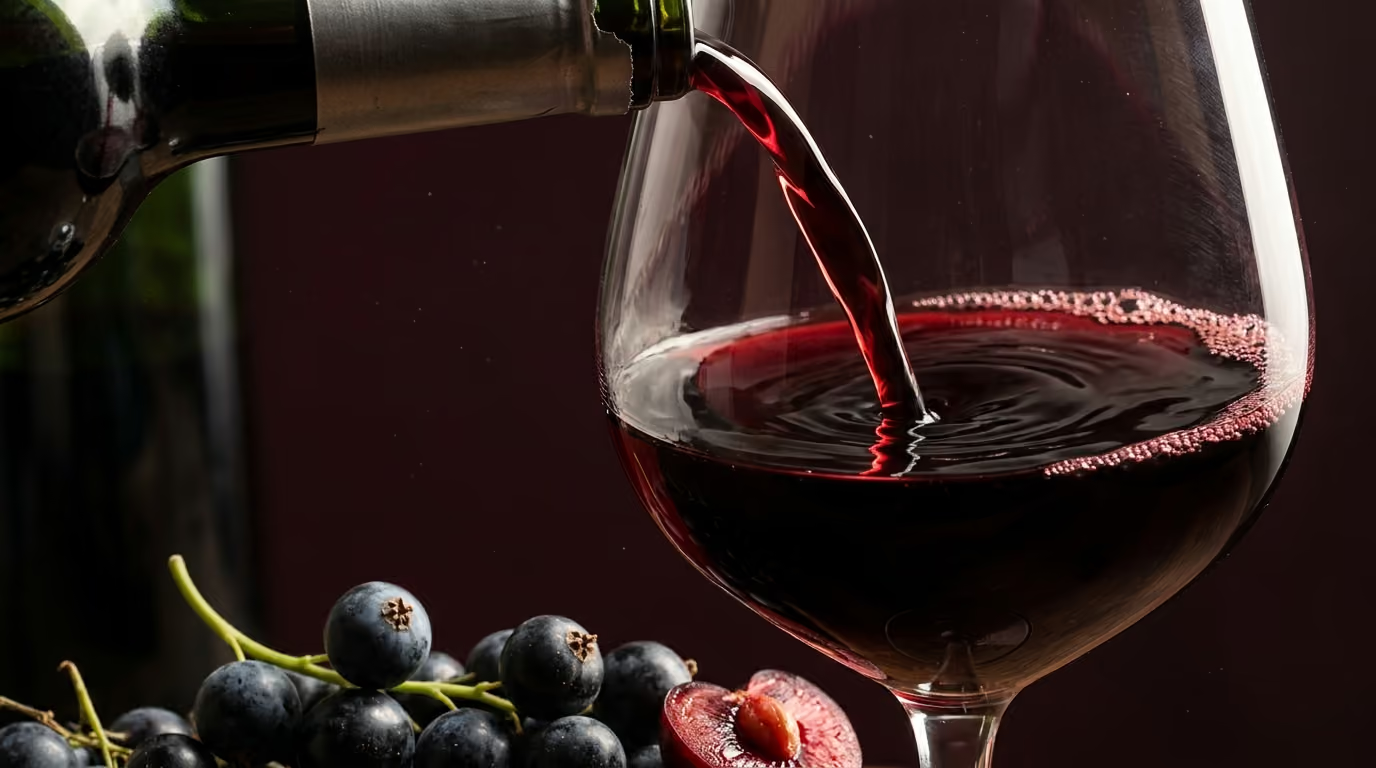
Cabernet Sauvignon tastes dry, dark-fruited and full-bodied, with blackcurrant and black cherry leading the way, a savory or herbal edge sitting underneath, and a drying grip on the finish that comes from tannin. Most bottles spend time in oak, so cedar, vanilla or cocoa usually hides just behind the fruit. It's almost never sweet, even when the aroma smells like jam. Reach for it when dinner is rich and you want a red with real weight behind it.
That's the short version, and it's enough to order confidently tonight. The longer version is more interesting, because Cabernet Sauvignon is the same grape whether it's grown in Bordeaux or Napa Valley, and the two can taste so different that people assume they're drinking different wines entirely. Once you know which direction you prefer, the crowded shelf gets a lot smaller.
What does Cabernet Sauvignon taste like on the first sip?
Dark fruit arrives first, and blackcurrant is the classic marker that tasters keep coming back to. You'll often see it written as cassis, which is the same fruit under its French name, so don't let the word throw you. Black cherry, plum and blackberry live in the same family, and which one you notice depends mostly on how warm the growing season was.
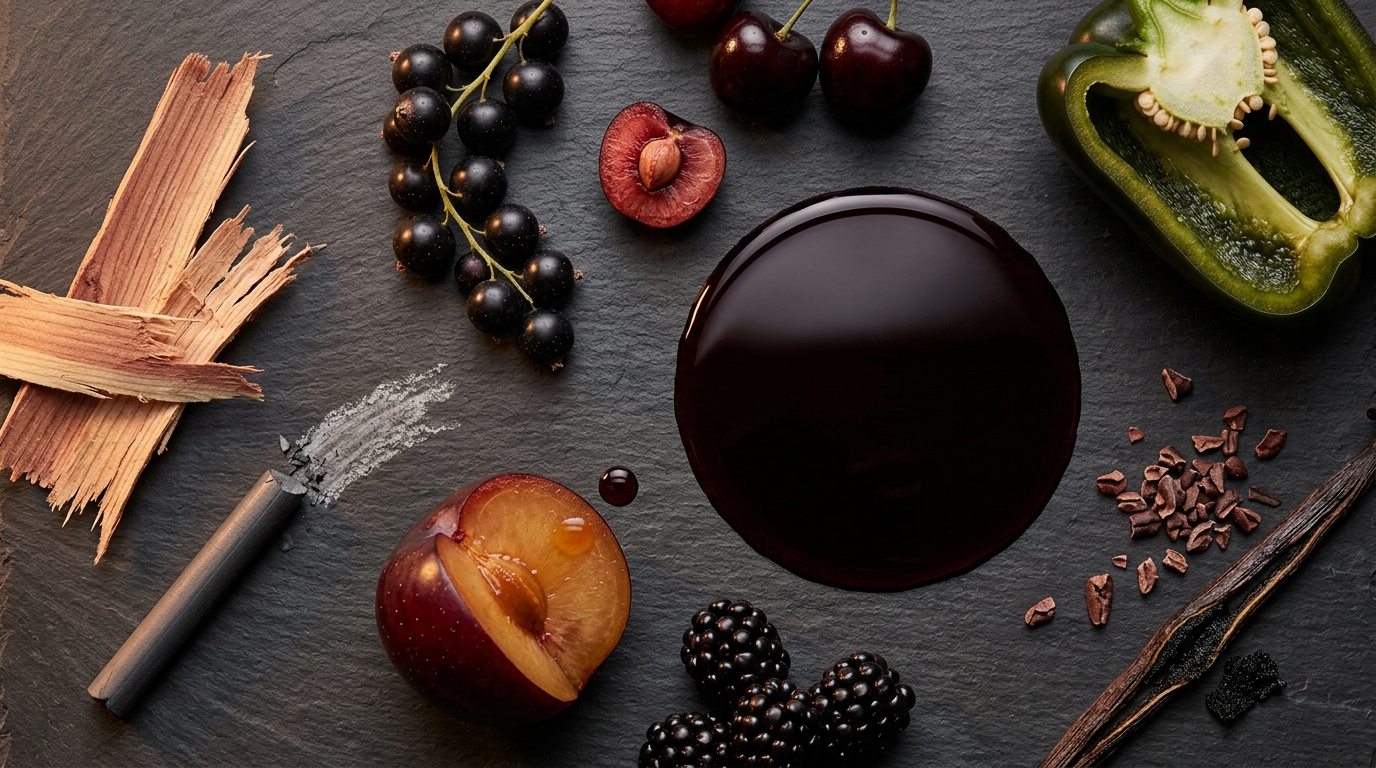
The texture matters as much as the flavor. Cabernet is built on firm tannin, which is the compound that makes your gums feel dry and slightly grippy, the same sensation you get from strong black tea. Alongside that grip, medium to high acidity keeps the wine from feeling heavy or syrupy, and it's the reason a big Cabernet still works beside a fatty steak instead of drowning in it. If you want the full picture of why some reds feel rough and others feel smooth, our explainer on what tannin in wine actually does covers the mechanics in plain language.
Beyond fruit and grip, a few other notes show up often enough to be worth naming. Here's a simple map from what you notice to what it's telling you.
| What you notice | How it feels | What it's telling you |
|---|---|---|
| Blackcurrant, cassis, black cherry | Dark and ripe | The classic Cabernet fruit core |
| Drying gums, a firm finish | A black tea grip | Higher tannin, often a younger bottle |
| A mouth-watering finish | Fresh and lifted | Medium to high acidity |
| Vanilla, cedar, cocoa, toast | Warm and rounded | Time spent in oak barrels |
| Green bell pepper, graphite | Fresh and savory | A cooler growing site or a leaner style |
That green bell pepper note surprises people, and it's worth explaining rather than apologizing for. It comes from natural aroma compounds called methoxypyrazines, and it shows up more strongly when the grapes ripened in cooler conditions. Some drinkers love the savory lift it gives, and others find it distracting next to the fruit. Neither reaction is wrong, and knowing which camp you fall into is genuinely useful information when you're choosing a bottle.
Is Cabernet Sauvignon sweet or dry?
Cabernet Sauvignon is a dry wine, which means almost all of the grape sugar turned into alcohol during fermentation and very little residual sweetness is left behind. If a bottle tastes noticeably sugary, it has usually been made in a deliberately sweetened commercial style rather than the classic one.
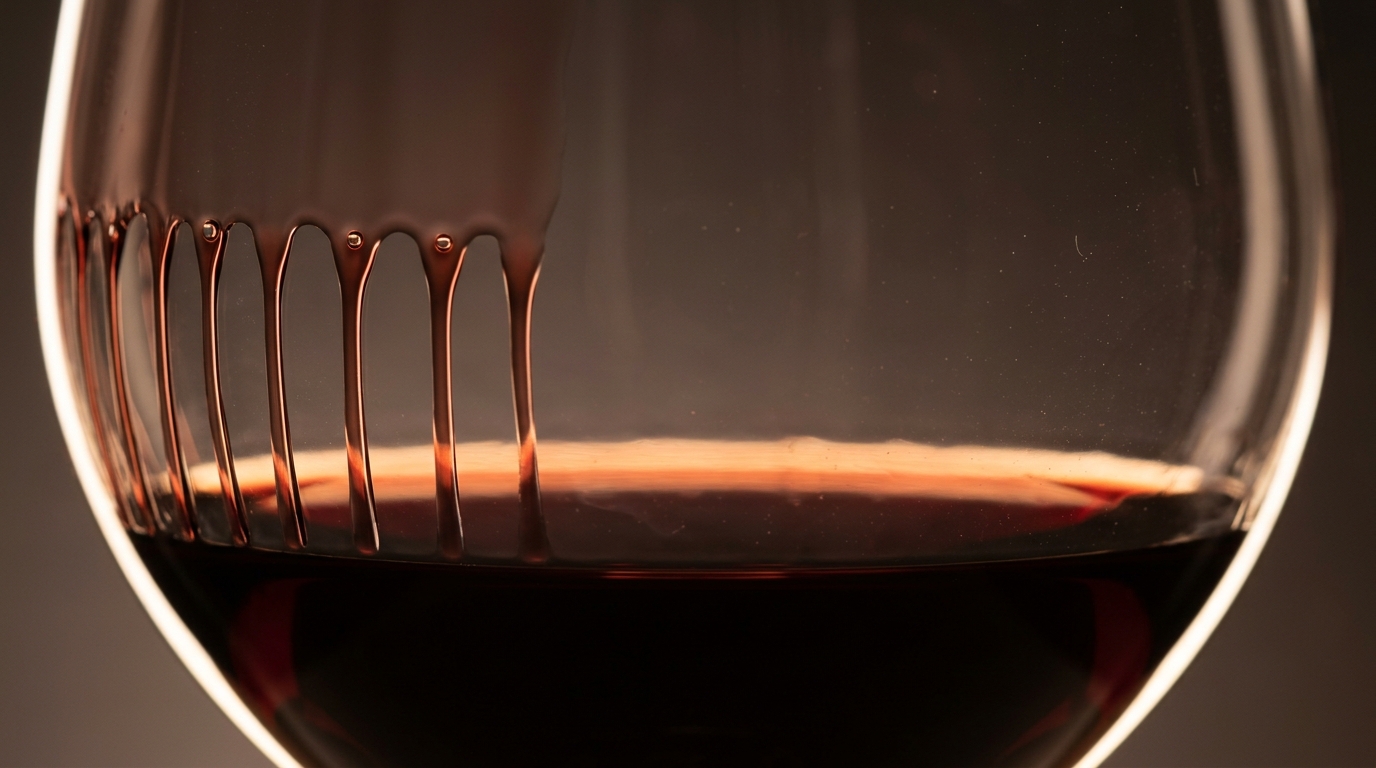
The confusion comes from a real quirk of how we taste. Very ripe dark fruit and heavy oak both smell sweet, so your nose sends one message while your tongue receives another. A warm-climate Cabernet with aromas of blackberry jam, vanilla and mocha can read as sweet on the first sniff and still finish completely dry on the palate. Higher alcohol adds to the illusion, because alcohol carries a faintly sweet impression of its own.
If sweetness is the thing you actually care about, the useful signal isn't the fruit description on the back label. It's whether the finish leaves your mouth feeling dry and a little grippy, or coated and soft. Our guide to telling dry and sweet wine apart before you buy walks through the label clues that genuinely predict this, and they apply just as well to Cabernet as to anything else.
Why does Bordeaux Cabernet taste nothing like Napa Cabernet?
Climate does most of the work. Cooler growing regions produce Cabernet with fresher acidity, firmer structure and more savory character, while warmer regions ripen the fruit further and give you a rounder, plusher, higher-alcohol wine from the very same grape.
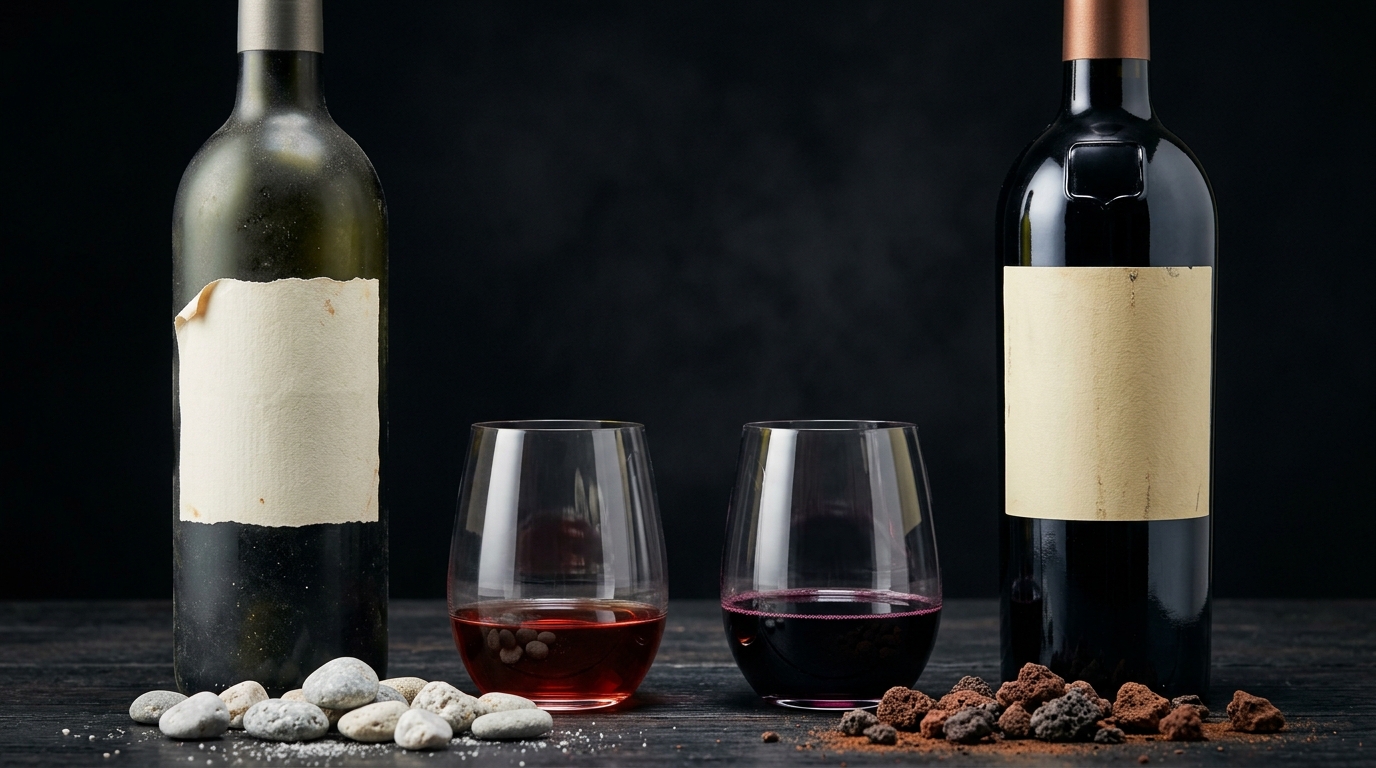
A classic Bordeaux from the Left Bank leans toward blackcurrant, cedar, graphite, dried herbs and a leafy freshness, with tannin that feels tighter and more structured. It's also usually blended, most often with Merlot and Cabernet Franc, which softens the edges and fills out the middle of the wine. That blending tradition is why a Bordeaux label rarely says Cabernet Sauvignon on the front at all, and why so many first-time buyers walk straight past it.
Napa Valley pushes in the other direction. Long warm days give you ripe blackberry and cassis, cocoa and baking spice from generous new oak, and a fuller, warmer feel from higher alcohol. Chile tends to land in between, offering dark fruit with a fresh herbal streak at prices that make experimenting cheap. Parts of Australia, especially Coonawarra and Margaret River, can add a distinctive mint or eucalyptus note that you either adore or actively avoid.
None of this is a ranking, and no region is objectively better. Producers within a single valley make wildly different wines depending on when they pick and how much new oak they buy, so treat the region as a starting direction rather than a promise. What it does give you is a fast way to shift a bottle toward savory or toward plush without reading a single tasting note.
How do you pick a Cabernet you'll actually enjoy?
Start with the meal and your fruit preference, in that order, and ignore almost everything else on the label. Those two decisions narrow a wall of two hundred bottles down to a handful, and they're both questions you can answer without knowing anything about wine.
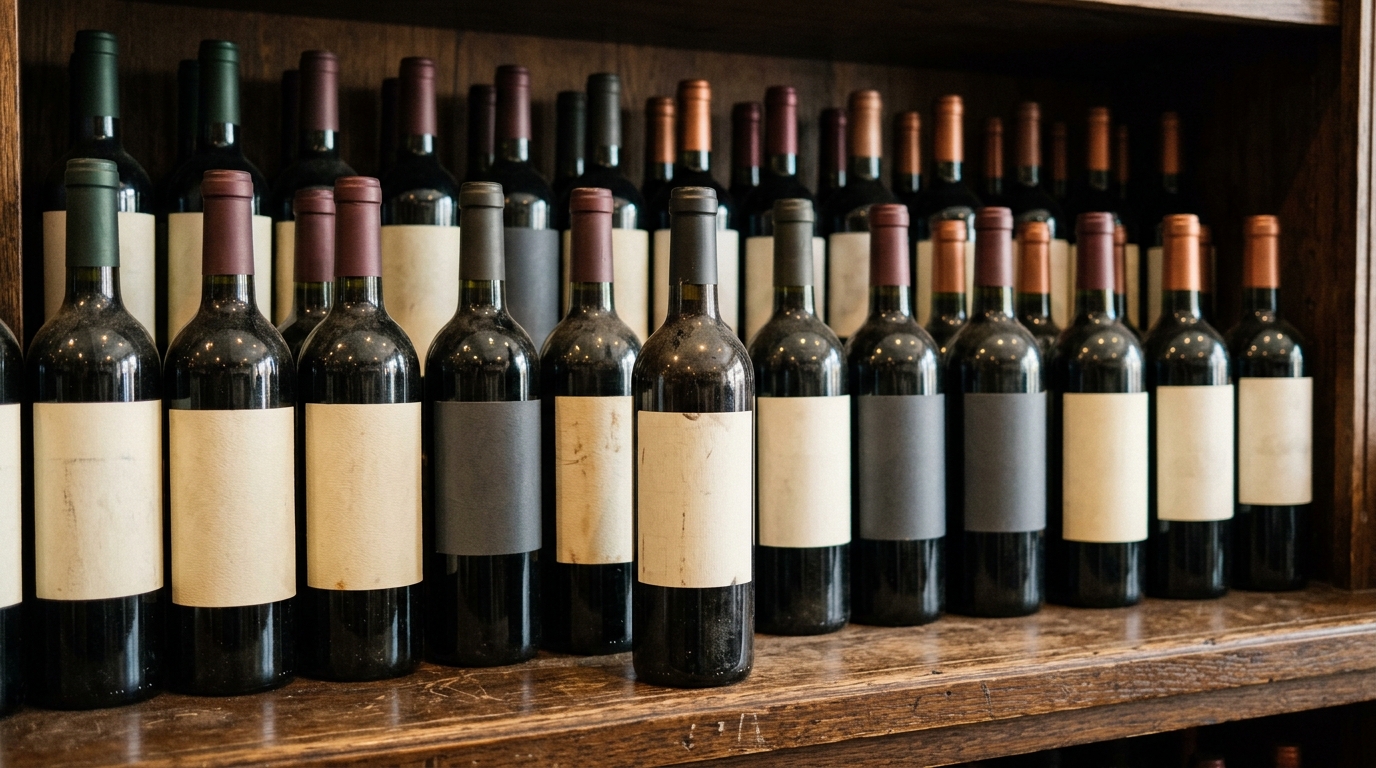
If dinner involves steak, lamb, a burger or a long-roasted joint of meat, Cabernet is already the right call and you're just choosing a style. If dinner is a salad, a delicate white fish or anything genuinely spicy, a different grape will serve you better and no amount of picking will fix the mismatch. Getting that first question right prevents more disappointing bottles than any amount of label study.
The fruit question is just as simple. Savory, herbal and structured points you toward Bordeaux, or toward a cooler California site like the Santa Cruz Mountains. Ripe, plush and cocoa-rich points you toward Napa, Paso Robles or a warm Australian region. Say the words out loud to a shop assistant and they'll hand you something suitable in under a minute, because those are exactly the terms they use with each other.
Oak level is the third dial, and it's the one labels hide. Very few bottles state how much new oak they saw, so the practical move is to ask for something where the fruit leads rather than the wood. If you're standing in the aisle with nobody around to ask, Sommy's Fit Check gives you an instant verdict on whether a specific bottle suits your style: type the name, speak it, or scan the label with Vision, and you get a straight answer before it goes in the basket. Your Taste Profile sharpens with every bottle you rate, so the verdicts get more useful the longer you use it.
Price deserves one honest sentence of its own. Spending more buys you concentration, better oak and more careful winemaking, but it doesn't buy you enjoyment if the style is wrong for your palate. A $20 Chilean Cabernet you love beats a $70 Napa bottle you find too heavy, every single time. Reading the label properly helps here too, and our guide on how to read wine labels decodes the terms that actually predict style.
What food makes Cabernet Sauvignon taste better?
Protein and fat are the answer. Tannin binds to both, which physically softens the drying grip and lets the fruit come forward, so the same bottle that felt austere on its own can taste generous the moment food arrives.
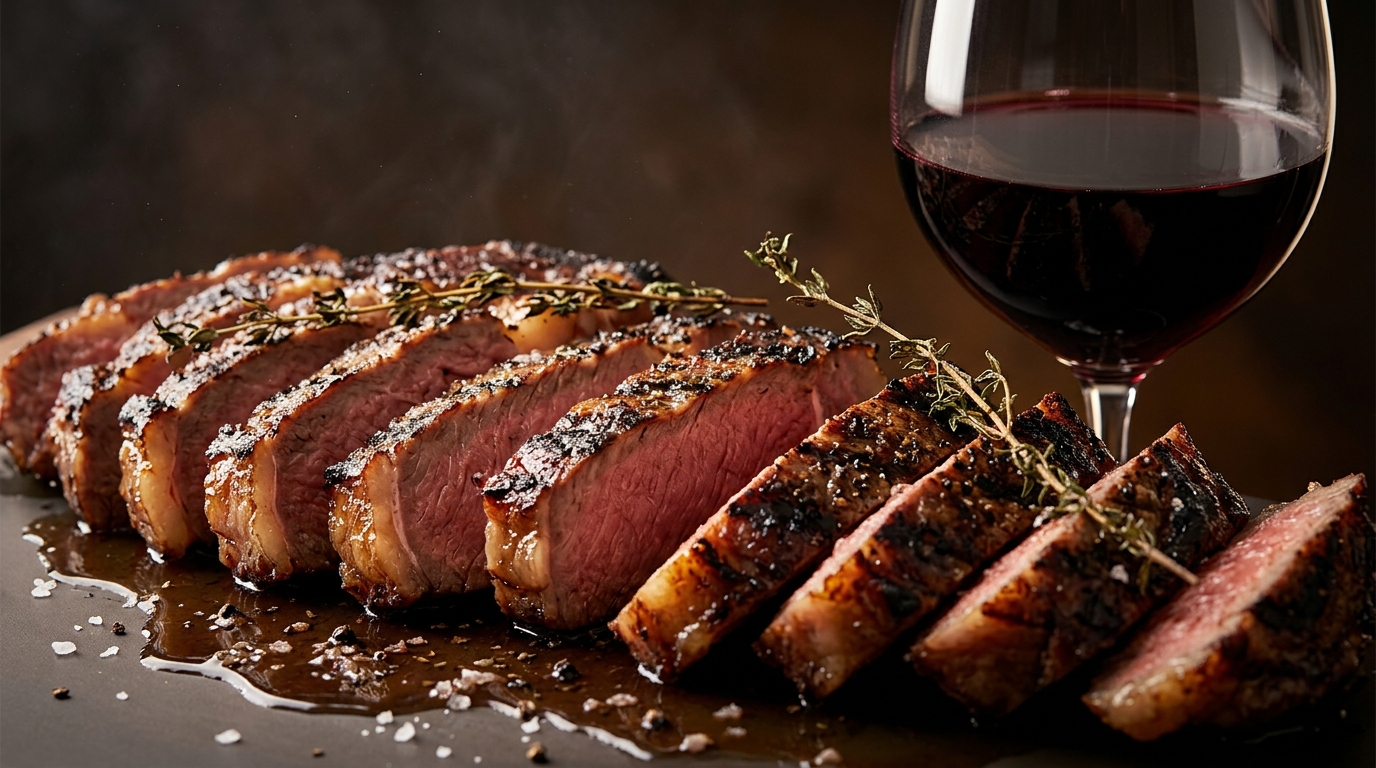
Grilled steak is the reference pairing for good reason, and roast lamb, a well-charred burger or a slow-braised short rib all work on the same principle. Aged hard cheeses like cheddar, Comte and mature Gouda do the job too, bringing enough fat and salt to round out even a fairly firm young bottle. For a meat-free table, roasted portobello mushrooms, lentil dishes and anything with browned, caramelized edges give the tannin something to grab onto.
There are two combinations worth avoiding, and both fail for reasons you can feel immediately. Genuinely spicy food makes the alcohol in a full-bodied Cabernet feel hotter and harsher, so the wine stops tasting of fruit and starts tasting of heat. Sugary barbecue sauce has the opposite problem, making the wine seem more bitter and drying by contrast. If either is on the menu, reach for something softer and fruitier instead. Our wider guide to pairing food with red wine has the alternatives worth knowing.
How cold should Cabernet be, and does it need decanting?
Serve it around 60 to 65 degrees Fahrenheit, which is cooler than most rooms and warmer than your fridge. Fifteen to twenty minutes in the fridge before pouring gets a room-temperature bottle almost exactly right.
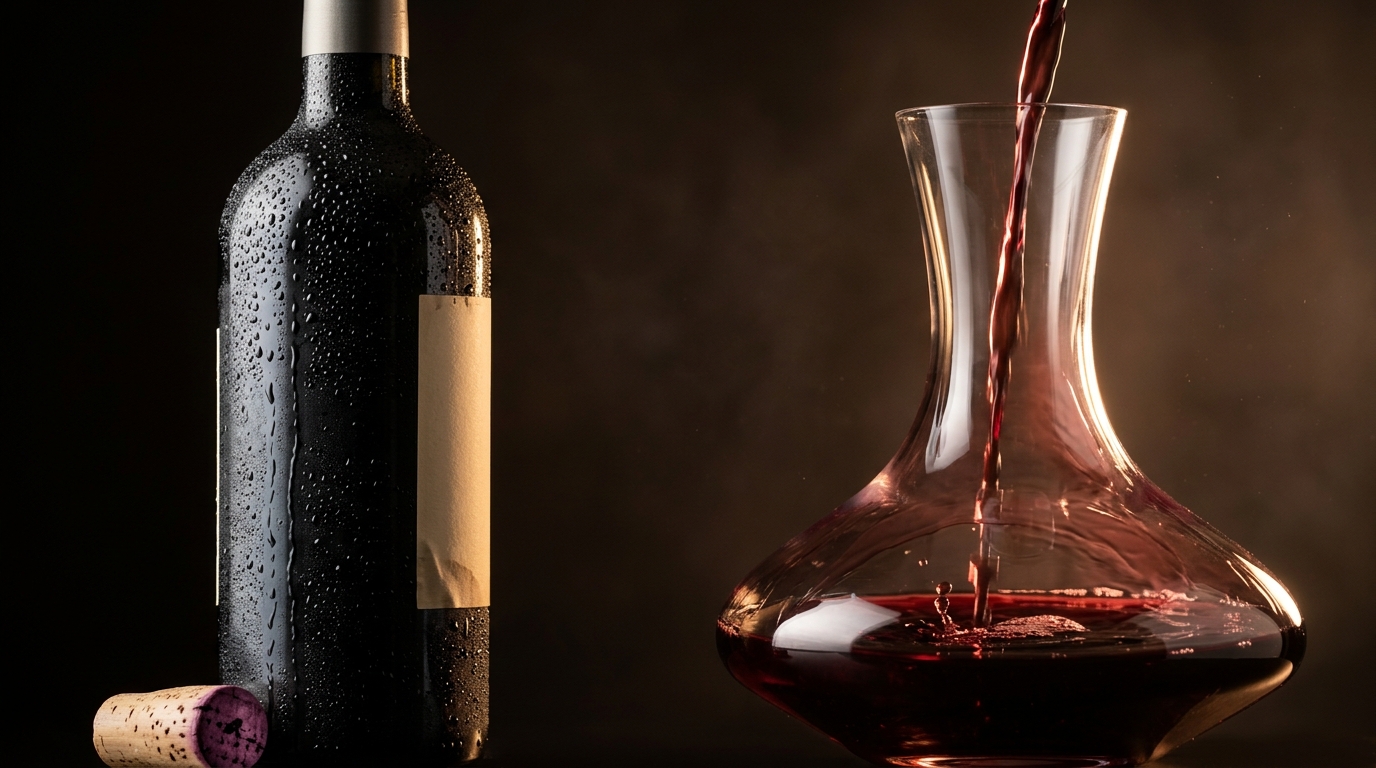
Temperature changes a Cabernet more than people expect. Too warm and the alcohol turns harsh while the fruit goes flabby and vaguely sweet. Too cold and the tannin clamps shut, leaving the wine tasting thin and bitter with none of its usual generosity. Our rundown of wine serving temperatures covers the same logic across other styles if you want the whole picture.
Decanting helps young bottles more than old ones. Thirty to sixty minutes of air relaxes the firmest tannins and lets the fruit open up, which is why a Cabernet often tastes better with the second glass than the first. An older bottle needs far less, because delicate aged aromas can fade within an hour of contact with air. If you don't own a decanter, pouring the wine into a jug and back into the bottle achieves most of the same effect in about ten seconds.
Frequently asked questions
What does Cabernet Sauvignon taste like?
It tastes of blackcurrant, black cherry, plum and blackberry, with firm drying tannin and medium to high acidity holding it together. Depending on where it grew and how it was aged, you may also find cedar, vanilla, cocoa, dried herbs, graphite or green bell pepper sitting behind the fruit.
Is Cabernet Sauvignon sweet?
No, Cabernet Sauvignon is a dry wine with very little residual sugar left after fermentation. Ripe fruit aromas and generous oak can make it smell sweet, but the finish stays dry and slightly grippy on the palate.
Is Cabernet Sauvignon a good wine for beginners?
It's a good starting point if you already enjoy bold flavors and rich food, though its firm tannin can feel harsh if you're used to softer reds. Merlot, Malbec or a ripe warm-climate Cabernet all make gentler introductions to the same family of dark-fruited wines.
What's the difference between Old World and New World Cabernet Sauvignon?
Old World Cabernet, meaning Bordeaux and its neighbors, generally shows fresher acidity, savory herbs, cedar and firmer structure. New World Cabernet from places like Napa Valley or Australia usually offers riper dark fruit, fuller body, more obvious oak and higher alcohol.
How long does Cabernet Sauvignon last after opening?
An opened bottle stays enjoyable for roughly three to five days if you recork it and keep it in the fridge. The tannin and acidity that make Cabernet feel firm also help it resist oxidation longer than most lighter reds.
Should you chill Cabernet Sauvignon?
Give it fifteen to twenty minutes in the fridge rather than serving it at room temperature. Modern rooms run warmer than the cellars this convention was built around, and a slightly cool Cabernet tastes fresher and more defined.
Your first bottle, chosen without the guesswork
Cabernet Sauvignon is dry, dark-fruited and firmly structured, and the single biggest variable is whether you want it savory and fresh or ripe and plush. Answer that one question, match it to a meal with some fat and protein in it, and the bottle almost picks itself.
The most useful thing you can do next is buy one of each and drink them a week apart. A Bordeaux or a cool-climate California bottle against a warm Napa or Australian one will teach you more about your own palate in two evenings than any tasting note ever will. Whichever you prefer, that preference is the thing worth remembering, because it points you straight at the next good bottle.