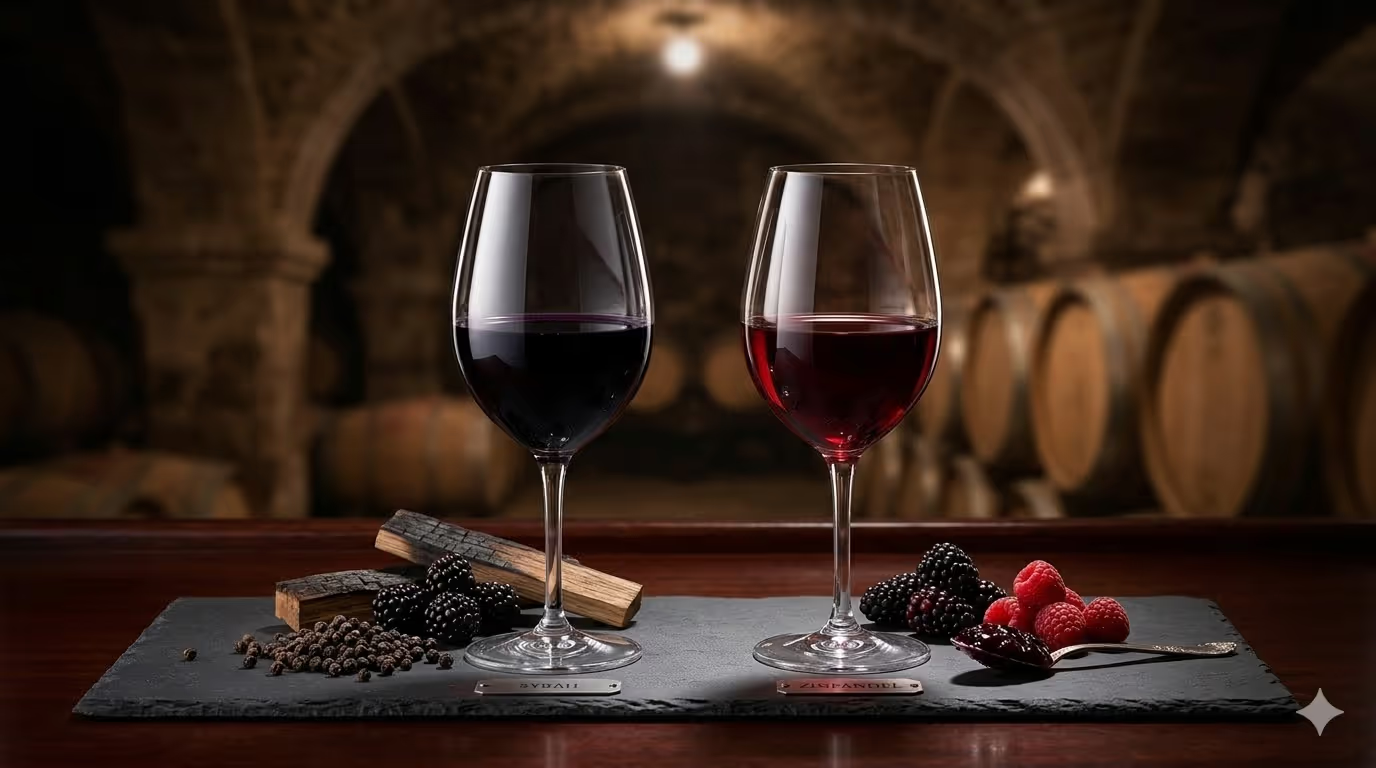

If you're choosing between Syrah vs Zinfandel and you want the one with more "spice punch," here's the simple answer: Zinfandel usually feels louder and hotter, Syrah usually feels darker and peppery. Neither is "better," they just hit different.
So what should you do in the moment, at a restaurant or in the wine aisle? Pick Zinfandel when you want juicy fruit plus a warm kick (especially with BBQ). Pick Syrah when you want pepper, smoke, and a more savory edge (especially with grilled meats).
This is a practical wine guide for busy people who don't want homework, just clear wine recommendations.
What "spice punch" means (without the wine-nerd talk)
"Spicy" in wine doesn't mean it has chili inside. It's a smell and taste that reminds you of pepper, smoke, cloves, or toasted herbs. Think of it like opening a spice drawer and catching a quick cloud of aroma.
Here's wine tasting notes explained in plain terms: most "spice" comes from a mix of grape character, ripeness (how sweet the fruit tastes), oak aging (which can add vanilla and baking spice), and alcohol (which can feel warming).
In other words, wine explained simply looks like this:
- Peppery spice: more like black pepper on steak.
- Baking spice: more like cinnamon toast or clove.
- Smoky spice: more like char on a grill.
- Heat: a warming feeling in your throat, often from higher alcohol.
If you want extra context on common red styles, this overview of red wine varieties and pairings helps put both wines on the same map.
Quick gut-check: if "spice" means pepper and smoke to you, you'll lean Syrah. If it means warmth and bold flavor, you'll lean Zinfandel.
Syrah's punch: pepper, smoke, and a steady roar
Syrah often tastes like dark berries with a crack of black pepper. It can also smell a bit smoky, like a grill that's still warm. The "punch" isn't always loud at first sip. Instead, it builds, like bass you feel in your chest.
Some bottles will say Shiraz. That's the same grape, just a different naming style. If you want the quick explanation, see Syrah vs Shiraz differences. For choosing tonight, you can treat them as close cousins and focus on the vibe in the description.
Syrah is a great pick when you want spice that feels savory, not sweet. It also works when you're trying to avoid a wine that tastes like candy.
Here are a few simple wine tips for choosing Syrah fast:
- Look for menu words like pepper, smoke, savory, dark fruit, grilled.
- If you're eating steak, lamb, or mushrooms, Syrah usually lands well.
- If your food is very spicy-hot, Syrah can feel intense. In that case, consider a lighter red.
Need an easy anchor for dinner planning? This guide on finding the best wine for dinner keeps the focus on the meal, not the label. It's the kind of everyday wine advice that lowers the pressure.
Zinfandel's punch: juicy fruit and a warm kick
Zinfandel is the friend who shows up loud, fun, and a little fiery. It often tastes like ripe berries, sometimes almost jammy, with peppery spice on the finish. Many Zins also bring noticeable warmth, which is why people describe them as "big."
That warmth is part of why Zinfandel can feel like it packs more punch than Syrah, even when both are bold. The fruit comes first, then the spice, then the cozy heat.

Zinfandel shines when food is smoky, sweet, sticky, or charred. It's also one of the best "I need a safe red" grocery store wine picks because it's usually crowd-pleasing.
For real-life restaurant wine tips and wine list tips, keep it simple:
If the menu says ribs, brisket, burgers, pizza, or anything BBQ, Zinfandel is a comfortable yes. If you're staring at a shelf, reach for Zin when you want bold flavor without guessing.
A good pairing shortcut: if you're making ribs or saucy pork, this guide on Zinfandel with smoky pork dishes helps you match the wine to the sauce, not the protein.
Syrah vs Zinfandel: a fast, no-stress decision framework
Use this as your mini wine pairing guide when you're choosing in under a minute. One sentence first: Zinfandel is usually the louder "spice," Syrah is usually the deeper "spice."
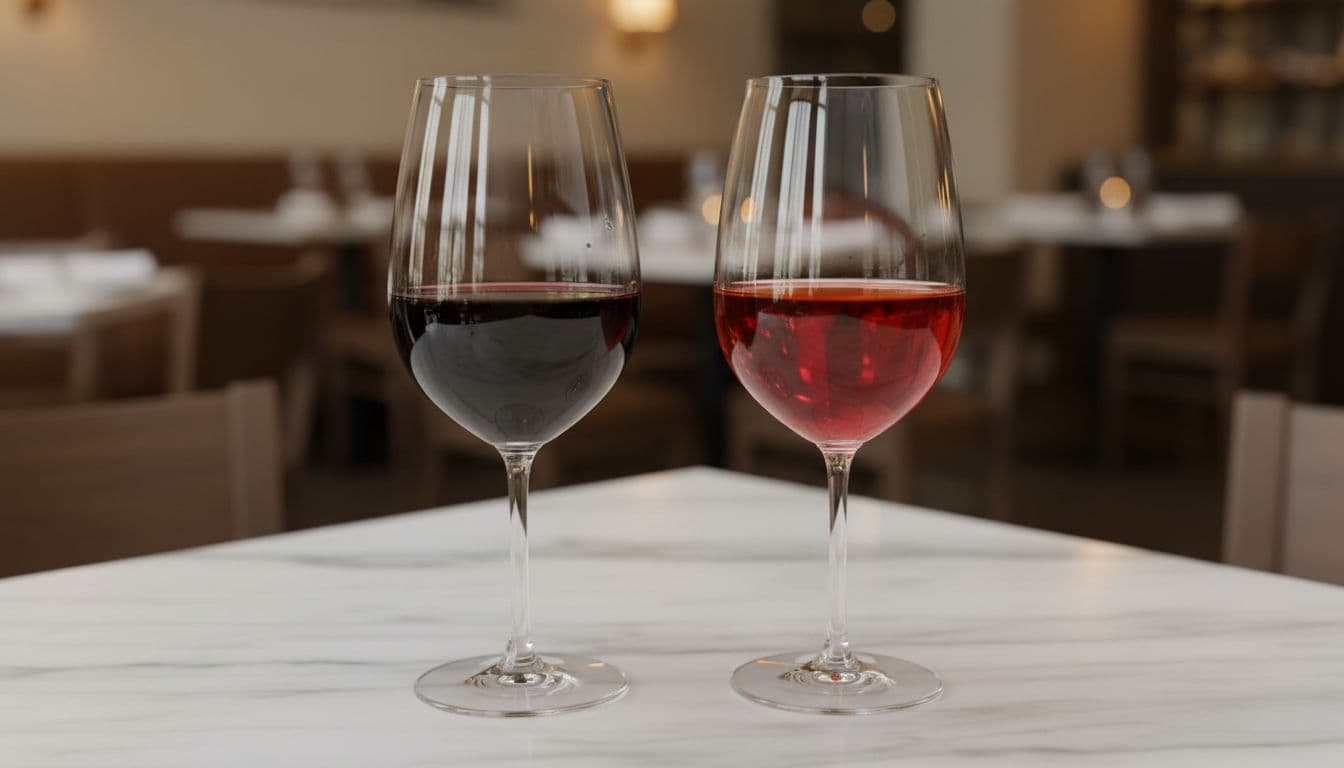
Here's a quick table you can screenshot with your eyes:
| If you want… | Choose… | Why it works |
|---|---|---|
| Peppery, smoky, "savory" spice | Syrah | Feels darker and steadier, spice reads like pepper and char |
| Juicy fruit with a warm kick | Zinfandel | Fruit comes first, then spice, often with more heat |
| A safer pick for BBQ sauce | Zinfandel | Matches sweet smoke without tasting thin |
| A "serious" red for grilled meat | Syrah | Plays well with char, herbs, and savory flavors |
| Something that won't feel sweet | Syrah | Often reads less jammy than Zin |
That's also how to choose wine without needing a dictionary. Match the wine's attitude to your food and your mood.
And if you want friendly wine advice that adapts to you (not a one-size chart), this is exactly where an AI wine assistant helps. Instead of guessing, you can use smart wine recommendations based on what you're eating, what you usually like, and what's actually on the list in front of you. That means personalized wine picks, not generic rules.
Sommy is built for that moment: you're deciding now, not studying. It's wine app suggestions that feel like a calm friend, plus personalized wine recommendations that improve over time. Consider it a modern wine guide for smart wine picks, with simple wine explanations and clear wine recommendations when you're on the spot. For pairing help with a common menu item, this what wine goes with pork guide keeps the decision easy.
Conclusion: the punch depends on the kind of spice you mean
Zinfandel usually packs more obvious punch, because it's fruit-forward and often warmer. Syrah hits with pepper, smoke, and a darker, steady power. If you're choosing tonight, match Zin to BBQ and big flavors, match Syrah to grilled and savory plates.
When you want wine recommendations that fit your taste fast, don't force yourself to "know wine." Ask for what you want, pick with confidence, and let simple wine tips do the heavy lifting.