The best wine for pork depends on how it’s cooked, not just the meat itself. For light dishes like roasted pork loin, choose a light red or a crisp white wine. For rich, fatty cuts like pork belly, you need a wine with high acidity to cut through the richness. And for bold, smoky BBQ pork, match it with a bold, fruity red wine. This simple approach removes all the guesswork.
You don't need to become a wine expert to choose the right bottle; you just need a straightforward way to think about your meal.
A Simple Rule for Pairing Wine With Pork
Standing in the wine aisle can feel overwhelming. You just want to grab a bottle that you know will work, without having to guess. The good news? Pork is incredibly wine-friendly. Its flavor changes depending on the cut and, more importantly, how you cook it.
That’s why the "match the cooking style" rule is your secret weapon. It instantly narrows hundreds of choices down to a handful of great ones, turning a stressful decision into a confident one.
Match the Wine to the Cooking Style
Instead of getting tangled up in confusing rules, just ask yourself one question: Is the dish light and savory, rich and fatty, or bold and smoky?
That single question will point you in the right direction every time. It's a core idea we cover in our guide on how to match wine with food, which is all about making decisions feel easy.
Pork’s versatility is why so many wines work well with it. You’ll see Pinot Noir mentioned often, and for good reason. This light-to-medium-bodied red, with its bright acidity and soft texture, complements everything from simple pork chops to elegant tenderloins without ever stealing the show.
This little decision tree shows you exactly how to think about it.
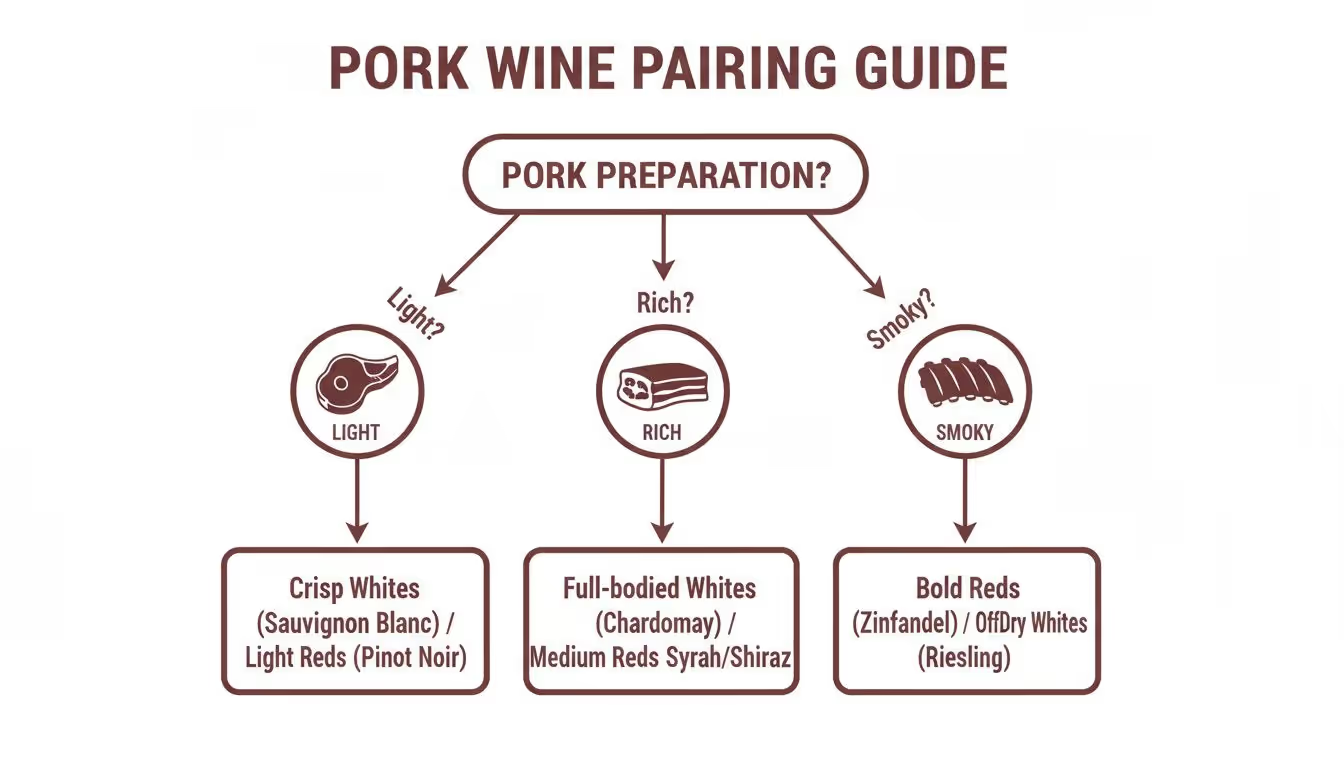
As the chart shows, your decision always starts with the style of the meal. Follow that path, and you'll land on a confident choice every time.
The secret isn't finding one "perfect" wine. It's about finding a wine that makes the food taste even better. This simple framework gives you three reliable paths to get there.
Of course, if you want help making these calls in the moment, an AI assistant like Sommy can instantly scan a menu or a store shelf to find a bottle that fits your meal and your personal taste.
Quick Pork and Wine Pairing Cheat Sheet
When you need a fast answer, this table is your best friend. Just find how your pork is prepared and grab the suggested style.
This isn't about memorizing rules; it’s about understanding the logic. Once you see how acidity cuts fat or how fruit balances smoke, you can start making these calls on your own, no cheat sheet required.
Choosing a Wine for Roasted Pork or Pork Chops
When you’re making roasted pork loin, a delicate tenderloin, or simple pan-fried pork chops, the flavors are often savory and subtle. This is not the time for a big, overpowering wine that will steamroll your dinner.
You need something that complements the herbs and the clean taste of the meat. Think of the wine as a supporting actor, there to make the main dish shine. You can confidently reach for two reliable categories: lighter-bodied red wines and fuller-bodied white wines.
The Can't-Miss Red Wine Choice
For a lean, savory pork dish, Pinot Noir is the classic, go-to answer. It’s the wine equivalent of your favorite comfortable sweater—always a good idea.
Its bright red fruit flavors, like cherry and raspberry, and its gentle earthiness work beautifully with seasonings like rosemary, thyme, and garlic. It has just enough acidity to cut through the richness without being sharp. If you see Pinot Noir on a menu next to a pork chop, you can order it with complete confidence.
The Perfect White Wine Alternative
If you’re more of a white wine drinker, a fuller-bodied white is an excellent partner here. It brings the right amount of weight and texture to match the meat.
Your best bet is a lightly oaked Chardonnay. Look for descriptions like "creamy" or "buttery." This style has the body to stand up to the pork, and its subtle richness is a fantastic match for the lean profile of a pork loin or chop. It’s a sophisticated pairing that feels both comforting and special.
The goal is simple: give yourself a couple of solid, easy-to-remember options. Whether you ask for a Pinot Noir or a Chardonnay, you're making a choice that will elevate your meal.
This kind of specific, in-the-moment decision is exactly what the Sommy app is designed for. Instead of guessing, it can scan a menu and point you to the Pinot Noir that best fits your personal taste. It removes the anxiety so you can just enjoy the dinner.
For a deeper dive into this specific pairing, our guide on wine pairing for pork tenderloin offers more simple tips to build your confidence. The main takeaway is that you have great options in both red and white, so the best choice is simply the one you’ll enjoy the most.
The Best Wines for Rich and Fatty Pork Dishes
Let's talk about those truly decadent pork dishes—slow-cooked pork belly, a rich pork shoulder in a creamy sauce, or a beautiful holiday ham. With these meals, the fat is a huge part of what makes them incredible. That richness is exactly what we need to think about when picking a wine.

You need a wine with enough acidity to slice right through that deliciousness and hit the reset button on your palate. Without it, each bite can start to feel heavier. This is where a crisp, high-acid white wine becomes your secret weapon. For fatty dishes, a vibrant white is often the perfect move.
Your Go-To White Wines for Rich Pork
The best tool for the job is a dry or off-dry Riesling. Its zesty, mouthwatering acidity and bright notes of citrus and green apple act like a spotlight, cutting through the fat and making each bite taste as amazing as the first. This pairing is a classic for a reason, rooted in German traditions where Riesling is the go-to for roast pork belly.
Another brilliant choice is a dry Chenin Blanc. It brings a similar cleansing acidity but often offers a different set of flavors—think quince, chamomile, and a touch of honey. It’s one more piece of proof that a white wine can be the most satisfying partner for even the heartiest pork dishes.
Don't be afraid to choose a white wine for a rich meat dish. The high acidity in wines like Riesling is what creates a perfect balance, preventing the meal from feeling too heavy and keeping your palate refreshed.
What to Look For on the Label
When you're at the store, you don't need to know regions or producers. Just look for these simple clues:
- For Riesling: Look for the words "dry" or "trocken" (the German word for dry). If you enjoy a tiny hint of sweetness to balance salty pork like ham, a bottle labeled "off-dry" will also be fantastic. Many of the best fruity wines offer this perfect balance.
- For Chenin Blanc: Wines from the Loire Valley in France (look for "Vouvray" or "Saumur") or from South Africa are consistently great choices.
Choosing a wine for a rich meal shouldn’t add stress to your dinner plans. This is exactly the kind of in-the-moment decision Sommy helps with, instantly pointing you to a high-acid white on the menu that will make your meal sing.
Pairing Wine With BBQ and Smoked Pork
The moment you add smoke and a bold, tangy BBQ sauce to pork, the entire pairing game changes. Dishes like pulled pork or smoked ribs are packed with huge flavors that can steamroll a delicate wine. To nail this match, you need a wine that can stand shoulder-to-shoulder with that intensity.
Your best bet? A bold, fruity red wine that's low in tannin. Tannins, that element in wine that can feel drying or bitter, often clash with sweet and smoky sauces. A fruit-forward red, on the other hand, plays along beautifully, complementing the sauce while matching the richness of the meat.
Go Bold With Big, Fruity Reds
The undisputed champion for BBQ pork is Zinfandel, especially from California. It’s packed with jammy fruit flavors like blackberry and raspberry, often with a hint of black pepper that feels made for the spice in a good BBQ rub. It has the body and flavor to handle even the sweetest, smokiest sauces. This is a go-to move for a reason, as you can see in pro resources like the IWFS food pairing guide.
Not a Zinfandel fan? No problem. Other fantastic choices include:
- Australian Shiraz: Known for its rich, dark fruit and a signature peppery spice that stands up perfectly to smoke.
- Spanish Grenache (Garnacha): Often bursting with ripe red fruit and a smoother texture, this is a great pick if you want something bold but a little less jammy than Zin.
The core idea is to match intensity. A big, flavorful dish needs a big, flavorful wine. A fruity red has the confidence to stand next to BBQ sauce without starting a fight.
Why This Pairing Works So Well
Think of the wine as one more ingredient on the plate. The deep, fruity character of a Zinfandel or Shiraz acts almost like a dark fruit glaze, lifting up both the pork and the sauce. It slices through the richness and keeps the whole meal from feeling heavy or one-note.
Making this choice at a restaurant or wine shop should feel easy. This is exactly the kind of in-the-moment decision an AI assistant like Sommy simplifies, instantly pointing you to a Zinfandel on the menu that fits your taste. For more quick-fire ideas, our complete guide to pairing wine with BBQ ribs and pulled pork has even more easy-to-remember options.
Finding the Right Wine for Cured Pork Like Bacon
Pairing wine with cured pork—think bacon, prosciutto, or salami—can feel tricky. These meats are loaded with intense salt and savory flavors. The goal isn't to overpower them, but to find a wine that hits the reset button on your palate after each bite.
You want something that cleanses, refreshes, and gets you ready for the next delicious, salty slice.
Forget complex wine theory. All you need to remember are two things: good acidity and bright fruit notes. Those are your secret weapons here.
Your Go-To Wine Choices
A dry Rosé is a fantastic all-around player. It brings the crisp, refreshing acidity of a white wine to cut through the fat, but it has just enough red fruit character to stand up to the cured meat's flavor. It’s the most reliable friend a charcuterie board could ask for.
If you're in the mood for bubbles, a dry sparkling wine like Prosecco, Cava, or Brut Champagne is an incredible choice. The combination of carbonation and high acidity literally scrubs your palate clean, making the salty, savory notes of the pork pop.
And for the red wine drinkers? Go for something light-bodied with plenty of bright fruit.
- Gamay (from Beaujolais): This is a light, juicy red full of berry flavors and, crucially, low tannins.
- Lambrusco Secco: A dry, fizzy red from Italy that feels like it was invented to be drunk alongside cured meats.
The secret to pairing wine with salty foods is always acidity. A wine with that crisp, mouthwatering quality will slice right through the salt and fat, creating a perfectly balanced and refreshing experience.
Knowing a little more about wine styles can make these choices feel even more intuitive. For a simple breakdown, you can learn more in our guide to dry vs. sweet wine.
Instead of staring at the wine aisle guessing, this is exactly the kind of decision Sommy nails instantly. Just tell it you're having a charcuterie board, and it'll suggest a great bottle of Rosé or Prosecco that fits your personal taste.
How to Make Your Final Choice With Confidence
You now have a simple framework to confidently figure out what wine goes with pork. At the end of the day, the single most important rule is to trust your own taste. If you absolutely love Pinot Noir, you’ll probably enjoy it even if you’re having BBQ ribs. The goal is enjoyment, not a mythical, perfect pairing.

Wine feels confusing because people are afraid of choosing wrong. Let go of that fear. All you need are a few core ideas to feel ready to relax and enjoy the meal.
Key Principles for a Great Pairing
To make a great choice every time, just keep these simple concepts in mind:
- Match the cooking style, not just the meat. A light dish needs a light wine; a bold dish needs a bold wine. It's that straightforward.
- Use acidity to your advantage. For rich, fatty cuts like pork belly, a wine with bright acidity (like a Riesling) will slice right through that richness.
- Balance boldness with boldness. For smoky, saucy dishes like pulled pork, you need a wine with big fruit flavors (like a Zinfandel) to stand up to the sauce.
You don't need to become a wine expert to drink well. You just need a little confidence and a simple way to think about your choices. The best pairing is the one that makes you and your guests happy.
If you ever want a little extra help making that choice in the moment, that’s exactly what an AI assistant is for. Instead of guessing in the wine aisle, Sommy can scan a shelf or menu and recommend the perfect bottle based on your personal preferences.
Common Questions About Pork and Wine Pairings
Even with a solid game plan, a few questions always seem to pop up when you’re staring at a wine list. Here are quick, confident answers to take the last-minute stress out of the equation.
What Is the Safest Wine to Bring if Pork Is Being Served?
You’re heading to a dinner party and know pork is on the menu, but you don't know how it’s being cooked. You need a bottle that can roll with the punches.
Your two safest bets are Pinot Noir and a dry Rosé. Think of them as the Swiss Army knives of the wine world. Pinot Noir is light enough for roasted loin, yet has enough bright acidity and fruit for richer sauces. A good dry Rosé pulls off a similar magic trick—it has the crispness of a white wine but the red fruit notes of a red, making it a reliable crowd-pleaser.
Can I Drink White Wine With Pork?
Absolutely! A white wine is often the perfect call. The key is to match the wine’s body and acidity to the dish.
- For rich, fatty cuts like pork belly, you need something that can cut through the richness. A crisp, high-acid white like a dry Riesling is the perfect tool for the job.
- For lean, roasted pork loin, a fuller-bodied Chardonnay can match the weight of the dish beautifully, creating a balanced pairing.
What if My Guests Have Different Wine Tastes?
When you’re hosting, the goal is to make everyone happy. All you need are a couple of smart, flexible options.
Pour one versatile red and one versatile white. A fantastic combo would be a Grenache blend (fruity, smooth, and gets along with almost everything) and a crisp Sauvignon Blanc (zesty, refreshing, and just plain easy to drink). This simple one-two punch ensures everyone at the table has a great option.
Does a More Expensive Wine Make a Better Pairing?
Not at all. A great pairing is about matching the style of the wine to the style of the dish—the price tag has nothing to do with it. An expensive, heavy Cabernet Sauvignon would completely steamroll a delicate pork tenderloin, while a simple, affordable Beaujolais would feel like it was made for it.
There are tons of excellent, high-value wines out there for every pork dish. If you focus on the flavor profile instead of the price, you’ll make a better choice every single time.
Navigating choices like these is exactly what Sommy was built to do. Instead of trying to memorize a bunch of rules, you can get a quick, confident recommendation based on your meal and your personal taste. That way, you can just relax and enjoy the moment. Find out more at https://www.sommy.ai.

EntreprEngineur. Runs on latte's. Creates with the intensity of a downhill run—fast, slightly chaotic, ideally followed by a glass of wine.