
Choosing wine for bbq ribs and pulled pork isn’t about fancy rules. It’s about finding bottles that can stand next to smoke, sticky sauce, and salty fat without tasting flat. In practice, that means juicy fruit, fresh acidity, and tannins that don’t dry your mouth out.
If you want the quick answer, start with Zinfandel, Grenache-based blends, Rioja Crianza, chilled Lambrusco, and off-dry Riesling. The rest of this wine pairing guide explains why these work, plus grocery store wine picks, restaurant wine tips, and a simple way to get personalized wine recommendations when you’re in a hurry.
How to choose wine for BBQ pork (wine explained simply)
BBQ pork has three “loud” flavors. Pick wines that answer them, not wines that fight them. This is the core of how to choose wine for ribs and pulled pork.
Smoke and char add bitter edges, like coffee crust on a steak. Wines with too much oak or too many tannins can taste ashy here.
Sauce swings sweet, tangy, or both, which calls for fruit and acidity.
Spice turns alcohol into a megaphone, so hot food often tastes hotter with high-alcohol reds.
Here are simple wine tips that cover most backyard BBQ plates:
- Medium or low tannin: keeps your mouth from feeling sandpaper-dry after sweet sauce.
- Bright acidity: cuts pork fat and lifts vinegar-based slaw.
- Ripe fruit: matches the brown sugar, ketchup, and smoke.
- A slight chill (for many reds): makes spicy food feel calmer.
If you’re new to pairing, this is your beginner wine guide in one line: choose wines that feel juicy and fresh, not heavy and harsh. That’s the kind of beginner-friendly wine advice that works at a cookout.
Best red wine for BBQ ribs (sticky sauce, smoke, and bark)
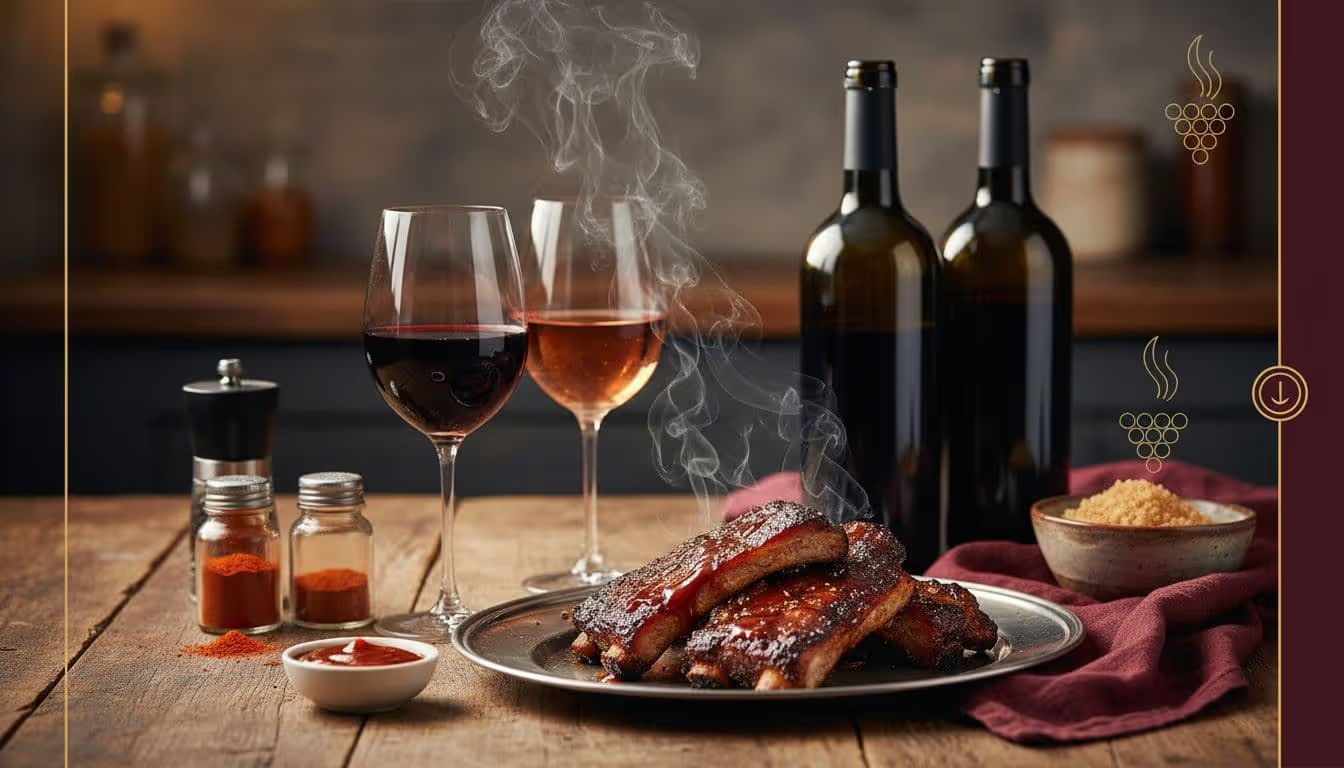
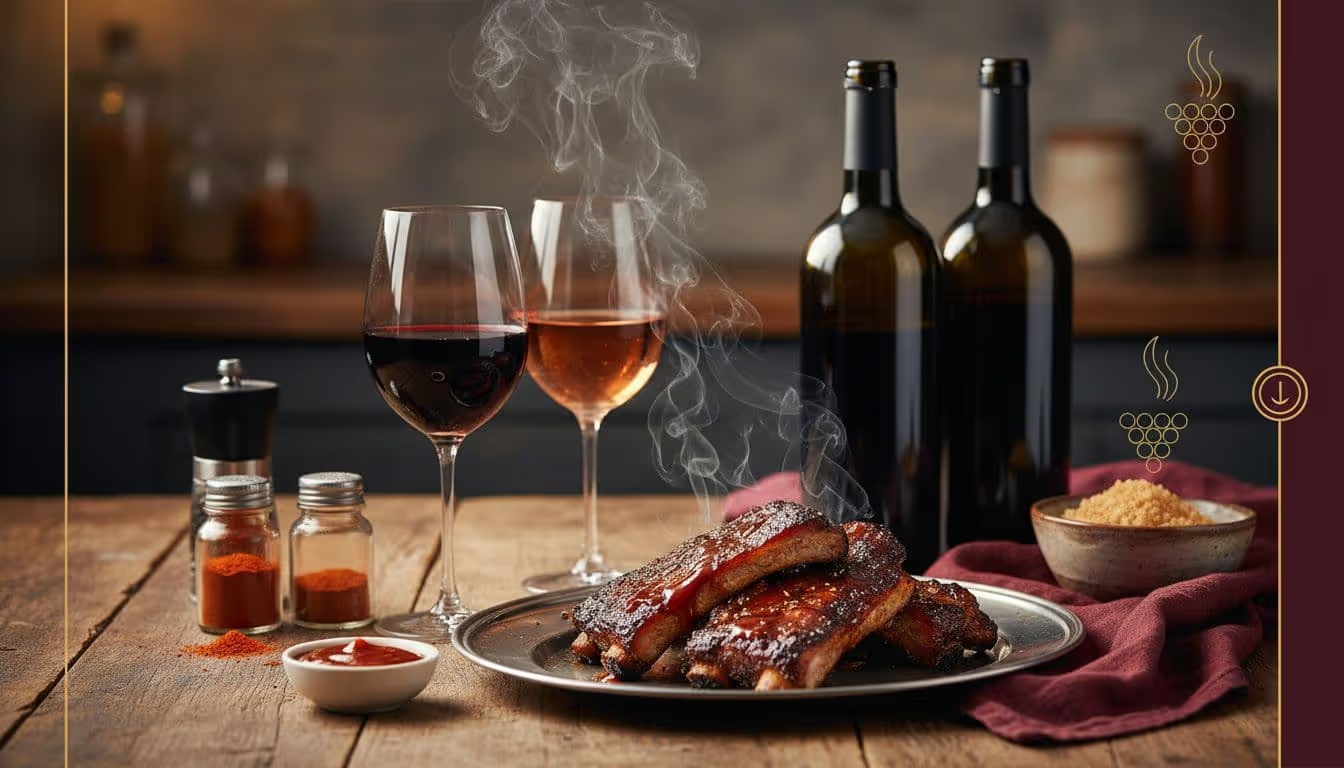
Ribs are rich, salty, and often sweet. You want red wines that taste like berries and spice, not bitter tea. These are dependable wine recommendations for saucy ribs.
Zinfandel (especially “Old Vine”)
Big berry fruit, black pepper, and a warm feel that matches rubs and char. If your sauce is very sweet, pick a Zin that says “balanced” or “not too jammy.”
Wine tasting notes explained: if you read “jam” and “vanilla,” expect sweeter fruit and more oak.
Grenache or GSM blends (Grenache, Syrah, Mourvèdre)
Think raspberry, baked spice, and a soft texture. This is the easy button for ribs because it handles smoke without turning bitter.
Rioja Crianza (Tempranillo)
A classic “savory plus cherry” profile that plays well with tomato-based sauce. Crianza often has gentle oak, not a mouth-drying wall of tannin.
Barbera (Italy)
High acidity, dark cherry fruit, and usually modest tannin. If your ribs come with tangy sauce, Barbera keeps the pairing bright.
One serving move that matters: try these reds slightly cool (about cellar temp). Warm reds can taste boozy next to sweet sauce.
Wine for pulled pork (vinegar, slaw, and pickles)
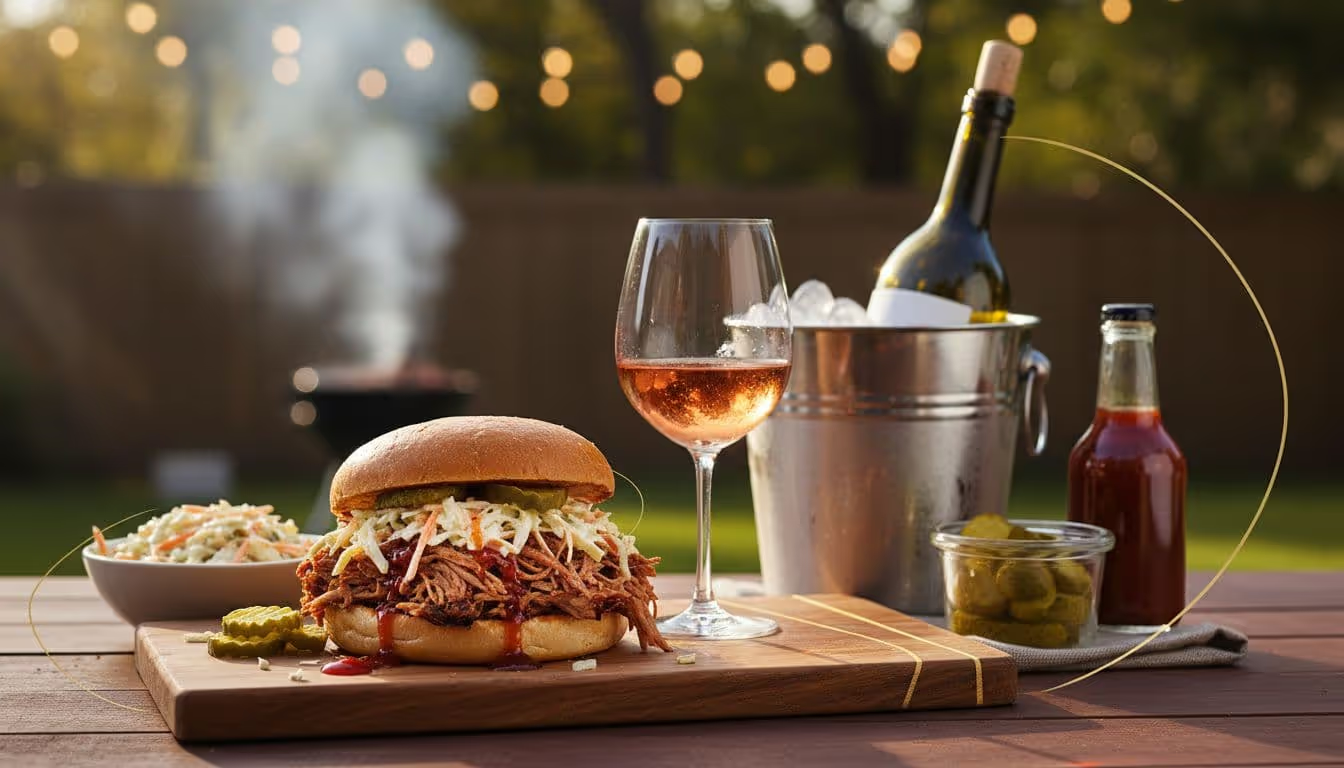
Pulled pork changes fast depending on the region. Carolina-style vinegar sauce begs for acidity. Mustard sauce likes fruit and spice. Slaw and pickles add crunch and tang. Here are clear wine recommendations that fit most plates.
Chilled Gamay (Beaujolais)
Light red fruit, low tannin, and great with coleslaw. Chill it for 20 minutes and it turns into BBQ’s best friend.
Lambrusco (dry or off-dry, sparkling red)
Bubbles scrub fat. Cherry fruit meets smoke. It also holds up to sweet sauce without tasting sour.
Dry rosé
Rosé is underrated for pork. It’s fruity like a red but bright like a white. If your pulled pork has a sweet glaze, rosé stays refreshing.
Off-dry Riesling
This is the “spice insurance” bottle. A touch of sweetness cools heat and loves vinegar sauce. It’s also one of the safest picks for mixed crowds.
If you’ve ever felt confused by labels, this is wine explained simply again: pulled pork likes wines that are bright, fruity, and not too tannic.
When BBQ is extra spicy or extra sweet

Spice and sugar change the rules. Heat makes alcohol feel hotter, and sugar can make dry wines taste thin.
If it’s spicy:
Go lower alcohol, lower tannin, and consider a little sweetness. Off-dry Riesling, rosé, and chilled Gamay are steady choices. These are simple wine explanations you can remember at the grill: heat likes chill, fruit, and a bit of sugar.
If it’s very sweet:
Choose wines with bold fruit so the wine doesn’t disappear. Zinfandel and Grenache blends work. Dry, tannic Cabernet often tastes sharp and bitter next to sweet sauce.
Grocery store wine picks and restaurant wine tips (fast, confident choices)
You don’t need a sommelier speech to buy well. You need two or three reliable paths. Here are grocery store wine picks that are easy to spot on a shelf:
- Côtes du Rhône / GSM blend for ribs and pulled pork when you want one bottle.
- Beaujolais (Gamay) for pulled pork and slaw, especially if you can chill it.
- Rioja Crianza for saucy ribs, smoky edges, and crowd-pleasing flavor.
- Off-dry Riesling for spicy BBQ, tangy sauces, and mixed heat levels.
At restaurants, the list can be long and the clock is ticking. Use these wine list tips (also solid restaurant wine tips) to cut through it:
Look for style words, not brand names: “juicy,” “fresh,” “light-bodied,” “low tannin,” “bright acidity.”
Avoid “big, heavily oaked” if the ribs are sweet and sticky.
Ask one focused question: “Which red is fruit-forward with lower tannin?” You’ll usually get a better match.
Make the pairing personal with an AI wine assistant
A good pairing is personal. Some people love peppery reds with ribs. Others want chilled reds or a crisp white. An AI wine assistant can help when your brain’s already busy with the smoker.
Sommy is built for smart wine recommendations in real moments: scanning a menu, reading a store shelf, or planning a cookout. Over time it learns what “smooth,” “not too sweet,” or “more fruity” means for you, then turns that into personalized wine picks and personalized wine recommendations you can trust. If you want wine app suggestions, it’s also a strong wine app for beginners because it gives everyday wine advice in plain words, like a modern wine guide that fits in your pocket. It can even steer you to smart wine picks when the sauce is spicy or the ribs are extra sweet.
If you want fewer guesses and more wins, use a wine app like Sommy to log what you liked at your last BBQ, then ask for the next bottle based on that.
Conclusion
BBQ pork is loud food, so pick wines that speak up.
For ribs, start with Zinfandel, Grenache blends, or Rioja Crianza. For pulled pork, chilled Gamay, Lambrusco, rosé, and off-dry Riesling cover most sauces and sides.
Keep one idea in mind: wine bbq ribs pairings work best when the wine stays juicy, fresh, and calm next to smoke and sauce.