A wine is good when it's free of faults, when its parts are in balance, and when the flavors hold together and last after you swallow. That's the technical answer, and it's the one every professional taster is trained to give. It also leaves out the part you probably care about most, which is whether you're going to enjoy drinking it. A bottle can be well made by every professional measure and still be wrong for you, which means this question is really two questions stacked on top of each other, and they deserve separate answers.
Almost everything written about judging wine answers only the first one and quietly skips the second. We'd rather do both properly, so here's how the quality checks actually work, what a critic's points are really telling you, and how to work out whether the bottle in your hand suits the person who's going to drink it.
What makes a wine good in the first place?
Quality is decided in the vineyard long before anyone picks up a glass, and everything that happens afterwards can only preserve it or lose it. The grape variety, the age of the vines, the soil they're rooted in, the weather across the growing season, and the moment someone decides to pick all set a ceiling on what the finished wine can be. A talented winemaker can fall short of that ceiling, but nobody can exceed it.
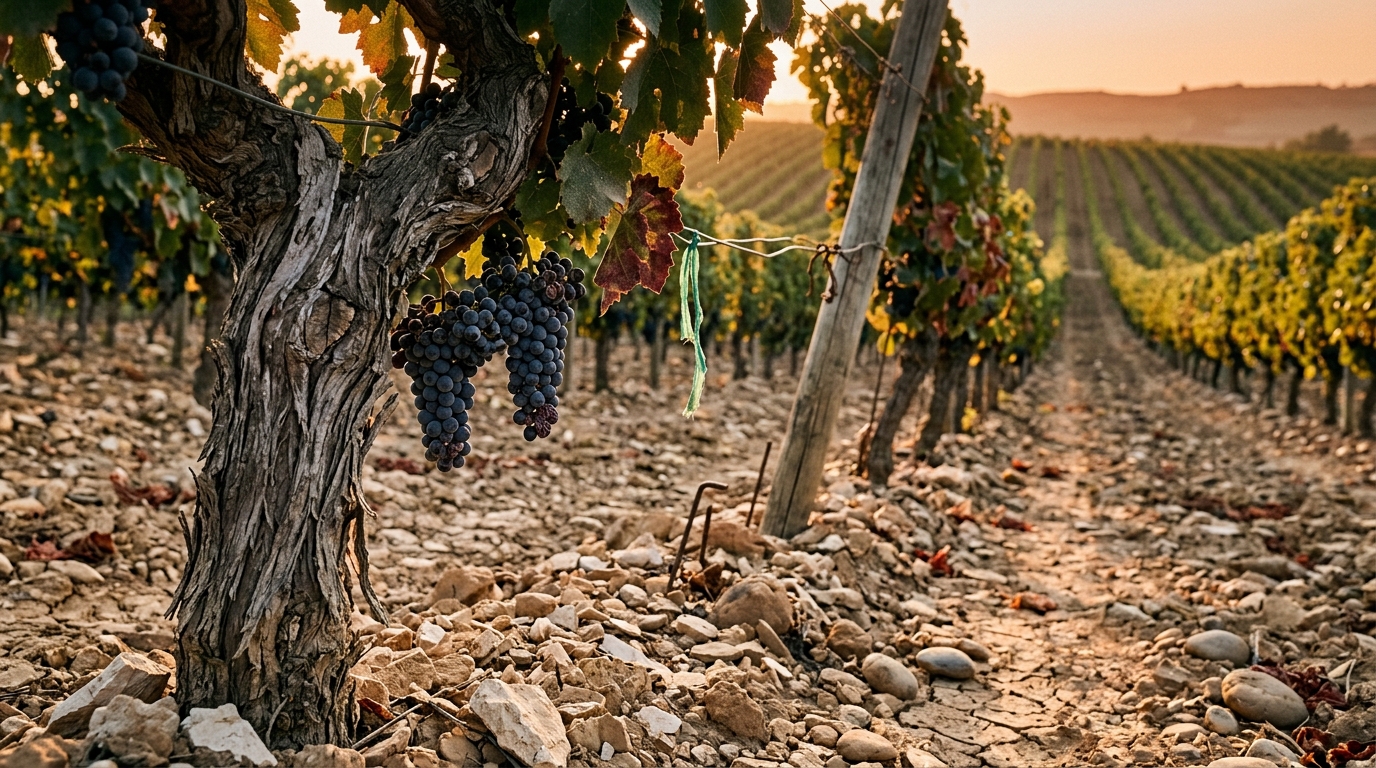
Poor stony ground with good drainage tends to produce better wine than rich soil, which sounds backwards until you know that a vine forced to struggle puts its energy into fruit rather than leaves. Old vines yield less and concentrate more. A cool year gives you brighter acidity and lower alcohol while a hot one gives you riper fruit and softer structure, and neither is automatically better than the other.
Then the cellar work either respects that fruit or covers it up. Oak is the clearest example, because it's supposed to add a frame around the wine rather than become the picture, so if the first thing you notice is vanilla, coconut or sawdust and you have to hunt underneath it for actual fruit, someone was hiding something. Good winemaking is mostly restraint, and the wines that impress professionals tend to be the ones where you can still taste where the grapes came from.
How can you tell if a wine is good once it's poured?
Once the wine is in your glass, you're checking three things in order: whether it's faulty, whether it's balanced, and whether it's interesting. Work through them in that sequence, because a faulty wine can't be balanced and a wine that's merely inoffensive is never going to be interesting.
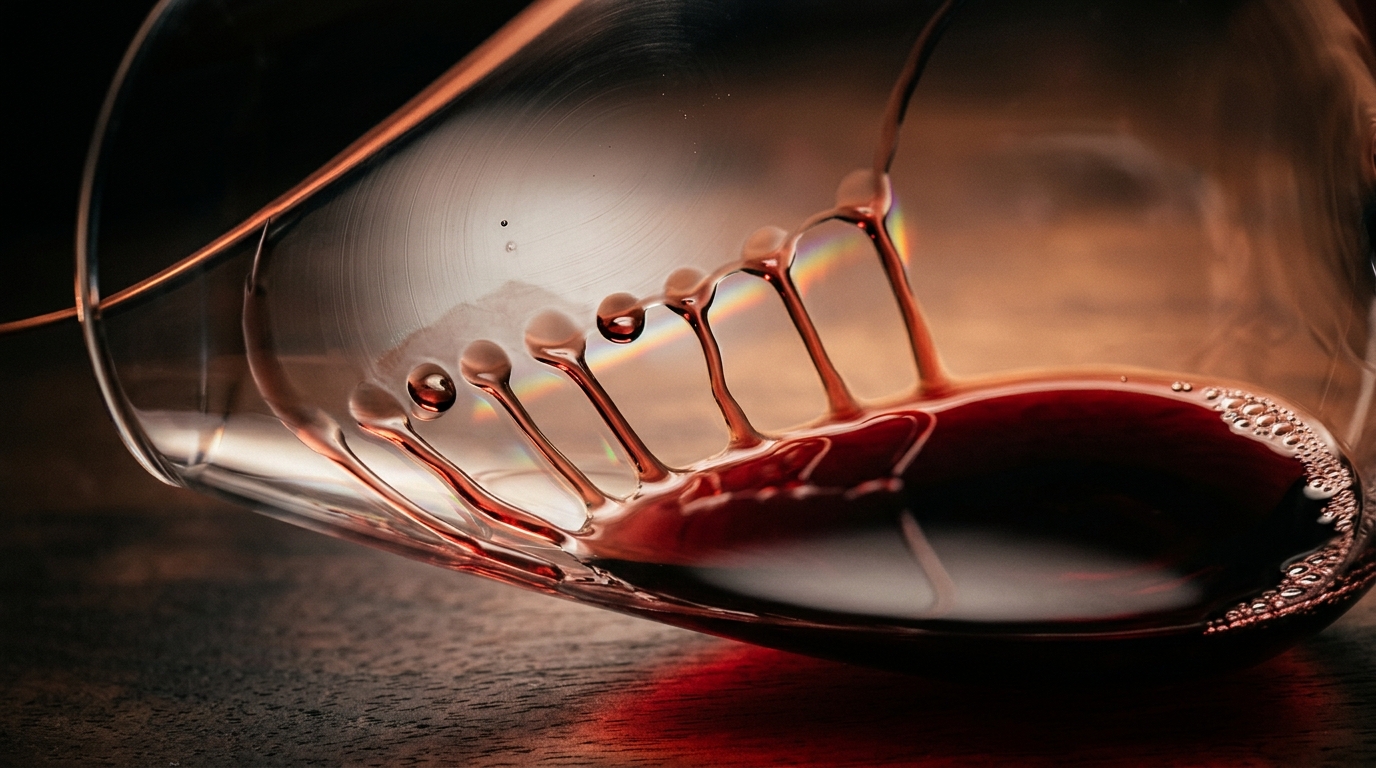
Faults come first because they're the only part of this that's genuinely objective. A corked bottle smells of wet cardboard, damp basement or a dog that's been out in the rain, and the fruit seems to vanish rather than smell wrong. Oxidation turns reds brownish at the rim and whites deep gold, and brings a flat, nutty, bruised-apple character. If a wine smells of vinegar or nail polish remover, it's gone. None of these make a wine dangerous, they just make it unpleasant, and every one of them is a bottle problem rather than a reflection of the producer's skill. Our walkthrough on how to tell if wine is corked covers the most common one in more detail.
Balance is the next check, and it's the one professionals weigh most heavily. Acidity, alcohol, tannin, sweetness and fruit all pull in different directions, and balance simply means no single one of them is shouting over the others. Acidity should make your mouth water without stripping it. Alcohol should feel warm at the back of your throat rather than hot. Tannin should dry your gums pleasantly rather than scrape them, and if that sensation is the thing you dislike about red wine, our piece on wine tannins explained is worth a read before you write off a whole category. A wine where everything is present and nothing dominates is a well-made wine, almost by definition.
Interest is the last and least measurable check. It covers complexity, which means you keep finding new things as the glass sits and opens up, and length, which means the flavor is still there some seconds after you swallow rather than dropping off a cliff. You'll see specific numbers quoted for this, usually along the lines of ten seconds being good and twenty being exceptional. Those figures get repeated constantly across wine blogs, but there's no agreed standard behind them and no two people count the same way, so treat length as a comparison between two glasses in front of you rather than a stopwatch test with a pass mark.
What does a 92-point score actually tell you?
A score tells you that a specific trained taster, on a specific day, judged a wine to be a certain distance above the minimum standard for its category. That's genuinely useful information, and it's also much narrower than most people assume when they see a number on a shelf tag.
Start with the fact that the scales don't agree with each other. Wine Spectator publishes its 100-point bands as 95 to 100 for Classic, 90 to 94 for Outstanding, 85 to 89 for Very good, 80 to 84 for Good, 75 to 79 for Mediocre, and 50 to 74 for Not recommended. Wine Enthusiast uses 98 to 100 for Classic, 94 to 97 for Superb, 90 to 93 for Excellent, 87 to 89 for Very Good, 83 to 86 for Good, and 80 to 82 for Acceptable. Line those up and a 95-point wine sits in the very top band at Wine Spectator while the same number lands in the second band at Wine Enthusiast. A 90 is Outstanding at one and merely Excellent at the other. The number on the tag means nothing until you know whose number it is.
Notice as well that both scales effectively begin around 80. Wine Spectator's own bands describe anything below 75 as not recommended, and publications rarely print reviews of wines they've dismissed, so the range you'll ever see in a shop is compressed into roughly twenty points at the top. That's why 89 and 91 feel so far apart in practice and so close on paper.
Price is the other place scores get misread. Looking at Wine Enthusiast's current published reviews, a 2025 Rhône-style red blend from Cave La Romaine in Vinsobres carries 91 points at $12, while a 2021 Bussia Nebbiolo from Tenuta Rocca in Barolo carries 93 points at $87. Two points separate them and roughly seven times the price does too. Those two numbers came from different peer groups, though. Critics rate a wine against others of its type, so the Vinsobres was judged among everyday Rhône reds and the Barolo among other Barolo, which means 91 and 93 were never points on one shared scale. A shelf tag never tells you which peer group produced the number. Points and price track each other loosely at best, which is the whole basis of hunting for value and the reason we've written about the second-cheapest bottle myth before.
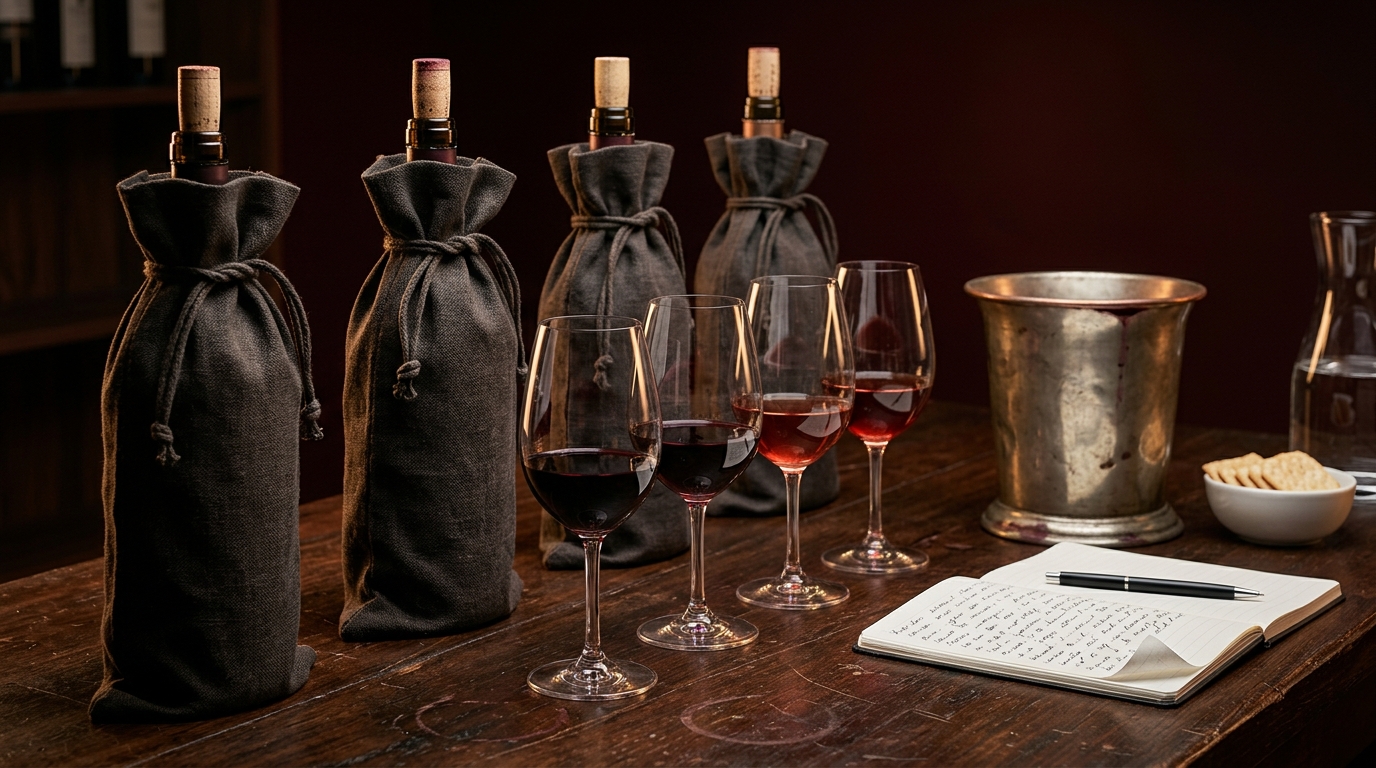
The deeper limitation is simpler than any of this. Critics taste blind, in flights of dozens of similar wines, spitting rather than drinking, without food, in a quiet room, and they're rewarding a wine for being an excellent example of its type. That's a fair way to rank wines against each other and a poor way to predict your Tuesday evening. A powerful, tannic, oak-framed red will reliably score well because it demonstrates everything critics are trained to reward. If you find that style heavy and you'd rather drink something light and juicy, a 96-point bottle of it is still the wrong bottle for you. For the record, we don't score wines numerically at Sommy, and this is exactly why.
How do you judge a bottle before you open it?
Before you open anything, you're reading three signals: the label, the condition of the bottle, and the price relative to what it claims to be. None of them is conclusive on its own, and together they'll steer you away from most disappointments.
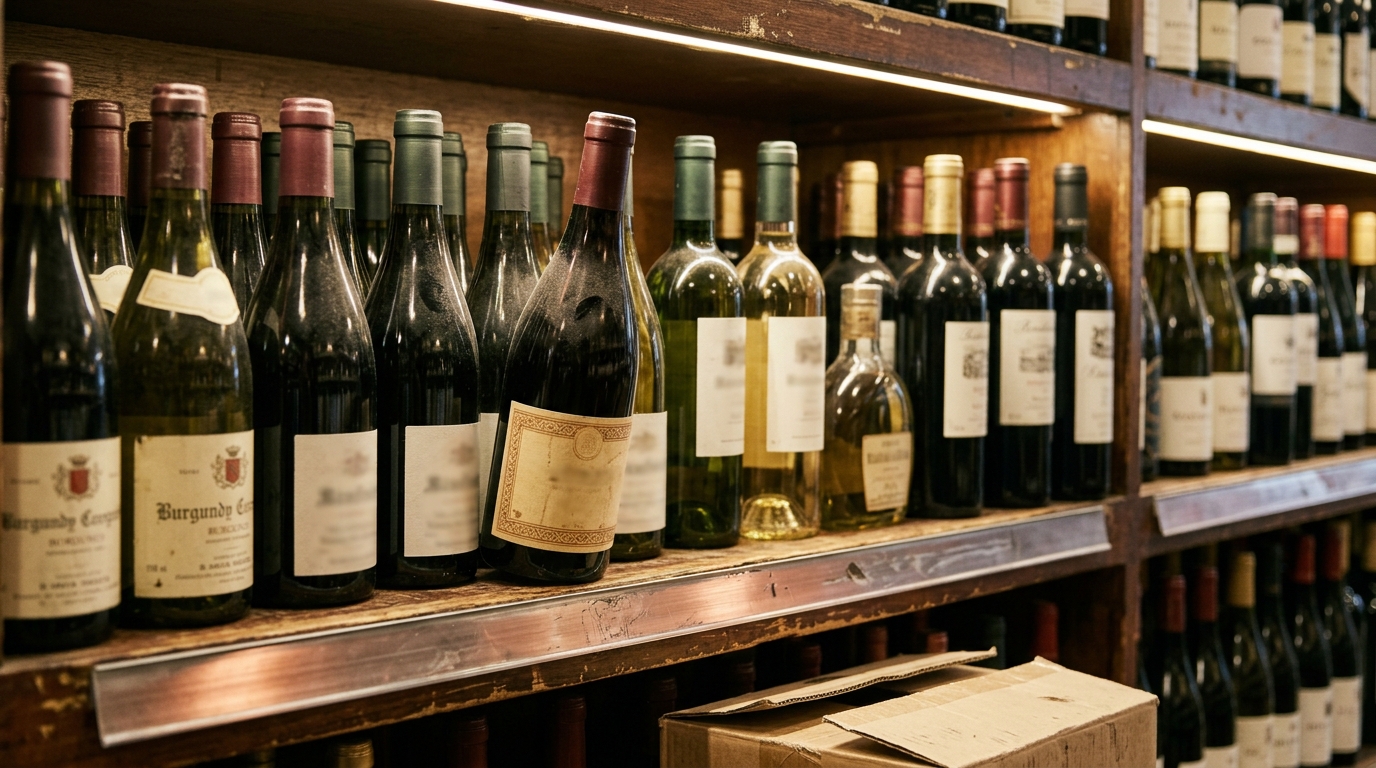
The label carries more than it looks like it does. A specific place tends to beat a vague one, so a wine named for a single village or vineyard is usually a step up from one named for an entire region, and a region beats a bare country. Vintage matters more in cool marginal areas where seasons vary wildly and less in warm reliable ones. Alcohol by volume quietly signals style, with lower numbers pointing toward lighter and fresher and higher numbers toward riper and fuller. Words like Reserve are legally defined and meaningful in Spain and Italy while meaning almost nothing in the United States. We've put the full version of this in our piece on how to read wine labels.
Bottle condition is the quickest win and the one most people skip. Check that the fill level sits up in the neck rather than well down the shoulder, because a low fill on a younger wine suggests it's been stored warm and lost liquid past the cork. Look for stickiness or seepage around the capsule. Avoid the bottles standing upright under bright display lights near a window, since heat and light are what actually ruin wine in a shop, and prefer the ones lying down in the cool part of the room.
Price is the least reliable of the three and still worth reading. The useful question isn't whether a bottle is expensive but whether it's expensive for what it is. Famous appellations charge for their name, so a $25 bottle from a celebrated region is often thinner than a $25 bottle from the unfashionable area next door working with the same grapes and the same climate. Looking one village over is the single most dependable way to spend less and drink better.
How does Fit Check answer "is this wine good for me"?
Fit Check is the part of Sommy that answers the second question, the one the quality checks can't reach. You type, speak or scan any bottle, and Sommy tells you how that specific wine lines up with your own taste, in seconds, before you commit to it.
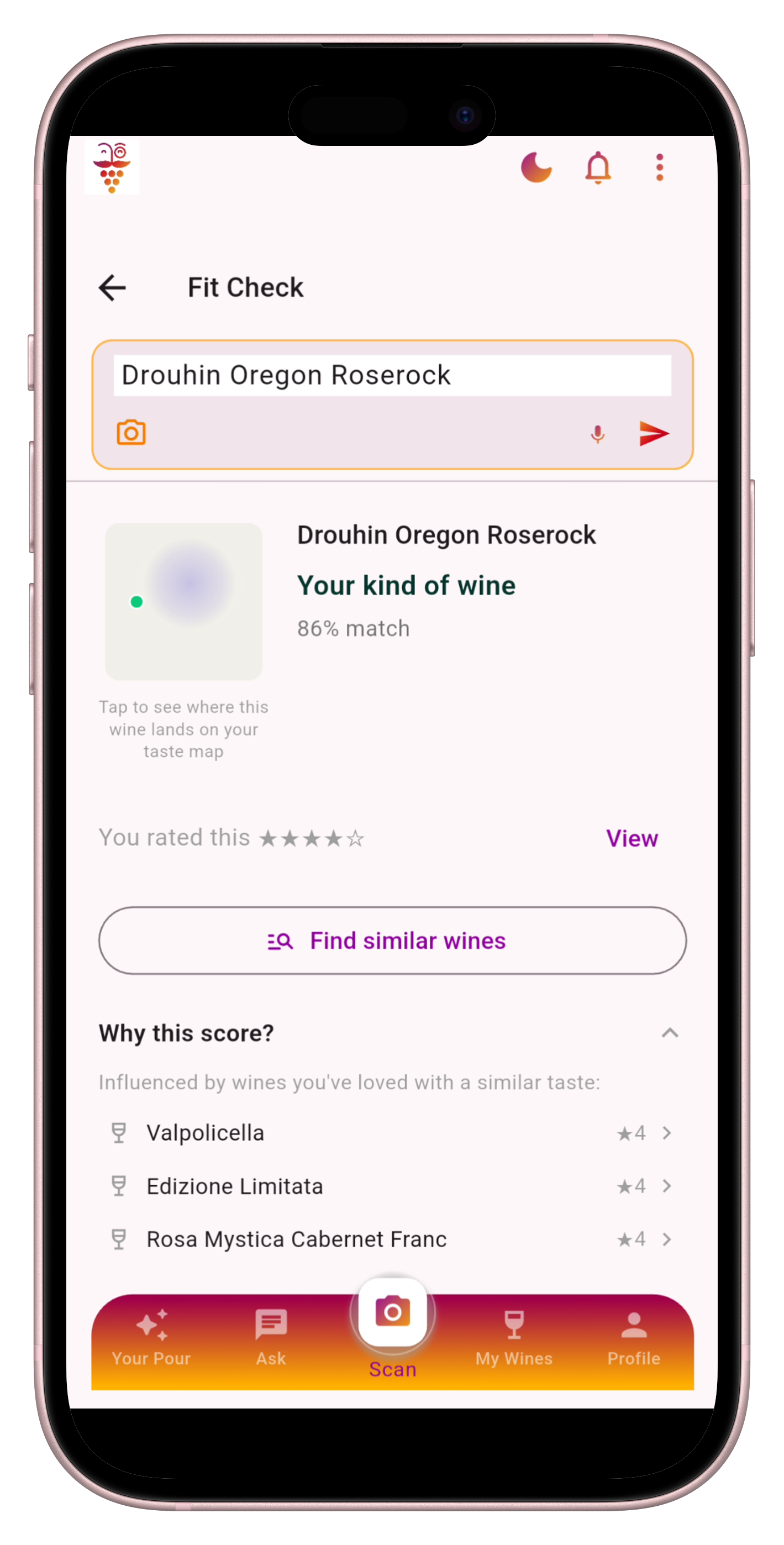
It works because Sommy already has something to compare the bottle against. Your Taste Profile, the living picture of your palate, is built from what you've rated, saved and skipped over time, and it keeps adjusting as you drink. That makes it a record of how you've actually responded to real wines, which carries far more predictive weight than a category label from a six-question quiz or a guess based on which fruit you said you liked.
So when you point Fit Check at a bottle, the question it works on is how that wine's structure, weight, fruit character and style compare to the wines you've already told Sommy you enjoy, which is a good deal more useful than whether the wine is objectively well made. Then it explains the answer in plain words rather than handing you a number. You find out that a bottle leans more tannic than what you usually go for, or that it's the fresher, lighter style you keep coming back to, or that it sits close to something you rated highly two months ago and have since forgotten about.
The scanning matters more than it sounds. Standing in a shop aisle with a bottle in your hand is exactly the moment this question comes up, and it's also the moment you have the least information and the most social pressure to just pick something. Sommy's Vision feature reads a label, a whole shelf, a restaurant list, a meal or a recipe, so Fit Check can work from a photo rather than from you knowing how to spell an obscure producer's name. If a bottle turns out not to suit you, Find Similar will point you toward the ones nearby that do.
When should you trust a fit verdict, and when should you ignore it?
A fit verdict is at its best when you're choosing between unfamiliar bottles in a style you already know you like, and at its weakest when you're deliberately trying to expand what you drink. It's a prediction based on your history, so its accuracy depends entirely on how much history it has.
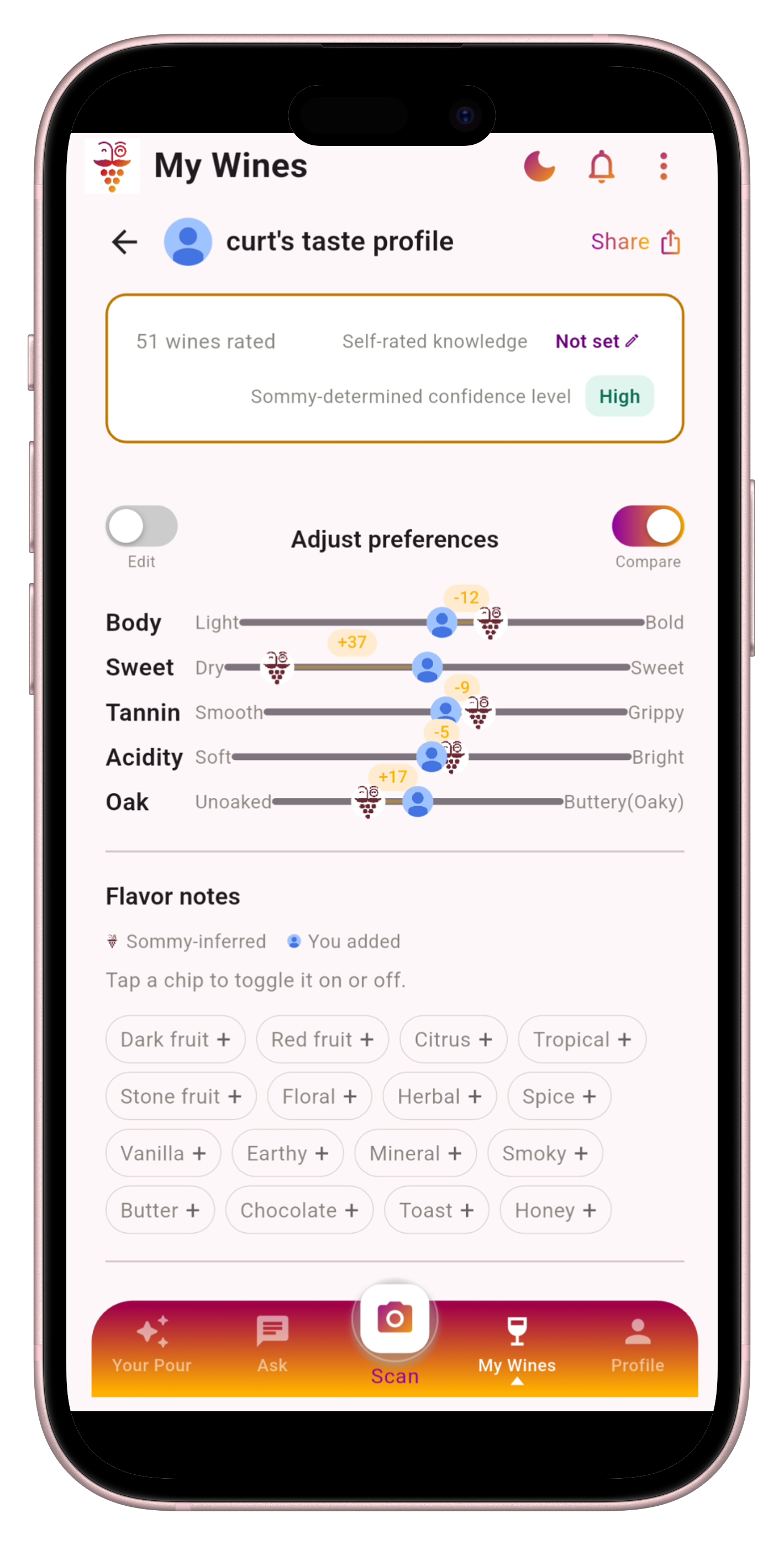
In the first week, when Sommy has only a handful of ratings to work from, treat the verdicts as a reasonable starting direction rather than a firm answer. Rate what you drink for a while and the picture sharpens quickly. Vivino Import helps here if you're coming from another app, because bringing your existing ratings across means Sommy understands your taste from the first day rather than the fiftieth.
There's a more interesting limitation, though. Any system built on what you've liked before will naturally steer you toward more of the same, and taste moves over time in ways that history can't see coming. People who swore off oaked whites five years ago often love them now, and the only way to find that out is to drink something the model would have talked you out of. So when a verdict tells you a bottle sits outside your usual range, treat that as information rather than a refusal, and sometimes the right move is to buy it anyway and rate it honestly afterwards.
Ignore the fit question entirely when you're buying for someone else, when a bottle is the local specialty of somewhere you're visiting, or when somebody at your table clearly knows the list and is excited about a particular wine.
How do you build your own sense of what's good?
You build it by comparing, not by studying. Two glasses side by side will teach you more in ten minutes than an evening of reading, because differences are easy to perceive and absolute qualities are almost impossible to judge alone.
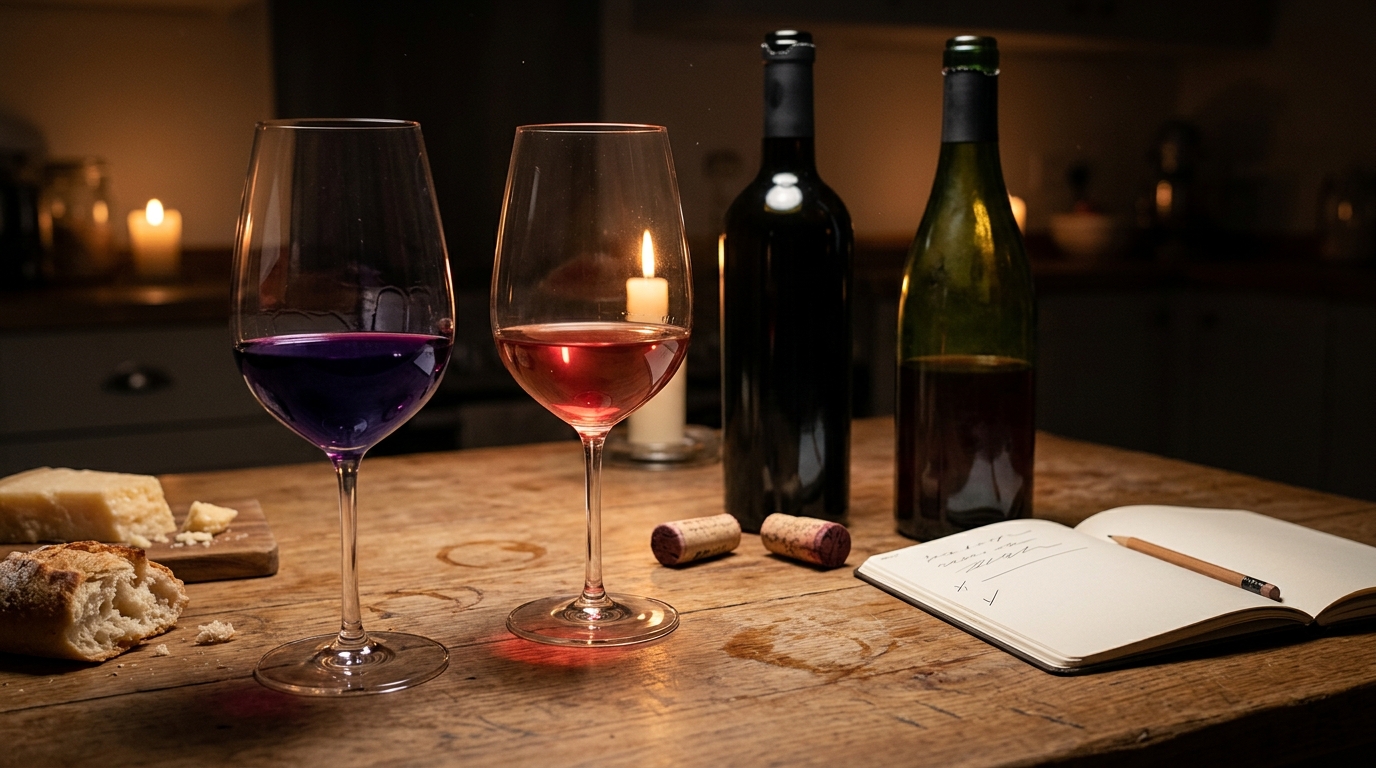
Open two bottles of the same grape from different places, or two vintages of the same wine, and pour a small measure of each. You'll immediately notice which one is more acidic, which is heavier, which has more grip. Those comparisons stick because you felt them rather than memorized them. Doing this once a month for a few months will give you a more reliable palate than years of drinking one glass at a time.
Write down what you thought, in whatever words you've got. Professional tasting vocabulary is useful later on and completely unnecessary now, and "too sharp", "tastes like the one from that Italian place" or "would drink this again" are all valid notes. Memory for taste is unreliable and patterns only show up across a dozen entries, so rating wines in Sommy does that job while quietly improving what it recommends to you.
Then push the edges on purpose. Pick one thing you're certain you dislike and try a good example of it every couple of months, because most category-wide dislikes come from one bad early bottle rather than the category itself. If you want a structured way into this, our piece on what wine will I like walks through narrowing it down from scratch.
Common questions about telling if a wine is good
Is this wine good if there's sediment in the bottom of the bottle?
Almost certainly yes, and sediment is often a mildly positive sign. Those crystals and fine dark grit are tartrates and settled color compounds that form naturally over time, and they suggest the wine wasn't heavily filtered. Stand the bottle upright for a day, then pour slowly and stop before the last inch.
Is this wine good or has it actually gone bad?
Smell it before you taste it, because faults show up on the nose first. Wet cardboard and a muted, fruitless character mean the bottle is corked. Brown color with a flat, nutty, bruised-apple flavor means oxidation. Vinegar or solvent notes mean it's finished. None of these will make you ill, they just make the wine unpleasant to drink.
Does a more expensive bottle mean a better wine?
Only loosely, and the relationship gets weaker as you go up. Current published reviews include a $12 Rhône-style red at 91 points and an $87 Barolo at 93, which is two points of difference for roughly seven times the money. Those two scores also come from different peer groups, since critics rate each wine against others of its type, so they were never points on one shared scale. Price reflects reputation, scarcity and packaging alongside quality, so the sweet spot for most people sits well below the famous names.
Can a cheap wine be genuinely good?
Yes, and the reliable way to find one is to look just outside the famous regions. Wines made from the same grapes in the same climate as a celebrated appellation, but without the name, routinely cost half as much and taste close to the same. Less fashionable countries and grape varieties work the same way.
How long should the finish last on a good wine?
Longer than a short one, which is as precise as anyone can honestly be. The ten-seconds-is-good and twenty-seconds-is-exceptional figures circulating online have no standard behind them and no consistent method for counting. Compare two wines against each other instead, since the difference between them is real and easy to notice.
What to do with the next bottle you're unsure about
Run the objective checks first, because they're quick and they're the same for everyone. Make sure it isn't faulty, see whether the parts are in balance, and notice whether it holds your attention as the glass sits. That'll tell you whether the wine is well made.
Then ask the question that actually decides your evening. Whether a well-made wine is the right wine for you depends on your palate, and no critic tasting blind in a room full of spittoons can answer that on your behalf. That's the gap Fit Check exists to close, and it's why Sommy describes how a bottle matches you rather than handing you a score out of a hundred.
Scan the next bottle you're unsure about, rate the one you open tonight, and let the picture of your taste get sharper each time. Good wine is a real thing that can be measured. Good for you is a different thing entirely, and it's the one worth getting right.