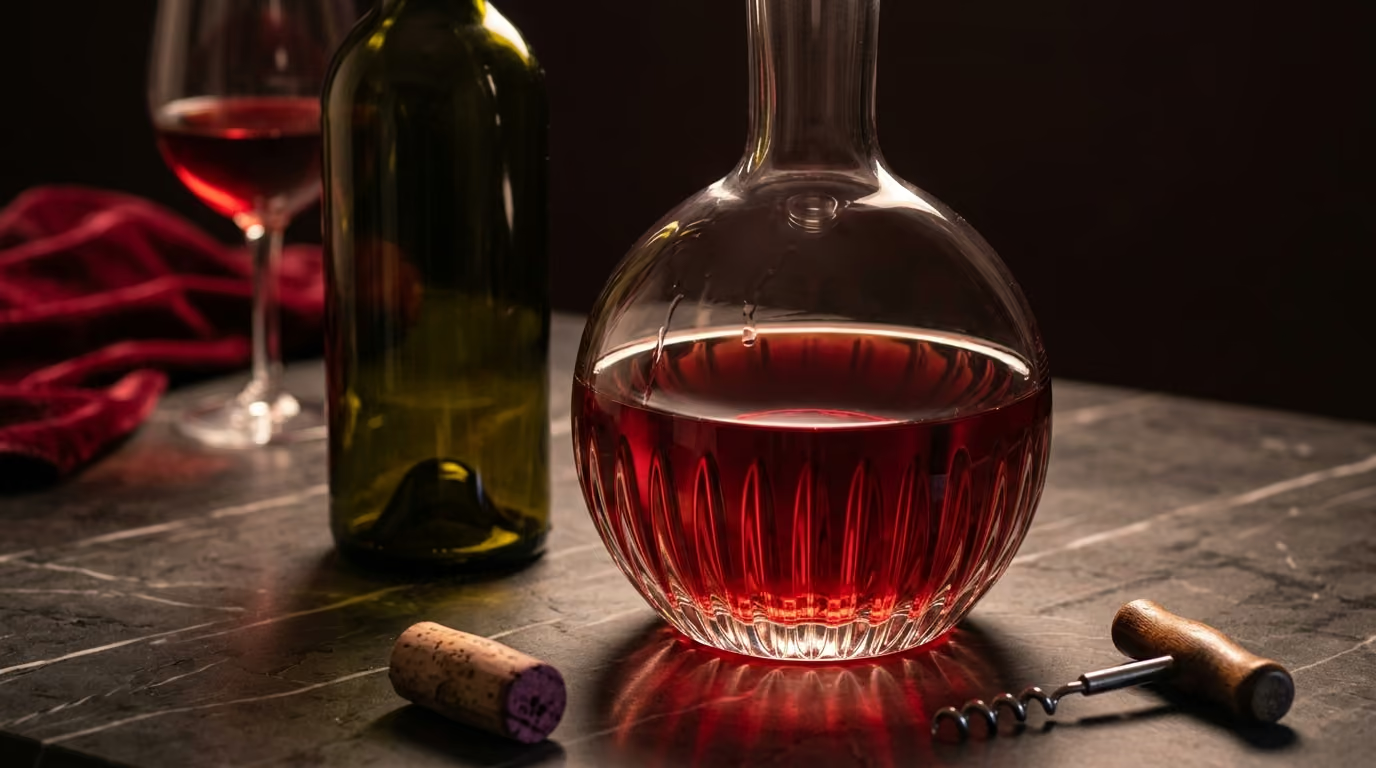
Decant a wine when it's young and tight, when it's a big tannic red that tastes closed on opening, or when an older bottle has thrown sediment you'd rather leave behind. Leave it alone when it's delicate and old, when it's sparkling, and when it's a crisp white you're drinking cold and fresh. Most bottles fall somewhere in between, where thirty minutes of air helps and two hours doesn't. The most reliable method isn't a rule at all, it's tasting a glass and deciding from there.
Decanting has picked up a reputation as something formal and slightly showy, which is a shame because it's genuinely useful and requires no equipment you don't already own. It also gets recommended far too broadly. Pouring a fragile forty-year-old Burgundy into a wide decanter an hour before dinner is a good way to watch it fade in front of you, and no amount of ceremony makes up for that.
Should you decant your wine?
Taste it first, because your own glass tells you more than any rule about grape or vintage. Pour a small measure as soon as you open the bottle, swirl it hard, and taste. Then leave that glass alone for ten minutes and taste it again.
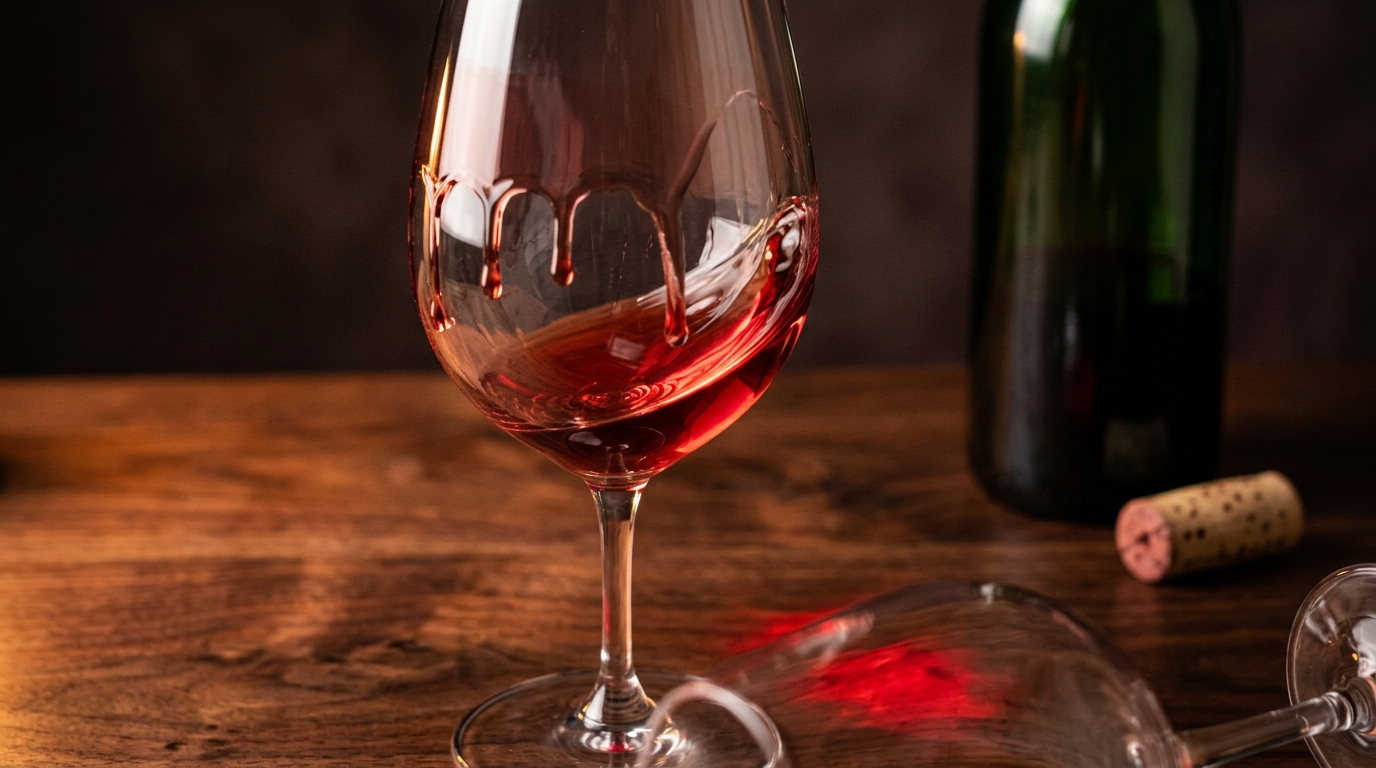
If the second taste is rounder, more aromatic, and more generous than the first, air is helping and the rest of the bottle will benefit from a decanter. If the wine tasted lovely straight away and the second sip seems flatter or softer in a way you don't like, it doesn't need air and it may actively lose something by getting it. That ten-minute test costs you nothing and it answers the question for the specific bottle in front of you.
Decanting does two separate jobs, and it's worth keeping them apart in your head. The first is aeration, where oxygen softens tannin and lifts aromas that have been shut down by time in a sealed bottle. The second is separation, where you're simply leaving sediment behind in the bottle rather than in your glass. A young wine usually wants the first and never needs the second. A very old wine often needs the second and can be harmed by too much of the first.
Which wines actually benefit from decanting?
Young, tannic, full-bodied reds gain the most, and they're the bottles where the difference is obvious rather than subtle. A Cabernet Sauvignon, Bordeaux blend, Syrah, Nebbiolo, Malbec, or Tannat from a recent vintage often smells muted on opening, with its fruit buried under grip that hasn't had time to settle.
Air softens those tannins by encouraging them to link together, which physically reduces the drying sensation on your palate. If tannin is a texture you've never quite been able to name, our explainer on what tannin does in your mouth is the useful background here. The same air also drives off any faintly stalky or sulfurous notes a young wine can carry from its winemaking, which is where the term closed comes from.
Older reds with visible sediment are the other clear case, though the goal is different. Aged Bordeaux, Barolo, traditional Rioja, and Vintage Port all throw a grainy deposit as their tannins and colour pigments drop out over the years. That sediment is harmless and tastes bitter and gritty, so pouring the wine off it improves the experience even if the wine needs no air at all. Our notes on what aged Rioja tastes like explain why Gran Reserva bottles so often arrive with a deposit.
Two categories get overlooked entirely in most decanting advice. Full-bodied whites like a serious white Burgundy, a Chenin Blanc from Savennières, or a top dry Riesling often open up beautifully with twenty or thirty minutes of air, losing a tight, slightly flinty edge and gaining texture. Orange and skin-contact wines usually need it too, since they're made like reds with the juice left on the skins, and they can be genuinely closed and reductive straight from the bottle.
Modestly priced everyday reds are the honest exception in the other direction. A supermarket Malbec built for immediate drinking has already been made soft and approachable at the winery, so there's little locked away for air to release. Ten minutes in the glass is plenty, and an hour in a decanter mostly just warms it up.
How long should you decant a wine?
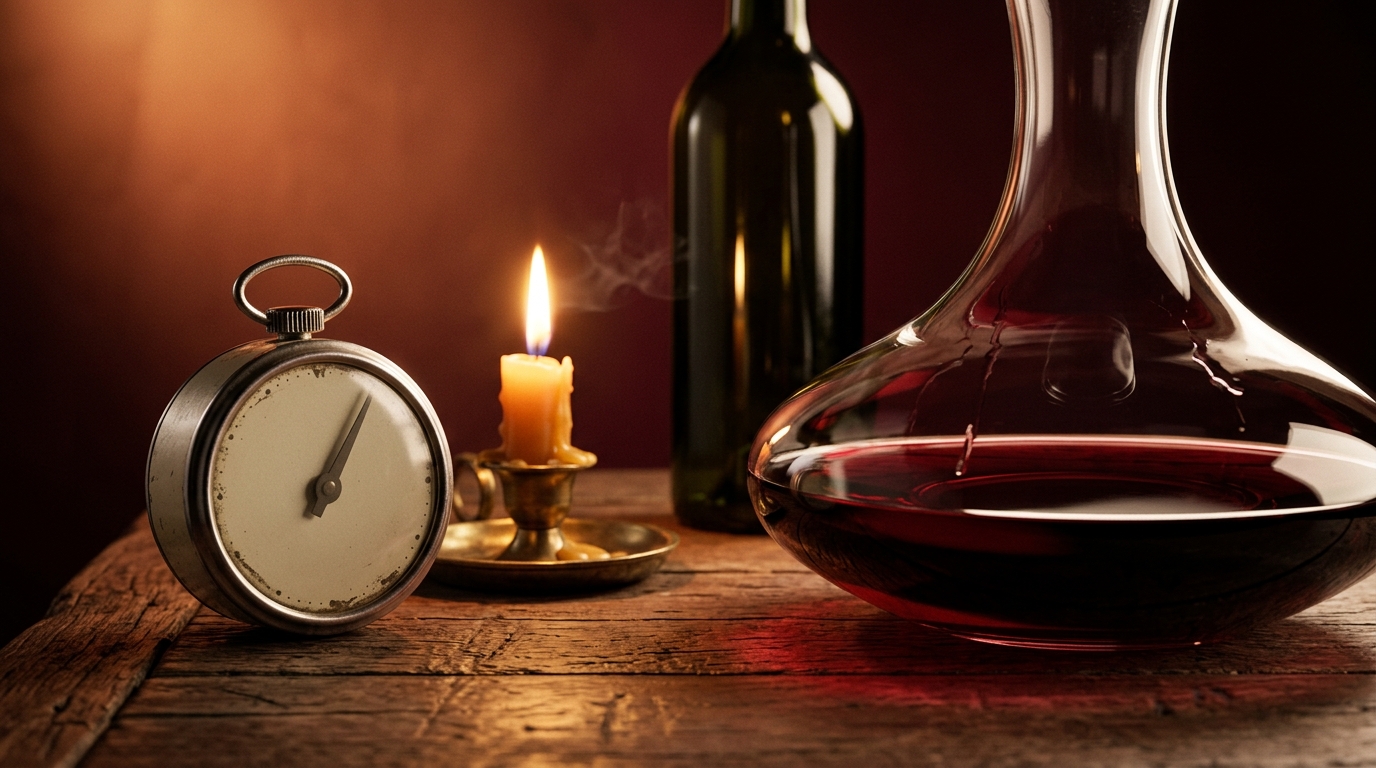
Between fifteen minutes and two hours for almost everything, with the young and tannic at the long end and the old and delicate at the short end. The single most common mistake is treating decanting time as a fixed number rather than something you check on as it goes.
| The bottle in front of you | Time in the decanter | What you're doing |
|---|---|---|
| Young, tannic red under five years old | 60 to 120 minutes | Softening firm tannin and opening buried fruit |
| Medium-bodied red, any age | 30 to 60 minutes | Lifting aromas and rounding the edges |
| Full-bodied white or orange wine | 15 to 30 minutes | Blowing off reduction and letting the texture unwind |
| Older red with sediment, 15 years plus | 0 to 20 minutes | Separating from sediment, then drinking promptly |
| Very old or fragile red, 30 years plus | Pour and serve | Separation only, with no waiting at all |
Taste the wine every twenty minutes or so rather than trusting the clock. A wine that has opened up fully will smell noticeably more fragrant and taste rounder, and once it reaches that point it stays there for a while before slowly declining. If it starts tasting tired or the fruit begins to flatten, pour it and drink it.
One practical note that catches people out. Wine in a decanter warms toward room temperature faster than wine in a bottle, because the surface area is larger. If you're decanting a red for two hours in a warm room, it'll be too warm to enjoy by the time you pour it, so put the decanter somewhere cool or give it a short spell in the fridge before serving. Our guide to serving temperatures by style covers where each wine actually wants to be.
Which wines should you leave alone?
Old and fragile reds, sparkling wine, and light crisp whites are the three categories where a decanter does more harm than good. Knowing these is more valuable than knowing the decanting rules, because the damage here is real and it can't be undone.
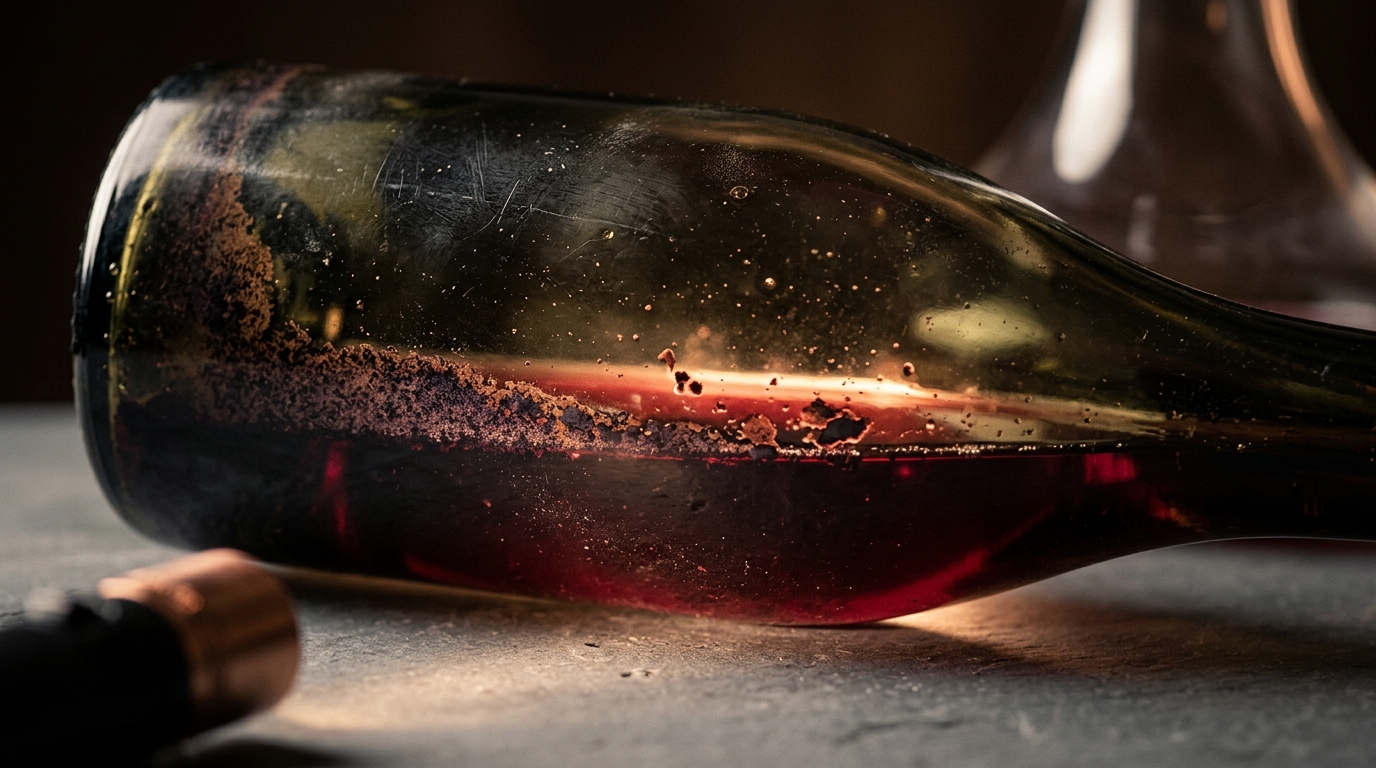
A very old red has spent decades slowly using up the small amount of oxygen available to it, and what's left of its aromatics can be delicate to the point of fragility. Give a fifty-year-old bottle an hour in a wide decanter and you may find the beautiful thing you smelled on opening has simply gone. If such a wine has sediment, pour it off carefully and serve it immediately, treating the decanter as a filter rather than an aerator.
Sparkling wine should never be decanted, since the bubbles are the entire point and air is exactly what destroys them. The rare exception is a serious old Champagne that some drinkers pour into a decanter deliberately to soften the mousse, which is a matter of taste rather than a recommendation.
Light, crisp whites and most rosés gain nothing. Pinot Grigio, Sauvignon Blanc, Albariño, Vinho Verde, and dry rosé are made to be drunk cold and fresh, and air just warms them and dulls the aromatics that make them enjoyable. The same goes for young, juicy, low-tannin reds like Beaujolais and most Valpolicella, which are already open on pouring.
How do you decant without a decanter?
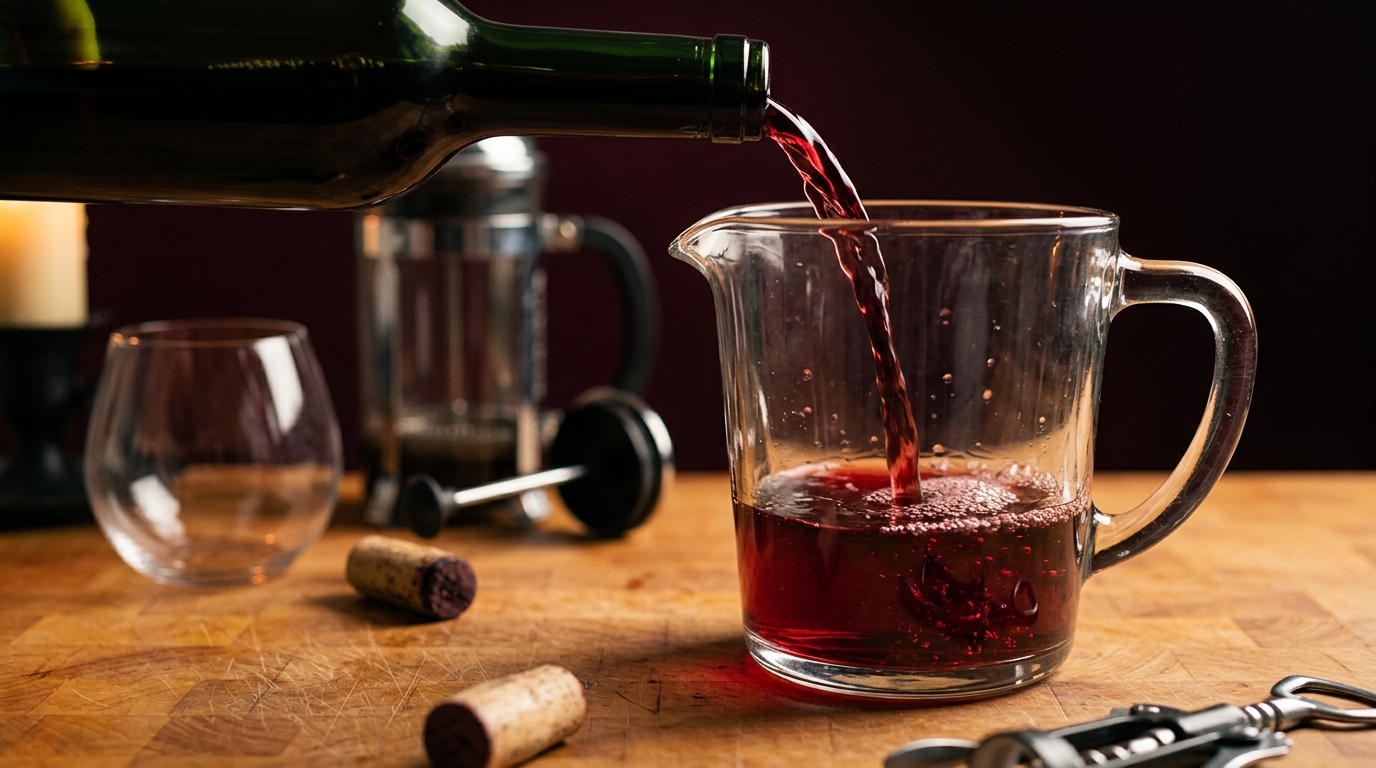
Pour the wine into any clean glass vessel with a wide base, which for most kitchens means a water jug, a large glass measuring jug, or a French press with the plunger removed. The container's shape matters far more than whether it was sold as a decanter, since surface area is what exposes the wine to air.
If you have nothing suitable, pour the wine into glasses and let it sit there. A wine glass with a wide bowl, filled no more than a third and given a vigorous swirl every few minutes, aerates surprisingly efficiently. Swirling is doing the same work as a decanter, just faster and in smaller batches.
The double decant is worth knowing if you want air without a decanter cluttering the table. Pour the whole bottle into a jug, rinse the bottle out, then pour the wine straight back in. The wine picks up a good deal of oxygen during the two pours and you serve from the original bottle, which is also how a lot of restaurants handle it.
For an old bottle with sediment, stand it upright for a day beforehand so the deposit settles to the base, then pour slowly and steadily in one continuous motion with a light source behind the neck. A phone torch on the table works perfectly well. Stop pouring the moment you see cloudiness reach the shoulder, and accept losing the last inch of wine.
If you're not sure whether a specific bottle is worth the trouble, this is a good use of Sommy Chat. Describe what you've opened and how it tastes right now, and you'll get a straight answer about whether to give it more time, along with a note in your history so you'll know what to do next time you buy the same wine. Building that kind of practical memory is what our piece on keeping useful tasting notes is really about.
Frequently asked questions
How long should you decant red wine?
Young tannic reds want 60 to 120 minutes, medium-bodied reds 30 to 60, and older reds over fifteen years usually 20 minutes or less. Taste every twenty minutes rather than trusting the clock, since bottles vary more than categories do.
Does decanting really make a difference?
For young, tannic, full-bodied reds it makes an obvious difference that most people can taste immediately. For light whites, rosé, and sparkling wine it makes no useful difference at all and can flatten them.
Can you decant wine too long?
Yes, and it's a genuine risk with older and more delicate bottles. Once a wine has fully opened it holds there for a while and then begins to fade, losing fruit and aroma, which is why tasting as you go beats setting a timer.
Should you decant white wine?
Full-bodied whites like white Burgundy, Savennières, and serious Riesling often improve with 15 to 30 minutes of air. Light, crisp whites made to be drunk cold gain nothing and lose their freshness as they warm.
What is sediment and is it safe to drink?
Sediment is the harmless grainy deposit of tannins and colour pigments that older red wines shed as they age. It won't hurt you, though it tastes bitter and gritty, which is the whole reason for pouring the wine off it.
Do you need to decant a young wine you're drinking tonight?
Only if it tastes tight or closed when you first pour it, which is common with big reds and rare with lighter ones. Try the ten-minute glass test before committing the whole bottle to a decanter.
Trust the glass in your hand
Decanting isn't a ritual you owe the wine, it's a tool for two specific problems: tannin that hasn't relaxed yet and sediment you'd rather not drink. Young and firm means give it air, old and fragile means pour it carefully and get on with dinner, and light and fresh means don't bother at all.
When you're unsure, pour a small glass, wait ten minutes, and taste it again. That one habit will tell you more about the bottle in front of you than any chart, and it works just as well with a kitchen jug as it does with a piece of cut crystal.