Rioja tastes like ripe red cherry and plum wrapped in soft vanilla and gentle baking spice, carried by fresh acidity and tannins that feel rounded instead of harsh. Most red Rioja is dry and medium-bodied, so it drinks smoother than a big young Cabernet even when the label looks serious and old-world. If you like easygoing reds and want one bottle to start with, reach for a Rioja Crianza. It gives you cherry fruit and a whisper of oak, with soft texture rather than a mouth-drying grip.
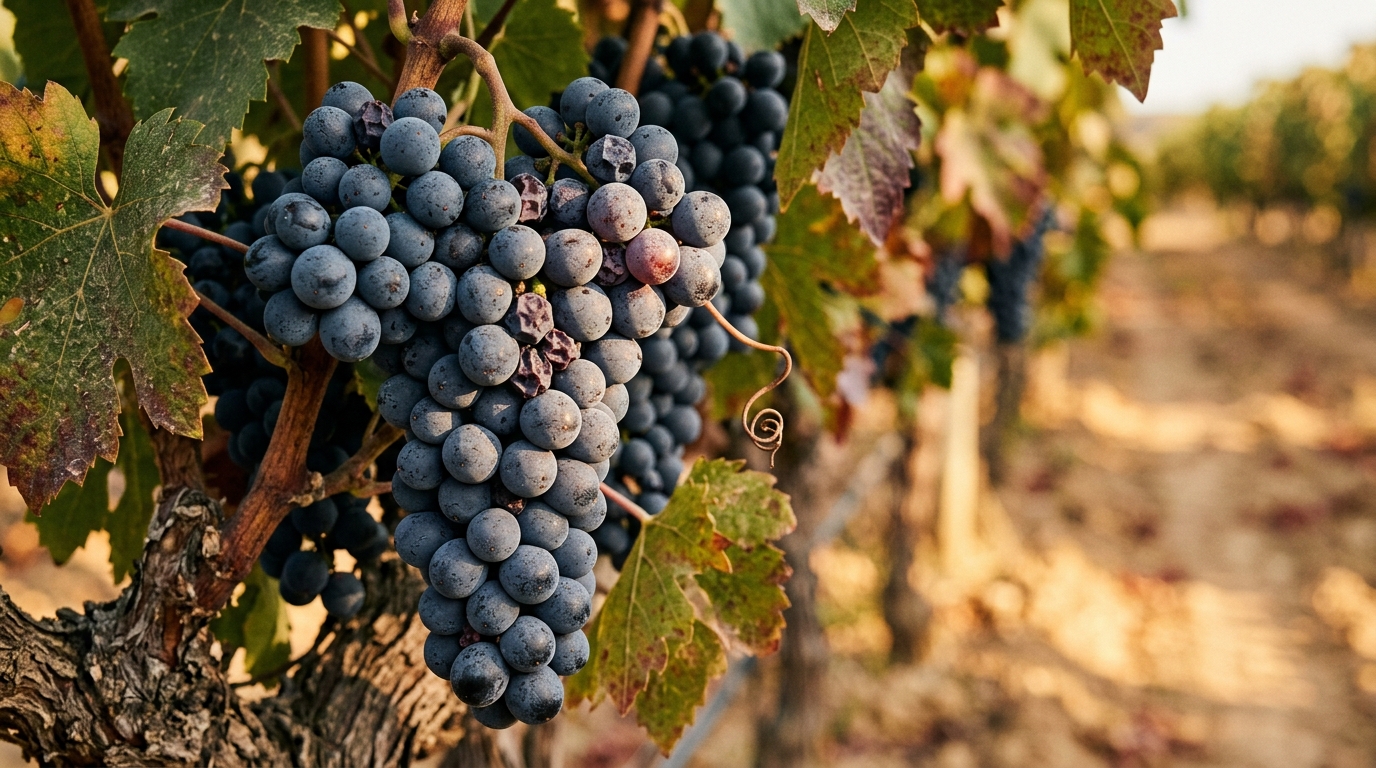
That familiar Rioja character comes from the Tempranillo grape, grown in a historic region of northern Spain along the Ebro River valley. The aging words on the label, Crianza, Reserva, and Gran Reserva, tell you how long the wine rested and preview how it will taste. Once you can read those words, a serious-looking Spanish red stops feeling like a gamble and starts feeling like a friend you already know.
What does Rioja wine taste like?
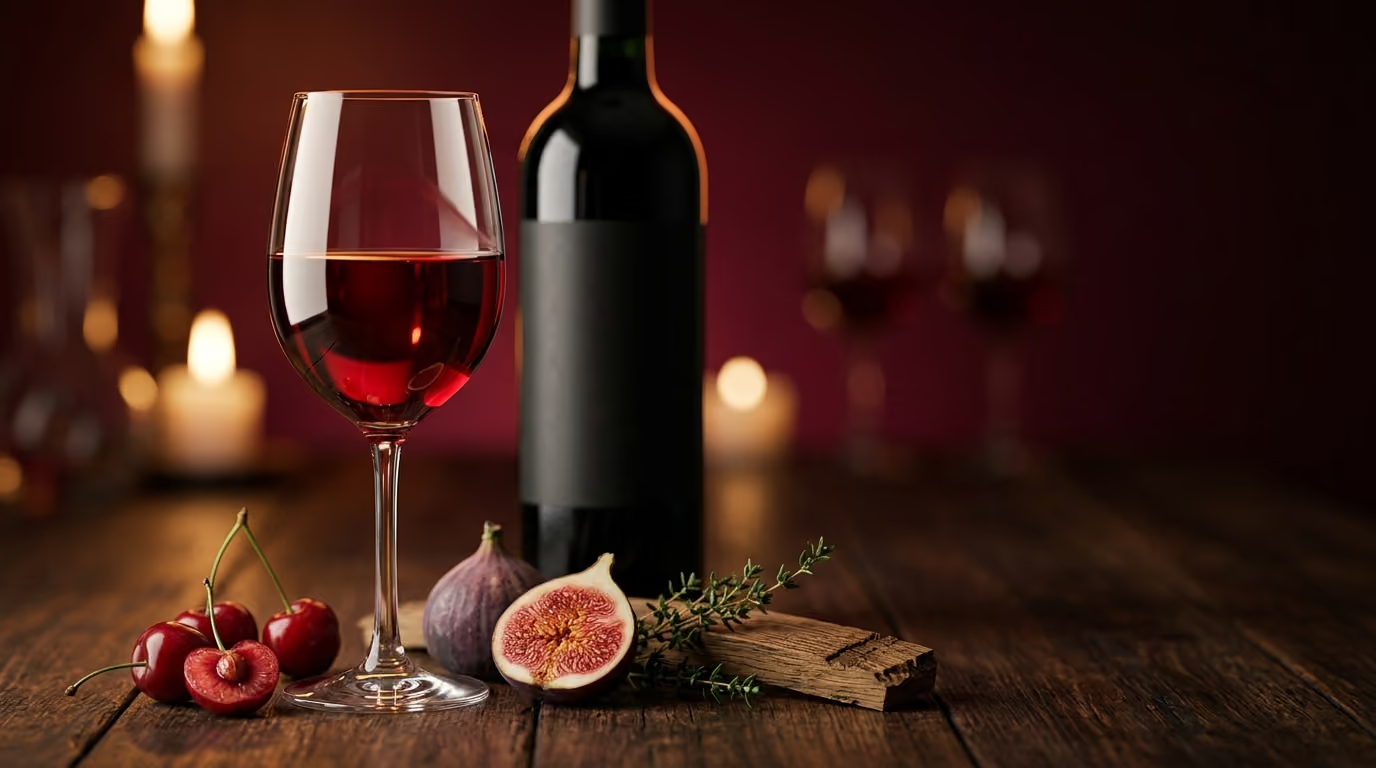
Rioja tastes of bright red fruit first, mainly cherry and plum, with dried strawberry underneath and a clean, savory finish. Tempranillo forms the backbone of nearly every red Rioja, and it brings that juicy fruit along with a gentle earthy edge. Garnacha often rounds out the blend with riper, softer fruit, while a splash of Graciano can lift the whole wine with extra freshness and a peppery note.
Time in oak barrels adds a second layer of flavor on top of that fruit. As the wine ages you start to notice vanilla, cedar, warm baking spice, and softer hints of leather and tobacco leaf in the older bottles. None of that makes the wine sweet, since Rioja is dry through and through. Oak simply gives the fruit a warmer frame and a mellower feel, the way a slow-roasted dish tastes rounder than the same ingredients raw.
The other thing you feel is texture, and this is where Rioja wins over people who dislike heavy reds. Acidity keeps every sip fresh and food-friendly, so the wine never turns thick or jammy on your palate. The tannins, meaning that drying, grippy sensation on your gums, stay gentle because barrel and bottle aging smooth them down over time. If you want to understand that grip before your next bottle, the Tempranillo grape behind Rioja is a good place to see how the same fruit shows up across Spanish reds. Serve a red Rioja slightly below room temperature, around 60 to 65 degrees Fahrenheit, and both the fruit and the freshness show at their best.
Where the grapes grow inside Rioja also nudges the flavor in a direction worth knowing. The higher, cooler vineyards of Rioja Alta and Rioja Alavesa tend to give fresher wines, with red cherry, herbs, and a lifted, lighter feel on the palate. The warmer, drier stretch known as Rioja Oriental leans toward riper, rounder fruit like blackberry and plum, often with more Garnacha in the blend. None of that means you need a map to enjoy the wine, since the aging word on the label still tells you more about the style in your glass. It does explain why two bottles both labeled Rioja can taste noticeably different, one bright and lifted, the other ripe and generous.
How do Crianza, Reserva, and Gran Reserva change the taste?
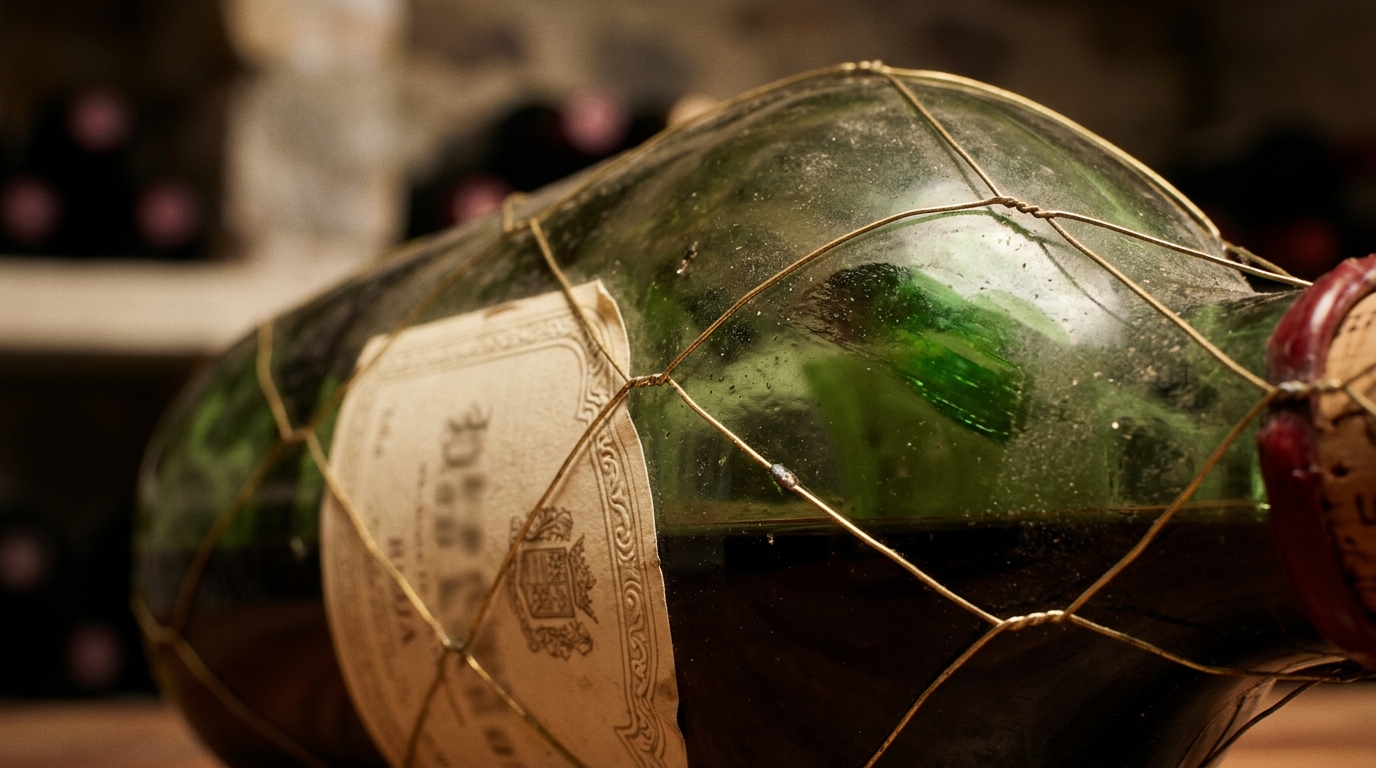
The aging word on a Rioja label is the single most useful clue to how the wine will taste, because it tells you how long the wine spent in barrel and bottle before release. A young Rioja, sometimes labeled Joven, tastes lively and fruit-led with barely any oak. Crianza is the classic starting point for smooth-red fans, and each step up the ladder trades some bright fruit for more dried fruit, spice, and savory depth.
Here is how the four common tiers compare, using the official minimum aging rules for red Rioja set by the region's governing council.
| Label term | Minimum aging (red) | What it usually tastes like | Best for |
|---|---|---|---|
| Joven | No oak requirement, first or second year | Bright cherry, little oak, lighter feel | Casual pizza or tapas |
| Crianza | Two years total, at least one in oak | Cherry and plum, soft vanilla, gentle tannin | An easy weeknight red |
| Reserva | Three years total, at least one in oak | Riper fruit, cedar, more savory character | A dinner with roast meat |
| Gran Reserva | Five years total, at least two in oak | Dried cherry, leather, tobacco, silky texture | A slower, special meal |
These tiers are style signals more than quality grades, so treat them as a taste map rather than a scoreboard. Choose Crianza when you want familiar fruit and a light touch of vanilla, since these bottles are built for everyday dinners and often sit in the friendly mid-teens to low twenties in dollars. Reach for Reserva when you enjoy a more settled red where the fruit steps back and cedar and savory notes come forward. Gran Reserva can be genuinely beautiful, yet those dried, leathery, aged flavors feel less familiar if you usually love juicy reds, so save it for a night when you want the bottle to hold the table.
Reading that one word in a busy shop is exactly where the Crianza and Reserva labels on Spanish wine trip people up, because the print is small and the shelf is crowded. Sommy's Vision and Label Scan can help here: point your phone at the bottle, and it reads the aging tier and tells you whether that style fits the smoother reds you already like. When your goal is picking a specific bottle to buy rather than learning the flavors, our companion guide to finding good Rioja wines walks through the shopping side in more detail.
Is Rioja smoother than Cabernet?
Yes, most Rioja drinks smoother than a young Cabernet Sauvignon, because barrel and bottle aging soften its tannins before the wine ever reaches your glass. A big young Cabernet often arrives with firm, chewy tannins that need food or a few years to settle down. Rioja, especially at the Crianza and Reserva levels, has already done some of that mellowing for you during its required time in oak.
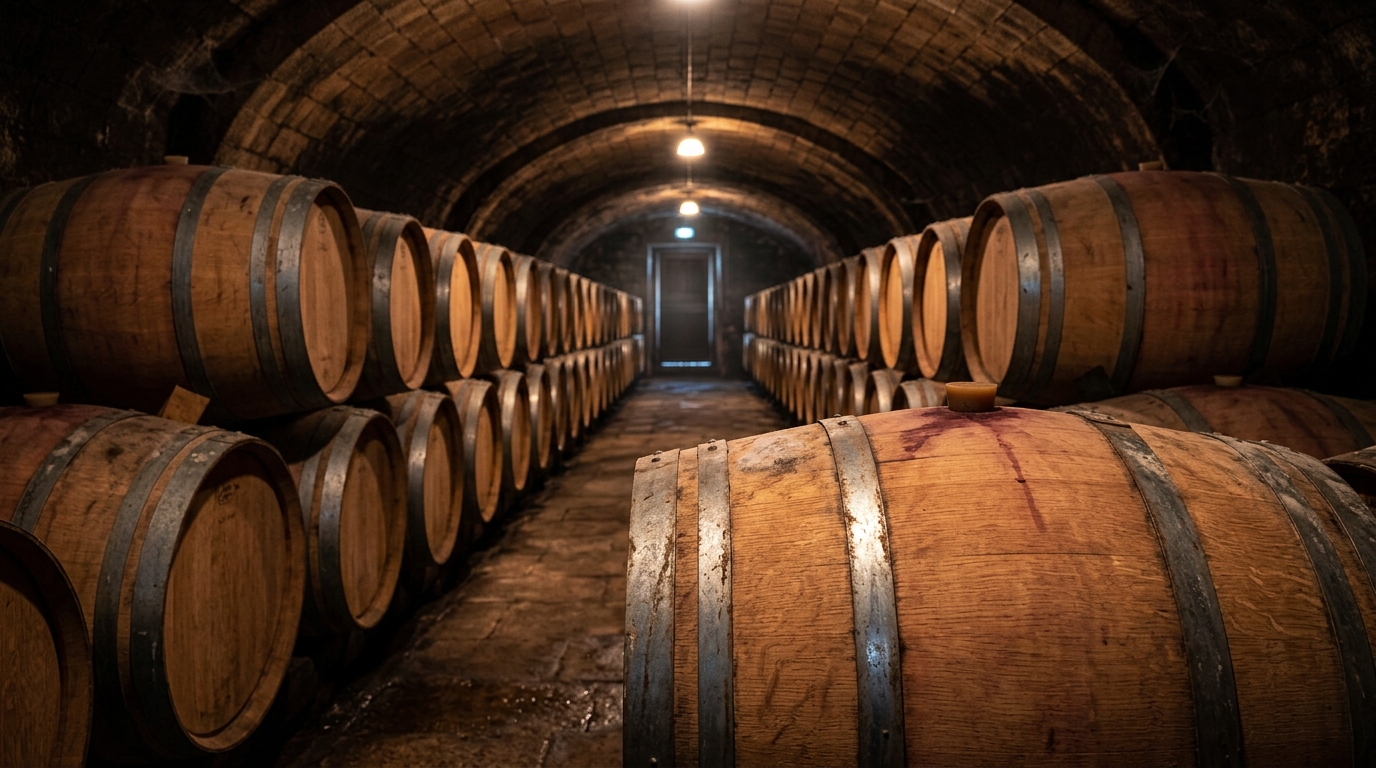
Oak aging is the quiet reason behind that softness, and it also shapes the flavor in ways worth knowing. Traditional Rioja producers tend to use American oak, which pushes vanilla, coconut, and a dill-like sweetness to the front while it rounds the texture. More modern producers lean on French oak or larger, older barrels, so the fruit stays brighter and the wood sits further back. Either way, the months resting in barrel act like a gentle sanding of the wine's rough edges, which is why even a structured Rioja feels polished rather than aggressive.
For anyone who has been burned by a harsh red, Rioja is a reliable soft landing, and it slots neatly next to other low-tannin red wines worth trying. It still has more grip and spice than a featherlight Pinot Noir, so you get real structure and flavor without the drying punch. Think of it as the middle ground your palate has been looking for, with enough body to feel serious and enough smoothness to stay easy. A young Rioja can show a little firmness on the finish, yet it rarely feels as forceful as a young Cabernet poured on the same night.
It helps to picture where Rioja sits among the reds you might already reach for. A young Cabernet delivers dark fruit and a firm, tannic spine that can feel demanding on its own. Merlot smooths that out with plush fruit but sometimes loses the savory backbone that makes a red interesting with dinner. Rioja lands in a happy spot between them, offering the plush, easy drinking of a good Merlot alongside the cedar, spice, and structure that keep it from tasting simple. That balance is exactly why so many people who think they dislike red wine come around once a smooth Crianza lands in their glass.
What foods pair with Rioja?
Rioja pairs with almost anything from weeknight pizza to a Sunday roast, because its fresh acidity cuts through fat while its ripe fruit stands up to bold, smoky flavor. The trick is matching the weight of the wine to the weight of the dish. A lighter Crianza loves casual food, and a richer Reserva or Gran Reserva wants something with more depth on the plate.
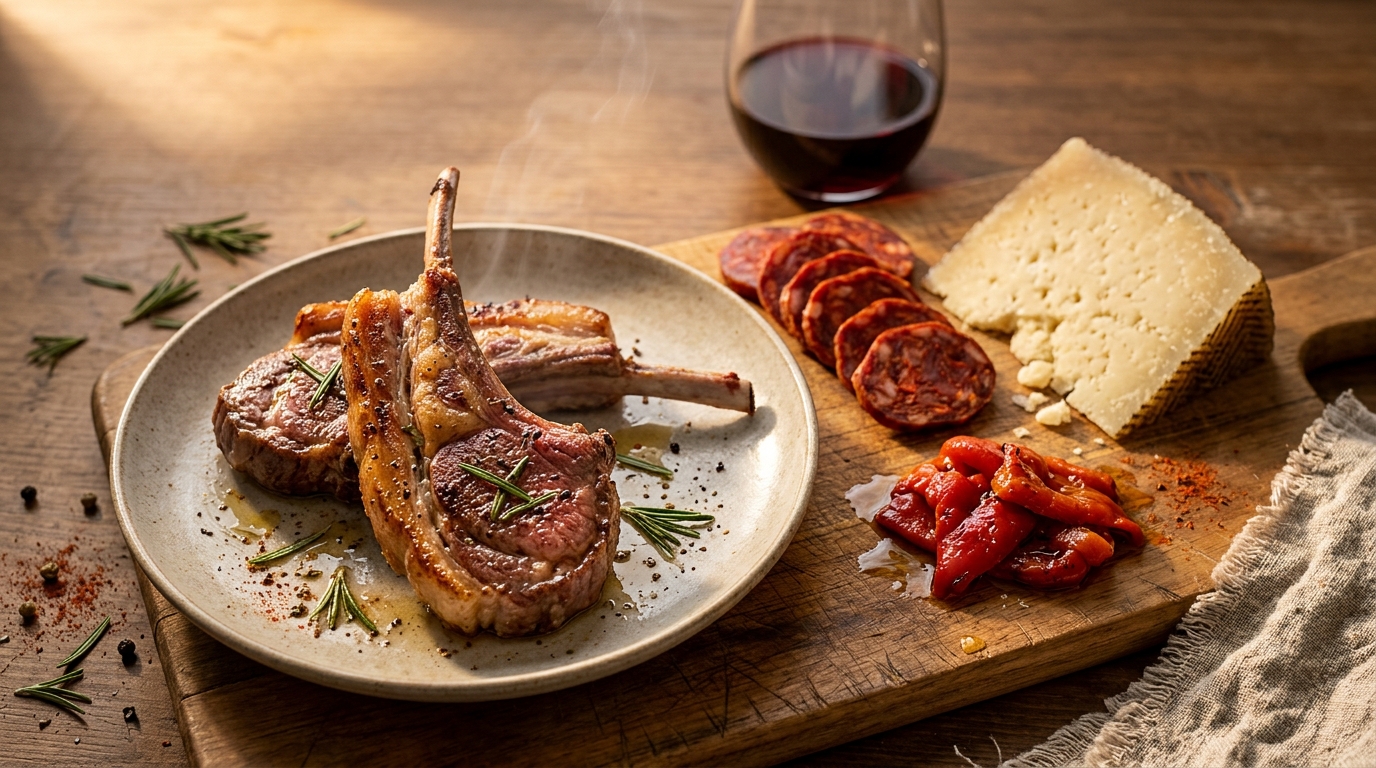
Start a Crianza next to burgers, grilled chicken, sausage, mushroom pasta, or a pizza loaded with cured meat. Its cherry and plum fruit also has a natural friendship with smoky paprika, roasted peppers, and Spanish chorizo, so tapas night is an easy win. When the meal gets richer, a Reserva shines beside lamb chops, pork shoulder, manchego cheese, or a slow beef stew, and a Gran Reserva rewards a table where dinner stretches long and the food is properly savory. Roast lamb in particular is a classic partner, and our full guide to what wine goes with lamb shows why a mature Rioja works so well with it.
The reason these matches work comes down to how the wine is built. Rioja's acidity behaves like a squeeze of lemon on a rich plate, resetting your palate between bites of fatty meat or melted cheese. Its gentle tannins grip the protein and fat just enough to keep things from feeling greasy, without stealing attention from the food. The savory, slightly earthy notes in an older bottle echo the browned, roasted flavors in a slow-cooked dish, so wine and meal start to sound like the same idea. When in doubt, weigh the plate in your mind and pour a fresher Rioja for lighter meals, a fuller one for the hearty stuff.
Rioja is not only red, either, and the white and rosé versions deserve a spot in your rotation. White Rioja, built mainly on the Viura grape, tastes crisp and lemony when young and turns fuller with pear, baked apple, and gentle nutty spice after time in barrel. Rosé Rioja, usually made from Garnacha and Tempranillo, comes out dry and bright with strawberry and citrus, ideal for grilled vegetables, salty ham, or a warm evening when a red feels like too much.
Frequently Asked Questions
What does Rioja wine taste like?
Rioja tastes mostly of cherry, plum, and dried strawberry, with fresh acidity and soft tannins that keep it smooth. As the wine ages in oak it also picks up vanilla, cedar, baking spice, and gentle leather or tobacco notes, though it always stays dry rather than sweet.
Is Rioja a smooth wine?
Yes, most red Rioja is a dry, medium-bodied, and relatively smooth wine. Barrel and bottle aging soften the tannins while the natural acidity keeps each sip lively, so the wine feels polished instead of heavy or harsh.
Which Rioja should a beginner choose?
Crianza is usually the best first Rioja, because it balances bright cherry fruit, a light vanilla note, and soft, approachable tannins. Move up to Reserva once you enjoy a more settled red with cedar and savory character in place of pure fruit.
Is Rioja sweet?
No, Rioja is a dry wine even when it smells of ripe fruit and vanilla. Oak aging makes the wine seem warmer and rounder on the nose, but it adds aroma and texture rather than actual sugar.
What food goes best with Rioja?
A Crianza pairs happily with pizza, burgers, sausage, mushroom pasta, and cured meats, while a Reserva or Gran Reserva loves lamb, chorizo, aged cheese, and slow-cooked stews. Match a lighter Rioja to lighter food and a more mature Rioja to richer, savory dishes.
Pour a Rioja that matches your taste
Rioja takes a lot of the risk out of ordering red, since even a serious-looking bottle usually drinks smooth, dry, and full of friendly cherry fruit. Begin with a Crianza when soft oak and ripe fruit sound right, then follow your curiosity toward Reserva and Gran Reserva as savory, aged flavors start to appeal. Your own preference matters far more than memorizing every producer, soil type, or aging rule on the label.
When you want a second opinion in the moment, Sommy learns the reds you already love and turns them into personalized recommendations for a restaurant list, a shop shelf, or dinner at home. Tell it you like smooth reds with ripe fruit and little bitterness, and a good Rioja is almost always waiting in the answer.