
You spot Crianza on a Spanish bottle and need an answer fast. Understanding Crianza wine is the first step in decoding Spanish wine classifications. It means the wine was aged before release under Spanish rules, so it usually tastes more polished than a young wine and less intense than a long-aged Reserva.
For most shoppers and diners, that one word is enough to reduce the guesswork. If you want wine explained simply, Crianza is one of the most useful label clues to know before you order, browse, or bring a bottle to dinner.
Key Takeaways
- Crianza signals a middle-ground Spanish wine with required aging, including oak barrels and bottle time, delivering balanced ripe fruit, smooth texture, and light spice: more polished than young Joven but less intense than Reserva.
- Common on reds from Rioja and Ribera del Duero (often Tempranillo-based), it offers a trustworthy label clue for casual drinkers seeking reliability without deep wine knowledge.
- Tasting notes include cherry/plum fruit, vanilla/cedar from oak, and firm yet rounded tannins; perfect for quick picks in stores or restaurants.
- Pairs flexibly with grilled pork, burgers, tapas, pasta, charcuterie, and cheese: ideal for weeknight meals or gatherings.
- Legal rules ensure quality: reds age at least 24 months total (e.g., 1 year oak in Rioja), making Crianza a safe, stress-free choice over unaged labels.
The quick meaning of Crianza
A crianza wine sits in the middle. It isn't the freshest, youngest style, and it isn't the most aged one either. Because of that, it often lands in a sweet spot many people enjoy.
On Spanish labels, Crianza usually tells you to expect oak barrel aging and the bottle aging process before the wine reaches you. In the glass, that often means ripe fruit, a smoother texture from the bottle aging process, and a little spice or vanilla from the oak barrel aging. Red wines from the Rioja wine region and Ribera del Duero region are where many people first see the term, often on wines based on Tempranillo grapes.
Crianza usually means balance: fruit still shows up, oak adds shape, and the bottle is ready to drink.
That balance is why so many casual drinkers like it. A bottle marked Crianza often feels easier to trust than a label with no ageing term at all. You don't need wine theory to use it well. You only need to know that it points to a style, not a brand.
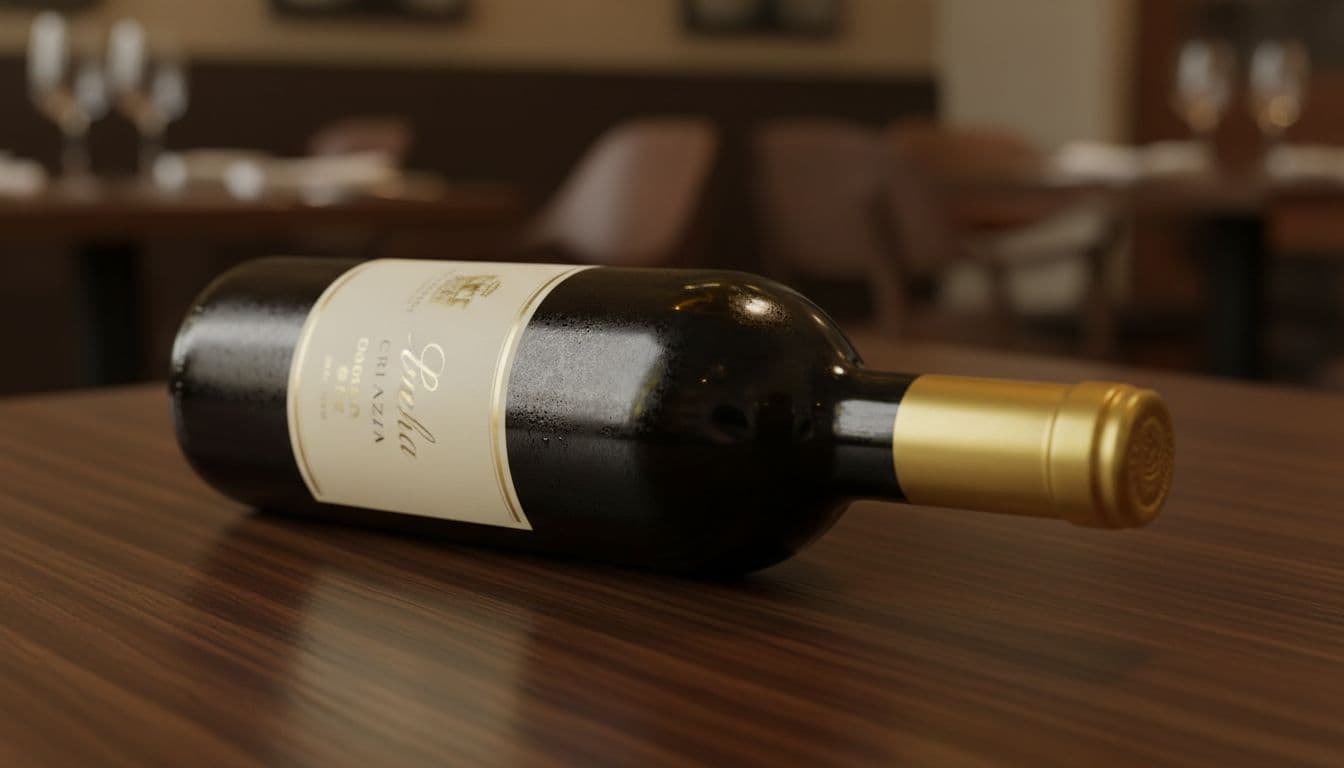
What the ageing rules tell you
The legal meaning matters because Crianza is not random marketing language. In many Spanish regions, as part of the red wine classification, a red Crianza must age for at least the minimum aging period of 24 months before release, with part of that time spent in 225-litre oak barrels. Some regions have tighter rules. For example, Consejo Regulador DOCa Rioja's official ageing categories require at least one year in oak for red Crianza, while Spanish ageing rules explained show that oak minimums can differ in other DO regions. Regulatory board standards ensure these requirements are strictly followed.
That doesn't mean you need to memorize law. It means the label gives you a shortcut.
A quick comparison makes the label terms easier to read:
| Label term | What it usually signals | Style clue |
|---|---|---|
| Joven | Little or no ageing | Fresh, fruit-first |
| Crianza | Defined ageing, some oak | Balanced, smooth, lightly spicy |
| Reserva | Longer ageing | More savory, more layered |
| Gran Reserva | Longest ageing | Mature, softer, deeper flavor |
Most people meet Crianza as a red, but white and rosé wines versions exist too. Their ageing rules are shorter, and styles vary more. Still, the main idea holds: the wine has had time to settle and gain shape.

What Crianza tastes like, and what to eat with it
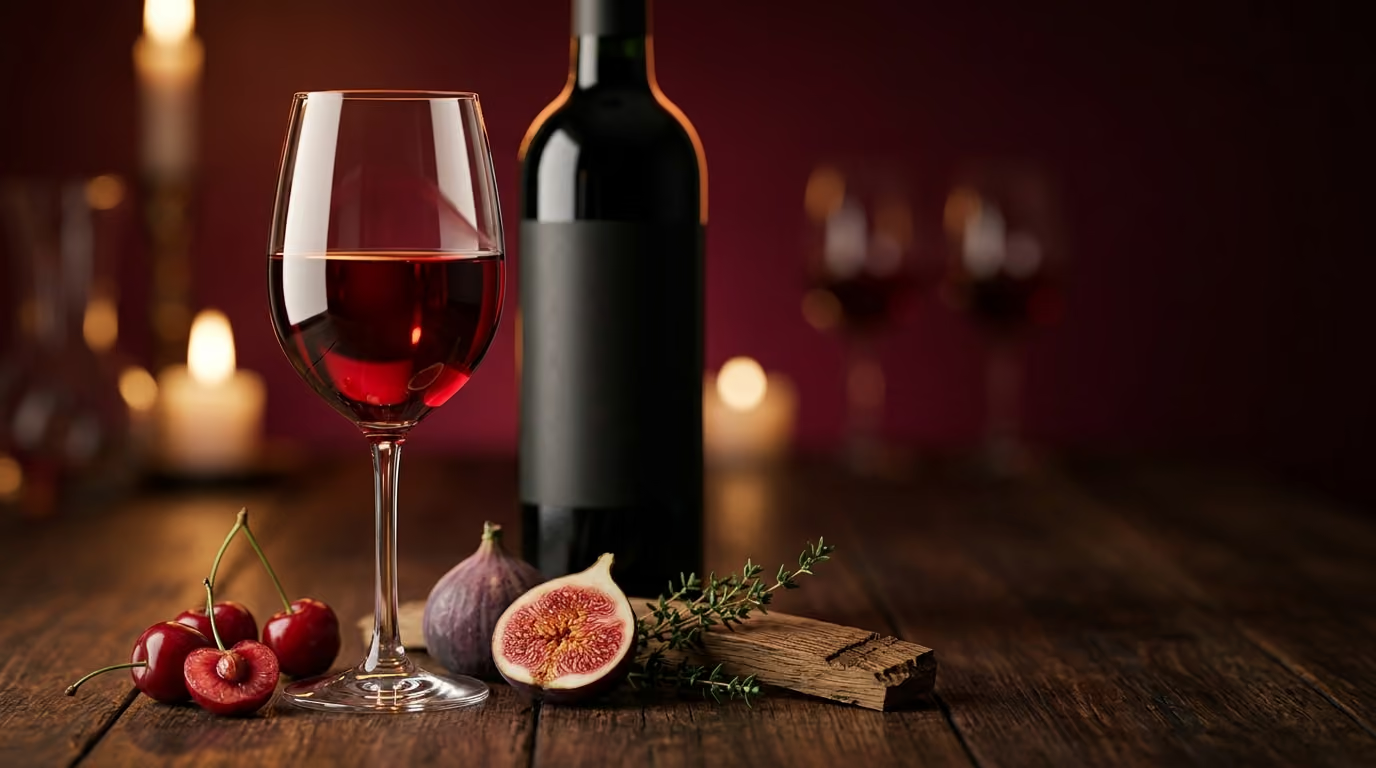
If you ever wanted wine tasting notes explained without a lecture, Crianza is a good place to start. Expect primary fruit aromas first, often cherry, plum, or blackberry. Then you may notice secondary oak aromas like dried herbs, vanilla, cedar, toast, or a faint coconut note from American oak barrels, especially in Rioja. This creates a complex flavor profile without the tertiary aging complexity of older wines.
Texture matters as much as flavor. A Crianza wine often feels smoother than a young red because the ageing softens the edges. It delivers a firm tannin structure, and the finish can feel rounder. That makes it an easy bottle to pour when people at the table like different styles.
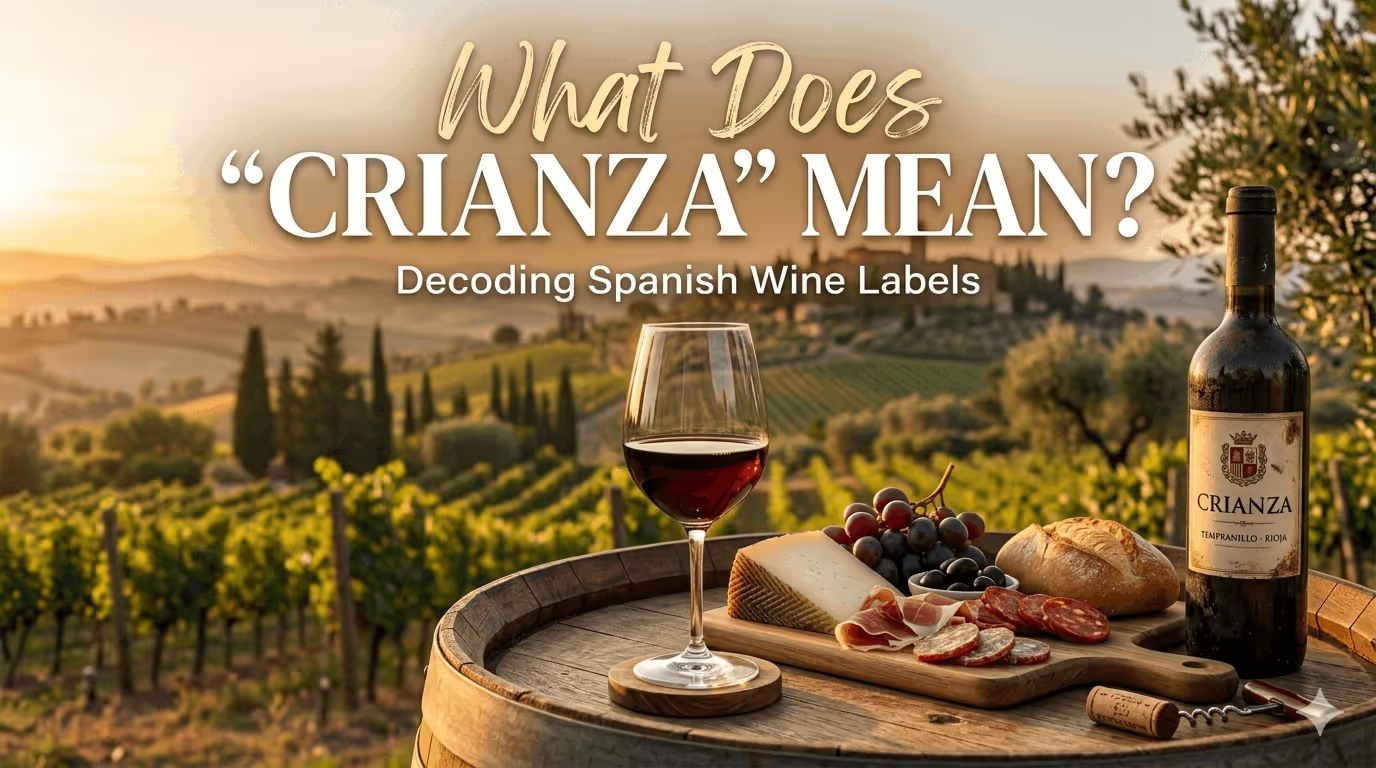
Food pairing suggestions put Crianza to work. In a practical wine pairing guide, it fits grilled pork, roast chicken, burgers, mushroom dishes, tapas, tomato-based pasta, and many steak plates. A bottle can also handle charcuterie, Manchego, olives, and roasted vegetables without making dinner feel too serious.

Because of that flexibility, Crianza often shows up in good wine recommendations for weeknight meals and small gatherings. It offers enough structure for meat, but it usually stays friendly with simpler food too.
How to use Crianza when choosing wine fast
For busy people, the best value of Crianza is speed. One of the simplest wine list tips is to treat it as a safe middle lane when a Spanish section feels crowded. If you want restaurant wine tips that work under pressure, start with the dish, set a budget, then look for Crianza if you want a red with some polish but not too much oak.
The same trick helps with grocery store wine picks. Instead of staring at label art and hoping for the best, scan for subregions like Rioja Alta subregion, Rioja Alavesa subregion, or Rioja Oriental subregion as clues for higher-quality labels, plus grape if listed, ageing term, and the guarantee of origin seal. Check for that guarantee of origin when choosing between young wine categories and Crianza. If label wording still feels murky, Sommy's guide on how to read wine labels keeps the process quick, and its restaurant wine selection tips make menu choices less stressful.
A good wine guide should lower your stress, not raise it. A modern wine guide gives simple wine explanations, clear wine recommendations, and everyday wine advice you can use in real life. That's also why people look for simple wine tips, friendly wine advice, and a little help with how to choose wine without becoming students of wine.
Sommy fits that moment well. It is an AI wine assistant built for people who want smart wine recommendations, personalized wine picks, wine app suggestions, smart wine picks, and personalized wine recommendations based on taste, budget, and food. In other words, you get a wine guide that feels calm and useful, not academic.
Frequently Asked Questions
What does Crianza mean on a Spanish wine label?
Crianza indicates the wine has met official aging requirements, including time in oak barrels and bottles, placing it in the middle of Spanish classifications. It promises a smoother, more balanced style than young wines but not as evolved as Reserva. This label reduces guesswork for shoppers and diners.
How long must a Crianza wine age?
Red Crianza wines typically age at least 24 months total, with a portion (like 12 months oak in Rioja) in 225-litre barrels, per regional rules. Whites and rosés have shorter minimums. These standards from regulatory boards ensure consistency and quality.
What does Crianza wine taste like?
Expect ripe fruit like cherry or plum, plus oak notes of vanilla, cedar, or toast, with a smooth texture and firm tannins. It's balanced, not too fruity or oaky, making it approachable. The aging softens edges for an easy-drinking finish.
What foods pair with Crianza wine?
Crianza shines with grilled pork, roast chicken, burgers, mushroom dishes, tomato pasta, tapas, steak, charcuterie, Manchego cheese, olives, and roasted veggies. Its structure handles meat while staying friendly for casual meals. It's versatile for weeknights or gatherings.
Is Crianza only for red wines?
Most people encounter Crianza on reds from regions like Rioja, but whites and rosés exist too, with shorter aging rules. The core idea holds: time to settle for polish and shape. Reds remain the standout style for balance.
Final thoughts
Crianza is one of the easiest Spanish label terms to trust because it tells you more than the bottle's design ever will. When you see it, expect a wine with some age, some softness, and a balanced mix of fruit and oak that reflects traditional varietal characteristics.
That makes Crianza wine a strong choice when you want dependable wine recommendations without overthinking the decision. For the best bottles, seek exceptional vintage years, where Crianza wine captures traditional varietal characteristics perfectly. If you want help choosing wine in the moment, Sommy can turn a label, a meal, and your taste into clear, personalized picks before doubt takes over.