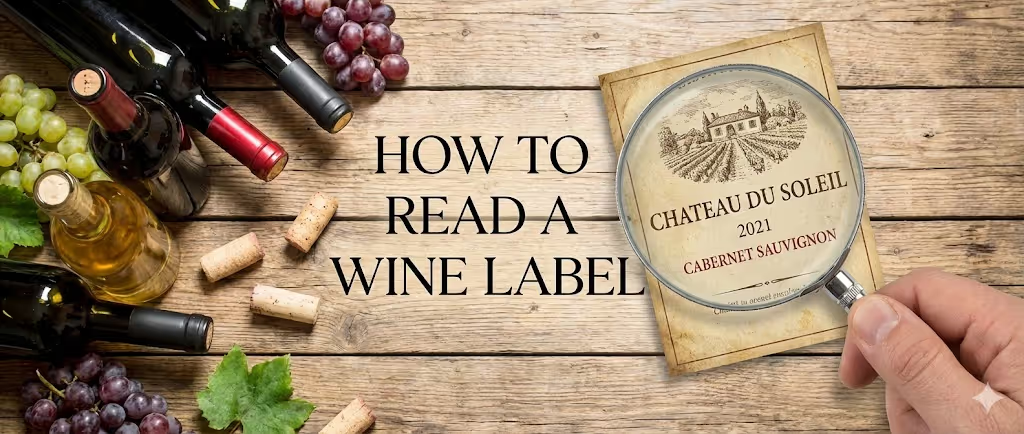
Standing in front of a wall of bottles can feel like picking a movie with no trailer. You don't want to overthink it, but you also don't want a dud. Here's the core trick to read wine label information fast: scan for a few facts that predict taste (grape or place, vintage, and ABV), then use the back label to confirm dryness and style.
This is a modern wine guide for real life, not a class. Think of it as friendly wine advice that helps you choose calmly, even when you're rushed.
Read a wine label in 10 seconds (front label)

When you read wine label details, ignore the fancy fonts first. Instead, hunt for five anchors. Once you find them, the bottle stops being mysterious.
- Country or region: "France" vs "Napa Valley" gives a quick style hint. More specific usually means more intentional.
- Grape (or a style word): It might say Pinot Noir, Chardonnay, "Red Blend", or "Rosé".
- Vintage (the year): For most everyday bottles, "recent enough" is the goal. If it's non-vintage (common for sparkling), that's normal.
- ABV (alcohol %): This is a sneak preview of body and ripeness.
- Producer name: Treat it like the maker's signature. If the producer is clear and consistent, that's often a good sign.
One quick reference helps when you're doing grocery store wine picks in a hurry. Use ABV like a weather report.
If you can spot grape (or place) plus ABV, you can make a solid call. The rest is fine print.
If you want a plain-language refresher from a regional authority, see Napa Valley Vintners' label guide. It's another example of wine explained simply, without needing a dictionary.
Flip to the back label for the "truth" (and skip the fluff)
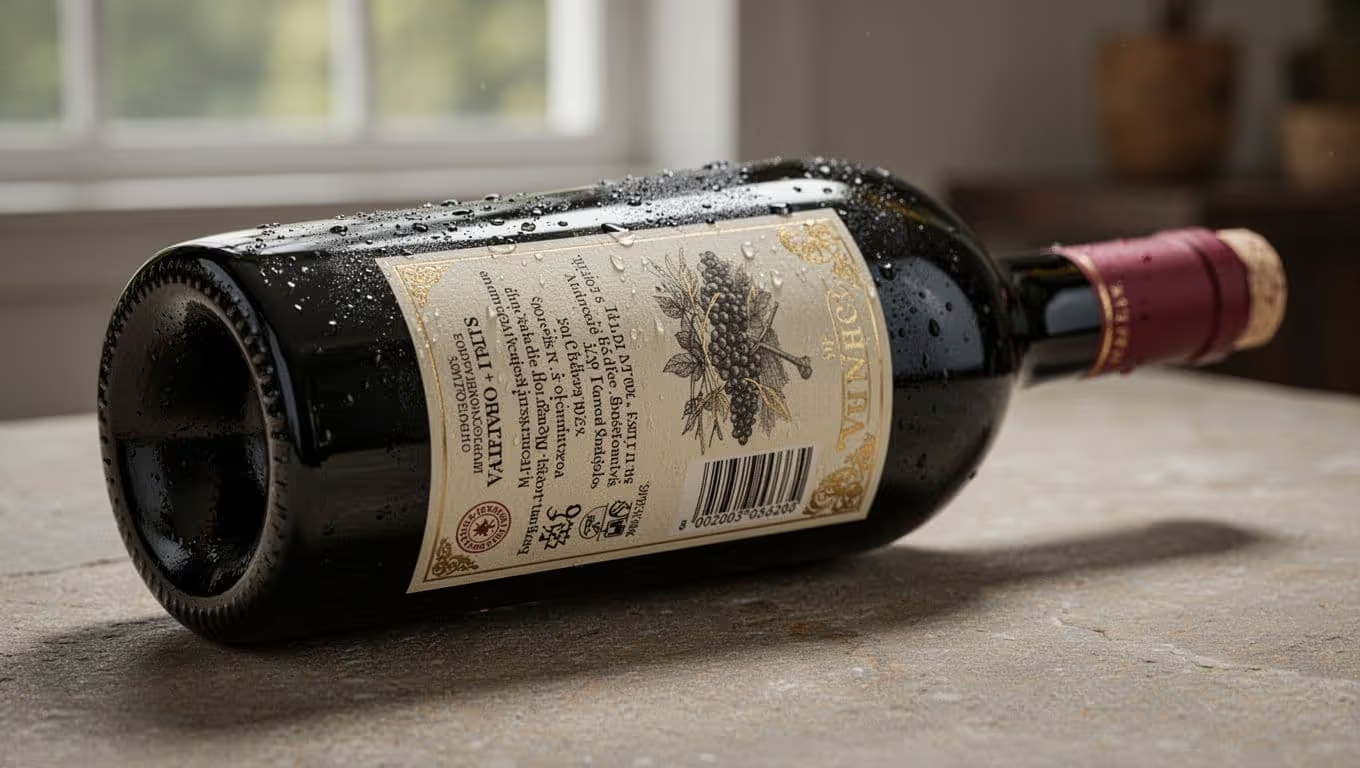
The back label is where confidence lives, because it often answers the question you actually care about: "Will I like this?"
Here's what to look for, in order.
Start with dryness cues. Many labels don't say "dry" directly, but they hint. Words like "crisp", "bright", and "zesty" usually mean dry. Phrases like "lush", "jammy", or "sweet fruit" can suggest a softer, fruitier feel (not always sweet, but less sharp).
Next, read the tasting note like a movie review. This is where wine tasting notes explained matters. Notes are not facts, they're a promise of vibes. Treat them as a shortcut to style:
- "Lemon, lime, green apple" often points to fresh and bright.
- "Peach, pear, honey" often feels rounder and softer.
- "Cherry, raspberry" tends to feel lighter for reds.
- "Blackberry, cocoa, vanilla" often signals a richer red.
Then check for importer and bottling lines. If you see "imported by…" that's normal. If you see "produced and bottled by…" it can signal tighter control from the same team.
Finally, don't panic about "contains sulfites". It's a standard statement on many wines.
For another quick decoder written for normal shoppers, Wine Army's label-reading breakdown is a useful set of simple wine explanations you can skim once and remember later.
Turn label clues into confident choices (store and restaurant)
Once you can read wine label basics, you can use the same method everywhere. That's how to choose wine without the spiral.
At a restaurant, your job is to narrow the list to two candidates. Use these restaurant wine tips: pick a price ceiling, pick a color, then pick a body using ABV or a simple description. Those are wine list tips that work even when the table's waiting. If the menu is confusing, this guide on reading a restaurant wine list without feeling lost keeps it calm and practical.
In the store, do the same thing, but faster: grab one bottle that matches your usual (your "safe choice"), then one bottle that's one step different (a new region, or a slightly lower ABV). That's the easiest way to build confidence and find new favorites. For budget-first help, this post on cheap wines that taste great pairs well with label reading, because it shows where value tends to hide.
Food makes decisions easier, too. When you're stuck, use a simple wine pairing guide idea: match weight to weight (light food with lighter wine, rich food with richer wine). You don't need perfect pairings, just avoid extremes.
If you want help choosing wine in the moment, this is exactly where an AI wine assistant helps. Instead of guessing, you can scan a label and get smart wine recommendations that match your taste, budget, and meal. Sommy is built for clear wine recommendations, including personalized wine recommendations and personalized wine picks that improve over time. Think of it as quiet wine app suggestions when you're staring at a shelf or a list. To see what that looks like in practice, start with Sommy's wine scanner app guide, especially if you want smart wine picks without doing homework.
Conclusion: a label-reading habit you'll actually use
You don't need to memorize regions or speak like a sommelier. You just need a repeatable way to read wine label clues, front then back, and make one calm decision. Keep the anchors simple, treat tasting notes as hints, and trust your own preferences. With that, wine recommendations stop feeling like a gamble and start feeling like everyday wine advice you can use anywhere.

EntreprEngineur. Runs on lattes. Creates with the intensity of a downhill run. Fast, slightly chaotic, ideally followed by a glass of wine.