
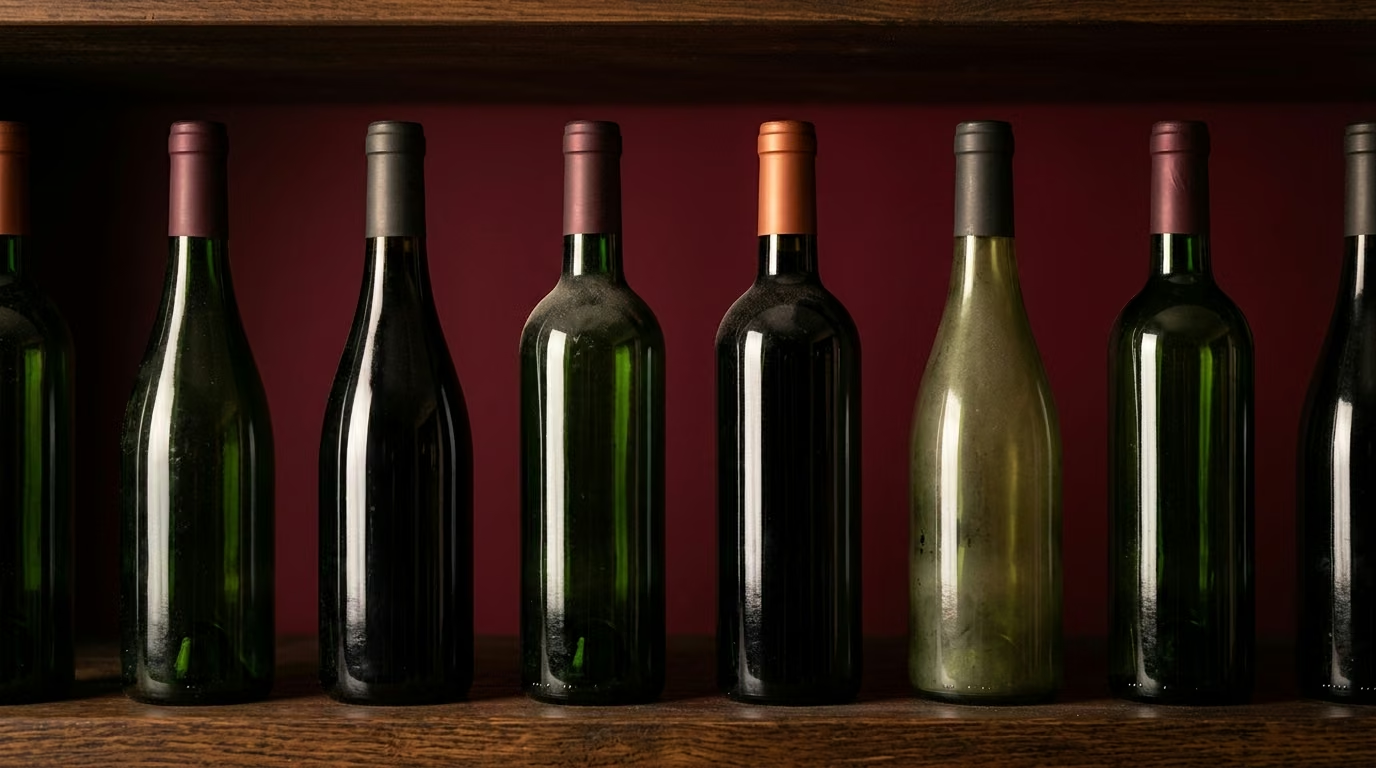
Cheap wine tastes good when it skips the things that cost money without skipping the things that make wine taste of somewhere. Most of a bottle's price comes down to three items, which are oak barrels, time spent aging, and the specificity of the vineyard it came from. A wine that goes without the first two but keeps the third is where the value lives, and that combination is easy to spot on a shelf once you know the signals. That's why an unoaked white from a named Portuguese subregion beats a barrel-aged red from a whole country every time at the same price.
This page works backwards from what actually drives the number on the tag, because knowing where the money goes tells you exactly which corners a good cheap bottle can afford to cut. There's no list of brands here and no promise that any particular label will suit you, just the reasoning you can apply to any shelf in any shop.
What makes a wine expensive in the first place?
Three things push a bottle's price up, and Wine Folly's Madeline Puckette lays them out as oak, time and terroir in her breakdown of the truth about cheap versus expensive wine. Each one carries a fairly predictable cost, which is what makes the whole thing possible to reason about rather than guess at.
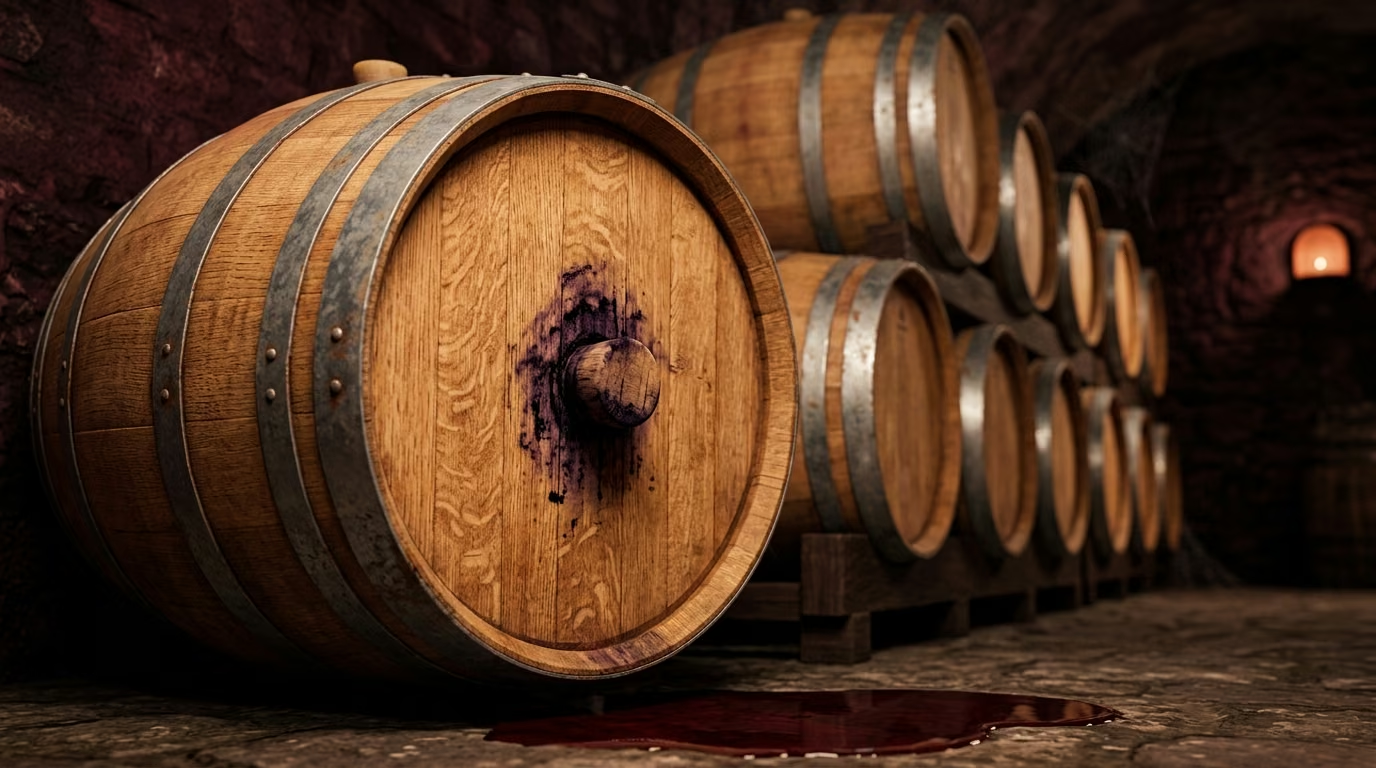
Oak adds roughly two to four dollars a bottle by her estimate, and the reason is simple economics, since only two barrels can be made from an eighty year old oak tree and French barrels cost about twice what American ones do. Aging costs about a dollar per year, because a winery holding stock for five years is paying for five years of space and capital it can't use for anything else. Terroir is the steepest of the three, adding five dollars or more as the named area on the label gets smaller and scarcer.
That last one deserves a concrete example, and Puckette gives a good one. A generic bottle labeled California might sit around twelve dollars, the same wine narrowed to Sonoma around seventeen, and narrowed again to Russian River Valley around twenty two. Nothing about the liquid necessarily tripled in quality across that ladder, but the land got scarcer at every rung and the price followed.
Are you paying for quality or for scarcity?
Both, and separating the two is the whole skill. Scarcity is real but it's not the same thing as flavor, and a famous appellation charges a premium partly because there is only so much of it and everyone has heard of it.
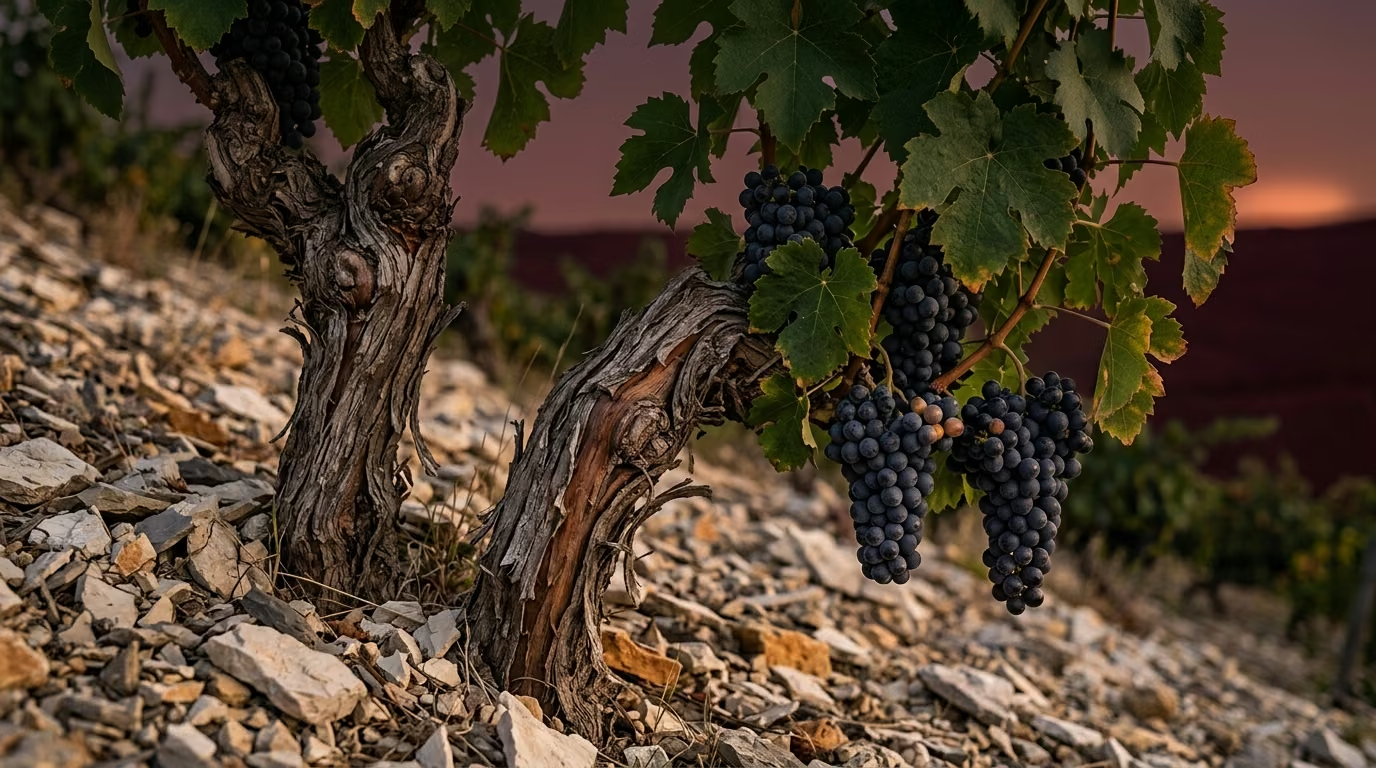
The quality side is real too. Wineries chasing better wine reduce their yields deliberately so the vines produce fewer, more concentrated grapes, and the best vineyards tend to be places where the vine genuinely struggles, on a hillside with poor thin soils rather than on fertile flat land near a river. The grape variety matters to the cost as well. Puckette notes that in Napa's 2010 vintage, decent Merlot ran about $1,300 per ton against roughly $4,000 for Cabernet Sauvignon, which worked out to about $1.80 of fruit in a bottle of the former and about $5.60 in the latter.
Those are 2010 figures from one region and they've moved since, but the shape of the thing holds. Fruit cost, land scarcity and reputation all sit inside the price, and only the first two have much to do with how the wine tastes. Our look at the second-cheapest wine myth covers what the research found about how people actually behave with these prices on a shelf.
Which corners can a cheap wine safely cut?
Oak and time are the two a good cheap wine can drop without much loss, and terroir is the one it shouldn't. An unoaked wine isn't a lesser wine, it's a different style, and plenty of the world's most refreshing whites never see a barrel because oak would smother exactly what makes them good.
Aging works the same way for most bottles you'll meet, because most wine made today is meant to be drunk young, and a bright fruity red from last year's harvest is doing precisely what it was built to do. The wines that genuinely improve over a decade are a small minority, and paying for cellar time you don't need is paying for someone else's storage bill.
Where the compromise hurts is the vineyard. A wine blended from fruit bought across an entire country has to be assembled to a price and a consistent house style, which usually means something drinkable and anonymous. A wine from one named subregion has a character that came from a place, and character is the thing you're actually hoping for when you open a cheap bottle and want to be pleased.
There's a fourth cost worth naming, which is everything that never touches the wine. Heavy glass, elaborate capsules, embossed labels, importer margin and marketing all sit in the price, and a very heavy bottle in particular is a decent warning sign rather than a good one. It signals a producer spending on presentation, and that money came from the same budget the fruit did.
Where does good value actually hide?
Value concentrates in regions where land and labor cost less but the growing conditions are excellent, which today means Spain, Portugal, Chile, Argentina and southern Italy more than anywhere else. None of these places are secrets to the trade, they just haven't accumulated the reputation premium that Burgundy or Napa carry.
In Spain, look at Garnacha and Monastrell from regions outside Rioja, and Verdejo or Albariño among the whites. Portugal is probably the best value country in the world right now for dry wine, with Douro reds built from the same grapes as Port and Vinho Verde among the most refreshing cheap whites available anywhere. Chile does Sauvignon Blanc and Carmenère reliably well, helped by a climate consistent enough that a bad vintage is rare. Southern Italy gives you Nero d'Avola from Sicily and Primitivo from Puglia, ripe and generous and priced far below anything comparable from Tuscany.
Reliable sunshine matters more at this price than it does higher up, and it's an underrated reason these regions deliver. In a marginal climate the difference between a warm year and a cool one is enormous, so you have to know vintages to buy well. In Chile, Argentina and southern Italy the grapes ripen dependably most years, which means a cheap bottle from a random vintage is far less of a gamble. You get to ignore a whole layer of expertise that expensive European wine demands of you.
The same logic supports a set of swaps worth remembering. If you like Cabernet Sauvignon, Carmenère from Chile gives you similar dark fruit with a savory edge for less. If you like Sancerre, Sauvignon Blanc from Chile or South Africa gets you most of the way for a fraction. If you like Pinot Noir, Gamay from Beaujolais is lighter and juicier and rarely expensive. Our guide to finding good red wine bottles works through more of these, and building a budget wine rotation covers how to keep variety going week to week.
What should you check on the label?
Two things carry most of the signal, which are how specific the region is and who actually made the wine. Specificity is the stronger of the two, and it follows directly from the price ladder above. A label reading Product of Italy tells you almost nothing, while one naming a subregion tells you the producer thought the origin was worth putting their name to.
The producer is the second signal, and it's often in small print on the back. Estate Bottled means the winery grew the grapes and made the wine on its own property, which implies control over the whole process rather than buying in bulk fruit of unknown origin. Produced and Bottled By carries similar weight. Neither guarantees you'll enjoy the wine, but both indicate somebody was accountable for it from vine to bottle.
A screw cap tells you nothing bad, and arguably something good. Many careful producers use them on whites and rosés precisely to preserve freshness and eliminate cork taint, the fault that leaves a wine smelling of wet cardboard. Our guide to reading wine labels goes further into the vocabulary if you want it.
Is there a price where cheap wine gets good?
The steepest improvement per dollar happens in the jump from the very bottom of the shelf into the ten to fifteen dollar range, and the reason follows from the cost breakdown. At the rock bottom price, fruit cost alone eats most of the budget, so the wine has to come from high yielding vineyards on cheap flat land and be corrected in the cellar to taste of something.
A few dollars more buys better fruit from better sites, and that shows up as concentration and balance rather than as any single flavor you could name. Above roughly thirty dollars the curve flattens hard, because from there you're mostly buying oak, aging and scarcity, and those deliver diminishing returns unless you specifically want what they do.
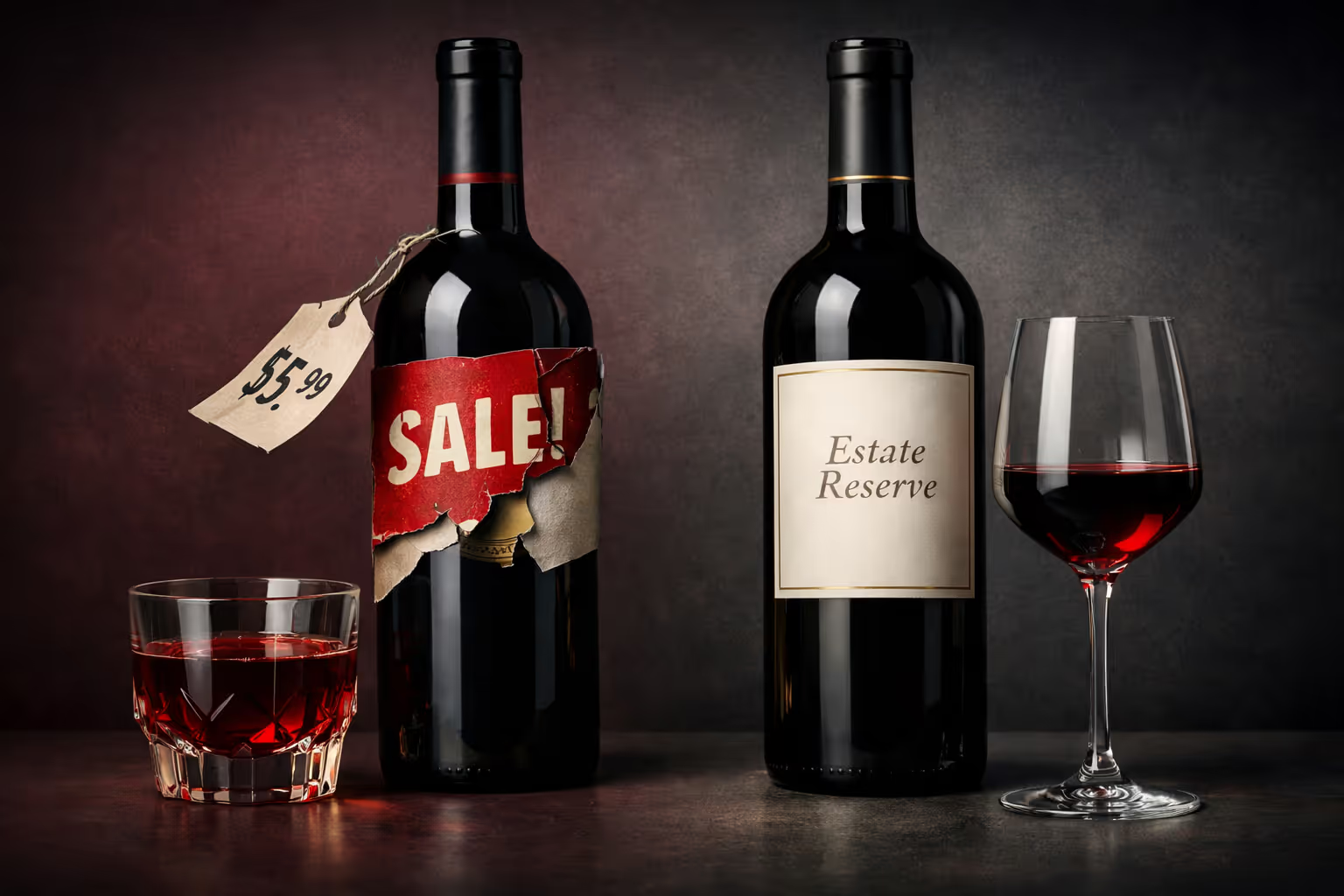
None of this means the cheapest bottle is always bad or the dearer one always better. It means the money does identifiable things, and knowing which things lets you decide whether you want them tonight. If you'd rather not hold the whole framework in your head at the shelf, scanning a bottle with Sommy's Label Scan gives you the read against your own taste in a couple of seconds.
Frequently asked questions
Does expensive wine actually taste better?
Often but not reliably, and the correlation weakens sharply as prices climb. Money buys better fruit and more careful winemaking at the lower end, where the difference is easy to taste, and buys oak, cellar time and scarcity at the top end, where whether it tastes better depends on whether you like those things.
The useful way to think about it is that price measures several separate things at once, and only some of them land on your palate. Scarcity and reputation sit in the number alongside fruit quality, and your tongue has no way of reading the first two. Our piece on the second-cheapest wine myth goes through what the research actually found on this.
What makes a wine good rather than just expensive?
Balance is the honest answer, meaning the fruit, acidity, tannin and alcohol sit in proportion so no single element sticks out. A well made cheap wine can be perfectly balanced within its own modest ambitions, and an expensive wine can be clumsy.
Why is Portuguese and Spanish wine so cheap?
Land and labor cost less there than in the famous French and Italian regions, and neither country carries the reputation premium that lets a grower charge more for the same work. The growing conditions are excellent, which is why the quality per dollar is so high.
Is a screw cap a sign of cheap wine?
No, and treating it as one will cost you good bottles. Screw caps seal reliably and prevent cork taint, and many quality conscious producers use them deliberately on wines meant to be drunk young and fresh.
Are blends better value than single grape wines?
They often are, because blending lets a winemaker balance the strengths of several grapes and deliver a consistent result year after year. Single variety wines from a great site can be extraordinary, but they carry more vintage risk at any given price.
Does the vintage year matter on a cheap bottle?
Far less than it does on an expensive one, especially from consistently warm regions like Chile, Argentina and southern Italy where most years ripen well. The one thing worth checking is that a cheap white or rosé is recent, since those are made to be drunk fresh and lose their appeal after a couple of years on a shelf.
How much should you spend on a weeknight bottle?
Ten to fifteen dollars captures most of the available improvement over the cheapest shelf, and spending more on a Tuesday rarely pays back. Save the step up for occasions where you'll actually pay attention to what's in the glass.
Buying well without becoming an expert
Work backwards from the price and the shelf gets much easier to read. Oak, aging and a scarce vineyard are what you pay extra for, so a cheap wine that tastes good is usually one that skipped the first two and kept a real place on the label. That points you toward Spain, Portugal, Chile, Argentina and southern Italy, toward named subregions rather than whole countries, and toward the ten to fifteen dollar band where each extra dollar still does visible work.
The rest is your own palate, which is the only judge that counts. Pay attention to what you liked and why, and the next bottle gets easier to choose than the last one.