
A budget wine rotation is just a simple plan for seven days of wine, picked ahead of time, with a clear spending cap. You choose a few “house styles” you actually like, match them to the meals you already eat, and repeat what works. No wine homework required.
If wine choices make you freeze, you’re normal. Wine isn’t confusing because it’s complex, it’s confusing because choosing wrong feels expensive.
Start with a calm, low-effort plan (3 rules)
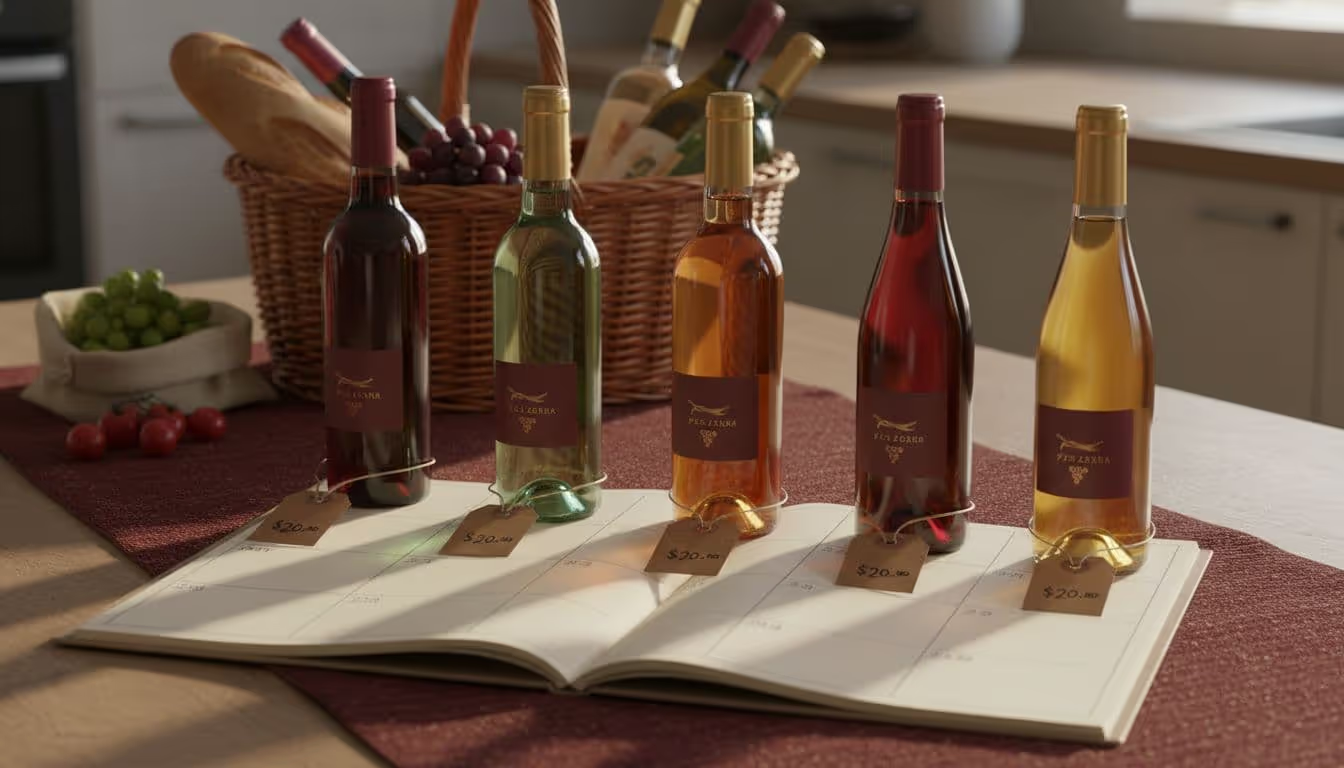
Rule 1: One budget number.
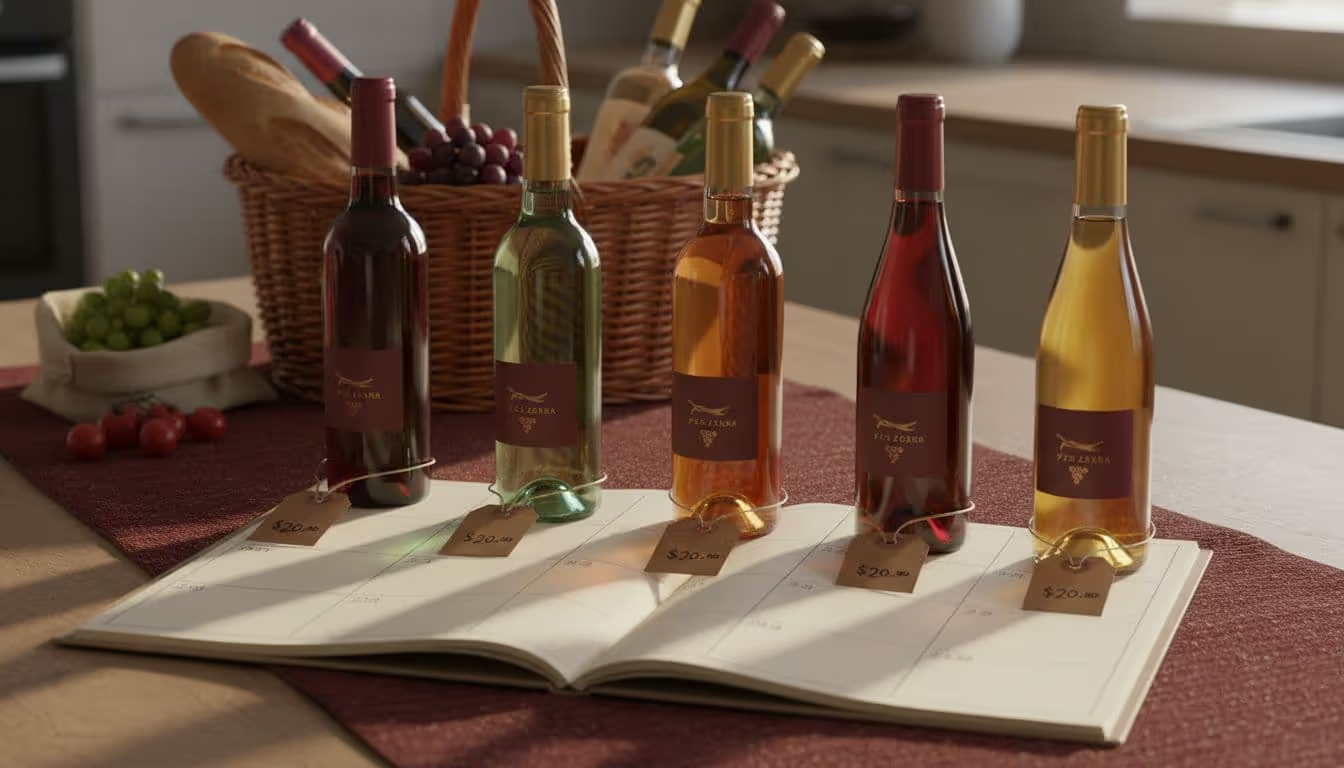
Pick a weekly limit first, not a bottle first. Most people do well with “two under $15, three under $20, one under $25.” Your number can be smaller. The point is deciding once.
Rule 2: Repeat a few styles.
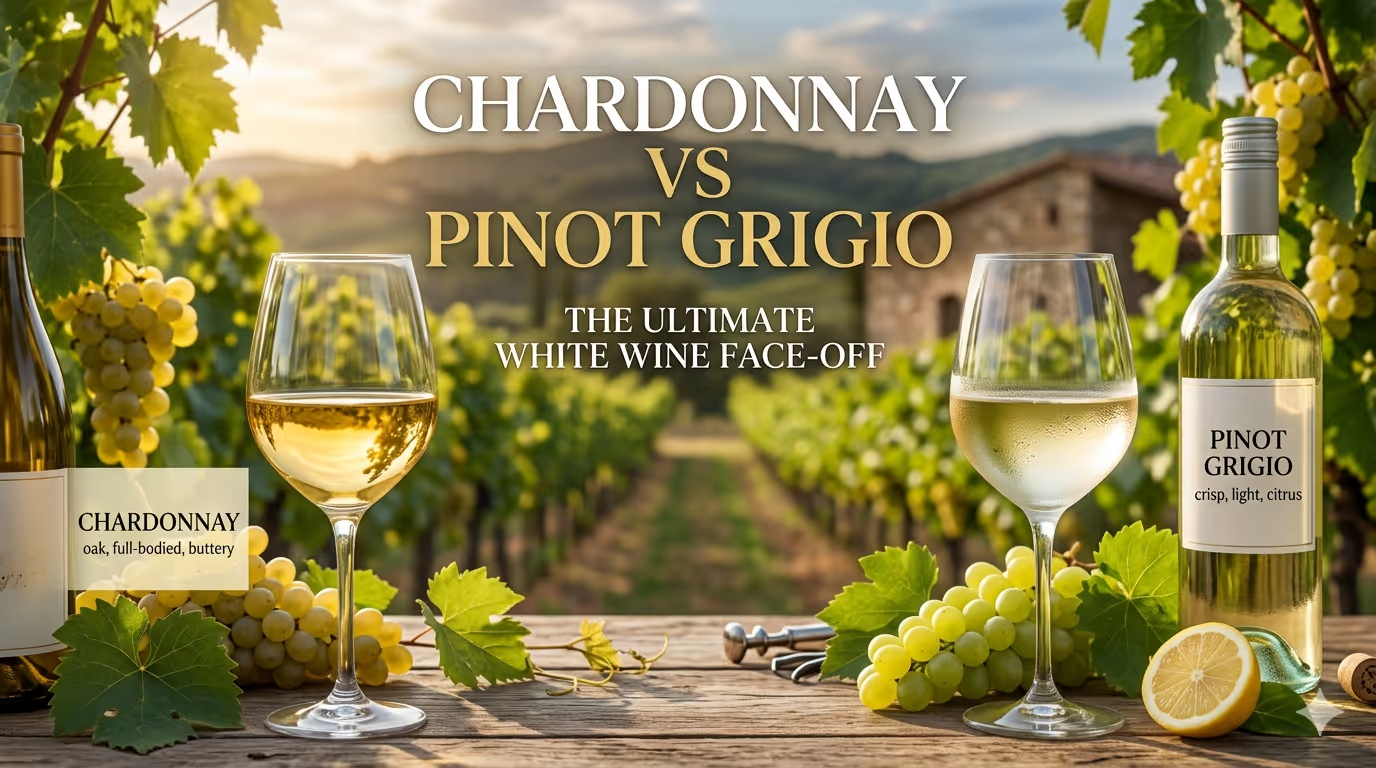
You don’t need dozens of grapes. A modern wine guide for real life can be five lanes: crisp white, cozy white, rosé, light red, bold red, plus bubbles if you want.
Rule 3: Pair with your week, not a fantasy dinner party.
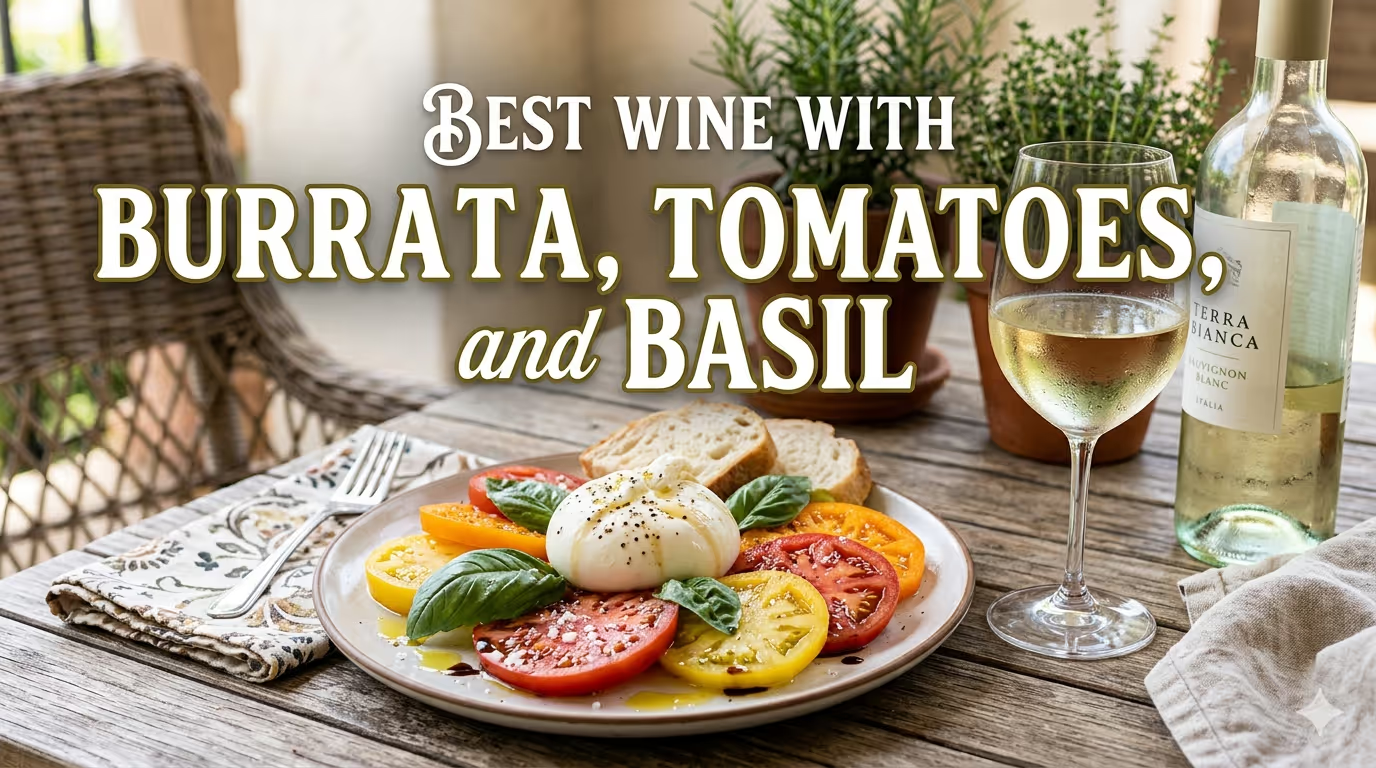
This is your wine pairing guide for leftovers, takeout, and Tuesday. If your week is pasta, chicken, salads, and one spicy meal, plan around that.
This is also the heart of how to choose wine without stress: set a limit, pick a style, match the food, and move on.
How Sommy helps you choose faster (without “wine speak”)
Sommy is an AI wine assistant that helps you decide in the moment. You can treat it like a quiet friend who remembers what you liked last time.
Here’s the practical way to use it for smart wine recommendations:
- Tell Sommy what you want to spend and what you’re eating, then ask for clear wine recommendations in plain words.
- In a store, use it for wine app suggestions based on what’s on the shelf, so you’re not stuck staring at labels.
- At a restaurant, use it for restaurant wine tips and quick “pick between these two” choices.
- Save the winners, so next week’s personalized wine picks get easier.
Over time, that turns into personalized wine recommendations that match your taste, not someone else’s rating.
A weeklong wine rotation that stays affordable

Below is a rotation you can run any week. It’s built for variety, low risk, and real dinners. Use it as a beginner wine guide you can repeat, not a one-time project.
A few simple wine tips to make this work without guesswork:
Keep one “repeat slot.” Sunday is your pressure-release valve. If the week was chaotic, repeat the bottle you liked most. That’s beginner-friendly wine advice that saves money and brain space.
Choose “dry” on purpose. If you’re unsure, dry wines are easier with food. If you like sweeter, pick one bottle that fits that preference and make it your Wednesday or Sunday.
Build around temperature. Crisp whites and rosé feel better cold. Light reds can be slightly cool. Bold reds can sit out for 15 minutes while you cook. That’s everyday wine advice you’ll actually use.
If you want extra wine recommendations for the same price range, these lists can spark ideas (they change often, so treat them as inspiration): The New York Times list of wines under $20 and Food & Wine’s picks under $20.
Grocery store wine picks: how to spend less and regret less
A budget plan can still fall apart in the aisle. Bright labels, big promises, “limited reserve,” and suddenly you’re at $28.
Use these wine explained simply rules for better grocery store wine picks:
Shop the middle price band you chose. If your cap is $20, ignore $9 and ignore $35. Staying in one lane helps you compare fairly.
Buy two bottles that match your life. One weeknight bottle (easy, flexible), one weekend bottle (a little richer). You don’t need seven different “special” wines.
Look for a style match, not a brand match. If you loved last week’s crisp white but can’t find it, ask Sommy for smart wine picks that taste similar at the same price.
This is where a wine app for beginners shines, it turns “I don’t know” into “I’ll take this one” in under a minute. It’s also why simple wine explanations beat long lessons when you’re standing under fluorescent lights.
Restaurant wine tips and wine list tips (without feeling awkward)
Restaurant menus can feel like a pop quiz. Keep it basic and decisive.
Pick your price ceiling first. Then pick your food. Then choose your style. That order matters.
Use the house language. If you like lighter wines, say “light and smooth.” If you like richer wines, say “fuller and cozy.” Those phrases work better than trying to pronounce something.
Ask one direct question.
“Which one is most crisp and dry?” or “Which one is the smoothest red?” That’s all you need.
For extra perspective on finding value when eating out, this Washington Post guide to wines under $25 can help you see what “good value” looks like across styles.
Wine tasting notes explained in plain words (so you can repeat wins)

Most people don’t need poetic tasting notes. They need a shortcut they can remember.
Here’s wine tasting notes explained for real life, using four “tags” you can store in your head (or in Sommy):
- Crisp: feels refreshing, like citrus or green apple vibes, great with lighter food.
- Cozy: feels rounder, softer, good with creamy or baked dishes.
- Light: doesn’t feel heavy, easy to sip, works with lots of meals.
- Bold: tastes deeper, stands up to rich food.
That’s the whole system. It’s a beginner wine guide you can apply anywhere, and it supports better wine list tips and better restaurant wine tips too.
Conclusion: keep the plan, swap the bottles
A budget wine rotation works because it removes the scary part: choosing from a thousand options. Keep your weekly structure, keep notes on what felt crisp, cozy, light, or bold, and your future choices get easier. That’s beginner-friendly wine advice that builds confidence without turning you into a wine expert.
If you want help choosing wine in the moment, this is exactly what Sommy is for: an AI wine assistant that gives personalized wine picks, quick pairing help, and clear wine recommendations so you can stop guessing. Start your next week with a plan at https://www.sommy.ai, then let it learn what you actually like.