
Find smoother reds fast with a few shelf and menu clues, so you can pick a soft, easy bottle without learning wine theory.
You're staring at a shelf full of labels, and every bottle looks like a trick question. The short answer is simple: reach for wines from thin-skinned grapes, trust a few label words, and skip the biggest, grippiest reds. A low tannin red wine usually feels smooth and juicy, not dry like over-steeped tea.
If red wine often feels harsh due to tannin sensitivity or leads to red wine headaches, nothing's wrong with your palate. Most people just want a bottle that feels easy. That makes sense, because wine should help dinner, not turn into homework.
What is a low-tannin red wine?A low-tannin red wine is made from thin-skinned grapes (like Pinot Noir, Gamay, and Grenache) that produce less of the polyphenols responsible for a dry, astringent mouthfeel.These wines feel smooth and juicy rather than grippy or drying.
Spot it in 5 seconds:
- Grape: Pinot Noir, Gamay, Grenache, Barbera
- Label word: smooth, silky, light-bodied, juicy
- Region: Beaujolais, Valpolicella, Bourgogne Rouge
Which red wine grapes are naturally low in tannins?
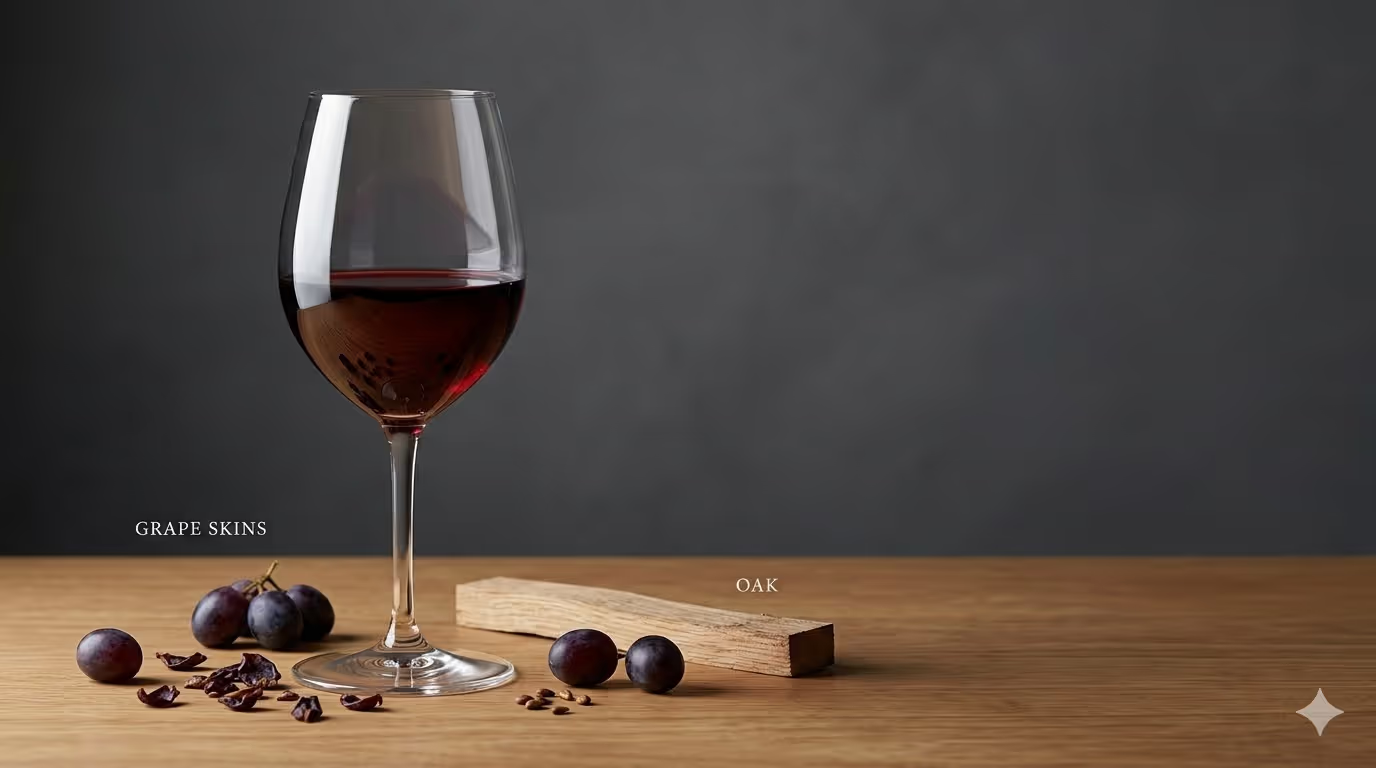
Tannins aren't really a flavor. They come from grape skins, seeds and stems, creating a texture of astringency or bitterness. If your gums feel dry after a sip, tannin is the likely reason. For a deeper plain-English breakdown, see Sommy's wine tannins explained.
When people ask how to choose wine quickly, grape is the best shortcut. Start with Pinot Noir, Gamay, Grenache, and Barbera. Those names often lead to light-bodied red wine that feels lighter on the tongue. Tasting Table's roundup of low-tannin varieties points to many of the same styles.

Beaujolais is an especially helpful shelf word because it's usually made from Gamay. Pinot Noir from lighter styles also works well. Grenache can be a smart pick when you want fruit without a rough finish. A fruit-forward Barbera from Piedmont often lands in that friendly middle zone too, bright and lively without a heavy grip.
Meanwhile, pause before grabbing Cabernet Sauvignon, Nebbiolo, Tannat, or a young Syrah. They often feel firmer and more drying. A good wine guide doesn't need a hundred grapes. It only needs a few reliable yeses and nos.
Low tannin means smoother, not weaker. You can still get flavor without the sandpaper feel.
That small filter already gives you better wine recommendations than guessing by label art alone.
What label words signal a low-tannin red wine?
Labels speak in hints. Words like "smooth," "silky," "soft," "juicy," and "light-bodied" usually point to smooth and approachable wines. Words like "structured," "firm," "full-bodied," and "oak-aged" can mean more grip. While wine fermentation naturally creates tannin, aging in oak barrels can add even more grip.

Think of wine tasting notes explained like movie trailers. You don't need every detail. You only need the tone. "Cherry," "raspberry," and "fresh red fruit" often suggest a friendlier bottle. "Cedar," "tobacco," and "grippy finish" can signal more tannin from polyphenols, which create the dry mouthfeel some drinkers dislike.
For grocery store wine picks, region helps too. Beaujolais usually means Gamay. Valpolicella often points to a lighter Italian red. Bourgogne Rouge can be a softer Burgundy option. On the other hand, Napa Cabernet or Barolo often signal more grip and less ease.
Use a fast two-part check when the shelf feels crowded:
- Reach for: Pinot Noir, Gamay, Beaujolais, Grenache, Valpolicella, Dolcetto, Frappato, Schiava, Lambrusco
- Be cautious with: Cabernet Sauvignon, Nebbiolo, Tannat, Petite Sirah
That may sound basic, but basic works. That's why simple wine tips, friendly wine advice, and wine explained simply help more than long lectures. If you want another outside reference, Passion Vines' lower-tannin red overview echoes many of the same shelf clues.
Price can help, but only a little. An inexpensive Pinot Noir can still be pleasant, while an expensive Cabernet can still feel too dry for your taste. Good choices come from matching texture to preference. For people who want simple wine explanations, that matters more than status.
How do you order a low-tannin red at a restaurant?
A long menu can feel like a pop quiz, but the answer is usually one sentence. Use restaurant wine tips and wine list tips that sound like normal speech: "We're looking for a smooth red, not too drying." Staff hear that better than a fake expert order.
Pinot Noir is the safest first ask. Gamay or Beaujolais is another strong move if it's available. Grenache-based reds can also work well, especially with roast chicken, pork, burgers, or tomato pasta; technical methods like carbonic maceration or whole cluster fermentation help produce these softer styles. If pork is on the table, Sommy's wine pairing for pork made easy keeps the decision calm and quick. A simple wine pairing guide starts with the same rule every time, match the wine's weight to the food's weight. Low tannin red wine shines for food pairing since it complements flavors without overpowering them.
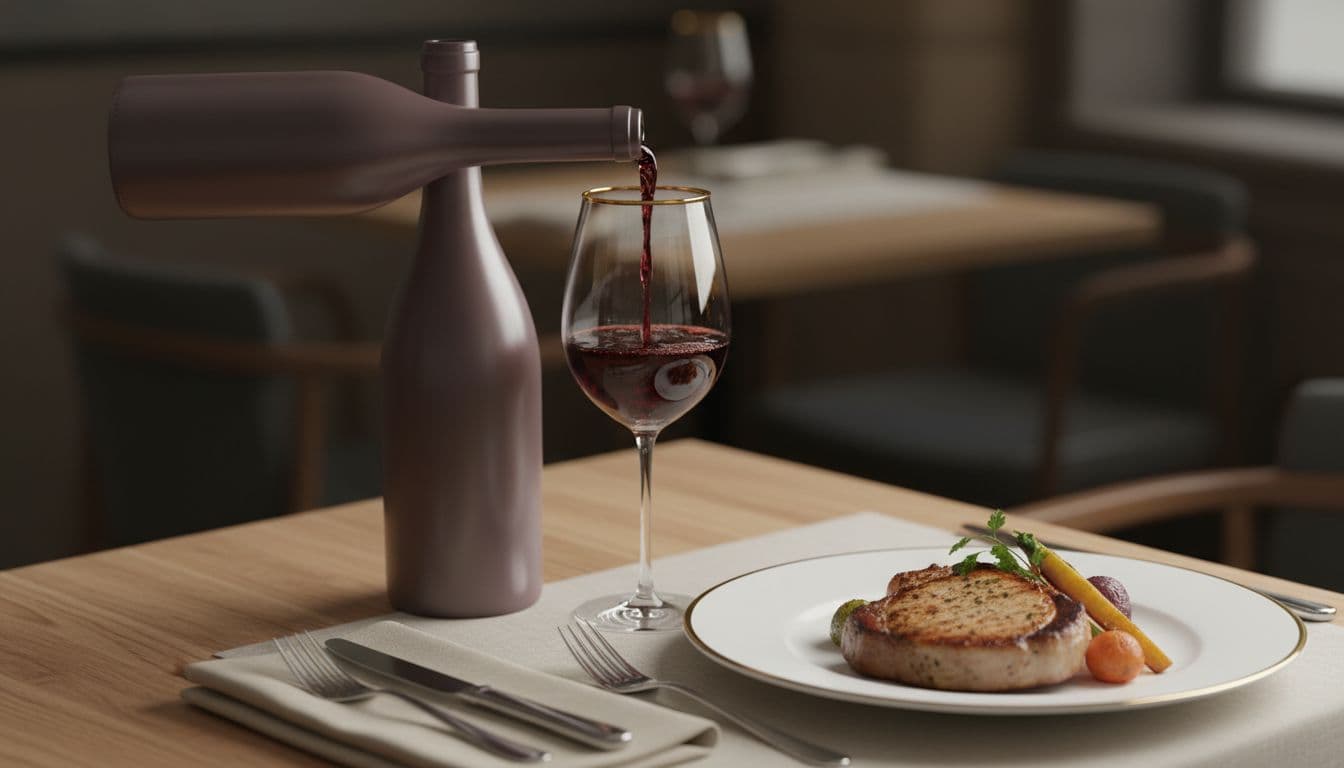
Here are three fast menu moves:
- Ask for the lightest red by the glass
- Ask if there's a Beaujolais or Pinot Noir
- Say you want juicy, soft, or smooth, not bold or drying
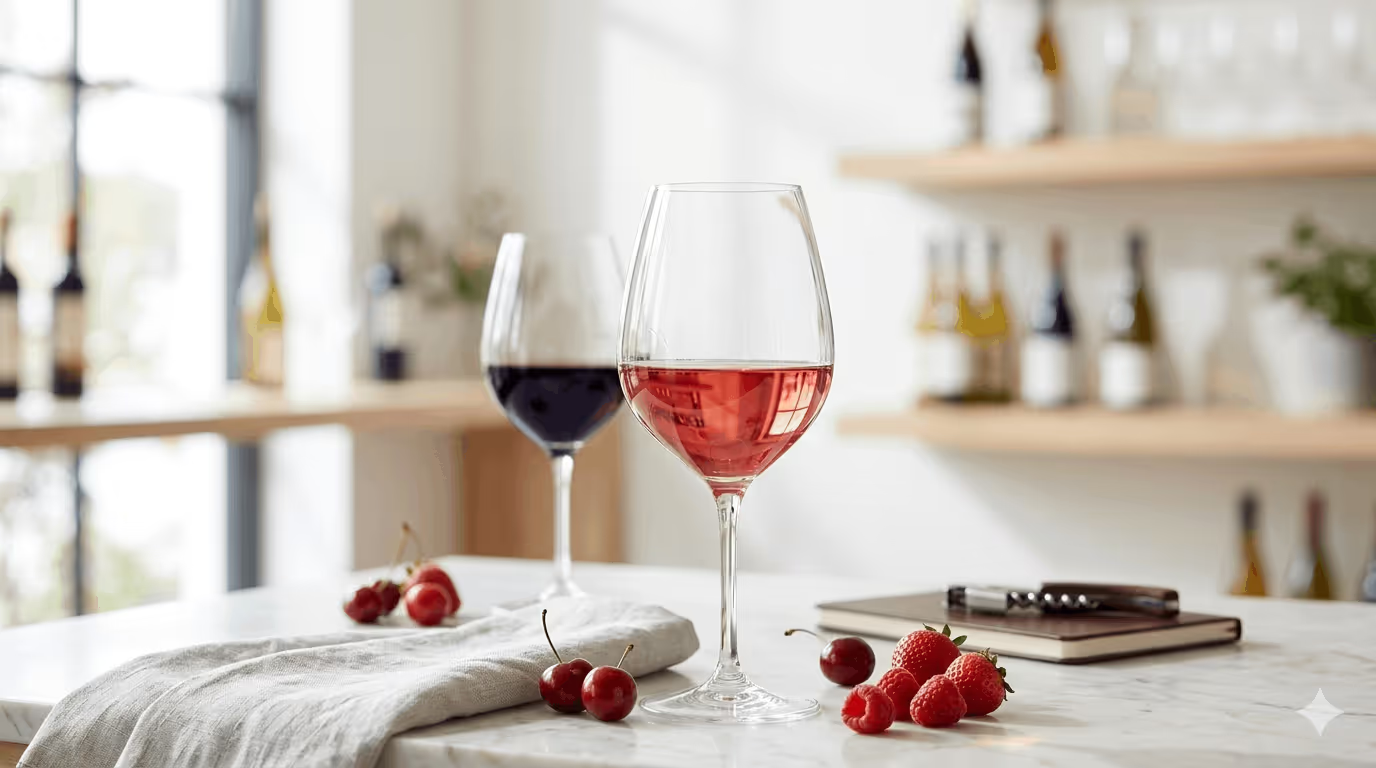
By-the-glass pours are often the safest path, because restaurants pick them to please more people. A slight chill can also make chilled red wine feel even calmer while enhancing freshness; supertasters often prefer these wines due to their sensitivity.
Sometimes you want help faster than a server can give it. Sommy works as an AI wine assistant, giving smart wine recommendations, personalized wine picks, and personalized wine recommendations based on your taste, meal, and budget. For anyone comparing wine app suggestions, it feels more like a modern wine guide than a wine class. You get smart wine picks, clear wine recommendations, and everyday wine advice right when you're choosing.
Frequently asked questions
What red wines are lowest in tannins?
Pinot Noir, Gamay, Grenache, and Barbera are among the lowest-tannin red wines. Beaujolais (made from Gamay) and Valpolicella are also reliable low-tannin options.
How can I tell if a red wine is low tannin without tasting it?
Check the grape variety and label language. Thin-skinned grapes like Pinot Noir and Gamay produce lower tannins. Label words like “smooth,” “silky,” “light-bodied,” and “juicy” signal less grip. Regions like Beaujolais and Bourgogne Rouge are also good indicators.
What words on a wine label mean low tannin?
Look for “smooth,” “silky,” “soft,” “juicy,” and “light-bodied.” Avoid bottles labeled “structured,” “firm,” “full-bodied,” or “oak-aged,” which typically signal more tannin.
Is Pinot Noir always low in tannins?
Pinot Noir is generally one of the lower-tannin red wines, but style matters. Lighter Burgundy-style Pinots tend to be softer, while richer New World versions can feel slightly firmer. It’s still a safer bet than Cabernet Sauvignon or Nebbiolo.
Can I ask for a low-tannin red at a restaurant?
Yes: just say “we’re looking for a smooth red, not too drying.” Staff hear that better than technical wine language. Ask specifically for Pinot Noir, Beaujolais, or Gamay if they’re available.
Finding a low tannin red wine shouldn't feel like passing a test. Stick to softer grapes, trust a few useful label words, and say what you want out loud. If you want help choosing wine in the moment, Sommy can turn a shelf or wine list into one calm next step.