The best wine pairing for pork depends on the cut and the sauce, not complex rules. For leaner pork like tenderloin, choose a light red like Pinot Noir or a crisp rosé. For richer dishes like BBQ ribs or pork belly, go for a bolder red like Zinfandel. This simple "match the weight" approach removes the guesswork and helps you pick a great bottle every time.
Choosing the Right Wine for Pork Without the Stress
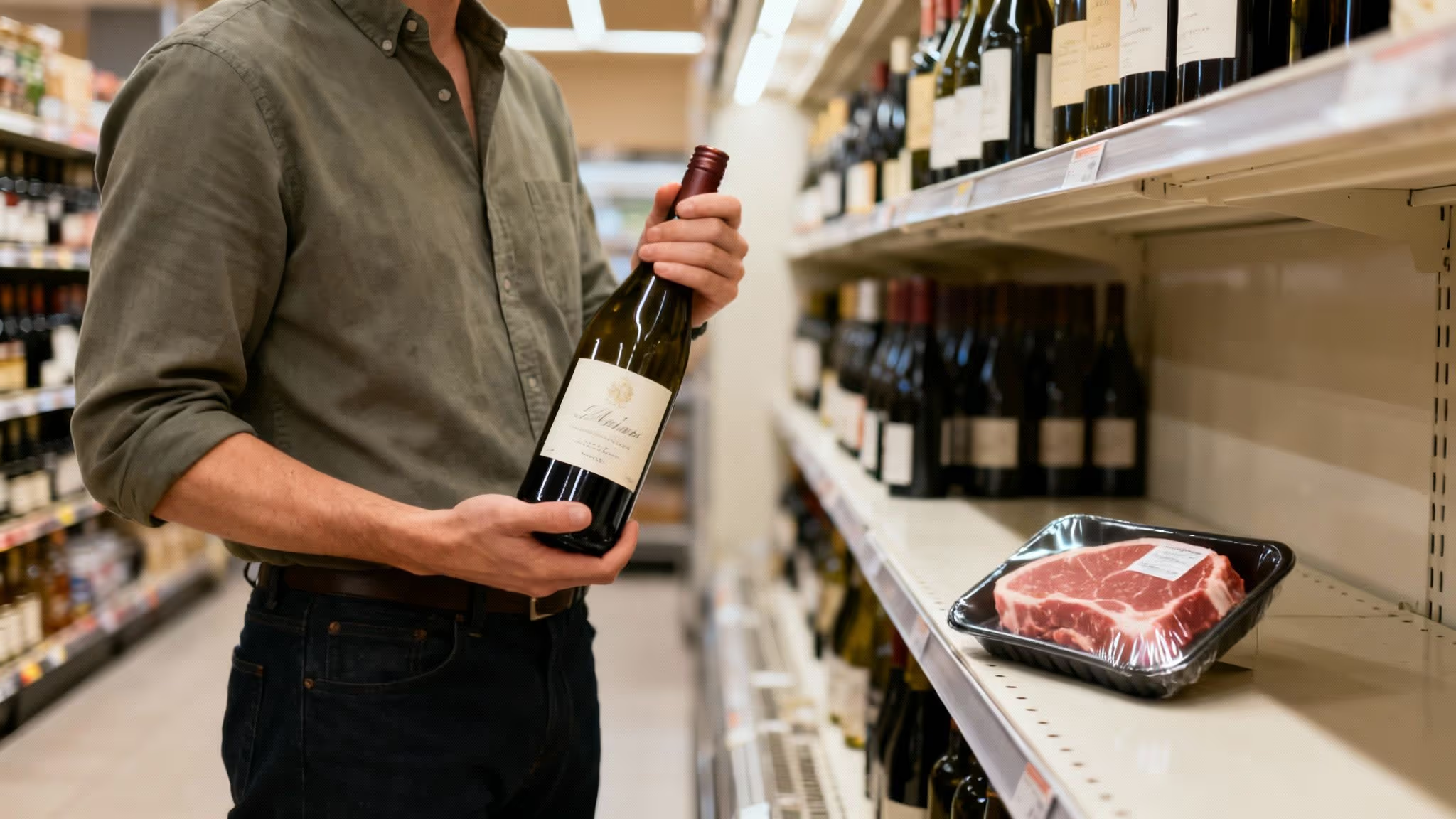
You’re standing in the wine aisle, staring at a wall of bottles, just trying to find something that will taste great with the pork chops you’re making tonight. Or maybe you're at a restaurant, looking at a long wine list and feeling that familiar sense of pressure to choose correctly.
That feeling of being overwhelmed is completely normal. Wine is often made to feel confusing, but it doesn’t have to be.
The point of this guide is to give you clear, simple advice so you can confidently pick a wine that makes your meal taste even better. Forget the jargon and the fear of choosing wrong. Let's break it down into a few stress-free ideas.
A Good Pairing Makes a Big Difference
Pork is incredibly versatile, which makes it one of the most exciting foods for wine pairing. A good match isn't just a nice extra—it fundamentally improves the meal. The right wine can cut through the richness of a fatty cut or bring out the subtle flavors of a lean roast.
This is exactly the kind of decision an AI assistant like Sommy simplifies. Instead of memorizing rules, you can get an instant recommendation based on your specific meal and your taste. For more tips on making confident choices, check out our guide on how to choose wine.
How to Think About Your Pork Dish
Before you even look at a wine list, the secret to a great pairing is on your plate. Forget trying to memorize wines first. Instead, think about the pork dish itself.
Is it a lean pork loin or a rich, fatty pork belly? Is it roasted with simple herbs or covered in a sweet and smoky BBQ sauce?
These details are your roadmap. They tell you exactly what kind of wine will make the meal better.
The Three Keys to a Great Pork Pairing
Thinking about a pork dish comes down to three simple factors. Understanding these will instantly make choosing a wine feel much more intuitive.
- The Cut of Meat: This is all about fat. Leaner cuts like pork tenderloin or loin chops are delicate and need a lighter-bodied wine that won't overpower them. Fattier cuts like pork belly or shoulder (for pulled pork) are rich and can handle a bolder wine with more structure.
- The Cooking Method: How you cook the pork adds another layer of flavor. Roasting and pan-searing bring out the meat's natural savory character. Grilling and smoking add char and smoky notes that call for a wine with more robust fruit flavors. Slow-braising creates deep, mellow flavors that pair beautifully with earthy wines.
- The Sauce or Seasoning: This is often the loudest flavor in the dish. A sweet and tangy BBQ sauce needs a wine with equally bold, juicy fruit. An herbal rub with rosemary and garlic points toward a wine with earthy, savory notes. A spicy marinade requires a wine with a hint of sweetness or very low tannins, as tannins can amplify heat. To learn more, see our simple explanation of what tannin in wine means.
The simple rule is: the more intense the flavor of your pork dish—from fat, smoke, or sauce—the more intense the flavor of your wine should be.
The goal is always balance. You want the wine and the pork to be equal partners, where neither one dominates the other. A great pairing makes both the food and the wine taste better.
Here’s a quick reference table to help you connect these ideas to a wine style.
Matching Wine Style to Your Pork Dish
Use this table to quickly see how the cut, cooking method, and sauce of a pork dish suggest different wine styles, helping you make a confident choice.
Once you start thinking this way, you're not guessing anymore—you're making an informed choice based on what's on your plate.
Wine Pairings for Lighter Pork Dishes
When you’re cooking leaner cuts like pork tenderloin, loin roasts, or simple pan-seared pork chops, the wine needs to be a supporting actor. A big, powerful red will bulldoze the delicate flavor of the meat.
The goal is to find a wine that complements the pork, not competes with it. We're looking for bright acidity and softer fruit notes.
This simple decision tree shows you how the cut, cooking method, and sauce all point you toward the right bottle.
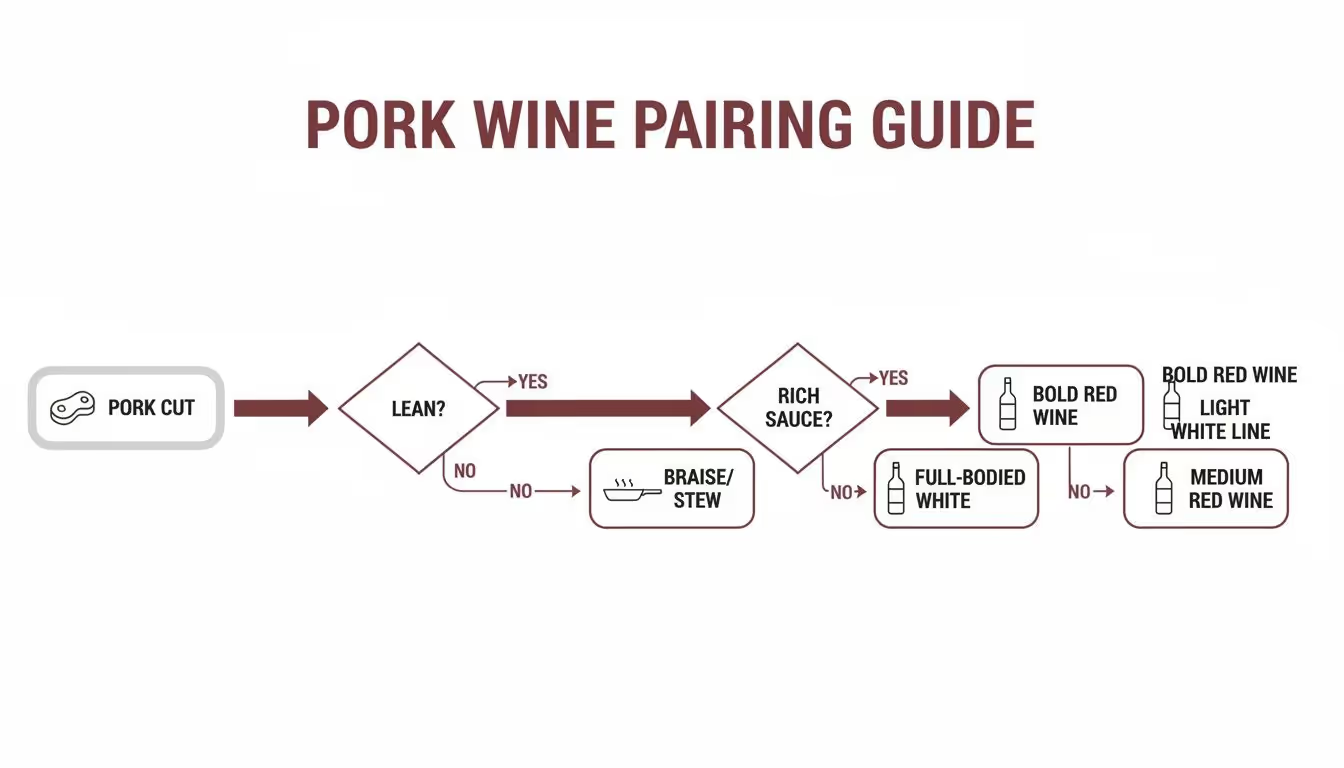
As you can see, the leaner the cut and the simpler the prep, the more you should lean toward lighter, crisper wines. It’s a reliable rule of thumb.
Top Wine Choices for Lean Pork
You don't need to be a wine expert to get this right. If you see these names on a menu or a store shelf, you're in safe territory.
- Pinot Noir: This is the classic for a reason. Its light body, silky texture, and notes of cherry and raspberry are a perfect match for the savory herbs often used on roasted pork. It’s elegant and won't overpower the dish.
- Dry Rosé: A crisp, dry Rosé is incredibly versatile. It has the refreshing quality of a white wine to cut through richness, but just enough red berry character to hold its own. It’s a nearly foolproof pick.
- Unoaked Chardonnay: "Unoaked" on the label means the wine will be clean, crisp, and refreshing—think green apple and citrus. This style is an amazing partner for pork with creamy sauces or simple lemon-and-herb seasonings.
The key takeaway is to match the weight of the wine to the weight of the dish. For delicate pork, choose a delicate wine.
Getting comfortable with these three options makes choosing easy. For a deeper dive, you might like our article on pork tenderloin wine pairing.
If you’re ever standing in front of a wine list feeling lost, this is exactly what Sommy was built for. The app can scan the menu and instantly point out the best lighter-bodied options for your meal, taking the guesswork out of it.
Wine Pairings for Rich and Fatty Pork
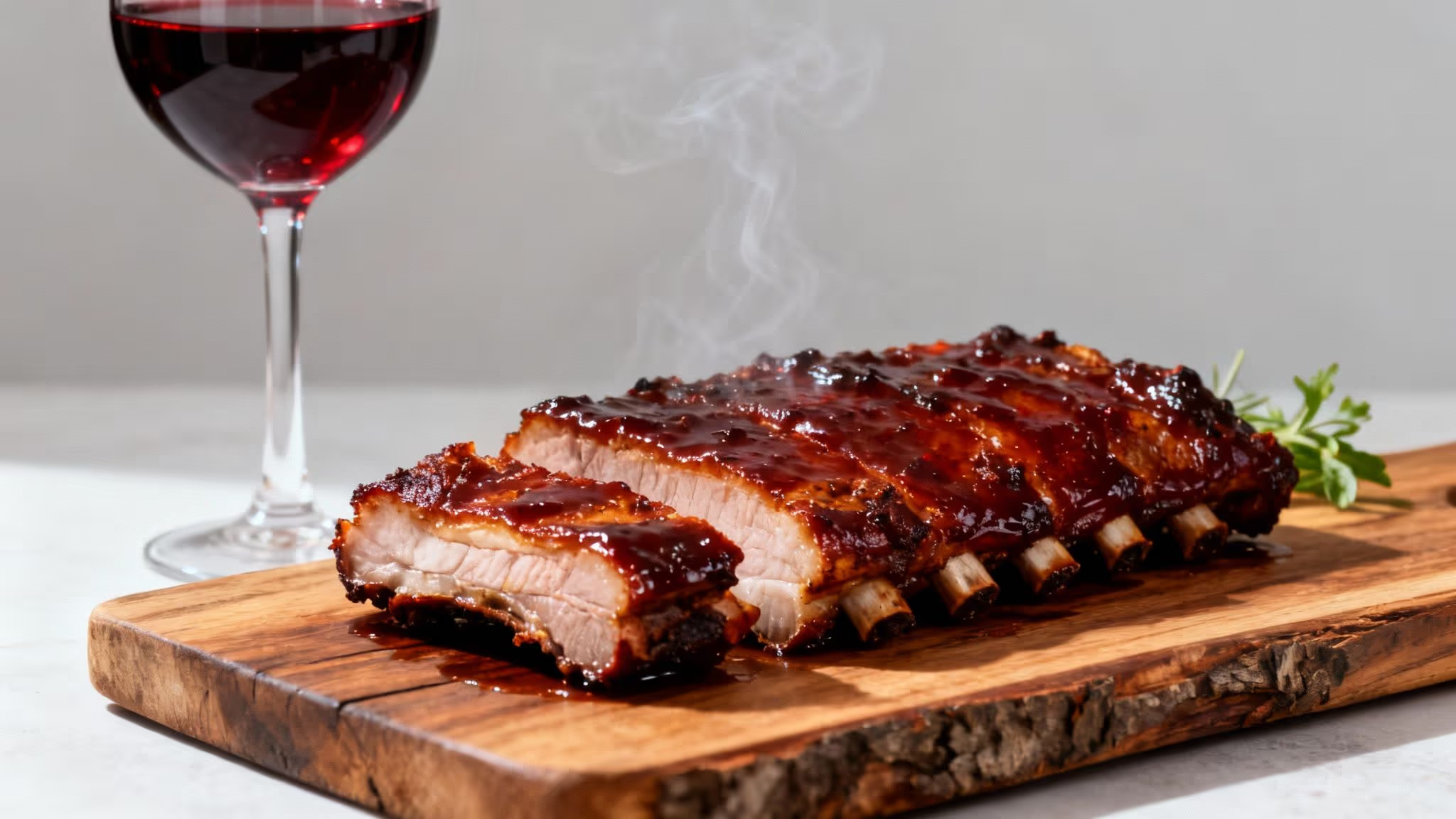
Now let's talk about the heartier side of pork: slow-cooked pulled pork, smoky BBQ ribs, and crispy, melt-in-your-mouth pork belly. These dishes are packed with fat, intense flavor, and bold sauces.
A light-bodied wine will completely disappear here.
For these dishes, you need a wine that can confidently match all that flavor. We're looking for wines with more body, bigger fruit, and enough structure to slice through the richness. This is where bottles like Zinfandel, Grenache, and Syrah shine.
Why Bolder Wines Work Best
Rich, fatty cuts of pork coat your mouth, while sauces bring sweetness, tang, or smoke. A bolder wine with bright acidity and ripe fruit is the perfect partner.
The acidity acts like a palate cleanser, cutting through the richness so every bite tastes as good as the first. The wine's fruitiness complements the savory meat and stands up to any sweet or tangy sauce.
Go-To Wines for Hearty Pork Dishes
You don't need a huge shopping list. Just a few reliable options that you can find pretty much anywhere will do the trick.
- Zinfandel: A California Zin is basically the unofficial wine of BBQ. It’s bursting with jammy blackberry and raspberry flavors, with a little kick of black pepper that’s perfect for sweet and smoky sauces. It has the body to handle pulled pork or ribs without flinching.
- Grenache (or a Grenache-Syrah blend): Grenache brings ripe red fruit like strawberry and cherry, along with a touch of spice. It has just the right amount of acidity and softer tannins to cut through the fat of pork belly without being harsh. A Spanish Grenache (called Garnacha) is a brilliant and often budget-friendly choice.
- Syrah (or Shiraz): Known for its dark fruit, savory notes, and peppery spice, Syrah is another powerhouse for grilled or smoked pork. For glazed pork, an Australian Shiraz, which tends to be even fruitier, is a wonderful match.
Don't be afraid of a wine with big flavor. With rich and fatty pork, a bold wine doesn't just pair with the meal—it completes it.
Instead of guessing in the wine aisle, this is a perfect time to let Sommy be your personal assistant. You can ask for a "bold red for BBQ ribs under $25" and get an instant, reliable recommendation that fits what you like.
To dig deeper into matching wines with smoky flavors, check out our guide on the best wine with BBQ ribs and pulled pork.
Pairing Wine with Ham and Cured Pork
What about special cases like holiday ham, salty prosciutto, or sweet Chinese BBQ pork? The trick is to focus on the dominant flavor—is it salty, sweet, or spicy?
A salty ham or cured meat begs for a wine with a hint of sweetness or bright fruit. For sweet or spicy pork, the wine needs enough personality to stand up to those big flavors. This section offers clear solutions for these popular dishes.
Wines for Salty Ham and Prosciutto
The intense saltiness in cured pork like prosciutto or a classic glazed holiday ham can make dry wines taste flat. The secret is to aim for a sweet-and-salty dynamic. Think of melon wrapped in prosciutto—it just works.
You’re looking for wines with vibrant, juicy fruit or a touch of sweetness to balance the salt.
- Off-Dry Riesling: A German Riesling with a little residual sugar is a perfect match. Its high acidity keeps it refreshing, while that whisper of sweetness snaps into place against the salt.
- Beaujolais: This light-bodied French red is bursting with juicy red fruits like cherry and raspberry. It has very low tannins and a fresh vibe that complements cured meats perfectly.
These wines create harmony, making both the pork and the wine taste better. If you're building a whole platter, our guide on wine for charcuterie can help with other pairings.
Wines for Sweet or Spicy Pork Dishes
When pork is covered in a sweet glaze like Char Siu (Chinese BBQ pork) or brings the heat in spicy carnitas, your wine needs to match that energy. A dry, subtle wine will get bulldozed.
The rule of thumb is simple: match sweetness with sweetness. Your wine should always be at least as sweet as the sauce on your pork.
Here are a couple of fantastic options:
- German Riesling: Riesling’s great acidity slices through richness, and its bold fruit-forward profile can handle both sweet and spicy flavors with confidence.
- Grenache: A fruity, low-tannin Grenache is a brilliant red wine choice. Its ripe red fruit flavors work well with sweet glazes, and its smooth texture won't clash with spicy heat.
With these simple guidelines, you can confidently pick a fantastic wine pairing for pork no matter how it’s prepared.
Your Guide to Common Pork and Wine Questions
Even with a good game plan, a few questions can pop up right when you’re about to order. Think of this section as your quick cheat sheet for a final confidence boost.
What Is the Best All-Around Wine for Pork?
If you need one bottle that can handle almost any pork dish, a dry Rosé is a fantastic choice. A good dry Rosé has the crisp acidity of a white wine, letting it cut through rich fats. But it also has the red fruit character of a light red, giving it enough backbone to stand up to everything from a simple roast to savory grilled chops. It’s a safe, delicious bet every time.
Can I Drink White Wine with Pork?
Absolutely! For many pork dishes, white wine is the best choice. A crisp, unoaked Chardonnay is a dream pairing for pork with creamy sauces, and a zesty Sauvignon Blanc can be brilliant with herb-crusted roasts. An off-dry Riesling is a showstopper with spicy or sweet-and-savory pork, like glazed ham or Asian-inspired dishes.
What Wine Goes with Pork Chops?
The perfect wine for pork chops depends on how you're cooking them.
- Simple, pan-seared chops: A light-bodied red like Pinot Noir or a flavorful Rosé works beautifully.
- Chops with a creamy mushroom sauce: Go for an unoaked Chardonnay. Its clean profile complements the sauce.
- Grilled chops with a smoky char: A fruit-forward, low-tannin red like Grenache is a perfect match.
What Wine Should I Avoid with Pork?
As a general rule, steer clear of very heavy, tannic red wines with leaner cuts like tenderloin. A big Cabernet Sauvignon, for example, has powerful tannins that can bulldoze the delicate flavor of the meat. This clash can create a metallic or bitter taste. When in doubt, stick to wines with softer tannins and brighter fruit.
Instead of trying to juggle all these details at the table, just let Sommy.ai do the work. Tell the AI what you’re eating—like “pork chops with a creamy sauce”—and get an instant, personalized recommendation from the restaurant’s wine list or the store's shelf.
It’s the simplest way to feel sure about your choice every single time. Learn more at https://www.sommy.ai and make your next wine decision an easy one.

EntreprEngineur. Runs on lattes. Creates with the intensity of a downhill run. Fast, slightly chaotic, ideally followed by a glass of wine.