The best wine for a charcuterie board is usually light, crisp, and refreshing. You want something that cleanses your palate, not a heavy wine that overpowers the food. Go for a crisp Dry Rosé, a zippy Sauvignon Blanc, or a light red like Pinot Noir. These wines cut through the richness of meats and cheeses, making every bite taste fresh and delicious.
Stop Stressing in the Wine Aisle
You’re standing in the wine aisle, staring at a wall of bottles. You promised to bring "a wine for charcuterie," and the fear of grabbing the wrong one is setting in.
This moment doesn’t have to be stressful. You’re not trying to become a wine expert overnight; you just want to find a bottle that plays nicely with all the different flavors on the board.

Here's the secret: you don't need to know complex wine theory. The real goal is simple: find a wine that makes the food taste even better. This guide will give you a clear, no-stress path to picking the right bottle every time, without any confusing jargon.
Your Simple Goal for a Perfect Pairing
Forget about memorizing grape varieties or wine regions. Your only job is to find a wine that is refreshing and versatile. That's it.
A good charcuterie wine does three things well:
- Cleanses your palate: Acidity is your secret weapon. It cuts through the fat in cured meats and rich cheeses, making each new bite taste just as good as the first.
- Matches the intensity: A delicate board with mild prosciutto and creamy brie needs a light, elegant wine. A bolder spread with spicy salami and sharp cheddar can handle a wine with more character.
- Avoids overpowering the food: Big, heavy red wines will steamroll the subtle flavors on your board. When in doubt, lighter is almost always better.
This simple approach removes the anxiety from the decision. Instead of guessing and hoping for the best, you can feel confident in your choice. For more on building this kind of confidence, check out our guide on how to pick wine without the usual stress.
Three Simple Rules for Pairing Wine
Let's skip the complicated wine theory. You don’t need to be a sommelier to pick a fantastic bottle for your charcuterie board. If you just remember three simple ideas, you'll get it right every time.
Think of these as practical shortcuts to help you feel calm and confident in the wine aisle.
Rule 1: Match Intensity
This is the most important rule: match the intensity of the wine to the intensity of the food.
If your board is delicate—think thin prosciutto and mild brie—you need a light, elegant wine that won’t overpower those subtle flavors. A light-bodied Pinot Noir or a crisp Sauvignon Blanc would be perfect. They’ll complement, not compete.
On the other hand, a board loaded with spicy salami, sharp aged cheddar, and pungent olives will make a delicate wine taste like water. For that, you need something with more backbone, like a juicy Gamay or even a Lambrusco, to create a beautiful balance.
Rule 2: Acidity Is Your Friend
Here’s a tip that will change your pairing game: wines with good acidity are your best friend with charcuterie.
Why? Because acidity in wine acts like a palate cleanser. It slices right through the fat from cured meats and the creaminess of cheese, basically hitting the reset button in your mouth before the next bite.
Think about squeezing a lemon over fried fish—that bright lift is exactly what acidity does here. Wines known for that zippy quality, like Sauvignon Blanc, Prosecco, or a Dry Rosé, are fantastic choices because they keep rich, salty flavors from feeling too heavy.
The goal is to find a wine that refreshes, not overwhelms. High acidity acts as a reset button between bites, making each taste feel new again.
Rule 3: When in Doubt, Go Bubbly or Rosé
Feeling stuck? Overwhelmed by the options? When in doubt, a sparkling wine or a Dry Rosé will almost never let you down.
These wines are the Swiss Army knives of pairing. The bubbles in a Prosecco or Cava literally scrub your palate clean, while a good Dry Rosé offers the bright acidity of a white wine with a hint of red fruit.
Their versatility makes them a safe—and delicious—bet for the wild mix of flavors on any charcuterie board. You can learn more about finding this balance in our guide on how to match wine with food.
Decode Your Board for Easy Choices
A great charcuterie board is a delicious mix of flavors and textures: salty prosciutto, creamy brie, sharp cheddar, sweet fig jam. How can one wine possibly work with all of that?
Instead of getting overwhelmed, just spot the board's dominant personality and pick a wine that gets along with it. We can group everything on that platter into four main categories.
The Four Main Flavor Groups
Think of your board as a collection of four flavor teams. Most boards lean heavily on one or two, which makes your decision much easier.
- Salty & Cured Meats: This is the heart of the board—prosciutto, salami, soppressata. Their defining traits are salt, savory fat, and sometimes a bit of spice.
- Creamy & Rich Cheeses: This is your brie, camembert, or goat cheese. These are tangy and have a rich, mouth-coating texture.
- Sharp & Hard Cheeses: Here’s where you’ll find aged cheddar, parmesan, and manchego. They bring intense nutty and salty flavors.
- Sweet & Tangy Accents: This group covers the extras, like fig jam, honey, briny olives, sour cornichons, and fresh fruit.
Once you identify the main player on your board, you can choose a wine that works with that dominant flavor. For a deeper dive into cheese specifically, our wine and cheese pairing guide offers more simple, confident tips.
Matching Wine to Each Group
Now, let's connect a wine style to each of those groups.
The key isn't a perfect match for every item, but a versatile wine that harmonizes with the board's overall character. Your goal is balance, not perfection.
Honestly, a light, crisp wine with good acidity is your best friend because it can handle a huge range of flavors without getting lost or overpowering anything.
This decision tree gives you a simple visual for how to think about it.
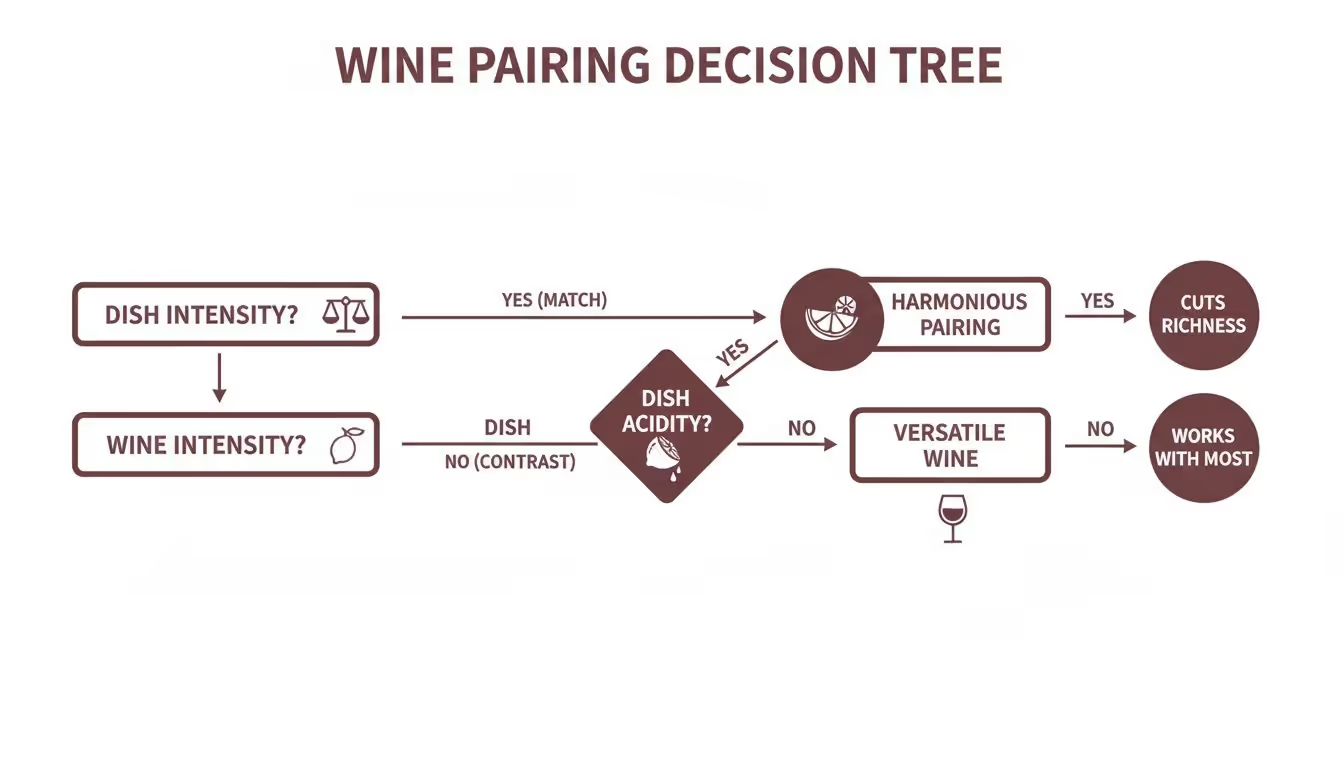
As the flowchart shows, versatile, high-acidity wines are often the safest and most enjoyable choices for a mixed board. They’re the ultimate team players.
Your Go-To Wine List for Any Board
Let's make this easy. This is your foolproof shopping list for the next time you need a wine for charcuterie. These five reliable, easy-to-find wines are your secret weapons for just about any spread.
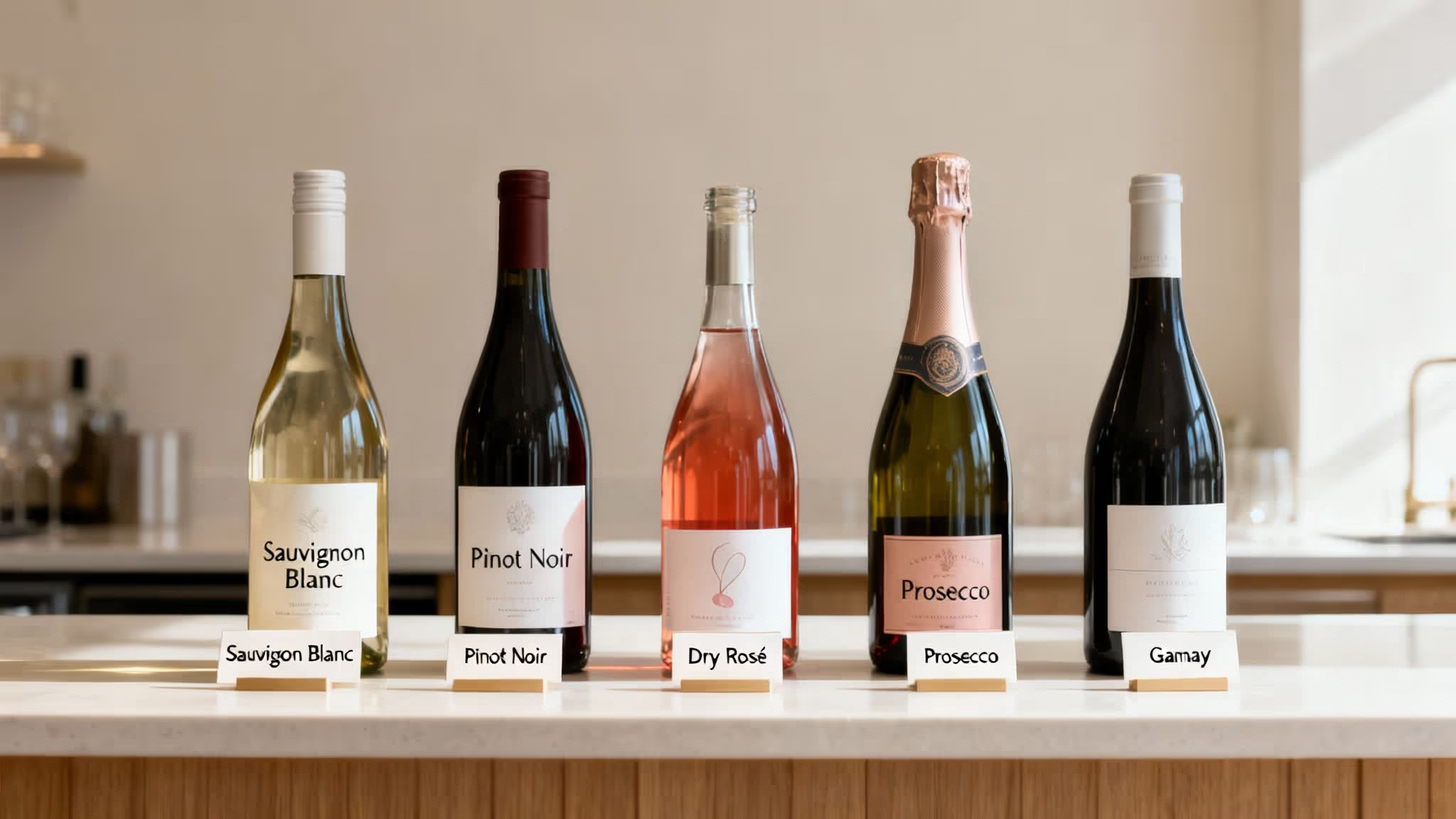
This isn’t about memorizing complex details. It’s about having a few trusted options so you can grab a bottle and know it’s going to work.
Sauvignon Blanc
Think of Sauvignon Blanc as a squeeze of fresh lemon over everything on your board. It’s zesty, bright, and famous for its mouth-watering acidity.
This wine is perfect with creamy goat cheese or briny olives. That crispness cuts right through richness, cleaning up your palate with every sip.
Pinot Noir
If you want a red wine, Pinot Noir is your safest and most elegant bet. It's light-bodied with gentle tannins, so it won’t clash with salty meats the way a big, heavy red would.
Its classic red fruit flavors—like cherry and raspberry—are the perfect partner for cured meats like prosciutto and soppressata.
A versatile red is a fantastic choice for a mixed board. For more options like Pinot Noir, you might appreciate this list of other easy to drink red wines that are just as crowd-pleasing.
Dry Rosé
When in doubt, grab a Dry Rosé. Seriously. It’s the ultimate peacemaker on a charcuterie board, perfectly bridging the worlds of red and white wine.
A good rosé has the zippy acidity of a white to slice through fatty foods, plus just enough red fruit notes to stand up to cured meats. From creamy brie to spicy chorizo, a chilled Dry Rosé handles it all.
Prosecco
Don't underestimate the power of bubbles. The crisp fizz of Prosecco literally scrubs your palate clean, making it an incredible partner for rich items like salami, pâté, and soft cheeses.
Its light, fruity notes of green apple and pear are just plain refreshing. It’s one of the most functional and effective pairings you can make.
Gamay
Looking for a red that’s juicy, fun, and incredibly food-friendly? Gamay is your answer. Most famously from the Beaujolais region of France, this wine is bursting with fresh red berry flavors and has soft tannins.
Because it isn’t heavy or bitter, it’s a wonderful match for everything from hard cheeses to rustic pâté. It’s a red wine that drinks almost as easily as a white.
The Charcuterie Wine Cheat Sheet
Feeling overwhelmed? Pull up this simple table on your phone the next time you're at the store.
With these five in your playbook, you're ready for any charcuterie challenge.
Let an AI Assistant Choose for You
Even with a guide, standing in front of a giant wall of wine can be paralyzing. You don't have to go it alone. This is exactly the kind of in-the-moment decision where a little help on your phone can take away all the stress.
Instead of trying to recall which wine has the right acidity for salami, a smart assistant does the work for you. It’s built to give you a confident choice right when you need it.
Get a Quick, Confident Answer
Imagine asking your phone, “Find me a good, affordable rosé for a meat and cheese plate under $20.” In seconds, you get a clear recommendation that’s actually available in that store.
This whole approach sidesteps the need to become a wine scholar. The goal isn’t to study; it’s to grab a great bottle and get on with your day. The right tool acts like your quiet, expert friend who just happens to know what's in the store you're in.
You don’t need to become an expert to choose like one. The right technology can give you the confidence of a sommelier without any of the study.
Personalized Choices That Get Better
The best part is that a good AI assistant learns your specific tastes. The more you use it, the better it understands what you enjoy, tailoring suggestions to your palate. If you loved a particular Pinot Noir last time, it will remember that and point you toward similar bottles.
This process makes finding the perfect wine for charcuterie feel effortless and personal. It’s exactly how an AI wine assistant like Sommy is designed to work, turning moments of indecision into simple, satisfying choices.
Putting It All Together Without Stress
Let's walk through a real-world example. Friends are coming over in an hour. Your board is ready, loaded with salty prosciutto, spicy salami, creamy brie, sharp aged cheddar, and a dollop of fig jam.
It's a classic mix of salty, fatty, sharp, and sweet. Instead of panicking, just go back to our two core rules: Match Intensity and Acidity Is Your Friend.
Applying the Simple Rules
First, the board's overall intensity is mixed. The aged cheddar and spicy salami bring some power, but the prosciutto and brie are delicate. This tells us a huge, heavy red wine would be a mistake.
Next, acidity. With rich brie and fatty salami, you need a wine that can cut through that richness and refresh your palate. A wine with crisp, cleansing acidity is essential.
Finding the Perfect Bottle
Based on those two ideas, our choices become clear. We're looking for something light-to-medium-bodied with good, zippy acidity.
- A Dry Rosé: This is the ultimate team player. It brings bright acidity to slice through the fats and cheeses, with enough red fruit character to stand up to the cured meats.
- A light-bodied Pinot Noir: If you're set on red, this is your go-to. It's light enough not to overwhelm the prosciutto, and its earthy notes are a beautiful match for savory meats.
Either of these would be a fantastic pairing. Your friends will just notice how great the wine and food taste together.
The key takeaway is that you don't need to be an expert to choose well. Focusing on balance and refreshment is all it takes to create a memorable pairing.
A couple of quick serving tips can elevate the experience. Chill your white and rosé to around 45-50°F (7-10°C) to let the flavors shine. For a light red like Pinot Noir, a slight chill to about 55°F (13°C) makes it even more refreshing.
Common Questions About Wine and Charcuterie
Here are quick, straightforward answers to the most common questions.
What’s the best all-around wine for a board?
If you have to pick just one bottle, make it a Dry Rosé or a Prosecco. A Dry Rosé has the crispness of a white wine to cut through fatty meats but also has enough red fruit flavor to stand up to them. Prosecco's bubbles scrub your palate clean, making every bite of rich cheese or salty salami taste fresh.
Can I serve red wine with charcuterie?
Of course. But choose the right one. Heavy reds like Cabernet Sauvignon often clash with the salt in cured meats, leaving a bitter taste. Instead, think lighter. A friendly Pinot Noir or a juicy Gamay (from Beaujolais) has bright red fruit and earthy notes that complement things like prosciutto and soppressata.
What if my board is mostly cheese?
If cheese is the star, acidity is your best friend. It cuts through the fat and resets your palate.
- For soft, creamy cheeses like brie or goat cheese, a zesty Sauvignon Blanc is perfect.
- For hard, aged cheeses like parmesan or sharp cheddar, a light-bodied red like Pinot Noir shines.
How much should I spend on a bottle?
You do not need to break the bank. There are fantastic, food-friendly wines that are perfect for a charcuterie board for under $20. The style of the wine—light-bodied, high-acidity—matters much more than the price tag.
Trying to remember these rules in a busy wine shop can be stressful. Instead of guessing, you can get a personalized recommendation on your phone that's perfect for what you're eating. If you want help choosing wine in the moment, you can learn how Sommy works and take the guesswork out of your next pairing.

EntreprEngineur. Runs on lattes. Creates with the intensity of a downhill run. Fast, slightly chaotic, ideally followed by a glass of wine.